What Is Diabetic Neuropathy? (And Why Your Feet Are at Risk)
Peripheral neuropathy—that's nerve damage that usually starts in your toes and feet—happens when high blood sugar levels damage the nerves over time. Think of your nerves like electrical wires with a protective coating. Diabetes gradually strips away that coating, and eventually the wires themselves start to malfunction.
Why do your feet get hit first? Three reasons. First, they're home to the longest nerves in your body—the signals have to travel all the way from your spine to your toes. Second, they're the farthest from your heart, which means they get less blood flow and fewer nutrients to keep those nerves healthy. And third, your feet take constant pressure and minor trauma every single day, which accelerates the damage when your nerves are already vulnerable.
Here's what most people don't realize about the connection between blood sugar and healing. Every point your A1C rises above normal doesn't just slow your healing a little—it reduces your body's ability to repair itself by 10 times. Not 10%, but 10 times. An A1C of 8 instead of 7 means your body heals 10 times slower. This is why a small cut that would heal in a week for someone else might take months for you.
The loss of sensation is gradual. You might notice tingling or burning at first—that's your nerves crying out for help. But if the damage continues, those sensations fade to nothing. And that's when diabetic foot care becomes critical, because you've lost your body's natural warning system.
The 5 Warning Signs Every Diabetic Must Know
After treating diabetic patients in my Houston podiatry practice for over 25 years, I've identified five warning signs that should trigger an immediate call to our office. These aren't the obvious emergencies—those you already know about. These are the subtle changes that, if caught early, prevent the serious complications you're worried about.
1. Numbness (Not Pain)
This sounds backwards, but the absence of pain is actually worse than pain itself. When you can't feel minor injuries happening—a pebble in your shoe, a blister forming, a toenail cutting into your skin—those small problems become big ones. Pain is your body's alarm system. Without it, you're walking around with no warning signals.
Test yourself right now: can you feel the pressure of your shoes on your feet? Can you feel the texture of your socks? If those sensations are muffled or gone, that's peripheral neuropathy at work.
2. Changes in Skin Color and Temperature
Your skin is talking to you. For light skin, look for redness that doesn't go away when you press on it. For darker skin, watch for areas that become darker or ashen compared to the rest of your foot. The key is checking at the same time every day—preferably after you've been sitting for at least 10 minutes, because activity increases blood flow and can mask problems.
If one foot feels warmer than the other when you touch them with the back of your hand, that warmth often signals inflammation or early infection. Don't ignore it.
3. Changes in Foot Shape
When you lose feeling in your feet, you also lose the small stabilizing muscles that normally keep everything aligned. You might notice your toes starting to curl or claw—that's called a hammertoe deformity. Or maybe one arch is flattening while the other stays normal. These structural changes create new pressure points, and when you combine high-pressure areas with numbness, you're setting up for ulcers.
Compare your feet to each other every time you check them. If one's starting to look different from the other, that's a red flag.
4. Wounds That Don't Heal
A wound isn't always obvious—it might be a tiny crack in your heel or a blister you didn't feel forming. But here's the critical timeline: if any break in the skin hasn't started healing within 3-4 days, you need to call us at 713-785-7881. Don't wait to "see if it gets better."
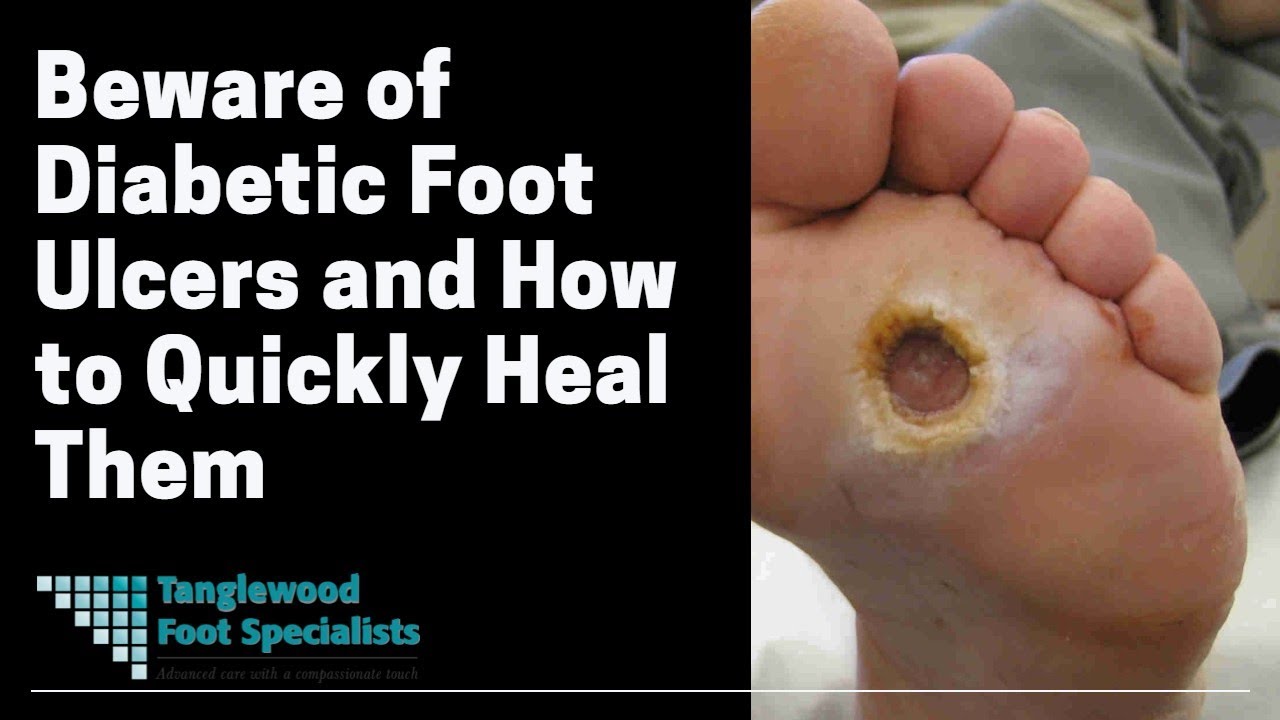
Diabetes affects circulation, and without good blood flow, even minor injuries struggle to heal. What might resolve in days for someone else can persist for weeks or months if you're diabetic. Those chronic foot ulcers are what lead to the serious complications.
5. Subtle Signs of Infection
Don't wait for the obvious symptoms—fever, red streaks, pus. With neuropathy, you might not feel the typical pain that signals infection. Instead, watch for unexplained warmth in one spot, slight swelling that comes and goes, drainage you notice in your sock but can't explain, or even just feeling more tired than usual. Your body is fighting something, and these subtle signs might be your only clue.
If you see red streaks spreading from any wound, or if you develop a fever, that's an emergency—head to the ER. But for these subtler signs, call our office immediately. We can usually see you the same day.
Why High Blood Sugar Is Your Feet's Worst Enemy
High blood sugar doesn't just make healing slower—it actively sabotages your body's repair mechanisms in four specific ways. First, it damages blood vessels through a process called glycation, where sugar molecules basically gum up the works and prevent oxygen and nutrients from reaching your tissues. Second, it impairs your white blood cells, the soldiers that fight infection and clean up damaged tissue. Third, it damages the small blood vessels in your feet, reducing circulation even more. And fourth, it creates the perfect environment for bacteria to thrive.
In my practice, I've seen this pattern thousands of times. Patients with an A1C below 7 typically see wounds heal in 6-8 weeks with proper treatment. When the A1C is between 7 and 9, we're looking at 8-12 weeks minimum. Above 9? We're often dealing with 12-plus weeks, and sometimes wounds that won't heal at all until we get that blood sugar under better control.
I know getting your A1C down isn't easy. If it were, you'd have done it already. But here's the truth—even small improvements matter. Dropping your A1C from 9 to 8 doubles your healing speed. You don't need perfection. You need consistent effort, and we're here to work alongside your endocrinologist to support you.
The Daily Foot Check That Saves Limbs (Dr. Schneider's 3-Minute Protocol)
Look, I know—one more thing on an overwhelming list of diabetes management tasks. You're already checking blood sugar, watching what you eat, taking medications, scheduling doctor's appointments. But here's the reality: this 3-minute evening routine prevents about 95% of the serious complications I see in my practice. And unlike perfect A1C control, this one's completely within your control.
Here's exactly what to do every single evening before bed:
Step 1: Temperature Check (30 seconds) Use the back of your hand to feel both feet. Compare them to each other. One foot significantly warmer than the other? That warmth signals inflammation or early infection, and it means you need to call us tomorrow morning. This works because your hands are more sensitive to temperature than you'd think, and comparing your feet to each other reveals differences you might otherwise miss.
Step 2: Visual Inspection (90 seconds) Look at the tops of both feet, then between every single toe—that's where fungal infections and cracks hide. Can't see the bottoms of your feet? Use a mirror, or ask your spouse or partner to check for you. What you're looking for: any redness, any open skin, any areas that look different from yesterday, any calluses getting thicker. Check your heels too—cracks in dry heel skin can become entry points for infection.
Step 3: Document What's Changed (60 seconds) This is the most important step. If you find something new—a red spot, a blister, any break in the skin—you've got a decision to make. Small cut with no redness or warmth? Clean it with mild soap and water, apply antibiotic ointment, cover it with a bandage, and check it again tomorrow. Redness or warmth that's still there after 2-3 days? Call us at 713-785-7881. Red streaks spreading from a wound, or fever, or pus? That's an ER visit—don't wait.
The trick is keeping a small mirror next to your bed. Make it part of your routine, right after you brush your teeth. Three minutes. That's less time than scrolling through your phone, and it could save your foot.
Treatment Options: From Prevention to Advanced Care
My philosophy is straightforward: we start with the least invasive approach that has a real chance of working, and we only escalate when we need to. Most of my diabetic patients never need surgery. What they need is the right footwear, consistent daily care, and prompt treatment when something goes wrong.
Proper Footwear
Sometimes, preventing diabetic foot complications is as simple as changing your shoes. Your feet need extra-depth toe boxes—at least a half-inch of clearance above your toes. They need wide widths so there's no compression on the sides. They need adjustable closures like laces or Velcro because your feet swell throughout the day. And they need cushioned, rocker-bottom soles that reduce pressure on any one spot.
Here's what most people don't know: if you have diabetic neuropathy or previous foot ulcers, Medicare covers therapeutic shoes. You qualify if you've had partial foot amputation, previous foot ulcers, calluses that might lead to ulcers, foot deformity, or poor circulation. I can prescribe them and connect you with qualified fitters here in Houston who work with your insurance.
Custom Orthotics
Think of custom orthotics like eyeglasses for your feet. While I'm wearing my glasses, I can see. When I take them off, I can't. In this same way, custom orthotics compensate for your foot mechanics and redistribute pressure away from vulnerable areas while you're wearing them. They don't cure the underlying problem, but they prevent it from causing damage.
The process takes 2-3 weeks from start to finish. We create a custom mold or 3D scan of your feet, send those specifications to the lab, and fabricate orthotics designed specifically for your pressure points and deformities. When they arrive, we fit them, make any needed adjustments, and you'll typically adapt to them within a week or so. Most patients wear them in all their shoes—yes, that means buying shoes that can accommodate them. They last 3-5 years with proper care.
Professional Wound Care
When you come in with an active ulcer, here's what happens. We see you weekly, sometimes more often. At each visit, I debride the wound—that means removing dead tissue so healthy tissue can grow. Here's the good news: because you have neuropathy, debridement doesn't hurt. You'll feel pressure, but not pain.
We culture the wound if there are any signs of infection, choose appropriate dressings based on what stage of healing you're in, and get you into an offloading device. That might be a walker boot, a total contact cast, or a special surgical shoe—whatever takes pressure completely off the wound so it can heal. You cannot walk normally on an active foot ulcer and expect it to heal. The pressure reopens it every single time.
With good blood sugar control and consistent care, most ulcers heal in 6-12 weeks. I'm being honest with you about the timeline because I want you to stick with treatment even when it feels like it's taking forever.
Advanced Treatments
When standard wound care hasn't reduced an ulcer by at least 50% after four weeks of treatment, or when we're dealing with a particularly deep or large wound, we move to advanced options. These treatments have success rates that outperform standard care significantly.
Skin substitutes are bioengineered tissue products that act like scaffolding for your body's own healing cells. They jump-start stalled healing. Standard wound care alone heals about 70-80% of diabetic ulcers. Add skin substitutes and that success rate climbs to 85-95%. Medicare covers them when specific criteria are met—we handle that paperwork. Unfortunately, most private insurance companies and many Medicare Advantage plans don't cover them.
Platelet-rich plasma therapy uses concentrated healing factors from your own blood to accelerate tissue repair. The research is still emerging, but early results are promising, especially when combined with other treatments. This is rarely covered by insurance.
Hyperbaric oxygen therapy involves breathing 100% oxygen in a pressurized chamber, which increases oxygen delivery to damaged tissue. Medicare covers this for chronic ulcers (30+ days) that haven't healed with standard treatment, but you'll need daily 90-minute sessions for 30-40 treatments over 6-8 weeks.
Negative pressure wound therapy—sometimes called a wound VAC—uses controlled suction to remove fluid and promote tissue growth. You wear it 24/7, and we change the dressing 2-3 times per week. It's typically used for deep or draining wounds, and most patients tolerate it well. Duration runs 4-8 weeks until the wound has enough healthy tissue for standard dressings.
Surgery (Only When Necessary)
Look, I know surgery sounds scary. But most of my diabetic patients never need it. We reserve foot surgery for three specific situations: when infection has spread to bone and won't respond to antibiotics alone, when tissue is dying and must be removed, or when a structural deformity keeps creating ulcers in the same spot no matter what we do.
Debridement surgery happens in the operating room under anesthesia. I remove all infected or dead tissue down to healthy, bleeding tissue. If the bone is infected—that's called osteomyelitis—we remove the infected portion. You'll typically stay in the hospital 1-5 days, go home on IV antibiotics for 6-12 weeks if bone was involved, and stay off that foot for 4-8 weeks. It's not a small procedure, but when infection threatens your life or your leg, it's necessary.
Corrective surgery for deformities addresses bunions, hammertoes, or Charcot foot collapse that creates recurring ulcers. When you keep getting ulcers in exactly the same spot because a bone is pushing up against your shoe, fixing that bone prevents future wounds. Success rates run 85-90% for preventing ulcers from returning to that location.
Amputation is always our last resort, and we save as much of your foot as possible. A toe amputation requires minimal adaptation—you'll barely notice it's gone after a few weeks. A transmetatarsal amputation (across the ball of the foot) means you'll need specialized shoes but can still walk well. Below-knee amputation preserves your knee joint, which is critical for using a prosthetic effectively. We only consider amputation when infection is life-threatening, tissue is dead beyond salvage, or you're in constant pain despite every other intervention we've tried.
The key is catching problems early. That daily 3-minute foot check? It's the difference between a simple wound care visit and an operating room.
If you've noticed any changes in your feet—numbness, wounds that won't heal, unusual warmth or redness—don't wait to see if they get better on their own. Contact our Houston office at 713-785-7881 or request an appointment online. Early intervention prevents the complications you're worried about.
What to Expect: Your First Diabetic Foot Exam
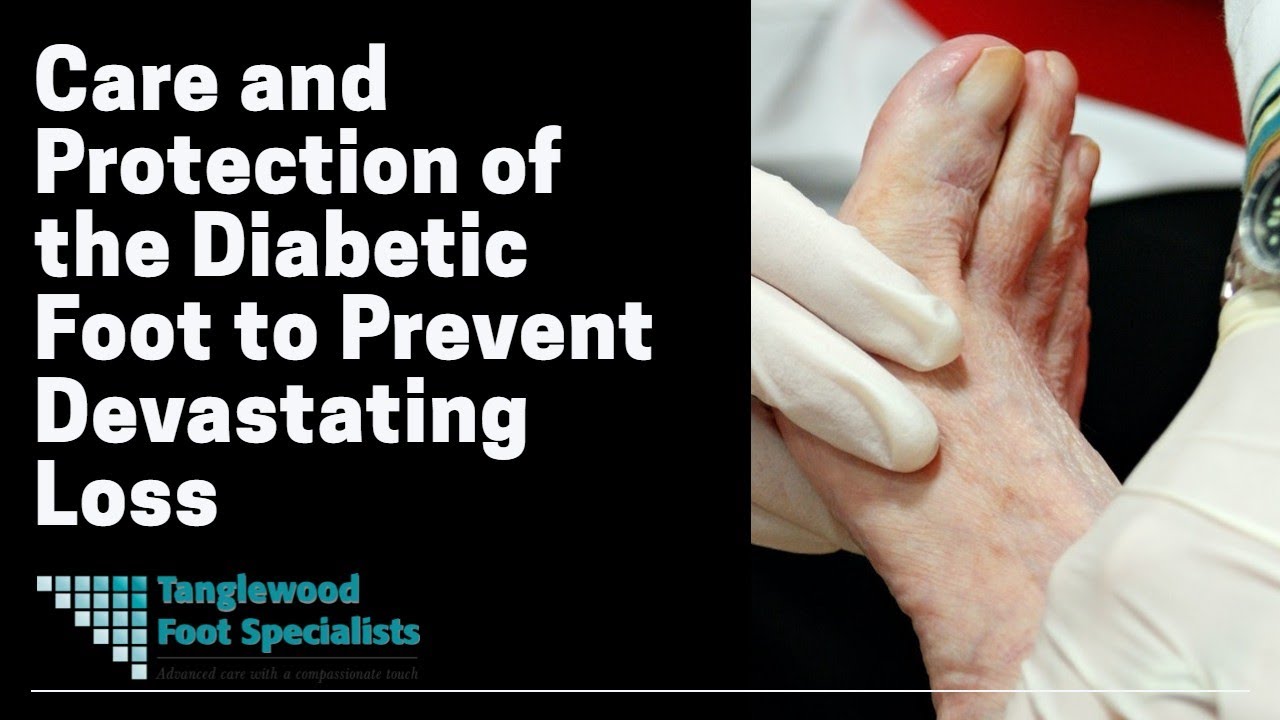
When you come in for your first diabetic foot exam, here's exactly what happens—no surprises. The whole appointment takes about 45-60 minutes, and nothing I do hurts. This is a comprehensive evaluation, not a quick check-the-box visit.
I'll start by reviewing your medical history. How long have you had diabetes? What's your most recent A1C? What medications are you taking, especially blood thinners or immunosuppressants? Have you had any previous foot problems—ulcers, infections, amputations? This takes about 10 minutes, and I'm listening carefully because these details tell me what your risk level is and what we need to watch for.
Then I'll test your circulation. I'm checking the pulses in your feet—there are three spots I palpate on each foot. Then we do something called an ABI test, which stands for ankle-brachial index. I put blood pressure cuffs on your ankles and arms, measure the pressures, and compare them. The whole thing takes about 10 minutes and doesn't hurt at all. What I'm looking for is whether your arteries are delivering adequate blood flow to your feet, because without good circulation, healing becomes nearly impossible.
Next comes nerve testing. I'll use a monofilament—it looks like a thin fishing line—and touch different spots on your feet. You tell me when you feel it. I'm also checking vibration sensation with a tuning fork and testing your reflexes. This tells me how much protective sensation you've lost. Some patients can feel everything normally. Others have complete numbness. Most fall somewhere in between. This section takes about 15 minutes.
The structural exam comes next. I'm looking at both feet for deformities—bunions, hammertoes, Charcot changes, anything that creates abnormal pressure. I'm checking your toenails for fungus, ingrown edges, or thickness that makes cutting them dangerous. I'm examining your gait—how you walk—because sometimes problems with your stride create pressure points that lead to ulcers. This takes about 10 minutes.
Finally, I do a thorough skin assessment. I'm looking at skin color, feeling for temperature differences between your feet, checking for any cracks or open areas, examining between your toes for fungal infections. If I find any calluses, I'm noting where they are—calluses signal high-pressure areas. This takes about 5 minutes.
Once I've gathered all that information, we sit down and talk. I'll categorize your risk level. Low risk means you have good sensation and circulation—you need annual checkups and good home care. Moderate risk means you have some neuropathy or circulation problems—we'll see you every 3-6 months. High risk means you've had previous ulcers, have significant neuropathy, poor circulation, or deformities—we'll see you every 1-3 months, and we'll be much more aggressive about prevention.
Then we create your prevention plan together. What shoes do you need? Do you qualify for Medicare therapeutic shoes? Would custom orthotics help redistribute pressure? Do you need help with toenail care because you can't see or reach your feet safely? Are there specific activities or situations we need to address? I tailor the plan to your life, not to some generic protocol.
If you already have a wound when you come in, we skip straight to treatment. I'll clean and debride it, take a culture if needed, apply appropriate dressings, and get you into an offloading device. We'll schedule your follow-up for the next week, and I'll give you explicit instructions about what to watch for and when to call immediately.
The goal of this first visit is simple: I want to understand exactly what's happening with your feet, and you want to know exactly what you need to do. We're on the same team, working toward the same outcome—keeping your feet healthy for life.
The Three Things You Should NEVER Use on Diabetic Wounds
Before we wrap up, I need to talk about three products that people commonly use on wounds—products that seem like they should help but actually cause serious damage when you have diabetes. Stop using these immediately if you've been trying them.
Hydrogen Peroxide I know it bubbles and looks like it's cleaning the wound. But here's what's actually happening: that effervescence you see is cell destruction. Hydrogen peroxide kills bacteria, yes, but it also destroys fibroblasts—those are the cells your body uses to produce collagen and build new tissue. You're literally preventing your wound from healing. Use mild soap and water instead.
Rubbing Alcohol Alcohol causes desiccation—it dries out and kills tissue. For someone with normal healing, that might be okay in very small amounts. But when you have diabetes, you're already struggling with delayed healing and poor circulation. Adding alcohol is like throwing gasoline on a fire. It can lead to tissue necrosis, where the skin actually dies. Skip it entirely. Again, mild soap and water works better and doesn't damage healthy tissue.
Bleach (Yes, People Try This) I've seen patients try to treat infected wounds with diluted bleach because "it kills everything." And that's exactly the problem—it kills everything, including the healthy cells you need for healing. Bleach is cytotoxic, meaning it's toxic to all cells, and it can cause chemical burns on top of your existing wound. If you have signs of infection—increasing redness, warmth, swelling, drainage, or fever—don't try to treat it yourself. Call us at 713-785-7881 immediately, or if you have red streaks or fever, head to the emergency room.
Houston-Specific Diabetic Foot Care Considerations
In our Houston podiatry practice, I've learned that climate matters for diabetic foot health. Houston's heat and humidity create specific challenges that patients in drier climates don't face.
Humidity Management Houston's humidity means moisture between your toes becomes a problem faster than in drier parts of the country. During our humid months—basically May through September—I recommend checking your feet twice daily instead of just once. The moisture creates perfect conditions for fungal infections like athlete's foot, which can quickly become entry points for bacterial infections when you have neuropathy.
Apply antifungal powder after every shower, and change your socks at least twice a day during humid weather. I know that sounds excessive, but I see the difference in my patients who do this versus those who don't.
Houston Outdoor Activities Our beautiful Houston trails—Buffalo Bayou, Memorial Park, the Heights—are great for blood sugar control. Walking is one of the best exercises for diabetics. But you need to take precautions. Always wear closed-toe shoes when you're outdoors, even for gardening. Fire ants are no joke in Houston, and if you can't feel the bites, you won't know you've been attacked until you see the pustules days later.
Check your shoes before putting them on, especially if they've been sitting in the garage. And always inspect your feet after any outdoor activity, looking for small puncture wounds from thorns or debris you might have stepped on without feeling.
Diabetic Foot Care: Final Thoughts
I know this is a lot of information, and diabetes management is already overwhelming. You're juggling blood sugar checks, medications, diet changes, doctor's appointments, and now I'm adding daily foot inspections to the list. But here's what I want you to hear: you don't need to do everything perfectly. You need to do the basics consistently.
Check your feet every evening for three minutes. Wear proper shoes that don't squeeze your toes. Call us when something looks wrong—don't wait to "see if it gets better." That's it. The rest we can handle together.
I won't judge you if your A1C is higher than it should be, if you've been ignoring numbness for months, or if your feet aren't perfect when you come in. My job isn't to make you feel bad about what you haven't done. My job is to help you protect your feet from here forward.
If you're ready to protect your feet and prevent the complications you're worried about, contact Houston podiatrist Dr. Andrew Schneider at Tanglewood Foot Specialists. Call us at 713-785-7881 or request an appointment online. Whether you're just starting to notice numbness, you've found a wound that won't heal, or you simply want that comprehensive foot exam we talked about—we're here to help. Without judgment, with expertise, and with a plan that fits your life.