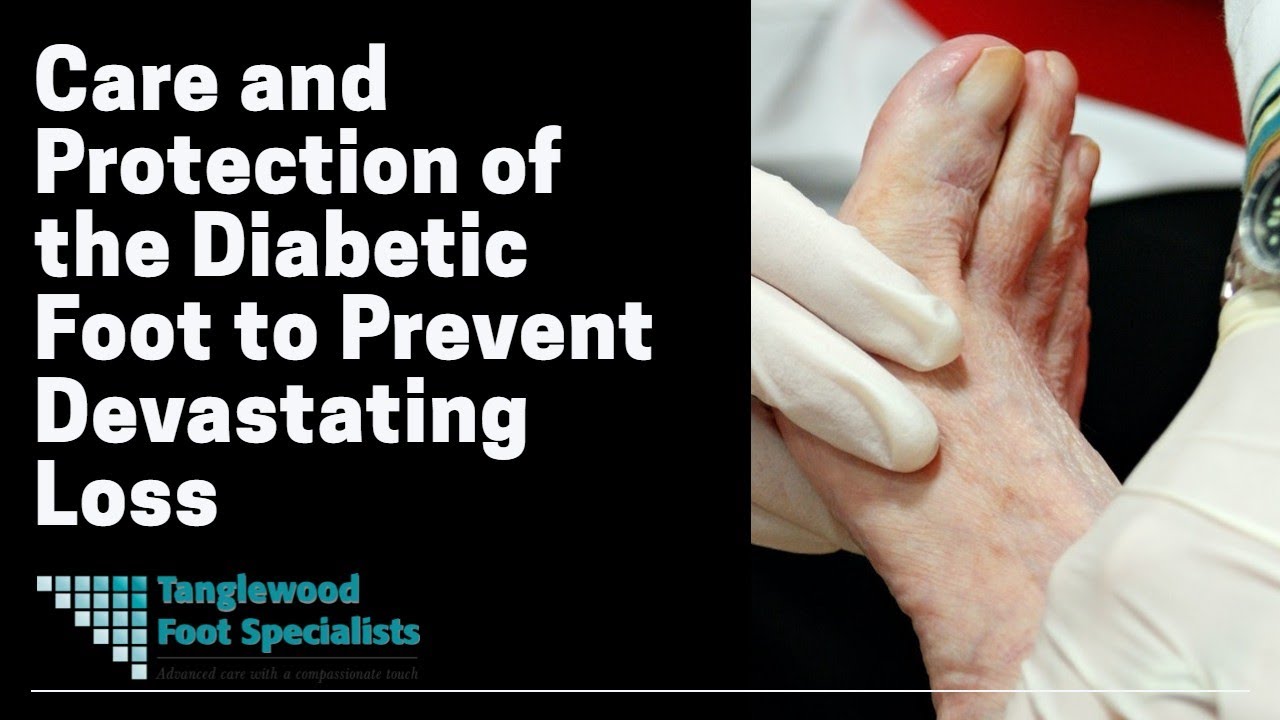
What Most People Don't Realize About Diabetic Foot Care
You've probably heard a hundred times: "Check your feet daily." But nobody tells you how to check them, what you're looking for, or why those checks matter beyond some vague warning about complications.
 Here's what's actually happening. Diabetes attacks your feet in two ways simultaneously. First, there's peripheral neuropathy—nerve damage that cuts the phone lines between your feet and your brain. Think of it like a faulty thermostat. The temperature might be dangerously high, but the sensor's telling you everything's fine.
Second, high blood sugar damages your blood vessels over time, reducing circulation to your feet. Poor blood flow means injuries heal slowly—or don't heal at all.
Here's the part that shocked me when I first saw the research: every point your A1C rises above normal doesn't just slow healing a little—it reduces your healing ability by 10 times.3 Not 10 percent. Ten times.
When tissue is chronically injured, it gets stuck in what we call a failed healing response. It's like having a construction crew that started a job but never finished it. The site sits there, incomplete and vulnerable, getting worse instead of better.
That's what happened to LaVar Ball. A small problem his numb foot didn't report. Blood sugar levels that prevented proper healing. And time—time that turned a preventable issue into an amputation.
The Five Warning Signs Every Houston Diabetic Must Know
In my Houston practice, I've treated thousands of diabetic patients. The patients who do best aren't the ones with perfect blood sugar control. They're the ones who know what to look for and catch problems early.
Warning Sign #1: Numbness or Loss of Sensation
This is usually the first sign of peripheral neuropathy. Here's a simple self-test: take a cotton ball and lightly brush it across the bottom of your foot, between your toes, around your heel. Can you feel it clearly? Now do the same thing on your arm. If there's a noticeable difference, that's early neuropathy.4
Once your natural alarm system is broken, you can't rely on pain to warn you about problems. This is why daily visual checks become absolutely critical.
Warning Sign #2: Skin Color or Temperature Changes
Your feet should be roughly the same color and temperature as each other. Any difference lasting more than 30 minutes after you remove your shoes is a red flag.
Here's the protocol I teach all my Houston patients: check your feet every evening after sitting for at least 10 minutes. For lighter skin, look for redness that doesn't fade. For darker skin, watch for areas that become noticeably darker. Feel both feet with the back of your hand—one warmer than the other can indicate infection or early Charcot foot.
Warning Sign #3: Changes in Foot Shape
Stand in front of a mirror and really look at both feet. Are they the same shape? Is one arch flatter than the other? Are your toes starting to curl or claw?
Changes in foot shape create new pressure points. And pressure points combined with neuropathy create wounds. I've seen patients go from normal foot structure to significant deformity in weeks when high blood sugar is combined with continued walking on an injured foot.
Warning Sign #4: Cuts or Blisters That Won't Heal
Here's my two-week rule: any cut, scrape, blister, or open area that hasn't significantly improved within two weeks needs professional evaluation.5 Not in a month. Two weeks.
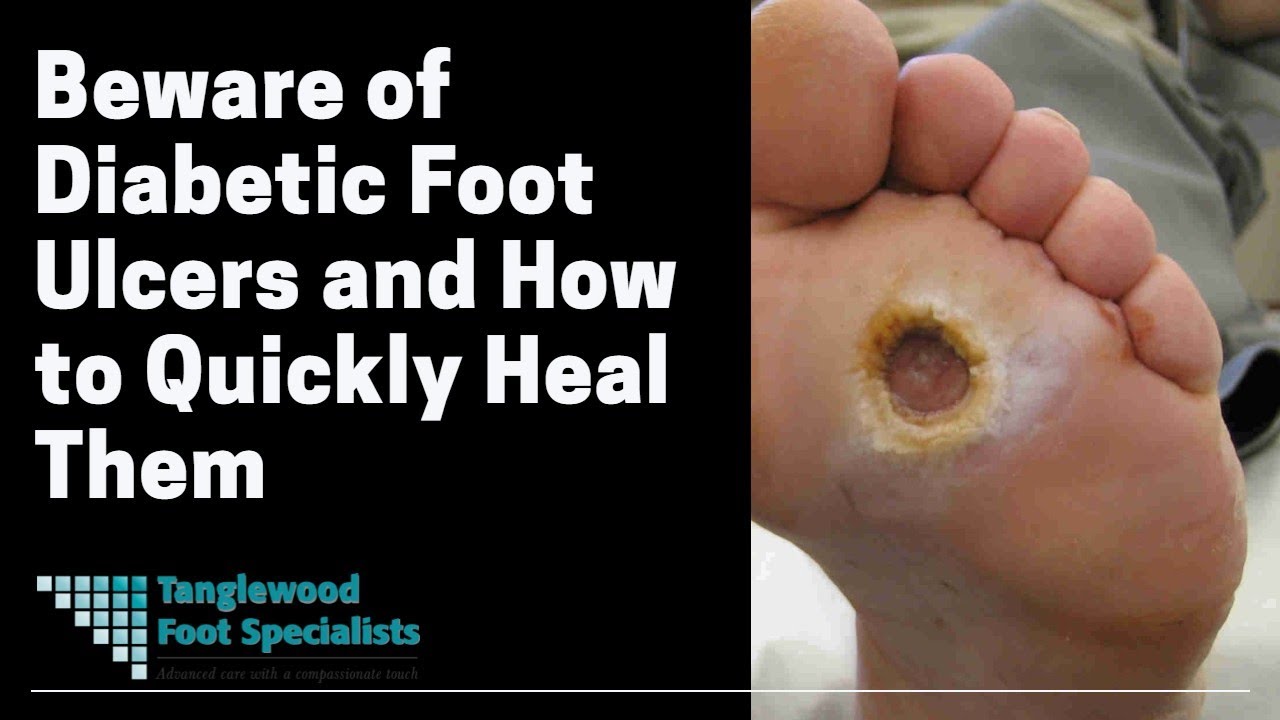
Why? Because diabetic foot ulcers don't get better on their own. Every day that wound sits there, bacteria multiply. Tissue damage spreads deeper. What started as a minor injury becomes a serious infection.
Warning Sign #5: Signs of Infection
With neuropathy, you might not have obvious symptoms like throbbing pain. Instead, watch for:
- Warmth in one specific area (even if there's no visible wound)
- Swelling that comes and goes
- Drainage in your sock you can't explain
- Red streaks moving up from your foot
- Any fever, even a low-grade one
Red streaks or fever means infection is spreading through your bloodstream.6 This is a "go to the emergency room right now" situation.
If you're experiencing any of these warning signs, contact us at 713-785-7881 for an immediate appointment. Early detection makes all the difference.
Your 2-Minute Daily Diabetic Foot Care Routine
Here's the protocol that takes less time than brushing your teeth:
Visual Check (60 Seconds)
 Sit on the edge of your bed or a chair with good lighting. If you can't see the bottoms of your feet, use a mirror on the floor or ask a family member to help.
Check between every toe:
- Cracks in the skin?
- Moisture or whiteness between toes?
- Redness or peeling? (Early signs of athlete's foot)
Check the entire bottom of each foot:
- Any cuts, scrapes, or puncture wounds?
- Blisters forming anywhere?
- Red spots or areas darker than surrounding skin?
Check around toenails:
- Ingrown nails digging into skin?
- Redness or swelling around nail edges?
- Discoloration suggesting fungal infection?
Check for calluses or corns:
- Thick, hardened skin building up?
- These are pressure points—future ulcer sites
Touch Test (30 Seconds)
Use the back of your hand to feel the temperature of both feet. One significantly warmer than the other? That's a problem. Press gently on any areas that look different. Firmness or swelling that wasn't there yesterday? Note it and check again tomorrow.
Moisturize (30 Seconds)
Apply a thin layer of unscented moisturizer to the tops and bottoms of your feet. Skip between your toes—moisture there promotes fungal infections. In Houston's humidity, you might need less moisturizer in summer months.
That's it. Two minutes. Do this every evening before bed, and you've dramatically reduced your risk of serious complications.
Understanding Peripheral Neuropathy
Peripheral neuropathy is nerve damage that affects your feet and legs. In diabetes, high blood sugar damages the nerves over time. These nerves carry messages from your feet to your brain about pain, temperature, and touch.
When those nerves stop working properly, it's like cutting the phone lines between your feet and your brain. Your foot might be injured, but the message never reaches your brain to tell you something's wrong.
Here's what makes this so dangerous: pain is your body's alarm system. It's supposed to tell you "Stop walking on that, you're making it worse!" Without that alarm, you keep walking on injuries you don't know you have.
In my Houston practice, I've treated thousands of diabetic patients, and neuropathy is almost universal once someone's had diabetes for more than a decade.9 Most patients don't even realize it's developing because it happens so gradually. First, you lose the ability to feel light touches. Then temperature changes. Eventually, even significant pain doesn't register.
This is exactly why your daily visual checks become so critical. You've lost your body's natural warning system, so you need to create a new one. Your eyes become your alarm system. Two minutes of looking at your feet every evening becomes the difference between catching a small problem and facing a serious complication.
Why Do Diabetic Feet Heal So Slowly?
This is the question I hear most often from frustrated patients. You've got a small cut that won't close. A blister that's been there for weeks. You're watching it like a hawk, changing bandages, keeping it clean—but nothing's happening.
Here's what's actually going on inside your body. High blood sugar acts like sandpaper on the inside of your blood vessels.7 Over time, it damages the walls of those tiny capillaries that deliver oxygen and nutrients to your feet. Less blood flow means less oxygen. Less oxygen means your cells can't produce the energy they need to build new tissue and fight infection.
But it gets worse. Those white blood cells that normally rush to a wound to fight bacteria? High glucose levels slow them down.8 They can't move as quickly through damaged blood vessels, and when they finally arrive, they don't work as efficiently. It's like sending a fire department to a burning building but their hoses only produce a trickle of water.
This is why even small injuries become serious problems. Your body started trying to heal the wound, but the healing process stalled out. Like a construction crew that began a project but ran out of materials and supervision. The site sits there, incomplete and vulnerable, getting worse instead of better.
What You Should NEVER Put on Diabetic Feet
This might save your foot. Seriously. These common treatments cause more harm than good:
Never Use Hydrogen Peroxide
Yes, it bubbles and looks like it's working. But it's destroying the healthy cells your body needs to heal. The effervescence you see? That's your tissue being damaged.
Never Use Rubbing Alcohol
Too harsh for diabetic skin. It causes dryness and tissue death, delaying healing and increasing infection risk.
Never Use Bleach (Not Even Diluted)
Even diluted bleach causes chemical burns on sensitive diabetic skin. Stay away entirely.
Never Use OTC Corn or Callus Removers
These contain acids that can create chemical burns you won't feel until serious damage is done. If you have a corn or callus, come see me. I can remove it safely with sterile instruments.
Safe alternatives: Mild unscented soap, clean water, and proper bandaging. That's it.
When Home Care Isn't Enough: Treatment Options
Between "wait and see" and surgery, there's a whole world of treatment options most doctors never mention. In most medical offices, doctors think medicate or operate. But what if there's a third option?
Conservative Care Foundations
 Sometimes prevention is as simple as proper footwear. Shop for shoes in the afternoon when your feet are slightly swollen. You want a thumb's width between your longest toe and the shoe's end. Medicare covers one pair of diabetic shoes per year with a prescription.
Never walk barefoot. Not even at home. Not for those few steps from bed to bathroom at 2 AM. That's when accidents happen.
Custom Orthotics
Think of custom orthotics like eyeglasses for your feet. While I'm wearing my glasses, I can see. Custom orthotics compensate for your foot mechanics while you're wearing them—redistributing pressure away from high-risk areas. Often covered by insurance when you have a diabetic diagnosis.
Professional Wound Care
If you've developed an ulcer, professional care becomes critical. We start with proper debridement—removing dead tissue with sterile instruments to expose healthy tissue underneath. This isn't something you can do at home safely.
Then we assess the wound and create a treatment plan. That might include specialized dressings, pressure offloading with a walking boot or total contact cast, and addressing any infection with appropriate medications.
Advanced Treatments
Skin substitutes are bioengineered products that give your body the scaffolding it needs to rebuild tissue. Think of them as temporary structures that guide your body's healing process.
The research is compelling. Standard wound care has about a 70-80% success rate. With skin substitutes, that jumps to 85-95%.10 That's a significant improvement for wounds that weren't responding to conventional treatment.
There's a 4-week rule: if a diabetic ulcer hasn't reduced by at least 50% after four weeks of standard care, chances of healing with conventional treatments alone drop significantly. That's when skin substitutes make the biggest difference.
Medicare does cover approved skin substitutes when specific criteria are met. Unfortunately, most private insurance companies and some Medicare Advantage plans do not.
Proper Offloading
Here's something most people don't understand: every step you take puts your full body weight directly on that wound. Imagine trying to heal a cut on your hand while punching a wall 10,000 times a day. That's what you're asking your foot to do.
Proper offloading—taking pressure off the wound—can improve healing by 40-50% compared to standard treatment alone.11 A total contact cast is the gold standard, completely eliminating pressure on the wound site. A CAM boot is a removable alternative that works almost as well if you're disciplined about wearing it.
When Surgery Becomes Necessary
Sometimes surgery addresses the underlying problem causing repeated ulcers. If you've got a bunion creating a pressure point, bunion surgery eliminates that pressure. Hammertoes pressing against shoe tops? Straightening them surgically removes the source of trauma.
Look, I know that foot surgery sounds scary. But these are often straightforward procedures done on an outpatient basis. Recovery typically involves wearing a surgical boot for 6-8 weeks, but you can usually walk from day one—no crutches required.
Most diabetic patients never need surgery for wound treatment. The vast majority of complications can be prevented with proper daily care and early detection.
Want to know what's right for your situation? Call 713-785-7881 to schedule your evaluation.
What to Expect in My Houston Office
I find that people are reluctant to make an appointment because they're afraid they'll need surgery. Let me put your mind at ease: the vast majority of diabetic foot problems can be managed without any surgery.
Your Comprehensive Exam
When you come in, I'll start with a thorough examination that takes 30-45 minutes. This isn't a quick in-and-out visit. We need time to assess everything properly.
 First, I'll check your sensation using a monofilament test—a thin nylon filament I press against different spots on your foot. You tell me when you feel it. This tells me how much nerve function you've retained and where you've lost sensation. I'll also use a tuning fork to test your ability to feel vibration—another early indicator of neuropathy.
Then we'll assess your circulation. I'm checking pulses in your feet, listening with a Doppler device if needed, and sometimes doing what's called an Ankle Brachial Index test. This compares the blood pressure in your ankle to the pressure in your arm. If there's a significant difference, it tells me your circulation is compromised.
Next comes structural evaluation. I'm looking at how your foot is shaped, checking for bunions, hammertoes, or areas where bone is pressing against skin. I'll watch you walk to see your gait pattern. Sometimes the way you walk creates pressure points you don't even realize are there.
Finally, I'll do a thorough skin inspection. If you've got calluses building up, I'll remove them with sterile instruments. Calluses aren't just cosmetic issues—they're warning signs of pressure points that could turn into ulcers.
This entire examination is typically covered by Medicare and most insurance plans as part of your diabetic foot care.
Your Personalized Plan
After the exam, we'll sit down and talk about what I found. I'll explain your risk level—low, moderate, or high—based on circulation, sensation, and foot structure.
Low-risk patients (good sensation and circulation, no deformities) need annual visits at minimum. We'll focus on education and prevention. I'll show you exactly how to check your feet, what to look for, and when to call.
Moderate-risk patients (some neuropathy or circulation issues, minor deformities) need more frequent monitoring—typically every 3-4 months. We might fit you for custom orthotics to redistribute pressure and discuss specific prevention protocols for your situation.
High-risk patients (significant neuropathy, poor circulation, or history of ulcers) need monthly visits. We're watching closely for any early signs of breakdown so we can intervene immediately.
Here's what makes our approach different: this isn't some generic protocol I hand to every diabetic patient. We're creating a plan based on your specific feet, your specific risk factors, and your specific lifestyle. A construction worker on their feet all day needs different recommendations than someone with a desk job.
If We Find a Problem
If you've already got an ulcer when you come in, we'll start treatment that same day. I'll debride any dead tissue, dress the wound properly, and get you into appropriate offloading—whether that's a special boot, a total contact cast, or modified footwear.
We'll discuss treatment options based on severity. If it's a new wound that's clean and shallow, we might start with standard wound care and close monitoring. If it's been there for weeks without improving, we'll talk about skin substitutes or other advanced treatments right away. There's no point waiting another month to see if standard care works when we already know it probably won't.
I'll also coordinate with your primary care doctor or endocrinologist to make sure your blood sugar is optimized. The best wound care in the world can't overcome an A1C of 10. We need to attack the problem from both directions—local wound treatment and systemic blood sugar control.
Most patients start seeing improvement within 2-4 weeks if we've addressed the underlying issues properly. Complete healing can take 6-12 weeks for a simple wound to several months for a serious ulcer. I'll be honest with you about realistic timelines so you know what to expect.
After your initial visit, we'll schedule follow-up appointments based on your needs. If you're being treated for an active wound, you'll likely come in weekly at first. As things improve, we'll space visits out to every 2-3 weeks, then monthly.
You'll have my office number and can call anytime you notice something concerning. If you're not sure whether something needs immediate attention, call anyway. I'd rather look at ten things that turn out to be nothing than miss the one thing that becomes serious because a patient waited.
The Bottom Line: LaVar Ball's Message
Remember LaVar Ball's words after losing his foot: "Get your checkups, do what you're supposed to do." The disease progresses the same way for everyone—slowly, silently, until suddenly it's not slow or silent anymore.
But here's the truth that should give you hope: every 30 seconds, someone loses a limb to diabetes. Yet 95% of those complications are preventable when you catch problems early. You're not powerless here. That 2-minute daily routine? Those regular checkups? That willingness to call when something seems off? Those simple actions are what stand between you and the complications you're worried about.
I won't judge you if you've been putting off your foot care. I see patients every day in my Houston office who wish they'd started sooner. The good news? Starting right now still makes a huge difference. It's not about perfect—it's about consistent.
You can choose to wait and hope nothing happens. Or you can be proactive and make sure nothing happens. Either way, I need to see you so we can assess where you're at right now—your circulation, your sensation, your risk level.
Call our Houston office at 713-785-7881 or request an appointment online. We'll do a comprehensive diabetic foot exam, assess your risk level, and create a prevention plan that fits your life. Don't wait until a small problem becomes a serious one. LaVar Ball wishes he'd known what you know now.