What Is Diabetic Foot Inspection? Why It's More Than Just "Looking at Your Feet"
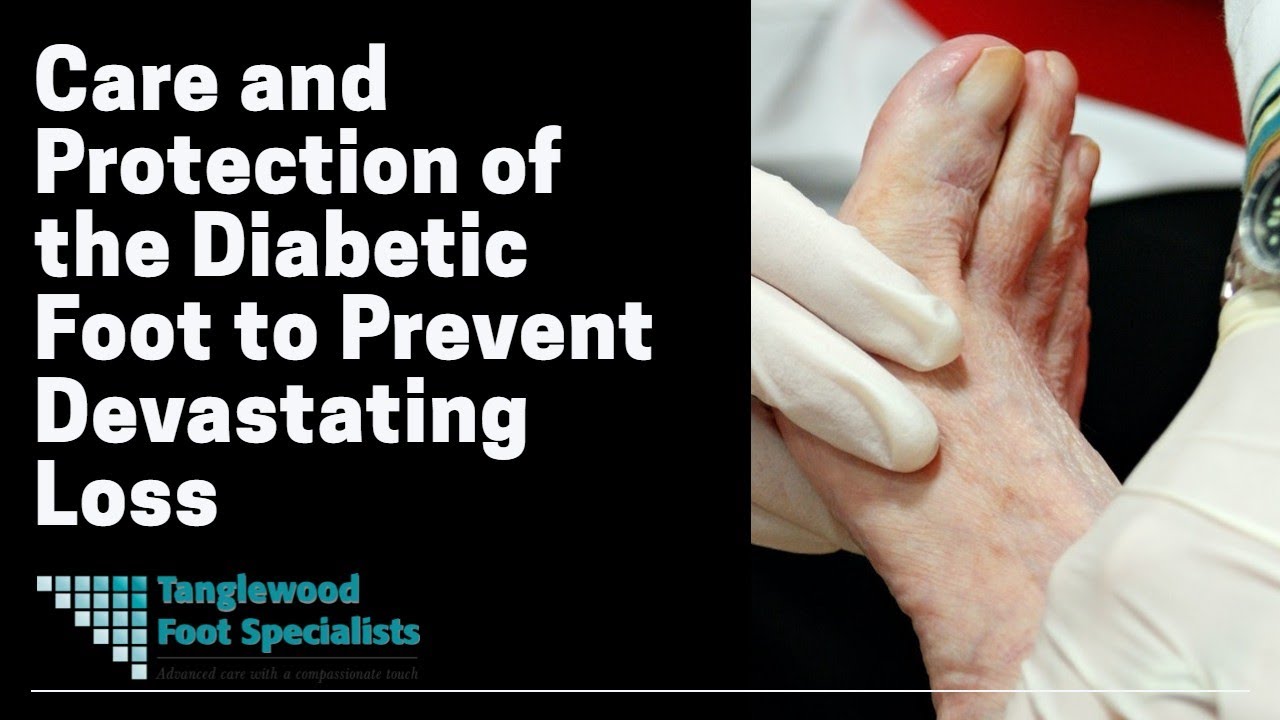
Diabetic foot inspection is a systematic daily check of your feet to catch problems before they become serious. But it's not just about looking—it's about knowing what you're looking for and what each sign means.
 Here's what most people don't realize: diabetic neuropathy doesn't just cause numbness. It removes your body's entire warning system. That pain you'd normally feel from a blister, cut, or developing infection? Gone. Your feet can't tell you when something's wrong anymore.
Think about what happens when someone without diabetes gets new shoes. They feel the rubbing. They notice the hot spot forming. They put on a band-aid before it becomes a blister. You don't get that warning. By the time you notice the blister, it might already be infected.
That's why inspection matters. Your eyes have to do the job your nerves can't. You're looking for visual clues—color changes, breaks in the skin, swelling, anything different from yesterday. And you're doing it systematically, the same way every time, so nothing gets missed.
The statistics back this up. About 85% of diabetic foot complications start with something small that went unnoticed. A tiny blister that became infected. A small cut that wouldn't heal. A bit of redness that seemed like nothing. These problems spiral because they don't hurt, so people don't know they're there.
But that same statistic works in reverse. When you catch these issues early—while they're still small and manageable—about 85% of serious complications can be prevented entirely. That's not a maybe. That's documented in major medical research.1 Early detection literally saves feet.
Why Your Feet Are at Risk: Understanding the Triple Threat
If you have diabetes, you're facing three problems at once. And they work together to create the perfect storm for foot complications.
Problem #1: Nerve Damage (Neuropathy)
High blood sugar damages nerves over time, particularly in your feet and legs. This isn't sudden—it's gradual. You might notice tingling first, then numbness that slowly spreads. Eventually, you lose the protective sensation that warns you about injuries.
Here's what this means practically. You could step on a tack and not feel it. Wear shoes that are too tight for hours and not notice. Develop a blister that opens and still have no idea it's there.
Your feet lose their ability to protect themselves through pain signals.
Diabetic neuropathy starts gradually. You might notice tingling, burning, or the sensation that you're wearing socks when you're barefoot. But if these sensations are progressing—spreading from your toes up your foot, or getting more intense—that's your signal that nerve damage is advancing.
Problem #2: Poor Circulation
 Diabetes also damages blood vessels, reducing blood flow to your feet. Think of blood as your body's delivery system—it brings oxygen, nutrients, and infection-fighting white blood cells to injured tissue.
When circulation is compromised, that small cut that should heal in a few days might take weeks. Or it might not heal at all.
Your immune system can't mount an effective defense because it can't get enough troops to the battlefield. Minor wounds become chronic wounds.
Problem #3: Weakened Immune Response
High blood sugar doesn't just slow down your circulation. It actually weakens your white blood cells. They become less effective at fighting bacteria. This means even when your body does notice an infection, it's bringing a weaker army to fight it.
And here's where it gets dangerous.
These three problems compound each other. You can't feel the injury (neuropathy). The injury won't heal properly (poor circulation). And infections take hold faster and spread more aggressively (weakened immune system).
In our Houston podiatry practice, I see this combination play out constantly. A patient comes in with what looks like a minor wound. When I ask when they first noticed it, they might say "a few days ago" or "maybe a week." But when we examine it closely, the tissue damage suggests it's been there much longer. They just couldn't feel it developing.
That's the triple threat. And it's why systematic daily inspection becomes your first line of defense. You're compensating for what your body can no longer tell you.
The Five Warning Signs You Need to Know
Not every change in your feet is urgent. Some things can wait until your next regular appointment. But five specific warning signs require attention within days—sometimes hours.
Let me walk you through what to look for.
Warning Sign #1: Numbness That's Getting Worse
Diabetic neuropathy starts gradually. You might notice tingling, burning, or the sensation that you're wearing socks when you're barefoot.
But here's what matters: if these sensations are progressing—spreading from your toes up your foot, or getting more intense—that's your signal that nerve damage is advancing. Early intervention can slow this process. Waiting won't.
The test: Can you feel light touch on your toes? If you're losing sensation in spots where you could feel touch a few months ago, don't wait for your next appointment.
Warning Sign #2: Changes in Skin Color and Temperature
Your feet should be roughly the same color as each other. Same temperature too.
What to watch for:
- Redness that lasts more than 30 minutes after removing shoes
- Purple or blue discoloration, especially in toes
- One foot noticeably warmer than the other
- White or pale spots on otherwise normal skin
Why it matters: Redness can signal inflammation or early infection. Purple or blue suggests circulation problems. Temperature differences often indicate infection brewing beneath the surface.
The trap most people fall into: they notice these changes but assume it's just from standing all day or wearing tight shoes. Sometimes that's true. But with diabetes, you can't afford to guess. If the discoloration lasts more than a day, get it checked.
Warning Sign #3: Changes in Foot Shape
 This one surprises people. They don't expect their feet to change shape. But it happens more often than you'd think.
What you're looking for:
- Toes starting to curl or claw (hammer toe deformity)
- One arch getting flatter than the other
- Bunions appearing or getting worse
- Any swelling that doesn't go away after elevating your feet
Why this matters: These structural changes create new pressure points. And pressure points, combined with numbness, are exactly how ulcers form. In our Houston podiatry practice, I see this pattern constantly—gradual structural changes that patients didn't notice because nothing hurt, followed by ulcers in predictable locations.
Your feet might not hurt during this process. That's the danger. The bones and joints are shifting, creating areas of concentrated pressure that your numb feet can't feel.
Warning Sign #4: Non-Healing Wounds
This is the big one.
Here's the timeline that matters: if any cut, blister, or crack hasn't shown improvement within 48 to 72 hours, don't wait to see what happens.
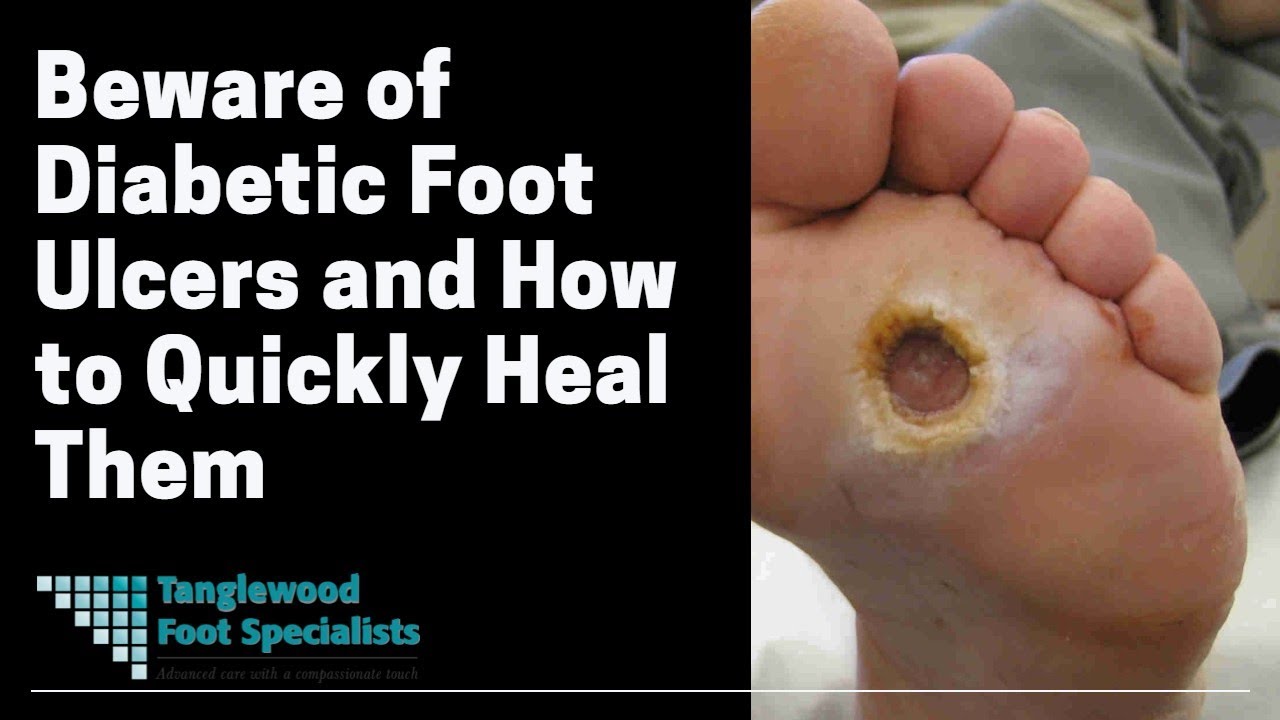
High blood sugar slows healing dramatically. What might heal in days for someone else could take weeks or months for a diabetic—or might not heal at all without intervention.
Even a paper-cut-sized wound can become serious when healing stalls.
What qualifies as "not improving":
- Still bleeding or oozing after 48 hours
- Getting larger instead of smaller
- Edges not starting to close
- Surrounding skin getting redder instead of returning to normal
Warning Sign #5: Subtle Signs of Infection
The tricky part about diabetic foot infections: they don't always announce themselves with obvious symptoms.
You might not have fever. The wound might not be dramatically red or swollen. But look for:
- Warmth in one specific area when the rest of your foot is cool
- Slight swelling that comes and goes
- Any drainage from a wound, even if it seems minor
- Foul odor from your foot or shoe
- Red streaks extending from a wound
These subtle signs often precede serious infection by just a few days. Catching them at this stage—before the infection has taken hold—makes treatment faster and more effective.
Your 2-Minute Evening Inspection Routine
Now let's get practical. Here's exactly how to check your feet in a way that actually catches problems.
The Setup (15 seconds)
Find a spot with good lighting. Sit in a chair where you can comfortably bring your foot up to inspect it. Have a hand mirror nearby—you'll need it for the bottom of your feet.
If you can't see the bottom of your feet easily, ask a family member to help. This isn't about pride. It's about catching problems before they become serious.
The Routine (2 minutes total)
Step 1: Check Between Your Toes (20 seconds)
Separate each toe and look at the skin between them. This is where moisture gets trapped, creating prime conditions for fungal infections and skin breakdown.
Look for:
- Redness
- Peeling skin
- Cracks or cuts
- White, soggy-looking skin (means too much moisture)
Step 2: Examine Your Toenails (20 seconds)
Check each toenail for:
- Discoloration (yellow, brown, or white patches can indicate fungus)
- Thickness or distortion
- Ingrown edges
- Signs of infection around the nail
Step 3: Inspect Your Soles (30 seconds)
Use your mirror or ask someone to check. Look at:
- The ball of your foot
- Your heel
- Your arch
Look for:
- Cuts or cracks
- Calluses or corns (thick patches of skin)
- Red spots or discoloration
- Blisters
- Any breaks in the skin
Step 4: Check the Tops and Sides (20 seconds)
Examine the top of your foot and both sides for:
- Cuts or scratches
- Bruises
- Swelling
- Bumps or lumps that weren't there before
Step 5: Feel for Temperature Differences (20 seconds)
Run your hands over both feet. Does one spot feel warmer than the surrounding area? Does one foot feel warmer than the other?
Temperature differences can indicate inflammation or infection that isn't visible yet.
Step 6: Check Your Shoes (10 seconds)
Before putting shoes on each day, run your hand inside them. Feel for:
- Pebbles or debris
- Rough spots or torn lining
- Anything that could rub or create pressure
If you wear the same shoes every day, check for matching patterns—like redness or calluses that line up with where your shoes rub. These pressure patterns might indicate you need custom orthotics to redistribute weight more evenly.
What to Write Down
Keep a simple log. You don't need elaborate notes—just date and any changes you notice. This creates a timeline that helps your podiatrist understand how quickly things are changing.
Note things like:
- "Small blister on right heel - first noticed 10/15"
- "Redness between toes cleared up after three days"
- "New callus forming on ball of left foot"
This documentation becomes invaluable if something needs treatment. Instead of trying to remember when something started, you have exact dates.
What to Do When You Find Something
Finding a problem doesn't mean panic. It means taking appropriate action based on what you're seeing.
Here's your action guide.
Go to the ER Immediately If You See:
🚨 Red streaks spreading from a wound up your foot or leg
🚨 A wound that's suddenly black and smelly (possible gangrene)
🚨 High fever (over 101°F) with any foot wound
🚨 Severe swelling that appeared suddenly
🚨 Unable to put any weight on your foot
These are signs of serious infection or compromised circulation. Don't wait. Get emergency medical attention now.
Call Us Within 24 Hours For:
- Any wound that hasn't improved in 48-72 hours
- New numbness or tingling that's spreading
- A foot that's noticeably warmer than the other
- Drainage from any wound
- Persistent redness lasting more than a day
- A nail that looks infected
These aren't emergencies, but they need professional evaluation soon. Contact us for an appointment.
Handle at Home (But Monitor Closely):
- Minor calluses or corns
- Very small blisters that aren't open
- Dry, cracked skin without breaks
- Mild redness that resolves within hours
For these issues:
- Clean gently with mild soap and water
- Apply moisturizer (but not between toes)
- Cover any breaks in skin with a clean bandage
- Check again tomorrow to confirm it's improving
Look, the key is knowing that with diabetes, small problems become big problems faster than you'd expect. When in doubt, call us.
[MID-ARTICLE CTA BOX]
If this sounds like you, contact us for an immediate appointment at 713-785-7881
Houston Podiatrist's Complete Diabetic Foot Prevention Approach
When you come in for a diabetic foot exam, I'm looking at five levels of risk—and creating a prevention plan that addresses each one.
Level 1: Nerve Function Assessment
First, I test how much sensation you have in different areas of your feet. This tells me how vulnerable you are to unnoticed injuries.
The test involves a monofilament (a thin nylon fiber) that I press against specific points on your feet. If you can't feel the pressure in certain spots, we know exactly where you're at risk. It takes less than five minutes, but it gives us crucial information about your protective sensation.
Level 2: Circulation Check
Next, I assess blood flow to your feet. I'm checking:
- Pulses in your feet and ankles
- Skin temperature and color
- How quickly blood returns when I press on your nail beds
- Capillary refill time
Poor circulation means wounds heal slowly—or don't heal at all. If I find circulation issues, we address them before problems develop. Sometimes that means medication adjustments with your primary doctor. Sometimes it means specialized treatments to improve blood flow.
Level 3: Footwear and Lifestyle Modifications
Sometimes, that's as simple as getting you into better shoes. You'd be surprised how many diabetic foot problems start with footwear that doesn't fit properly or provide adequate protection.
I'm looking for shoes with:
- Plenty of room in the toe box (no squeezing)
- Cushioning that protects pressure points
- Support that prevents your foot from sliding around inside
- Smooth interior with no seams that can rub
And here's something most people don't know: your feet can change size and shape as you get older, especially with diabetes. Those shoes that fit perfectly five years ago? They might not fit well anymore. If you're wearing shoes that are too tight or too loose, you're creating pressure points and friction areas where problems develop.
For some of you, shoe modifications are enough. Combined with your daily inspection routine and good blood sugar control, proper footwear prevents most complications. But not everyone.
Level 4: Structural Assessment and Custom Orthotics
I examine your foot mechanics—how you walk, how weight distributes across your feet, where pressure concentrates.
 This is where many diabetic foot problems actually start. High-pressure areas create calluses. Those calluses keep building up. Eventually, the tissue underneath breaks down. And suddenly, you have an ulcer.
Based on what I find during your exam, we might recommend custom orthotics to redistribute pressure away from high-risk areas. These aren't the generic inserts you buy at the drugstore. They're precisely molded to your feet, designed to offload specific pressure points that we've identified in your gait analysis.
Think of custom orthotics like prescription eyeglasses for your feet. They compensate for your specific biomechanical issues. And for diabetic patients, that compensation can literally prevent ulcers from forming.
The process is straightforward. We take a 3D scan or foam impression of your feet. I mark the exact areas that need pressure relief. The lab creates orthotics that redistribute weight away from those vulnerable spots. You wear them in your shoes every day, and they protect you from the mechanical forces that cause breakdown.
Level 5: Advanced Wound Care and Regenerative Medicine
For wounds that aren't healing after four weeks of standard care, we have advanced wound care options.
Here's the reality: if a diabetic ulcer hasn't reduced in size by at least 50% after four weeks of conventional treatment, the chances of it healing with basic care alone drop significantly.4 That's when we need to bring in the advanced tools.
Skin substitutes—bioengineered products that act like scaffolding for your body's healing process—increase healing rates from 70-80% to 85-95%.3 These products contain growth factors and structural elements that give your body what it needs to complete the healing process.
Think of it like this: your body's trying to build a bridge across the wound. With diabetes, it keeps running out of materials before the bridge is complete. Skin substitutes provide the materials and the framework. They give your body the support it needs to finish the job.
We also use specialized dressings that maintain the ideal moisture balance, medical-grade honey for its antibacterial properties, and negative pressure wound therapy for deeper wounds. Each tool has its place, and I select based on what your specific wound needs.
What's exciting is that these advanced treatments work. Wounds that patients thought would never heal—wounds they'd been dealing with for months—close completely.
It takes time. It takes commitment to offloading (keeping weight off the wound). But it works.
Level 6: Addressing Existing Wounds
If you already have a wound, callus, or area of concern, I evaluate:
- How long it's been there
- Whether it's improving, stable, or worsening
- What's causing or maintaining the problem
- Whether infection is present or developing
For calluses, we debride (carefully remove) the thickened tissue. This isn't just cosmetic—thick calluses create pressure underneath that can lead to tissue breakdown. Regular professional debridement, combined with pressure redistribution through orthotics, often prevents ulcers from ever forming.
For open wounds, we start with thorough cleaning and appropriate dressings. I assess whether antibiotics are needed. And critically, we identify and eliminate the source of pressure or trauma that caused the wound in the first place. You can't heal a wound if you keep injuring it in the same spot every day.
Level 7: When Surgery Becomes Necessary
Look, I know that any talk of surgery sounds scary. But here's the truth: with the prevention and early intervention we've discussed, over 90% of my diabetic patients never need surgery for foot complications.
The other 10%? Usually these are cases where structural problems—bone deformities, severe hammertoes, bunions creating constant pressure—make it impossible to keep ulcers from forming. Or situations where infection has reached the bone and won't clear with antibiotics alone.
When surgery is necessary, it's usually one of these procedures:
Bone resection for chronic ulcers: We remove the small piece of bone that's creating pressure underneath. Once the bone is gone, the pressure point disappears, and the wound can finally heal. Most patients are walking in a surgical boot immediately after, with full weight-bearing allowed.
Hammertoe correction to prevent ulcers: When toes are severely contracted, they create pressure points against shoes and against the ground. Releasing the tendons and realigning the bones eliminates these pressure points permanently.
Partial foot amputation for severe infection: This is always a last resort, but sometimes it's the life-saving choice. When infection reaches the bone and won't respond to antibiotics, removing the infected portion prevents the infection from spreading up the leg. The goal is always to save as much of the foot as possible while eliminating the infection.
Here's what I want you to understand: modern diabetic foot surgery is minimally invasive. Small incisions. Often walking the same day or next day. Healing times measured in weeks, not months. And most importantly, these procedures work. They eliminate the mechanical problems that caused ulcers in the first place, allowing patients to finally heal and stay healed.
The key is not waiting until problems are catastrophic. Early surgical intervention—when it's needed—prevents more extensive surgery later.
Level 8: Education and Ongoing Prevention
This is where you come in. Based on your specific risk factors, I teach you:
- Exactly what to watch for in your daily inspections
- Which shoes will protect you best
- How to handle minor issues at home
- When to call immediately versus when to monitor
- What your specific pressure points are and how to protect them
You're not in this alone. My job is to assess your risk and give you the tools to manage it. Your job is to use those tools consistently—the daily inspections, the proper footwear, the custom orthotics if we've prescribed them, maintaining good blood sugar control.
Together, we keep you out of that 10% who need surgery. We keep you in the 85% who prevent serious complications through early intervention.
Not sure what level of prevention you need? Schedule an evaluation and we'll assess your specific risk factors. Call us at 713-785-7881 or request your appointment online.
What to Expect When You Come to Our Houston Office
When you come in to our Houston office for your diabetic foot exam, here's exactly what happens.
 I'll start with your medical history—not just your diabetes, but any other conditions that affect healing. Kidney disease, heart disease, or existing neuropathy all matter. I want to know your A1C levels, what medications you're taking, and whether you've had any foot problems in the past. If you've had ulcers before, I need to know where they were and how long they took to heal.
Then comes the physical exam. I'll check sensation using the monofilament test I mentioned earlier—pressing that thin nylon fiber against specific points on your feet to map out where you still have protective sensation and where you don't. I'll check your pulses at the ankles and on top of your feet. I'll look at your skin temperature and color. I'll examine your gait, watching how you walk and where pressure concentrates when your foot hits the ground.
If you have any existing wounds, calluses, or areas of concern, I'll examine those closely. How deep is it? Is there infection present? What's causing it? Is bone involved?
These aren't just curiosities—the answers determine treatment.
I'll also look at your current shoes. Are they protecting your feet or contributing to problems? You'd be surprised how often I find that shoes are either too tight, too loose, or completely worn out in ways that create pressure points.
This isn't a rushed appointment. A proper diabetic foot exam takes time because I'm not just looking at your feet today—I'm assessing your risk for problems in the future. We're building a prevention plan that's specific to you, based on your actual risk factors, not some generic checklist.
Based on what I find, we'll create your prevention plan together. Maybe that's as simple as better shoes and continuing your daily checks. Maybe we need custom orthotics to redistribute pressure. Maybe there's an existing wound that needs specialized treatment. Maybe we discover you're at high risk and need more frequent monitoring.
Either way, you'll leave knowing exactly what to do next. You'll know what your specific risk factors are. You'll know what warning signs to watch for that are most relevant to your feet. And you'll have a clear plan for staying out of trouble. Schedule your appointment today.
Making It a Habit That Actually Sticks
Look, the best prevention routine is the one you'll actually do. Here's how to make this habit automatic.
Anchor It to Something You Already Do
Don't try to remember to check your feet randomly. Link it to something in your existing routine.
Best anchors:
- Right after you take off your shoes for the evening
- During your nightly routine before bed
- While sitting in your favorite chair watching TV
The key is consistency. Same time, same place, every day.
Make It Easy
Set up your inspection spot with everything you need:
- Good lighting
- Comfortable chair
- Hand mirror within reach
- Your log notebook and pen
The less friction, the more likely you'll stick with it.
Get Family Involved
If you have trouble seeing the bottom of your feet, ask your spouse or adult child to help. Make it part of your routine together.
This isn't about being dependent. It's about being smart. Two sets of eyes are better than one, especially when catching problems early can prevent serious complications.
Use Your Phone
Set a daily reminder. Not just "check feet," but "2-minute foot check - remember to look between toes."
Specific reminders work better than vague ones.
Track Your Streak
Mark off each day you complete your inspection. There's something satisfying about seeing an unbroken chain of check marks. You won't want to break the streak.