What Makes Diabetic Feet Different?
Diabetes changes your feet in two critical ways: nerve damage (peripheral neuropathy) reduces sensation so you can't feel injuries, and poor circulation (peripheral artery disease) slows healing so minor injuries become major problems. This combination means a tiny cut or blister you don't notice can progress to a serious infection within days—making daily foot care essential for preventing complications.
Think of it this way: your feet normally have a built-in alarm system. When you step on something sharp or your shoe rubs a blister, pain tells you to stop and address the problem. But high blood sugar over time damages the nerves in your feet, like cutting the wires to a smoke detector. The danger is still there—you just can't detect it anymore.
At the same time, diabetes narrows and hardens your blood vessels. This means less blood flow to your feet, which is like having a construction crew that can't get to the job site. Even if your body knows there's damage that needs repair, it can't deliver the materials and workers necessary to fix it. So that small blister you didn't feel? It won't heal the way it should, and bacteria that normally wouldn't cause problems suddenly have an opportunity to take hold.
That's why diabetic foot care isn't about being paranoid. It's about replacing the alarm system that diabetes broke with conscious daily awareness. You're doing manually what your nerves used to do automatically.
Why Diabetes Affects Your Feet (The Root Causes)
Here's what most people don't realize: there's no "safe" threshold when it comes to blood sugar and foot complications. Even A1Cs in the 7.5-8% range (considered "fairly well controlled") still cause nerve damage over time.
The problem is persistently elevated blood sugar "pickles" your nerves and blood vessels. Imagine dipping your hand in sugar water and letting it dry—everything gets sticky and gunked up. That's happening microscopically in your blood vessels and nerve fibers. Research shows that every 1% drop in your A1C reduces neuropathy risk by 25-30%, which tells you how directly blood sugar control affects your feet.
But it's not just about glucose levels. Your foot structure can change over time, too. Diabetes can cause your muscles and tendons to tighten unevenly, leading to hammertoes, high arches, and bunions that create new pressure points. These structural changes mean certain areas of your foot bear more weight than they should, which leads to calluses and potentially ulcers underneath them.
Add to that the fact that diabetes impairs your sweat glands (causing dry, cracked skin) and weakens your immune system (making infections more likely to take hold), and you can see why foot problems develop so easily. If you smoke, you're compounding the vascular narrowing even further—cutting off what little blood flow remains.
The biggest misconception I hear is, "My blood sugar isn't that bad, so I don't need to worry about my feet yet." But by the time you notice numbness or tingling, nerve damage is already established. That's why foot care starts the day you're diagnosed with diabetes, not when symptoms appear.
The Daily Foot Care Routine That Actually Works
Let me be honest: I could give you a 15-step foot care routine that's "perfect," but you wouldn't do it. Nobody would.
So instead, here's the streamlined version that my most successful patients actually stick with—the non-negotiables that make the biggest difference.
1. Daily Visual Inspection (2 minutes)
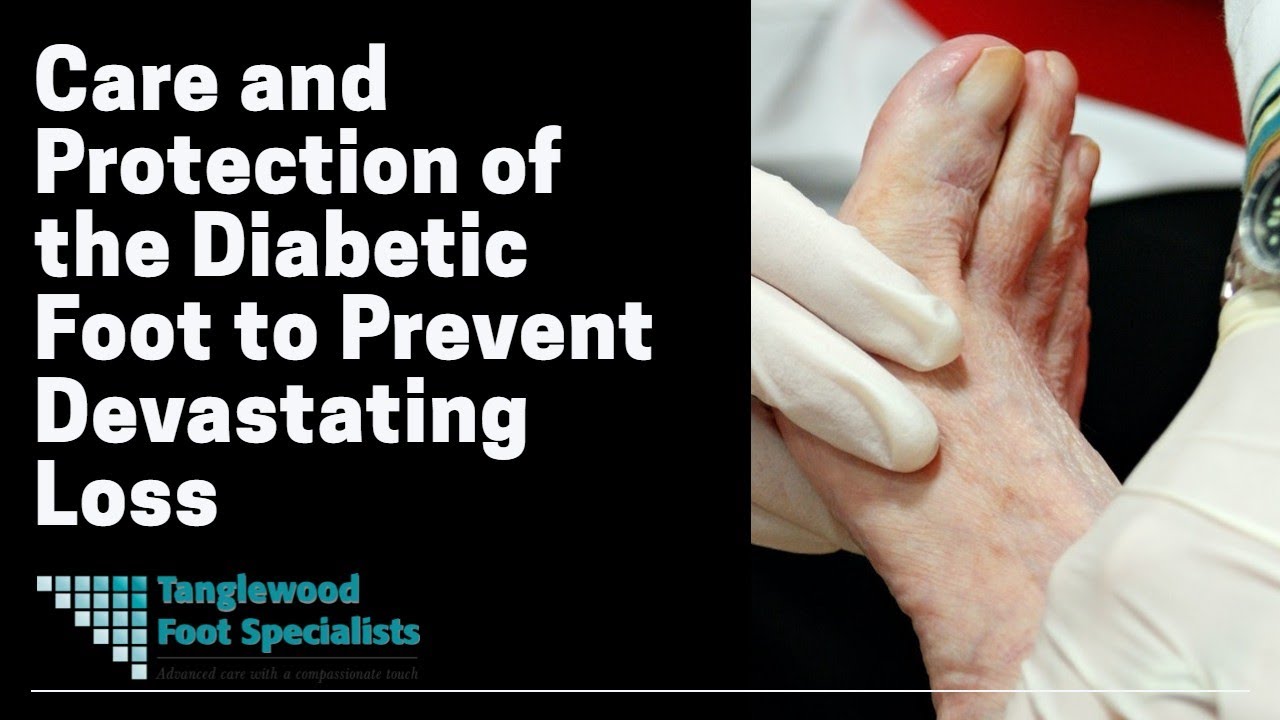
 Check your feet at the same time every day—either during your morning shower or at bedtime. Look at the tops, bottoms, sides, between your toes, and your heels. You're looking for anything new: redness, cuts, blisters, swelling, discoloration, or cracks.
Can't see the bottoms of your feet? Use a mirror, your phone camera, or ask your partner to check for you.
The goal is to catch problems at the "huh, that's new" stage, not the "oh no, it's infected" stage.
2. Wash and Dry Properly (3 minutes)
Don't soak your feet—soaking makes skin waterlogged and crack-prone, plus it strips away natural oils. A quick wash with mild soap and warm water (test the temperature with your elbow) is all you need.
Here's the most important part: pat your feet dry, don't rub. And pay special attention between your toes. About 60% of fungal infections start in those warm, moist spaces between toes that people forget to dry thoroughly.
3. Moisturize Correctly (1 minute)
Apply lotion to the tops and bottoms of your feet, but not between your toes. Moisture between toes creates a paradise for fungus. I typically recommend CeraVe Diabetics' Dry Skin Relief or Gold Bond Ultimate.
The timing matters: apply moisturizer within five minutes of drying your feet to lock in moisture while your skin is still slightly damp.
4. Protective Footwear Always (Zero extra time—just habit)
Never go barefoot, even inside your house. House slippers with non-skid soles are the minimum. You'd be amazed at the injuries I see from dropped forks, Lego pieces, and hardwood splinters—all preventable with simple footwear.
This is especially critical in Houston during summer. Your garage floor after your car's been parked, your driveway while getting the mail, even your patio—these surfaces can reach 130-140°F in July. With neuropathy, you can get second-degree burns and not realize it until you see the blisters later.
5. Proper Footwear Outside (Ongoing)
Closed-toe shoes with socks, always. No flip-flops, sandals, or open-toed anything. Your shoes need seamless interiors (so nothing rubs), room in the toe box, and cushioned soles. And before you put them on each time, shake them out and do a hand check for objects inside.
Notice what I didn't include? Complicated nail trimming protocols (let us handle that), daily compression exercises (nice if you remember, but not critical), or elaborate foot massage routines (again, nice but optional). I'd rather you do these five things consistently than attempt 15 things and burn out after a week.
What Most Diabetics Get Wrong About Foot Care
After treating thousands of diabetic foot patients here in Houston, I've noticed the same misconceptions come up again and again. Let's clear up the most common ones, because these mistakes are the difference between healthy feet and serious complications.
Myth #1: "Soaking is good for diabetic feet"
 Nope. Soaking strips natural oils from your skin and creates a breeding ground for fungus between your toes. I know it feels therapeutic, and yes, it's old advice about Epsom salts that's been passed down for generations. But for diabetic feet specifically, soaking does more harm than good.
Stick with a quick wash and thorough drying instead.
Myth #2: "If I can't feel pain, my feet are fine"
Wrong. When you have neuropathy, no feeling means your alarm system is broken. I've had patients walk into my office with nails embedded in their feet, severe infections, even fractures—zero pain.
The absence of pain is not reassurance. It is the warning sign itself.
Myth #3: "Diabetic shoes are a scam/just expensive regular shoes"
This one's dangerous. Diabetic shoes are medical-grade devices with seamless interiors, extra depth, and engineered soles that redistribute pressure. Medicare covers these because they prevent amputations—studies show 70-80% reduction in ulcer formation with proper diabetic footwear. Insurance companies don't fund scams. I get that $150-200 feels expensive compared to $30 Walmart shoes, but you're comparing a medical device to casual footwear.
Myth #4: "I'll deal with problems when I notice them"
By the time you notice, you're already behind. A small red spot today can become a blister tomorrow and an infected ulcer next week. The goal is catching things at the "easily fixable" stage, not the "emergency room" stage.
Warning Signs You Shouldn't Ignore
Most diabetic foot problems give you early warning signs—if you know what to look for. Here's what I tell my patients: if you see any of these, call our office that day. Don't "watch it for a few days." Don't "see if it gets better." Call.
🚨 Immediate attention needed (same-day appointment or ER):
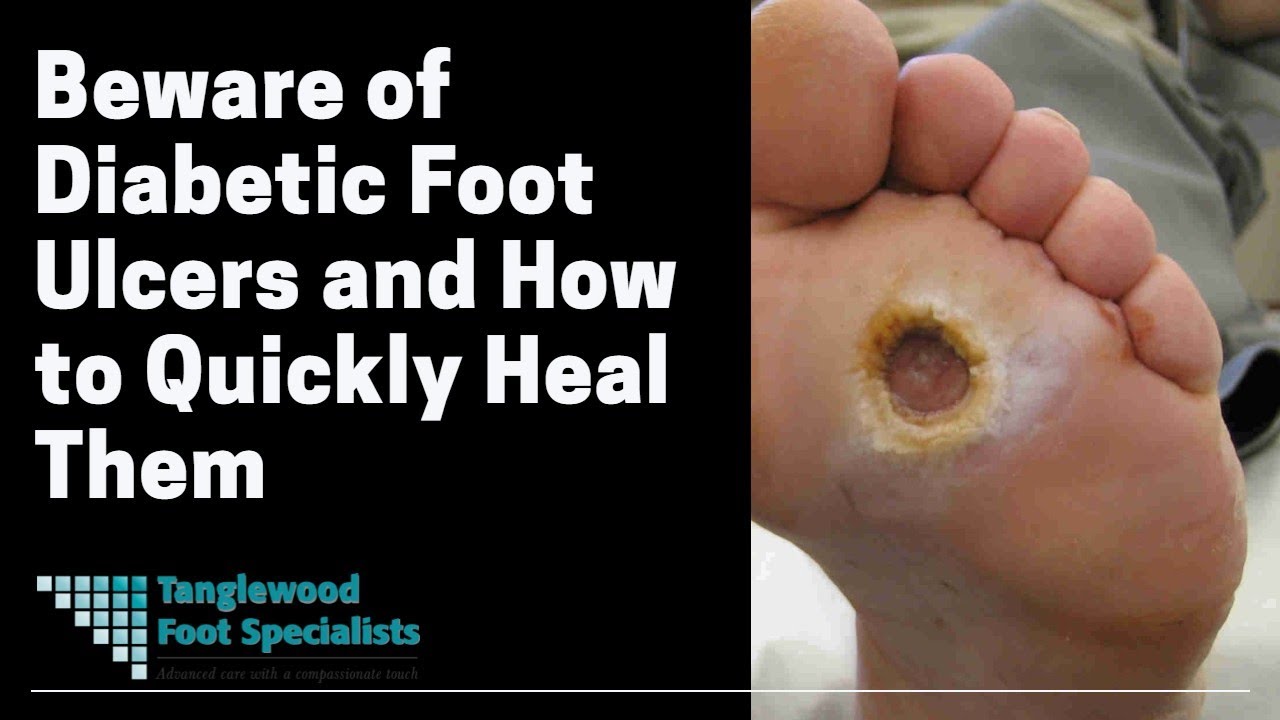
- Any open wound or sore (no matter how small)
- Redness that doesn't blanch (stays red when pressed = inflammation)
- Swelling in one foot but not the other (possible early Charcot foot)
- One foot noticeably warmer than the other (same concern)
- Drainage or pus from any area
- Red streaks extending up from foot toward leg (spreading infection)
- Foul odor from feet (infected wound hiding under callus)
- Black or darkened tissue anywhere on foot (potential gangrene—ER immediately)
- Fever with any foot symptoms (systemic infection)
Schedule appointment within a week:
- New calluses or thickened skin in pressure areas
- Changes in foot shape (arch flattening, toes curling)
- Thick, yellowed, or discolored toenails (fungal infection)
- Persistent dry, cracked skin that lotion doesn't help
- New numbness or tingling (or worsening existing neuropathy)
- Pain in feet when walking (even with neuropathy—new pain means something changed)
Look, I'd rather see you for a 5-minute checkup that turns out to be nothing than see you in the ER three days later with a massive infection. Either way, I need to see you when something doesn't look right. Call our office at 713-785-7881 if you're experiencing any of these warning signs.
How a Houston Podiatrist Treats Diabetic Foot Problems
Here's my approach: we start with the simplest, least invasive option that has a reasonable chance of working, and we escalate only when necessary. That might sound obvious, but you would be surprised how many patients come to me after being told their only options are "live with it" or "surgery."
For most diabetic foot problems, there's a whole spectrum of treatment between those extremes—what I call The Third Option.
The key is matching the treatment to the problem. A red pressure spot needs different care than a full-thickness ulcer. Early neuropathy needs different management than advanced Charcot foot. That's why when you come in, I will start with a comprehensive exam to understand exactly what we are dealing with, then build a treatment plan specific to your situation.
Level 1: Lifestyle Changes
Sometimes prevention really is the best medicine. Getting your A1C below 7% is the single most important thing you can do—research shows that every 1% drop reduces your neuropathy risk by 25-30%. It takes 3-6 months before nerve symptoms stabilize, but the improvement is real.
Beyond blood sugar control, the fundamentals matter: never going barefoot, checking your feet daily at the same time, wearing proper footwear, and checking inside your shoes before putting them on. If you smoke, quitting improves blood flow to your feet within 2-3 weeks, and your amputation risk drops 50% after one year.
Studies show that patients who follow a strict prevention protocol reduce their ulcer risk by 70-80% over five years. That's not a small difference—that's the difference between healthy feet and potentially losing your independence.
When to escalate: If you are developing redness, blisters, or calluses despite careful habits, we need to move to Level 3 and address what is happening mechanically with your feet.
Level 2: At-Home Care
For some of you, better daily routines are enough to keep your feet healthy. Test your bath water with your elbow (never exceed 92°F), wash for 2-3 minutes without soaking, and pat dry—especially between those toes.
For toenails, cut straight across after bathing when they're softer, file any rough edges, and never cut down into the corners. But here's the thing: if you can't see well, can't reach comfortably, or have thick nails, don't attempt this yourself. Let us handle it. A small mistake can lead to an ingrown nail or infection that takes months to resolve.
What works: Making foot care part of your existing routine. Set a phone alarm. Keep your supplies accessible. Do your foot check while your coffee brews or during your evening routine.
What doesn't work: "I'll check when I remember," waiting for pain signals that won't come because of neuropathy, or spot-checking only when you think something's wrong.
The limitation: At-home care maintains healthy skin, but it can't fix structural problems or reverse advanced neuropathy. If pressure points are developing or wounds are forming, you need professional intervention.
Level 3: Conservative In-Office
Diabetic Foot Screening: This is where we establish your baseline. I'll use a monofilament test to check sensation, assess your pulses and blood flow with Doppler, inspect your skin integrity, and evaluate your foot structure. If you have no neuropathy, we will see you annually. Mild neuropathy means every six months. Previous ulcer or Charcot? Every three months.
Custom Diabetic Shoes + Orthotics: These aren't regular shoes with a markup. They have extra depth (5/16"-1/2"), seamless interiors, wider toe boxes, and rigid rocker soles engineered to redistribute pressure away from problem areas. Medicare covers three pairs of custom orthotics plus one pair of shoes yearly, plus two additional shoe pairs if needed.
The research on this is solid: 70-80% reduction in new ulcers and 60% reduction in amputation risk over five years. If you are insured, you will pay a $0-50 copay. Uninsured, expect $400-600. The fitting takes about an hour, fabrication takes 2-3 weeks, then we will have you come back for a follow-up fitting to make sure everything is perfect.
Callus Debridement: Every 6-8 weeks, I'll use a surgical blade to remove thickened skin layer by layer. It's painless and takes 5-10 minutes. This alone reduces ulcer formation by 75% when combined with proper footwear. If you're insured, it's usually covered. Uninsured patients pay $75-150 per visit.
Toenail Debridement + Fungal Treatment: For thick, fungal nails, we'll grind them down and apply antifungal lacquer monthly. Severe cases might need oral Lamisil. Full nail regrowth takes 6-12 months. Success rates: topical treatments work 15-30% of the time, oral medications 50-70%, and combination therapy 70-85% achieve significant improvement.
Offloading for Hot Spots: If we catch a red pressure area early, we can often prevent it from becoming an ulcer by taking pressure off that spot. Felt padding, a CAM boot, a forefoot relief shoe, or crutches for 2-4 weeks usually does the trick. Success rate: 80-90% resolution if caught early and you're compliant with wearing the offloading device.
Level 4: Advanced Regenerative (THE THIRD OPTION)
What's exciting is that we now have advanced treatments that, in many cases, make surgery unnecessary. When you have an ulcer that's been present for 4+ weeks despite good conservative care, recurrent ulcers, severe neuropathy pain, or pre-Charcot changes, these regenerative medicine therapies can be game-changers.
Here's what we offer.
PRP (Platelet-Rich Plasma) Therapy: We draw your blood, spin it in a centrifuge, and inject concentrated growth factors into and around the wound edges. I call it "liquid gold" because that's what it looks like—and what it's worth for healing.
Why this works for diabetics: Your body knows how to heal wounds, but diabetes prevents it from producing and delivering enough growth factors to the site. PRP is like air-dropping supplies when the roads are blocked. We typically do 3-5 injections, 1-2 weeks apart, prepping the wound with debridement first. Each treatment takes 10-15 minutes.
Timeline: By week 2, you will see pink granulation tissue starting to form. Week 4-6, the wound should be 40-60% smaller. Weeks 8-12, we are looking at complete closure in successful cases. Success rates: 75-80% significant improvement, 60-65% complete closure. For wounds that have failed 3+ months of standard care, PRP heals them 400% faster.
Best candidates: Wounds under 2cm that have been present less than 6 months. Cost: $800-1,200 per treatment, not typically covered by insurance. But compare that to a hospital admission for IV antibiotics ($15,000+), amputation surgery ($20-50,000), or ongoing wound care ($500/month indefinitely).
BPC-157 Peptide Therapy: This is a synthetic peptide that accelerates wound healing through different pathways than PRP. It increases VEGF (which creates new blood vessels), modulates inflammation, and even protects nerves.
We inject it subcutaneously near the wound site—not directly in—either daily or every other day for 4-6 weeks. It combines beautifully with PRP. Within 1-2 weeks, you'll see reduced inflammation. Weeks 3-4, new tissue growth becomes visible. By weeks 6-8, we're seeing significant closure.
Success: 70%+ improvement in wounds that failed standard care, and 50-60% reduction in neuropathic pain. Cost: $400-600 for a 4-6 week course. Note that BPC-157 isn't FDA-approved specifically for diabetic wounds—we prescribe it off-label based on strong clinical evidence.
Remy Class IV Laser Therapy (K-Laser): This high-powered laser penetrates 2-3 inches deep into tissue, stimulating  cellular energy production and reducing inflammation. For diabetics, I use it for three things: neuropathy pain, wound healing, and pre-ulcerative calluses.
The protocol: 5-10 minutes per area, 2-3 times per week for 3 weeks, then weekly maintenance. Most patients complete 9-12 treatments. It is completely painless—you will just feel gentle warmth.
For neuropathy pain, 40-50% of patients get relief after 3-4 treatments, with maximum benefit at 8-10 treatments. For wound healing, laser increases blood flow by 200-300% and accelerates healing by 30-40% when combined with offloading. For pre-ulcerative lesions, we typically see inflammation reduction in 2-3 weeks.
Overall success: 60-70% significant neuropathy pain relief, 82% accelerated wound healing when combined with proper offloading, and 55-65% improvement in sensation or reduction in burning/tingling sensations. Cost: $75-125 per treatment, or $900-1,200 for a 12-treatment package.
Shockwave Therapy: When you have rock-hard calluses, chronic wounds with unhealthy wound beds, or areas with poor circulation, shockwave therapy breaks up calcified tissue, stimulates new blood vessel formation, and triggers your body's healing cascade.
High-energy acoustic waves, 10-15 minutes per session, weekly for 3-6 weeks. I will not lie—there is moderate discomfort, like rubber band snaps. You may see bruising afterward, which is actually normal and desired. Success: 85-90% improvement in chronic callus tissue quality, and 70-75% show new granulation tissue forming in chronic wounds. Cost: $200-350 per treatment, typically 3-6 treatments needed.
Combined Protocol (The Kitchen Sink Approach): For wounds that have been present for 6+ months, failed multiple treatments, or are putting you at high amputation risk, we throw everything at it simultaneously.
Week 1-2: Aggressive debridement plus shockwave to prep the wound bed. Week 3-6: Weekly PRP, daily BPC-157, laser three times per week, and strict offloading. Week 7+: Maintenance laser and continued offloading until closure.
This is not cheap—$4,000-6,000 for a full 3-month course. But compare that to amputation surgery ($20-50,000), prosthetic fitting ($5-15,000), and lifetime costs that can exceed $500,000. Our limb salvage rate with this combined approach: 80-85% for wounds previously deemed "non-healable."
When to escalate to Level 5: If you've completed 3 months of Level 4 treatment with no improvement, if MRI shows bone infection (osteomyelitis), if you have Charcot with unstable joints requiring fusion, if gangrene is present, or if structural deformity keeps causing recurrent ulcers no matter what we do.
Level 5: Surgery (When Necessary)
Look, I know foot surgery sounds scary. But here's the truth: 95% of diabetic foot complications never require surgery if caught early. And when surgery IS needed, modern techniques mean much better outcomes than 10-20 years ago. We're not talking about major amputations—we're usually talking about removing a small infected bone segment, straightening a toe, or stabilizing a collapsing arch. Most of my surgical patients wish they'd done it sooner because they're finally pain-free and ulcer-free for the first time in years.
Surgical Debridement + Wound VAC: When you have a deep infection not responding to IV antibiotics, an abscess hiding under callus, spreading cellulitis, or exposed bone or tendon, we need to operate. In the surgical suite (with local, regional, or general anesthesia), I'll remove all infected and dead tissue, take culture samples, place antibiotic beads, and apply a wound VAC—a foam dressing with suction that gets changed every 3 days.
Recovery: Week 1 involves daily or every-other-day checks with IV antibiotics (via PICC line or at an infusion center). Weeks 2-3, we continue the wound VAC twice weekly and transition to oral antibiotics. Weeks 4-6, we discontinue the VAC once the wound is clean and switch to advanced dressings. Months 2-3, you'll gradually return to normal footwear, with continued offloading for 4-8 weeks.
Success rate: 85-90% limb salvage when we catch it before extensive bone infection. Cost: $8,000-15,000, usually covered by insurance.
Partial Toe Amputation: Gangrene in toes means the tissue is dead and unsalvageable. Bone infection that hasn't responded to 6 weeks of IV antibiotics. Recurrent hammertoe ulcers failing all other treatments. These are the situations where removing one or more toes becomes necessary.
Here's what patients worry about: "Will I be able to walk?" Yes. You can walk normally without 2-3 toes. Humans don't actually need all five for balance or propulsion. Losing a toe is infinitely better than losing your foot or leg. And once that infected or gangrenous tissue is gone, the rest of your foot can finally heal.
The procedure is outpatient or 23-hour observation. We remove the affected toe(s) plus a healthy margin. Sometimes we leave it open to heal from the inside out; other times we close with stitches if there's healthy tissue. Week 1: non-weight-bearing or CAM boot with crutches, daily checks. Weeks 2-3: gradually increase weight in a surgical shoe. Weeks 4-6: transition to diabetic shoe with custom orthotic. Months 2-3: full weight-bearing, minimal restrictions, back to regular activities.
Success: 95%+ healing rate, 85-90% return to full ambulation. About 10-15% develop new ulcers on adjacent areas from pressure changes—which is why custom orthotics afterward are critical. Cost: $5,000-10,000, covered by insurance.
Hammertoe Correction: If you have a hammertoe causing recurrent ulcers on the tip or between toes, or a rigid hammertoe creating pain and shoe-fitting problems, we can straighten it surgically. The procedure (arthroplasty or arthrodesis) involves removing part of the toe joint or fusing it straight. We place a small pin through the toe for 4-6 weeks, which I remove in the office later. It's outpatient, 45-60 minutes.
Recovery: Weeks 1-2 in a surgical shoe with your foot elevated. Weeks 3-6 with the pin in place, gradually increasing walking. Week 6-8, I remove the pin in the office—takes 30 seconds and causes minimal discomfort—then you transition to diabetic shoes. Months 2-4, full healing with your toe straight and no pressure points.
Success: 90-95% elimination of recurrent ulcers, 85-90% patient satisfaction. About 5-10% develop stiffness or swelling that takes 6-12 months to fully resolve. Cost: $3,000-6,000 per toe, typically covered.
Charcot Foot Reconstruction: This is major surgery, I won't sugarcoat it. But Charcot foot left untreated means a lifetime of recurrent ulcers, infections, and eventual amputation. Reconstruction gives you a stable, plantigrade (flat to ground) foot that can wear shoes and bear weight safely. Most patients say the recovery was tough but worth it to get their life back.
We often stage it—first surgery to clean infected or dead bone, second surgery 6-12 weeks later to fuse and stabilize. We might use an external fixator (metal frame with pins) or internal plates and screws. Hospital stay 1-3 days, surgery 3-4 hours.
Recovery is long: Months 1-3, completely non-weight-bearing (wheelchair or knee scooter), with pin site care if you have an external fixator. Months 4-6, gradual weight-bearing in a CAM boot with physical therapy for gait training. Months 6-9, transition to custom diabetic shoe with rigid rocker-bottom sole. Months 9-12, full weight-bearing and return to most activities.
Long-term, you'll always need custom shoes and orthotics, but your foot will be stable and functional. Success: 85-90% achieve a stable, ulcer-free foot at 2 years. About 10-15% require revision surgery, and 5-10% ultimately need amputation despite our best efforts due to uncontrolled infection or continued bone destruction. Cost: $25,000-45,000 for full reconstruction, covered by insurance.
Below-Knee Amputation (BKA) - Last Resort: Sometimes amputation isn't failure—it's the pathway to getting your life back. If you've been dealing with chronic wounds, infections, hospitalizations, and inability to walk for 1-2 years, a below-knee amputation with a modern prosthetic can mean you're walking pain-free again in 3-4 months.
I have patients who waited too long, trying to save a foot that was never going to be functional, who finally had amputation and said "I wish I'd done this a year ago." This happens when there's extensive infection involving multiple bones and joints that can't be controlled, a gangrenous foot with no salvageable tissue, or when a patient chooses amputation over multiple surgeries and lengthy recovery.
Below-knee preserves your knee joint, which is critical for function. Surgery takes 2-3 hours, hospital stay 3-5 days, with careful shaping of the residual limb for prosthetic fitting.
Recovery: Weeks 1-2 in the hospital and immediate post-op with pain management and wound healing. Weeks 3-6, wound healing continues with compression wrapping to shape the limb and management of phantom limb sensations. Weeks 6-12, prosthetic fitting and training with PT 3-5 times per week. Months 3-6, increasing prosthetic wear time with gait training and return to daily activities. Months 6-12, full-time prosthetic use with minimal restrictions.
Success: 85-90% achieve independent ambulation with a prosthetic. More than 90% report improved quality of life compared to pre-amputation (if they were dealing with chronic wounds and infections). Five-year survival is 50-70%—mortality is related to underlying diabetes and vascular disease, not the amputation itself. Cost: $20,000-40,000 for surgery, $5,000-15,000 for initial prosthetic, $1,000-2,000 annually for maintenance, all covered by Medicare and insurance.
The bottom line: whatever stage you're at, we have treatment options. I don't give up on feet, and you shouldn't either.
Not sure which treatment level you need? Schedule your diabetic foot exam and we'll figure it out together.
What to Expect at Your Diabetic Foot Appointment
I know medical appointments can feel intimidating, especially when you're worried about what I might find. So let me  walk you through exactly what happens when you come in for a diabetic foot exam—no surprises.
When you come in, I will start by asking about your diabetes history: How long have you had it? What is your latest A1C? What medications are you on? Have you noticed any changes in sensation or any foot problems? This conversation helps me understand your risk level and what we need to watch for most carefully.
Then we will move to the physical exam. I will have you take off your shoes and socks and examine your feet visually—looking at skin condition, nail health, structural issues, and any areas of concern. Then I will test your sensation using the monofilament tool. It feels like gentle pressure, nothing painful. I will check the pulses in your feet and ankles to assess circulation. If I see any calluses, wounds, or problem areas, I will examine those more closely and may take measurements or photos for tracking purposes.
The entire exam takes 15-20 minutes. If we find something that needs addressing—a callus that needs debriding, a wound that needs treatment, a nail that needs attention—we can usually handle it right then and there. You will not need to schedule another appointment just to start treatment.
Once I know what we are dealing with, I will explain what I found, what it means, and what our options are. I am not going to push you into aggressive treatment if simple solutions will work. But I am also not going to downplay something serious. We'll make a plan together based on what is best for your feet and what fits your life.
For preventive visits, you'll probably see me every 6-12 months depending on your risk factors. If you're dealing with active problems, you might see me weekly or every other week until things are healed. The goal is catching things early so we're not seeing each other constantly.
How to Protect Your Feet Long-Term
Diabetic foot care is not a one-time fix—it is an ongoing partnership between you and your healthcare team. Here's how to set yourself up for success over the long haul.
Every three months, do a more thorough evaluation than your daily checks. Take photos of your feet from multiple angles and compare them to previous photos. Are your arches flatter? Are your toes curling more? Any new calluses developing? This helps you catch slow-progressing changes that you might miss day-to-day. Bring these photos to your podiatry appointments—they're incredibly helpful for tracking changes over time.
Even if your feet look perfect and you're doing everything right, see a podiatrist annually for a comprehensive diabetic foot exam. Think of it like getting your car's oil changed—prevention is cheaper and easier than repair. Insurance covers this as preventive care for diabetics. If you have any risk factors—previous ulcers, neuropathy, poor circulation, foot deformities—you should be seen every 3-6 months instead.
Everything else we've discussed—the daily checks, the proper footwear, the professional care—all of it becomes exponentially more effective when your blood sugar is well-controlled. Every percentage point you drop your A1C reduces your complication risk by 25-30%. Work closely with your endocrinologist or primary care doctor to optimize your diabetes management. If you're not seeing an endocrinologist and your A1C is over 8%, ask your doctor for a referral.
The hardest part is not knowing what to do—it is doing it consistently for years. My most successful patients tie foot care to existing habits: checking feet while teeth brushing, applying lotion as part of their post-shower routine, laying out tomorrow's socks and shoes the night before. Find what works for you and make it automatic.
And remember: I am here when you need me. Yearly checkups when things are going well, urgent appointments when something looks off. You are not bothering me—this is literally what I am here for.