Why Diabetic Feet Need Moisturizer More Than Anyone Else's
Diabetic feet develop a specific kind of chronic dry skin called diabetic xerosis — and it has nothing to do with  the weather. It happens because high blood sugar gradually damages the nerves that control your skin's sweat and oil glands. When those nerves stop working properly, your feet lose their built-in moisturizing system. Not temporarily. Structurally. The medical term for this nerve damage is autonomic neuropathy — "autonomic" because these are the same nerves that run your body's automatic systems, including the ones that keep your skin hydrated. Research confirms that autonomic neuropathy causes measurable reduction in sweat gland function in people with diabetes, directly contributing to skin barrier breakdown.<sup>1</sup>
Here's what most people don't realize: your feet have their own built-in moisturizing system. Sweat glands and sebaceous glands work together to maintain your skin's protective barrier. When diabetic peripheral neuropathy damages the autonomic nerves feeding those glands, a condition called anhidrosis sets in — your feet essentially stop sweating and stop producing oil. Think of it like a faulty thermostat. Your skin is sending a distress signal, but the nervous system can no longer receive it. The thermostat is broken, so the room keeps drying out no matter what you do.
And then circulation makes it worse. Diabetes also damages blood vessels, which reduces blood flow to your feet. Healthy skin constantly regenerates — old cells slough off, new ones push up. But that process depends on oxygen and nutrients delivered through your bloodstream. When blood flow drops, skin cell turnover slows down. You end up with skin that's not only dry, but thickened, rough, and increasingly unable to repair itself. This is why diabetic xerosis isn't a cosmetic problem. It's the first step in a progression that nobody wants to see where it ends.
The "Diabetic Foot Cream" Myth That's Costing You Money
Walk through any pharmacy and you'll see an entire section dedicated to "diabetic" foot creams — premium packaging, clinical-looking fonts, prices ranging from $20 to $40. I understand why you reach for them. The implication is that something in that formula is specifically engineered for diabetic skin. In most cases, it isn't.
What actually matters isn't the word "diabetic" on the front of the bottle. It's what's listed in the active ingredients. Specifically: urea, glycerin, ceramides, and lactic acid. Those four ingredients are what moisturize, protect, and repair compromised diabetic skin. And you'll find them — often at the same concentrations — in $6 to $18 general-purpose creams like Eucerin, Cetaphil, and CeraVe. I won't judge you for buying the premium products. They're not harmful. But I'd rather you spend that money on something your feet actually need.
Here's the one real exception. Prescription-strength urea at 20% to 42% concentration genuinely does something that standard over-the-counter products can't. At that strength, urea becomes keratolytic — meaning it actually dissolves the thickened outer layer of dead skin so moisture can penetrate deeper tissue. Studies show that urea-based emollients significantly improve skin hydration and barrier function in people with diabetic xerosis compared to standard moisturizers.<sup>2</sup> We stock Gormel Cream (20% urea) and Kera-42 (42% urea) in our office for people whose skin has progressed past what pharmacy products can manage. But that's a clinical decision based on what your skin actually looks like — not something you need to start with off the shelf.
What's Actually in a Good Diabetic Foot Moisturizer
The right diabetic foot moisturizer depends on where your skin is right now. Not where it was six months ago, and not  what the label says it's "for." Here's how I think about it in three tiers.
For light-to-moderate dryness, the goal is replenishing your skin's missing barrier without overwhelming it. Glycerin draws water vapor from the air directly into your skin — it's a humectant, which means it pulls moisture toward it. Ceramides are structural lipids that rebuild the top layer of your skin barrier; CeraVe's MVE technology releases them slowly over time, which is why that brand in particular performs well. Petrolatum (you know it as Vaseline) is what's called an occlusive — it doesn't add moisture, but it seals in what's already there. These ingredients together in a cream like CeraVe Diabetics', Eucerin Original, or Cetaphil run $6 to $18 and outperform most specialty-labeled products at two to three times the price.
When your skin is already thickened, rough, or starting to crack at the heels, you need something that can actually get through the outer layer — that's where urea at 10–20% and lactic acid come in. Think of urea like a key. Regular moisturizer sits at the door. Urea actually unlocks it — dissolving just enough of the hardened surface skin that the hydrating ingredients can reach the tissue underneath. Flexitol Heel Balm, AmLactin, and Gold Bond Rough & Bumpy all work in this tier. They're affordable and effective when the basic creams aren't cutting it anymore.
One thing I want to be clear about: use a cream, not a lotion. This isn't a minor distinction. Lotions are mostly water — they feel good going on and evaporate within an hour, sometimes leaving your skin drier than before. Creams have roughly equal parts oil and water, which means they stay put and actually create a lasting barrier. For diabetic skin that can't produce its own oils, that difference matters every single day. And for established fissures — deep cracks that have broken through the outer skin layer and reached the dermis — I'd refer you to a diabetic foot ulcer evaluation before you continue to self-treat. At that point, we're past moisturizer territory.
What Houston Diabetic Patients Need to Know About Foot Moisturizer — and When to See a Specialist
My goal with every visit is the same: keep your skin intact so we never have to have the wound care conversation. That means being honest about what you can manage at home, what you need help with, and where that line actually is. The good news is that for most people, the earliest levels of this progression are entirely within your control — and they make a real difference.
Level 1 — Foundation: Blood Sugar and Lifestyle
Sometimes the most powerful thing I can tell you has nothing to do with what product you're putting on your feet.
Every A1C point above normal doesn't reduce your healing ability by a small amount — it reduces it by ten times. Not ten percent. Ten times. Research published in The Lancet confirms that glycemic control has a direct and measurable impact on tissue repair capacity — and that relationship starts well before a wound ever forms.<sup>3</sup> Getting your A1C under control isn't just about avoiding complications down the road. It directly determines how well your skin can protect and repair itself right now.
Beyond blood sugar, hydration matters more than most people realize. Drinking half your body weight in ounces of water daily feeds your skin from the inside out — and Houston patients face a particularly tricky environment on top of that. Outside, the summer heat feels like it should keep your skin moist. But your feet are sealed in shoes, and heat accelerates moisture loss faster than outdoor humidity can offset it. Inside, Houston's aggressive air conditioning drops indoor humidity significantly. I tell my patients near the Galleria and Medical Center who spend long hours on hard floors in heavily air-conditioned offices: keep cream at your desk alongside the one at home. And stop walking barefoot — even on your home floors. With neuropathy, you won't feel what you step on, and you won't feel the blister that forms afterward.
Level 2 — At-Home Cream Regimen
For some of you, getting the right cream and applying it correctly will be enough to stabilize your skin and keep it there. The six-step protocol I use with every patient: wash your feet with warm (never hot) water — neuropathy makes it impossible to accurately sense dangerous temperatures, so test the water with your elbow or a thermometer. Pat dry thoroughly, with particular attention between your toes. Apply cream within two to three minutes while your skin is still slightly damp — that's your moisture-lock window, and most people miss it by waiting too long. Cover the tops, bottoms, and heels. Never between the toes — trapped moisture there creates the perfect environment for fungal skin infections between your toes, and that's a complication you don't need. Rub in fully, then put socks on immediately to lock the product against your skin.
A few things to avoid that I see cause real harm. Hot water soaks — people think soaking softens diabetic skin, and it does, but it also strips the oils you're trying to replenish, and reduced circulation means your feet can't handle extended heat exposure. Hydrogen peroxide on any broken skin — it destroys the healing tissue you're trying to protect. Alcohol-based products for the same reason. If you're not seeing measurable improvement in skin texture within two to three weeks of consistent cream use, don't switch products. Come see me, because the issue is likely beyond what any over-the-counter option can fix.
Level 3 — Conservative In-Office Care
When that's not enough, we have tools in the office that go far beyond what a pharmacy shelf offers. Routine diabetic foot care visits ($60) aren't just nail trims — I'm doing professional debridement of thickened, callused skin, inspecting pressure points, checking circulation, and catching early warning signs before they turn into wounds. Most of my patients come in every 8 to 12 weeks, and almost all of them catch something during those visits they wouldn't have noticed at home.
Custom orthotics redistribute pressure away from the areas where your skin is most at risk — the heel, the ball of the foot, the bony prominences where fissures form first. Think of them like prescription eyeglasses. They compensate for your structural reality while you're wearing them. At $700 for a full custom pair, they're an investment — but for someone managing diabetes, the cost of one wound care episode dwarfs that figure significantly. I also dispense prescription-strength urea in-office when OTC products have stopped being sufficient, and I'll counsel you on diabetic footwear — seam placement, toe box width, breathable materials — because what's on your feet all day matters just as much as what you apply at night.
Level 4 — Advanced Regenerative Care: The Third Option
What's exciting is that we now have treatments that reach well beyond what conservative care can do — without surgery, and without waiting for your skin to deteriorate into a wound. This is what I call the Third Option: regenerative medicine that actually stimulates your body to repair and rebuild compromised tissue.
Red light therapy to support skin healing uses specific wavelengths of light to stimulate cellular repair and collagen synthesis at the tissue level. It's particularly valuable when circulation is already compromised. Sessions run $39 each or $180 for a package of six, and most people see visible improvement in skin quality within three to four weeks.
Level 5 — Advanced Wound Care
Look, I know the word "wound care" sounds alarming when you came in asking about moisturizer. But here's what I want you to understand: the distance between dry skin and a diabetic foot ulcer isn't as large as people think — and it isn't inevitable either. According to the American Diabetes Association, approximately 15% of people with diabetes will develop a foot ulcer at some point in their lives.<sup>4</sup> The reason I've laid out every earlier level in such detail is because each one is an off-ramp from a progression you don't want to reach the end of.
If we do get to this point, modern wound care has come a long way. Standard wound care resolves 70 to 80% of cases. With bioengineered skin substitutes — temporary scaffolding that gives your body the biological signals to rebuild healthy tissue — success rates climb to 85 to 95%.<sup>5</sup> But these treatments are far more complex and disruptive than anything in the four levels above them. My job is to make sure we never need to have this conversation. But if we do, I need to see you sooner rather than later — because diabetic ulcers that haven't reduced by at least 50% after four weeks have dramatically lower odds of healing with conventional care alone. If something's not closing, advanced wound care is the right next step, not more waiting.
📞 Ready to figure out exactly what your skin needs? Request an appointment — I'll tell you which products actually match your skin's condition level and what you can stop spending money on. Call us at 713-785-7881.
What Happens When You Come In
When you come in, I'll start by asking about your diabetes management — how long you've had the diagnosis, what your most recent A1C looked like, whether you're experiencing numbness or tingling, and how consistently you've been checking your feet. I'm not asking to judge you. I'm asking because those answers tell me a lot about what your skin is dealing with before I even look at it. Someone with well-controlled blood sugar and mild dryness is a very different picture from someone whose A1C has been running high and who's noticed cracks forming without feeling them.
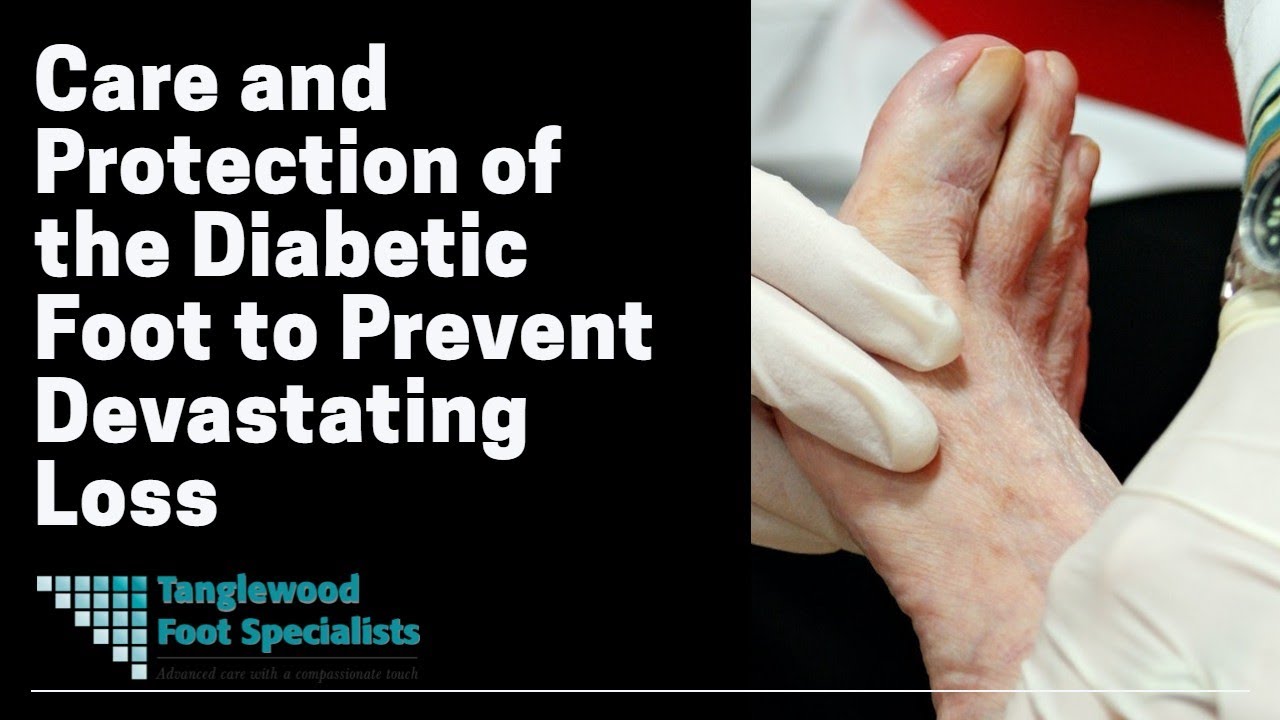
Then I'll do a hands-on examination. I'll check your skin texture and thickness across the entire foot — tops, bottoms, heels, the spaces between toes. I'll assess circulation with a simple pulse check and look at capillary refill in your toes. I'll examine your pressure points and look at the wear pattern on your shoes, which tells me a lot about where your foot is taking the most mechanical stress. If I find early fissures, I'll determine whether they've stayed in the outer skin layer or broken deeper. That one distinction changes everything about what comes next.
After the exam, I'll match you to a specific tier — not a general category, but an exact product recommendation and protocol based on what your skin actually looks like right now. I'll show you the correct application technique, because most people apply cream to fully dry feet rather than damp ones, and that single change makes a measurable difference in how well moisture is retained. If the right cream and correct technique are all you need, you'll see measurable improvement within two to four weeks. If prescription urea is warranted, sometimes faster. I won't judge you — whether you've been moisturizing consistently or haven't started yet. We just figure out where you are and what your skin needs. Then we build from there.
Either way, I need to see you. Schedule your visit and we'll figure out together exactly where your skin is and what it needs to stay healthy.
Long-Term Management — Making Moisturizing a Lifetime Habit
Here's the honest truth about the autonomic neuropathy that caused the dryness in the first place: it doesn't reverse. The nerve damage is permanent, which means the daily moisturizing routine is permanent too. I know that's not what you want to hear. But there's a real upside to building it into your daily routine — every time you apply cream, you're also inspecting your feet. And that inspection is how early wounds get caught before they become serious.
Think of it like blood pressure medication. You don't take it until you feel a problem — you take it every day to prevent the problem. That's exactly the right frame for diabetic foot moisturizing. The CDC estimates that someone loses a limb to diabetes-related complications every 30 seconds worldwide — and the overwhelming majority of those cases began with a wound that was caught too late, or not caught at all.<sup>6</sup> Daily moisturizing keeps you looking. And looking keeps you safe.
Up to 40% of healed ulcers recur within one year — which is why prevention never stops, even after a wound has fully closed. Keep cream near your shower and at your desk. Houston's environment gives you two drying forces working against you simultaneously, and that gap between home and office matters more than most people realize. A comprehensive diabetic foot care plan includes what happens at home every day, not just what happens in my office every few months.