What Is Diabetic Neuropathy? (And Why Your Feet Are Affected First)
Diabetic neuropathy is nerve damage caused by high blood sugar. When glucose levels stay elevated over time, it damages the nerves throughout your body—especially in your feet and legs.
Here's what's actually happening. Your longest nerves run from your spine all the way down to your toes. Think of your nervous system like a garden hose running from your brain to your feet. The farther from the source, the weaker the water pressure. Add diabetes—which damages the blood vessels feeding those nerves—and your toes are the first to suffer.
There are three types of diabetic foot neuropathy that affect your feet. Sensory neuropathy affects your ability to feel pain, temperature, and pressure. Motor neuropathy affects the muscles in your feet, causing weakness and changes in foot shape. Autonomic neuropathy affects automatic functions like sweating, leading to dangerously dry or excessively sweaty skin.
Why does this matter? When you can't feel injuries forming, you won't know you've stepped on something sharp. When your foot muscles weaken, your toes start to curl and create pressure points. When your skin can't regulate moisture properly, it cracks and becomes vulnerable to infection. These aren't just inconveniences—they're the warning signs that predict serious complications requiring specialized diabetic foot care.
Why High Blood Sugar Destroys Your Nerves (The Explanation You've Been Missing)
High blood sugar damages nerves in three ways simultaneously. And understanding this helps explain why getting your A1C under control is so critical.
 First, it destroys the tiny blood vessels that feed oxygen and nutrients to nerve cells. It's like cutting off the water supply to a garden—without proper blood flow, the nerves starve. Second, high glucose levels create inflammatory chemicals that directly attack nerve tissue. This inflammation accelerates the damage. Third, excess sugar forms compounds called AGEs (advanced glycation end products) that accumulate in nerve tissue and prevent normal function.
Here's what most people don't realize: the speed of progression depends almost entirely on your blood sugar control. According to the American Diabetes Association, if your A1C stays above 9%, you can progress from early tingling to significant numbness in just 18-24 months. But here's the hope—if you maintain an A1C around 6.5%, the numbness you have at diagnosis can be the same five years later. It doesn't have to get worse.
And there's something else nobody tells you. Every point your A1C rises above normal doesn't just decrease your healing ability by a small amount—it reduces it by 10 times. Not 10%. 10 times.
So if your A1C's just one point too high, your healing ability's reduced by 1000%. This is why seemingly minor wounds become major problems so quickly in poorly controlled diabetes.
The Biggest Misconception About Diabetic Neuropathy (That Might Be Giving You False Hope)
I wish I could tell you that getting your blood sugar under control will reverse your neuropathy. Most patients come in believing exactly that. And I understand why—it makes sense that fixing the cause should fix the damage.
Here's the reality: tight blood sugar control prevents NEW damage and stabilizes what you have now. But once nerves are damaged, they rarely regenerate completely. Research published in Diabetes Care shows that about 20% of patients with mild neuropathy see some symptom improvement with excellent glucose control—but even then, the underlying nerve damage remains.
So why do some people feel like their neuropathy is getting better? Often, it's because the burning pain decreases when inflammation goes down. That burning sensation is actually a sign that damaged nerves are misfiring. When you control your blood sugar and reduce inflammation, those nerves stop screaming quite so loud. You feel better, but the numbness underneath? That typically stays.
But here's what DOES work—and this is where hope comes in. Stopping progression is absolutely achievable. The tingling you have today doesn't have to become complete numbness. The mild numbness you're experiencing doesn't have to progress to the point where you can't feel anything at all. In our Houston diabetic foot care practice, I've seen thousands of patients maintain stable neuropathy for decades by taking the right steps.
Treatment Options Houston Diabetics Should Know About
Most doctors offer medication or tell you "there's nothing else we can do." In our Houston podiatry practice, we take a different approach. I call it the "third option"—treatments between just taking pills and facing amputation.
The 5-Minute Daily Foot Care Routine
Sometimes, preventing serious complications is as simple as establishing a consistent evening routine. Check your feet every single night before bed. Use your hands to feel for warm spots—if one foot is noticeably warmer than the other, that's a red flag for infection brewing. Look between every toe, check the bottoms of your feet with a mirror, and note anything that looks different from the day before.
Proper footwear matters more than you might think. You need shoes with a wide toe box that doesn't squeeze your toes together, cushioned diabetic-grade soles that absorb impact, and breathable materials—this is especially important with Houston's year-round humidity. Moisture-wicking socks aren't optional when you have neuropathy. Cotton holds moisture against numb skin, creating perfect conditions for fungal infections you won't notice developing.
And here's something specific to Houston: check the pavement temperature with your hand before walking outside in summer. Our concrete gets hot enough to cause second-degree burns (140-160°F), and you won't feel it happening.
What Works at Home (And What Doesn't)
 Wash your feet daily with warm water—test it with your elbow first, not your foot—and mild soap. Dry thoroughly, especially between your toes, then moisturize everywhere except between those toes. Excess moisture there can lead to athlete's foot and other fungal infections.
Some patients ask about over-the-counter supplements. Let me give you my honest assessment. Alpha-lipoic acid at 600mg daily shows about 20-30% symptom improvement for roughly 50% of users in studies. Capsaicin cream works for about 30% of people, but it takes 4-6 weeks and burns initially. These aren't miracle cures, but they're low-risk options worth trying.
What doesn't work? Foot soaking. Feels good temporarily, but it doesn't heal damaged nerves. Worse, when you can't accurately sense water temperature, you risk burns.
Prescription Medications: The Honest Truth
Here's my honest opinion: these medications manage symptoms—they don't heal damaged nerves. If they work for you, great. But they're part of the solution, not the whole solution.
Gabapentin's the most commonly prescribed medication, with a 60-70% response rate. It's inexpensive as a generic now, but side effects include dizziness and drowsiness. Pregabalin (Lyrica) has a slightly better response rate at 70-80% and it's FDA-approved specifically for diabetic neuropathy. It was expensive, but newer generics have helped. Duloxetine (Cymbalta) works for about 65% of patients and also treats depression and anxiety—it takes 4-6 weeks for full effect.
We also use medical foods containing L-methylfolate, methylcobalamin, and alpha-lipoic acid. These address nutritional deficiencies that contribute to nerve damage. About 40-50% of patients notice reduced burning pain after 3-6 months. They're not covered by insurance and cost $60-90 per month, but they're working at a different level than standard medications.
Advanced Regenerative Therapies
What's exciting is that we now have treatments that almost make surgery obsolete for many neuropathy complications.  In our Houston practice, we've seen remarkable results with regenerative medicine approaches.
Remy Class IV laser treatment increases cellular energy production and reduces inflammation at the nerve level. Research on low-level laser therapy shows promising results for neuropathic pain. We typically do 8-10 sessions over 4-5 weeks, each lasting 10-15 minutes. About 60-70% of patients see significant pain reduction. It works best for painful neuropathy—less effective if you already have complete numbness. Not covered by insurance, runs $100-150 per session, so $1,000-1,500 total.
Red light therapy stimulates mitochondrial function in nerve cells. We use 20-minute sessions three times weekly. Research shows 30-40% improvement for mild to moderate neuropathy. You can do this at home with quality units that cost $900 or more, or come to our office for professional-grade treatment at $50-75 per session.
For patients committed to stopping progression, we've developed a combined protocol: medical foods plus Remy laser or red light therapy, plus strict A1C control under 7%, plus daily foot care. About 60-70% report improved quality of life and stabilized progression. It's an investment of $200-400 per month and isn't covered by insurance, but for many patients, it's worth avoiding the alternative.
When Surgery Becomes Necessary
Surgery doesn't treat neuropathy itself—damaged nerves don't get fixed surgically. But we sometimes need surgery for complications that neuropathy causes.
The most common is hammertoe correction. When motor neuropathy causes your toes to curl, they create pressure points that form ulcers. Look, I know that foot surgery sounds scary. But this is a straightforward outpatient procedure. You can walk the same day in a surgical boot, and most patients recover fully within 4-6 weeks. The success rate for preventing recurrent ulcers is 85-90%.
In severe cases where the arch collapses from unnoticed fractures—called Charcot foot—we may need reconstructive surgery. This is major surgery requiring 8-12 weeks of non-weight-bearing and six months or more of recovery. But it's only done when the alternative is amputation.
Here's what you need to understand: amputation is a last resort for infections that won't respond to antibiotics or for gangrene. Every 30 seconds, someone loses a limb to diabetes complications. But here's what those numbers don't tell you—the vast majority of those amputations happened because warning signs were ignored for too long.
If you're experiencing numbness, tingling, burning, or just uncertainty about whether your feet are okay, contact us for an evaluation. The sooner we catch neuropathy, the more treatment options we have. Call 713-785-7881 or request an appointment online.
What to Expect When You Come to See Me
First, I won't judge you for your A1C or how long you've waited to come in. What matters now is figuring out exactly what's happening and creating a plan together.
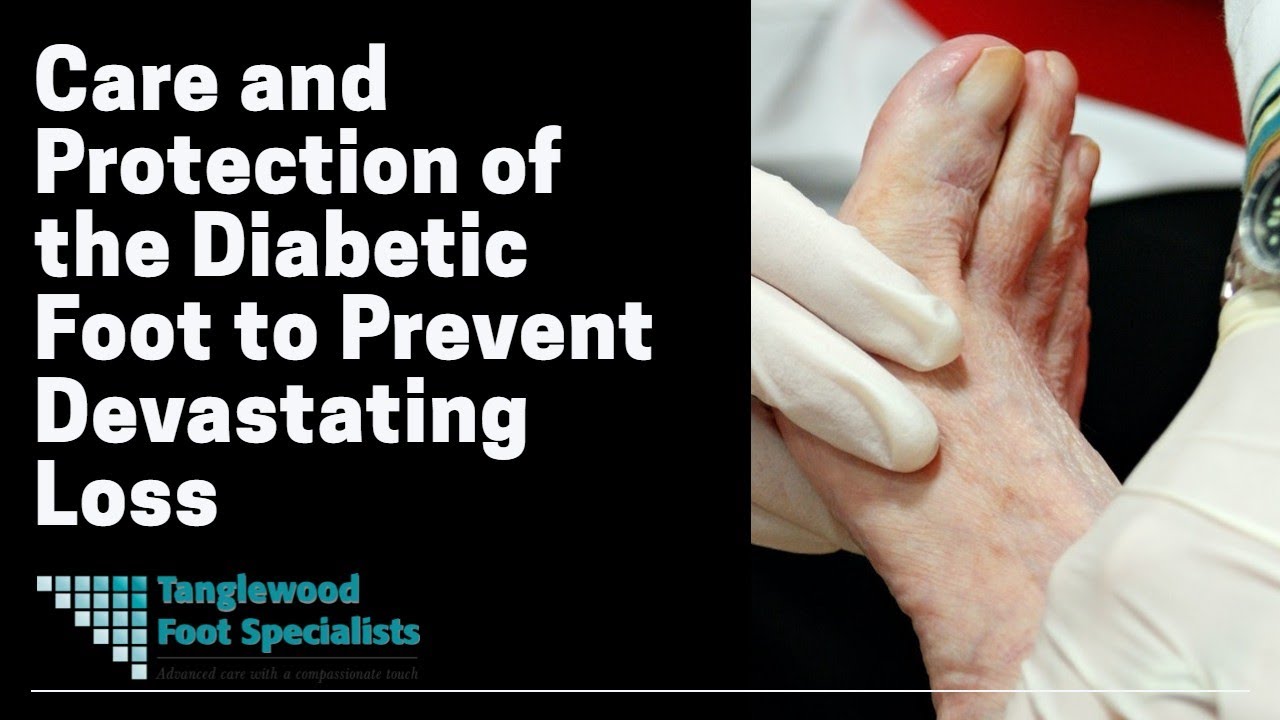
When you come in, I'll start with a comprehensive diabetic foot exam. This includes a visual inspection for wounds you might not have noticed, checking the color and temperature of both feet, and looking for shape changes like toes starting to curl. Then I'll use a monofilament—a single plastic bristle that looks like a hairbrush fiber—to test protective sensation. If you can't feel it, you've lost the ability to sense injuries forming. I'll also check the pulses in your feet to assess blood flow and test reflexes and muscle strength. The whole exam takes about 20-30 minutes. Nothing painful—the monofilament just feels like light pressure if your nerves are working properly.
I'm going to ask you specific questions about what you're experiencing. When did you first notice symptoms? Has it gotten worse? Do you have burning pain at night? Can you feel your feet when you walk? Have you noticed any wounds that won't heal? These details help me understand where you are in the progression and what treatment approach will work best.
Then we'll talk about what I found and create a treatment plan together. If your neuropathy is caught early and you still have protective sensation, we'll focus on preventing progression—getting your A1C under control, establishing daily foot care routines, making sure you're in proper footwear. If you've already lost protective sensation, we'll add more intensive monitoring and might discuss advanced therapies like laser treatment or custom orthotics to prevent ulcers before they form.
Here's the timeline you can expect. Most patients start feeling better within 2-4 weeks of beginning treatment—that burning pain starts to decrease, you sleep better at night. Maximum improvement typically happens within 3-6 months. We'll see you back for follow-up in about 4-6 weeks to assess how you're responding and adjust the plan if needed.
Either way, I need to see you if you're experiencing neuropathy symptoms. Even if you think it's "not that bad yet," that's exactly when treatment is most effective.
The Five Warning Signs Most Doctors Never Fully Explain
After treating thousands of diabetic patients in Houston, I've learned that knowing WHAT to look for isn't enough. You need to know HOW to check for these warning signs and what they actually mean.
Warning Sign #1: Numbness (Not Pain) - This Is the Dangerous One
Here's what makes numbness so dangerous: it doesn't hurt. Burning pain is actually your nerves crying out for help before they die. Once that pain goes away and numbness sets in, you've lost your body's natural warning system.
Self-test I use in my office: I touch your toe with a monofilament—a single plastic bristle that looks like a hairbrush fiber. If you can't feel it, you've lost protective sensation. That means you could step on a tack or burn your feet on Houston's hot pavement and never know it. Research published in the Journal of the American Podiatric Medical Association shows that once you lose protective sensation, you have 10 times higher risk of developing a foot ulcer.
You can't do the monofilament test at home, but you can do this: have someone touch different spots on your feet with a cotton swab while your eyes are closed. If you can't tell where they're touching, or if one foot feels noticeably different from the other, that's a warning sign.
Warning Sign #2: Color and Temperature Changes
For light skin, look for redness. For darker skin, watch for areas that become darker than usual or develop a grayish tone. The key's checking at the same time every day, preferably after sitting for at least 10 minutes. When you're active, blood flow increases and can mask warning signs.
Here's how to check properly: Use the back of your hand to feel both feet at the same time. If one's noticeably warmer, that can indicate inflammation or infection brewing. In Houston's heat, check this after you've been sitting in AC for at least 10 minutes—temperature changes from outside to inside can mask the difference.
Color changes lasting more than 30 minutes after removing shoes are a red flag. So's skin that feels cold to the touch but looks discolored. These changes often indicate circulation problems that, combined with neuropathy, create the perfect storm for serious complications.
Warning Sign #3: Changes in Foot Shape
Watch for toes starting to curl or claw—this is called hammertoe deformity and it happens when motor neuropathy weakens foot muscles. Look for changes in arch height. If one foot starts looking flatter than the other, that's serious. This is often the first sign of Charcot foot, where bones in the mid-foot break and collapse without you feeling it happen.
These shape changes aren't just cosmetic. When your toes curl, they create pressure points on the tips and tops of toes. When your arch collapses, it creates pressure on the bottom of your foot. Combined with numbness, these pressure points turn into ulcers before you even know they're forming.
Stand in front of a mirror once a week and compare both feet side by side. Take photos with your phone so you can compare changes over time. If you notice your toes looking different or your arch changing, don't wait to get it checked.
Warning Sign #4: Non-Healing Wounds
Here's the brutal truth: when you have neuropathy and your A1C is elevated, a wound that would heal in days for  someone else can take weeks or months for you. And remember what I said earlier—every point your A1C rises above normal reduces healing ability by 10 times.
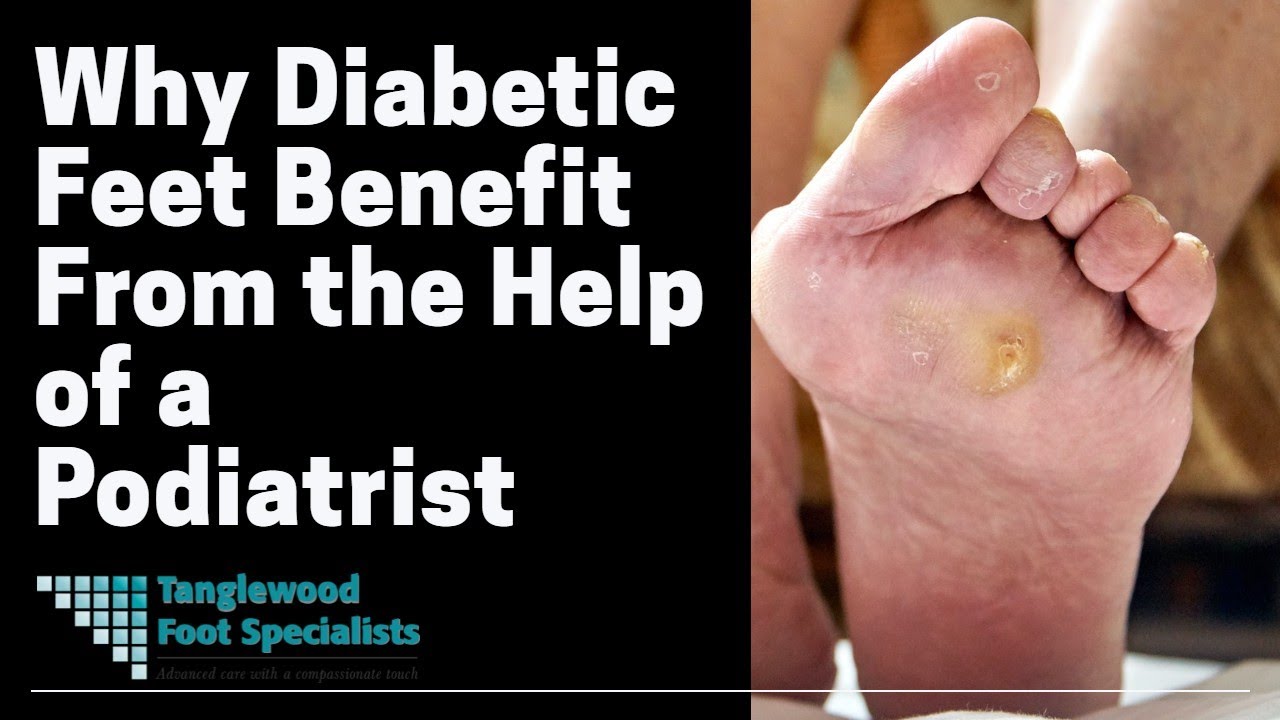
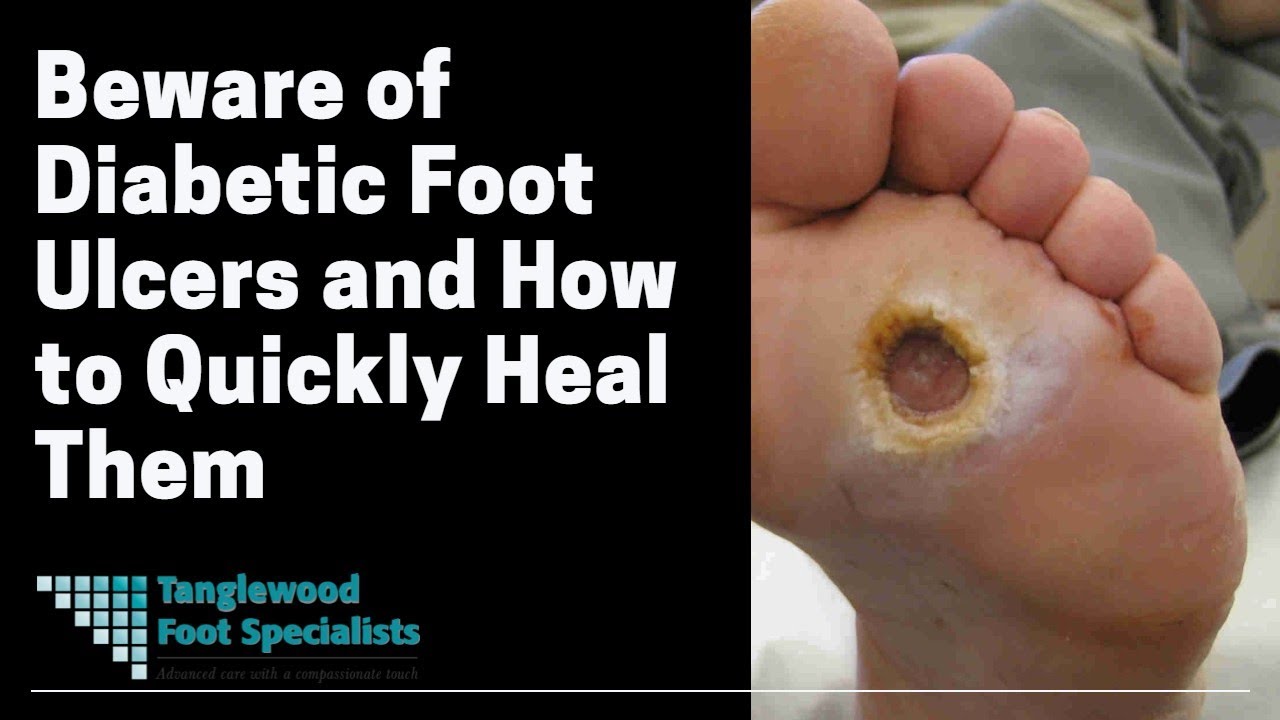
A wound that's not healing is any break in the skin that hasn't improved after one week. Not healed completely—just not getting noticeably better. If you have a blister, crack, cut, or scrape that looks the same (or worse) after seven days, that's a non-healing wound.
Check your feet every night. Look between every toe, at the bottoms with a mirror, around your heels, and at the sides. You're looking for anything that wasn't there yesterday. Even a small crack in your heel or tiny blister can become serious. High blood sugar affects circulation—without good blood flow, minor injuries can't heal properly.
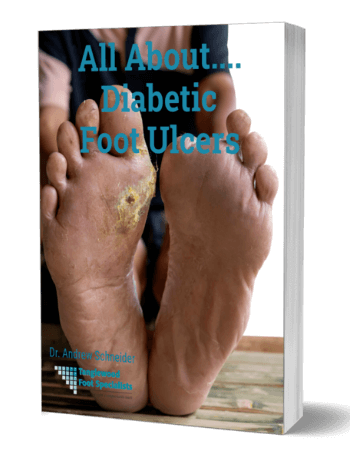
For more detailed information on diabetic wound care, download our free guide at diabeticfootbook.com.
Warning Sign #5: Subtle Signs of Infection
Don't expect obvious redness, swelling, and pain. With neuropathy, you might not feel typical symptoms. Instead, look for unexplained warmth in one area compared to the other foot, slight swelling that comes and goes, drainage in your socks you can't explain, or even mild fever without obvious cause.
Here's what scares me as a podiatrist: diabetic patients often don't run high fevers even with serious infections. Your immune system is compromised. You might have a temperature of just 99.5°F with a raging foot infection. If you feel "a little off" and notice any changes in your feet—any redness, any warmth, any swelling—call immediately.
Red streaks spreading from a wound are a medical emergency. Dark discoloration around a wound means tissue death. Foul-smelling drainage means infection. These aren't "wait and see" situations. These are "call 911 or get to the ER" situations.