What Are Diabetic Shoes (and What Makes Them Different)?
Diabetic shoes, also called therapeutic footwear, are professionally fitted shoes designed with extra depth, seamless  interiors, and protective features specifically to protect feet affected by diabetic neuropathy. Unlike regular "comfortable" shoes, they are built to accommodate custom-molded inserts that redistribute pressure away from high-risk areas where ulcers form.¹
So what actually makes a shoe "diabetic"? It is not just marketing—there are specific medical design features.
First, extra depth: these shoes are built ¼ to ½ inch deeper than standard shoes to accommodate custom inserts and swelling without creating pressure points. Second, seamless interior construction: no internal stitching or overlays that could rub against numb skin and cause blisters you cannot feel developing. Third, protective construction: wide toe boxes, cushioned soles, and non-binding uppers that do not squeeze your feet.
Think of diabetic shoes like eyeglasses for your feet. While you are wearing them, they protect and support. When you take them off, that protection is gone. They do not cure the underlying neuropathy any more than glasses cure your vision—they compensate for the condition as long as you use them consistently.
You might be thinking, "Can't I just buy really comfortable shoes?"
Here's the problem: with neuropathy, you cannot feel what "comfortable" really is. A shoe might feel fine but create pressure points you cannot detect. That is why professional fitting is not optional—it is essential.
Why Diabetic Feet Need Special Protection
Here's what's happening with your feet when you have diabetes. High blood sugar damages nerves over time. That numbness or tingling you might feel? That is neuropathy starting. Once those nerves are damaged, you lose the ability to feel pain, pressure, and temperature changes that would normally warn you something is wrong.
But neuropathy is only part of the problem.
Diabetes also reduces blood flow to your feet through a condition called peripheral artery disease. Less blood flow means slower healing—wounds that would close up in a few days for someone without diabetes can take weeks or months. And high blood sugar weakens your immune system, making it harder for your body to fight off infections when they do occur.²
When your nerves are not communicating properly with your brain, it is like a faulty thermostat in your house. The temperature—or in this case, the pressure and pain signals—might be dangerous, but the sensor is not telling you there is a problem. You could have a shoe rubbing a blister on your heel right now and not feel it developing.
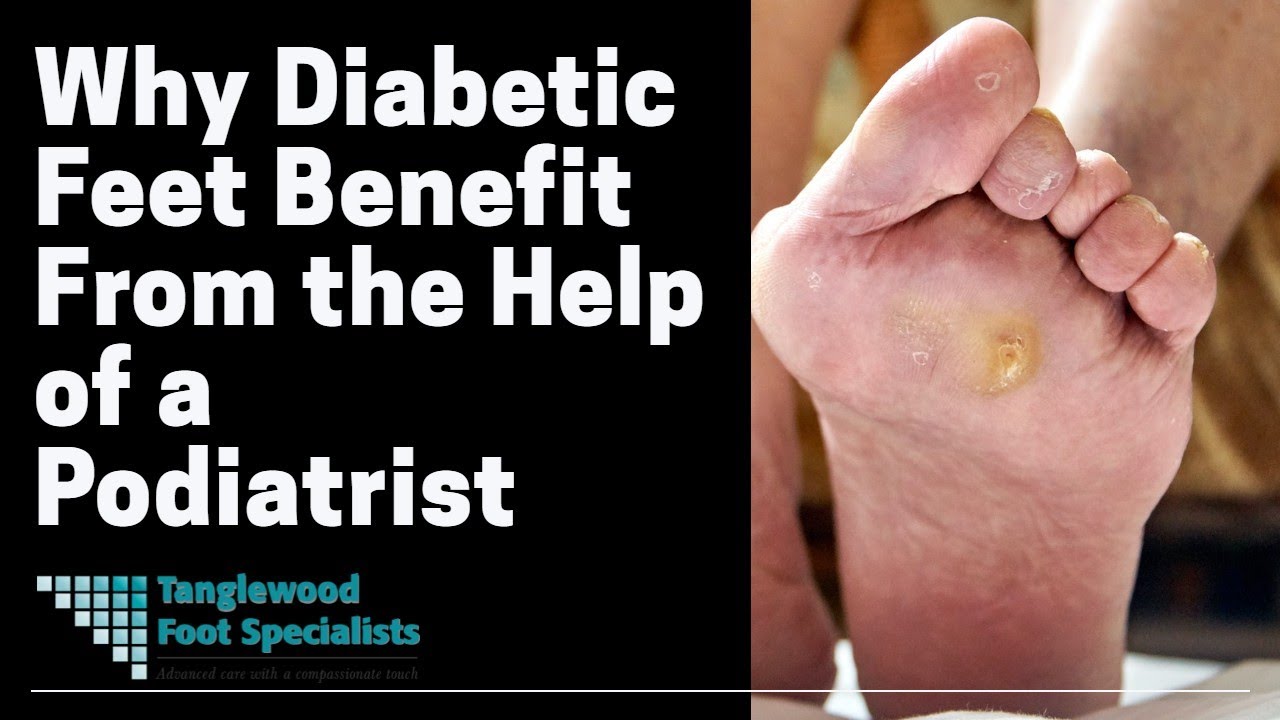
This is the cascade that leads to serious complications: small pressure from shoes creates a blister you cannot feel. That blister becomes a wound that will not heal properly because of poor circulation. Bacteria gets in, and your weakened immune system struggles to fight the infection.
Every 30 seconds, someone loses a limb to diabetes complications.³ Most of these are preventable.
This is why that small blister from shoes rubbing—something that would heal in a few days for someone without diabetes—can become a serious problem. You do not feel it developing. It does not heal normally. And if bacteria gets in, your body struggles to fight it off.
The Truth About Medicare Coverage and Prescription Requirements
Let's talk about Medicare coverage, because this is where patients get frustrated. Most people think Medicare automatically covers diabetic shoes if you have diabetes.
That is not how it works.
Medicare Part B covers therapeutic footwear, but you must meet specific criteria.⁴ You need a diabetes diagnosis PLUS one of these six qualifying conditions: history of partial or complete foot amputation, history of previous foot ulcer, history of pre-ulcerative callus, peripheral neuropathy with evidence of callus formation, foot deformity, or poor circulation.
Notice that list? Every single one is a complication that has already developed. Medicare does not cover preventive diabetic shoes for people with diabetes but no complications yet—only once you have got neuropathy with calluses, deformities, circulation problems, or a history of wounds.
Here's what Medicare actually covers when you do qualify: one pair of extra-depth shoes and three pairs of custom-molded inserts (or two pairs of inserts plus shoe modifications) per calendar year. You will pay 20% coinsurance after meeting your Part B deductible—typically between $160 and $280 out of pocket. The shoes must be prescribed by a physician (podiatrist or MD) who is treating your diabetes, and they must be fitted and furnished by a certified pedorthist or qualified podiatrist.
The process requires two appointments. At the first visit, we do a comprehensive foot examination, gait analysis, and create custom molds of your feet. The shoes and inserts are manufactured specifically for you, which takes about 2-3 weeks. At the second appointment, we verify the fit, check pressure distribution, and make any necessary adjustments.
I know that seems backwards—waiting until there is a problem to get coverage for protective equipment. That is why, if you do not qualify for Medicare coverage yet, I still want to see you. We will talk about what shoes you CAN get that provide better protection than regular footwear, and we will establish the daily foot care routine that prevents you from ever needing those Medicare-covered shoes.
Houston Podiatrist Treats Diabetic Foot Complications
My philosophy is simple: shoes protect your feet, but daily inspection prevents amputation. When you come to my Houston practice, we do not just fit you for footwear and send you home. We create a comprehensive protection plan that includes the right shoes, the daily routine you need to follow, and a clear escalation protocol for when something does not look right.
Here's how we approach diabetic foot care at every stage.
Prevention and Daily Care
Before we even talk about shoes, let's talk about the habit that actually prevents amputation: checking your feet every  single night. This evening routine catches 80% of problems when they are small and easy to fix.
Use your hands to feel for warm spots—one foot warmer than the other is a red flag. Look between every toe. Check the bottoms of your feet using a mirror if you need to, or ask a family member to help. Note any area that looks different from the day before.
What you are looking for: color changes (redness in light skin, darkening in darker skin), temperature differences, swelling, cuts, blisters, or calluses forming. Never walk barefoot—even at home on smooth floors.
Keep your blood sugar controlled, because here's the thing: every point your A1C rises above normal reduces your healing ability by 10 times.⁵ Not 10%. 10 times.
When to escalate: Any skin breakdown, blister, cut, or wound not healing within 3-4 days. Warm spots persisting more than 30 minutes after removing shoes. Color changes that do not resolve. Any swelling, redness, or drainage.
Do not wait to see if it gets better—with diabetes, "waiting to see" can mean the difference between a simple office visit and hospitalization.
Over-the-Counter Supportive Footwear
If you are in the early stages—you have diabetes but no neuropathy, no foot deformities, no history of calluses or wounds—over-the-counter solutions can work. Look for medical-grade supportive shoes from brands like Brooks or New Balance in wide widths. You want shoes with removable insoles, extra depth, good cushioning, and a wide toe box that does not squeeze your toes together.
Pair those with medical-grade insoles like Powerstep or Superfeet—not the Dr. Scholl's kiosk at the drugstore, which are not medical devices. Total cost runs about $100-200 for shoes and $40-60 for insoles. This level of protection can work well early on.
But here's the honest assessment: once you have developed neuropathy, foot deformities, recurring calluses, or poor circulation, over-the-counter options are not enough. You need actual therapeutic footwear with custom inserts made specifically for your feet.
Prescription Diabetic Shoes and Custom Orthotics
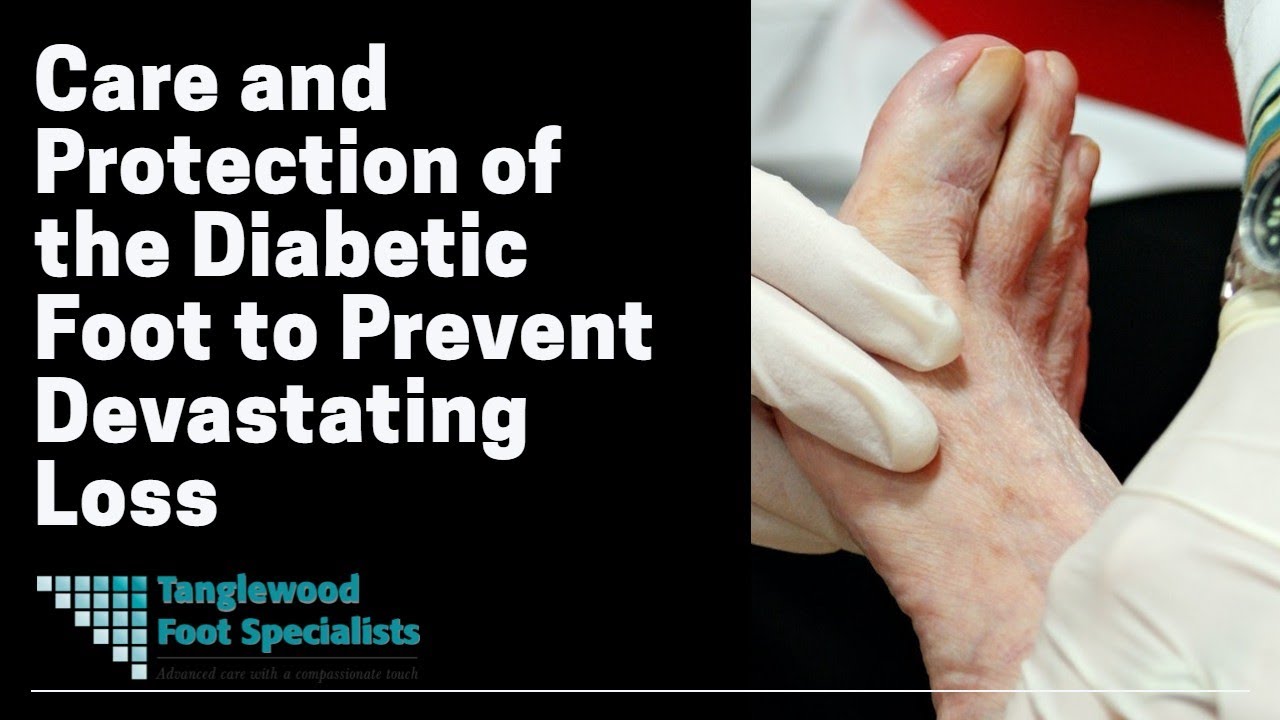
When you come in for diabetic shoe fitting, here's what happens. At your first appointment—plan on about an hour—I will do a complete foot examination. We will watch you walk to see where pressure is concentrated. I will use monofilament testing to check your sensation and assess your neuropathy. Then we will do a 3D scan or create foam molds of your feet and use pressure mapping technology to identify exactly where your feet need protection.
You will receive one pair of extra-depth shoes and three pairs of custom-molded inserts made specifically from YOUR foot molds. These are not shoes you can buy online and expect the same results. The custom inserts are positioned to protect YOUR specific pressure points—redistributing pressure away from high-risk areas where ulcers form.
The shoes and inserts take about 2-3 weeks to manufacture. At your second appointment, we verify the fit, check pressure distribution with you standing and walking, and make any necessary adjustments. The shoes might feel "different" at first because they are actually supporting your feet properly. You might notice less pain in areas that used to bother you.
But here's the thing: you have to wear them consistently.
Research shows that properly fitted therapeutic footwear with custom inserts reduces peak plantar pressure by 85% compared to regular shoes.⁶ This translates to a 50-70% reduction in diabetic foot ulcer risk when combined with proper daily care.⁷ The timeline for break-in is about 1-2 weeks. Medicare covers replacement annually—one pair of shoes per calendar year.
Cost without insurance runs $800-1,400 total. With Medicare (if you qualify with one of those six conditions we discussed), you will pay 20% coinsurance, typically $160-280. If you have a supplement, you may get the shoes at no cost to you.
Even the best diabetic shoes are protective equipment, not treatment. They will not reverse your neuropathy. They will not heal existing wounds. And they do not replace the need for daily foot inspection.
Advanced Wound Care
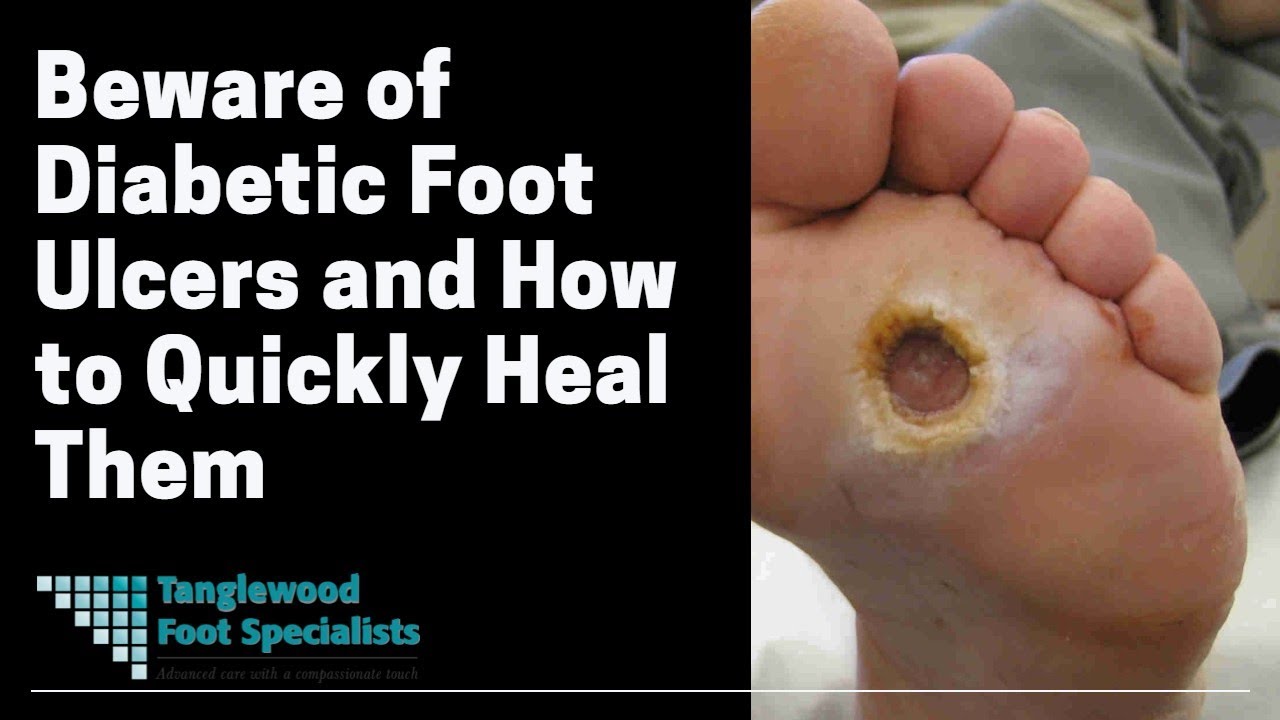
If you develop a diabetic foot ulcer despite proper footwear and care, we move into active wound treatment. This is not  about shoes anymore—it is about healing.
Here's what happens if an ulcer develops. First, we need to see you immediately—not in a few days, immediately.
Treatment involves professional debridement to remove dead tissue, proper wound dressing (NOT hydrogen peroxide, alcohol, or bleach—these damage healthy healing cells), and complete pressure offloading with a specialized walking boot or cast. We control any infection and may use advanced biological treatments like skin substitutes, tissue grafts, or medical-grade honey to accelerate healing.
Standard wound care has a 70-80% success rate with healing taking 12-20 weeks on average.⁸ When we add advanced biological treatments, that success rate jumps to 85-95% with faster healing times of 8-16 weeks.
The key is catching problems early and not trying to treat serious wounds at home.
Surgical Correction
Sometimes we need to address underlying deformities that make proper shoe fitting impossible—severe bunions, hammertoes, or bone prominences that create constant pressure points. In cases of uncontrolled infection, we may need partial amputation to save the rest of the foot.
Look, I know foot surgery sounds scary, especially when you are diabetic and worried about healing. But here's the truth: modern surgical techniques and proper blood sugar control before surgery have transformed outcomes. Most diabetic patients heal successfully when we optimize all the factors we can control.
Surgery is not the first option—it is what we consider when conservative care cannot create a foot that can be safely protected.
For bunion correction, you will be walking in a surgical boot immediately and transition to regular shoes at 6 weeks. Hammertoe correction typically requires 4-6 weeks in a surgical shoe. Recovery varies by procedure complexity, but success rates exceed 90% with proper procedure selection and post-operative care.
Here's the important statistic: 95% of diabetic foot complications can be prevented with proper footwear, daily inspection, and blood sugar control.⁹ Surgery is needed in less than 5% of cases.
If you have diabetes and have not had a comprehensive foot evaluation, do not wait until problems develop. Schedule an appointment at our Houston practice by calling 713-785-7881 or using the button below.
What to Expect at Your Appointment
When you come to my Houston office for diabetic foot care, here's what happens. I will start by examining your feet thoroughly—checking sensation with monofilament testing to assess neuropathy, looking at circulation with pulse checks and capillary refill time, and inspecting for any deformities, calluses, or areas of concern. This baseline examination tells me how diabetes is currently affecting your feet.
I am going to ask you questions about your blood sugar control, what shoes you are currently wearing, whether you have noticed any changes in your feet, and what your daily routine looks like. I need to understand not just what is happening with your feet right now, but what has been happening over time. Then we will talk about what you have tried already and what has worked or has not worked.
If you are coming in for diabetic shoe fitting and you qualify for Medicare coverage, we will do the full assessment I described earlier—gait analysis, pressure mapping, 3D scanning or foam molds of your feet. This first appointment takes about an hour. If you do not qualify for Medicare coverage yet, we will talk about the best over-the-counter options that provide better protection than regular shoes, and we will establish your daily care routine. If you have got an active problem—a callus that keeps returning, a wound that is not healing, pain you cannot explain—we address that first before anything else.
Either way, you are not walking out of here confused. You will know exactly what is going on with your feet, what needs to happen next, what you need to do at home, and when you need to come back.
Either way, I need to see you. Whether you are coming in for preventive care or because something is already wrong, the sooner we establish a plan, the better your outcomes will be.