What's Actually Happening in Your Achilles Tendon
Achilles tendinopathy is a degenerative condition of the Achilles tendon — the thick cord connecting your calf muscles  to your heel bone. When repetitive stress overwhelms the tendon's ability to repair itself, healthy collagen fibers break down and are replaced by disorganized scar tissue. This structural change causes chronic pain that doesn't respond to rest or anti-inflammatory treatment alone.
Here's what most people don't realize: by the time your Achilles has been hurting for three months or more, it's usually not inflamed — it's degenerated. There's an important distinction between tendinitis (which is acute inflammation, and does respond to rest and anti-inflammatories) and tendinosis (which is structural breakdown of the collagen fibers themselves). The "-itis" ending implies inflammation, and that's exactly why people keep reaching for ice and NSAIDs. But if you've been doing that for months without lasting relief, you're likely dealing with tendinosis — and those tools can't rebuild damaged tissue.
The location of your pain matters enormously too. Mid-substance tendinopathy occurs 2–4 centimeters above where the tendon attaches to the heel bone — this zone has notoriously poor blood supply, which is a big part of why it struggles to heal on its own. Insertional tendinopathy, by contrast, occurs right at the attachment point and often involves a bony prominence called a Haglund's deformity — sometimes called a "pump bump." These two locations respond to treatment differently, and I can't build the right plan for you without knowing exactly which one we're dealing with.
Think of it this way: your body started trying to fix the problem. It sent in the repair crew, laid down some collagen, and began patching things up. But the crew stalled. The new collagen came in disorganized and weak — not the tight, parallel fibers that make a healthy tendon strong. And without adequate blood flow to keep that process moving, the heel pain cycle just keeps repeating. That stalled repair is what regenerative medicine is specifically designed to restart.
Why Your Achilles Tendon Keeps Breaking Down
The most common culprit I see is what we call equinus — a tight calf complex. When your gastrocnemius muscle is too  short or too rigid, it restricts how far your ankle can bend upward with each step. And since that range of motion has to come from somewhere, the Achilles ends up absorbing far more tensile force than it was built to handle. Think of it like a puppet string that's too short — every step yanks the tendon harder than it should. Over thousands of steps a day, that accumulates into real structural damage.
But equinus isn't the only driver. Training load errors are another big one, especially for runners. A sudden jump in weekly mileage, switching from softer trails to Houston's hard concrete surfaces, or skipping recovery days can all overwhelm the tendon's capacity to adapt. Footwear plays a larger role than most people realize — zero-drop shoes and flat sandals dramatically increase Achilles loading, and walking barefoot on tile floors at home can quietly accelerate degeneration between runs. I ask about all of this, because the answer isn't always what you'd expect.
Biomechanical contributors like overpronation, flatfoot, or a subtle leg length asymmetry shift the load onto the Achilles through altered gait mechanics — meaning your tendon is being asked to compensate for a problem that actually originates upstream. And for people over 35–40, there's an age-related decline in blood supply to the tendon's mid-substance zone that makes self-repair progressively less reliable. It's not that your body can't heal — it just needs more help to do it.
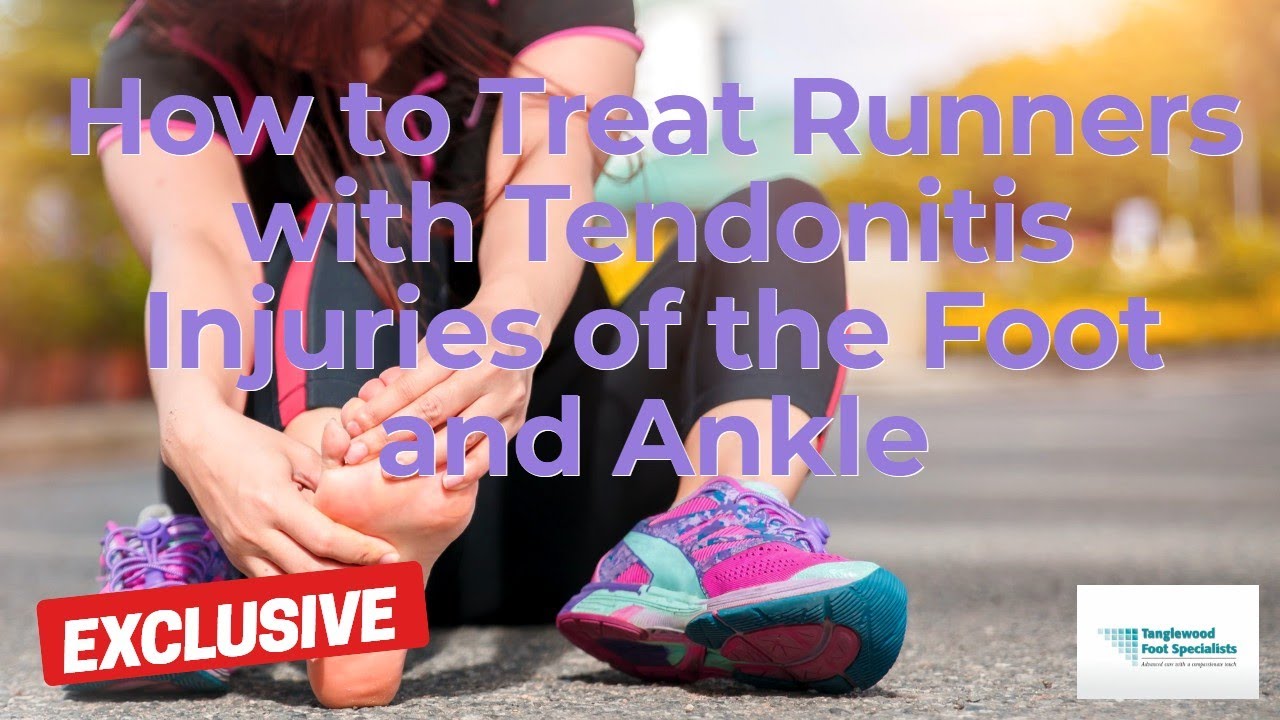
One misconception I address constantly: a lot of people come in convinced that a heel spur is causing their Achilles pain. I understand why — the imaging shows the spur prominently, and it becomes an easy target. But the spur is actually a consequence of chronic tendon stress, not the cause of it. It's your body's attempt to reinforce the attachment point under repeated load. Treating the spur without addressing the underlying mechanics is like painting over a crack in the foundation. You have to fix what's driving the damage. That's exactly what I help with when I evaluate running injuries and sports-related tendon injuries in my practice.
The Truth About Cortisone and Your Achilles
Cortisone is the most common "next step" offered after rest and stretching don't work. And I get it — it's fast, it's covered by insurance, and it genuinely reduces pain. So it feels like progress. The problem is that relief isn't recovery. Cortisone suppresses the inflammatory signal, but it doesn't rebuild the collagen architecture that's broken down. You feel better for a few weeks, and then the pain comes back — because the structural problem is still there.
I won't judge you for getting a cortisone shot. Your doctor was trying to help, and it probably gave you some relief. But if you're back here reading this article, that relief didn't last. That's not a coincidence. It's biology.
Here's where it gets more serious: for mid-substance Achilles tendinosis, repeated cortisone injections are associated with tendon weakening and an elevated risk of rupture. That's not a rare complication — it's a well-documented finding, and it's why I'm careful about when and how I use it. Cortisone can be appropriate in specific insertional cases where bursitis is also involved, and I do use it selectively in those situations with a clear explanation of why. But for the chronic, structural tendinosis most people are dealing with by the time they find me, cortisone isn't just ineffective — it can make things worse over time. There's a treatment designed to do what cortisone can't: actually rebuild the damaged tissue. That's what regenerative medicine accomplishes.
How a Houston Podiatrist Treats Chronic Achilles Tendon Pain
My goal isn't to suppress your pain. It's to get your tendon actually healed — so you can run, hike, stand at work, or do whatever it is you're trying to get back to. That means being honest about what each treatment can and can't accomplish, and knowing when it's time to bring in tools that most practices never mention.
Starting with the Foundation — Lifestyle and At-Home Care
Sometimes the first changes that matter most are also the most overlooked. A heel lift of 1–1.5 centimeters inside your shoe reduces Achilles strain by shortening the mechanical lever arm — it's a simple, inexpensive adjustment that takes load off the tendon immediately. Zero-drop and minimalist footwear are often the hidden accelerator in Achilles cases, dramatically increasing tensile stress on a tendon that's already struggling. And if you're walking barefoot on hard tile floors at home — Houston kitchens and bathrooms tend to be tile throughout — house slippers with even a small heel counter make a real difference. Activity modification matters too: switching from running and HIIT to swimming or cycling keeps you moving without hammering the tendon.
The most evidence-backed at-home protocol for Achilles tendinopathy is eccentric calf loading — specifically the Alfredson protocol, which involves slowly lowering your heel off a step with the calf loaded. Done twice daily in sets of 15, this applies controlled tensile stress that stimulates collagen remodeling. It'll hurt at first. That's expected, and it's not a reason to stop. Two dedicated calf stretches — straight-knee for the gastrocnemius, bent-knee for the soleus — held 30 seconds each, three times daily, directly address the Puppet Strings problem I described earlier. Ice after activity, 15–20 minutes, and no heat directly on the tendon.
Here's the honest assessment: at-home care works well for mild-to-moderate Achilles tendinopathy caught early. For tendinosis that's progressed past three months, it's unlikely to achieve full resolution without professional intervention. It can reduce symptoms and slow the progression, but it can't restore collagen architecture or vascularization on its own.
When You Need Structural Support — Conservative In-Office Care
When lifestyle and at-home measures aren't enough, the next layer is addressing the biomechanical contributors that overload the tendon with every step. Custom orthotics ($700 cash) are fabricated specifically for your foot mechanics — think of them like eyeglasses for your feet. While you're wearing them, they correct the forces acting on the Achilles. They don't cure the underlying mechanics, but they stop the tendon from absorbing excessive load while everything else heals.
Physical therapy adds structured eccentric loading and gait retraining that's hard to replicate accurately on your own. I also use red light therapy ($39 per session, or $180 for a package of six) as a supportive adjunct — photobiomodulation helps reduce inflammation and support tissue repair between other treatments. It's not a standalone solution for structural tendinosis, but as part of a comprehensive protocol it adds meaningful benefit with zero downtime or discomfort.
Conservative in-office care, combined with the lifestyle and at-home measures above, resolves mild-to-moderate Achilles tendinopathy in approximately 60–70% of cases within 8–12 weeks. When it doesn't — when pain persists beyond 12 weeks of compliant care, or imaging confirms significant structural tendinosis, or you're just not where you need to be — that's when we move to the third option.
The Third Option — Regenerative Medicine
Most practices think in two options: medicate or operate. But there's a third option that changes everything for chronic Achilles pain — and it's what I reach for when conservative care hasn't finished the job.
Shockwave Therapy — $300 per session, or $750 for a 3-session package
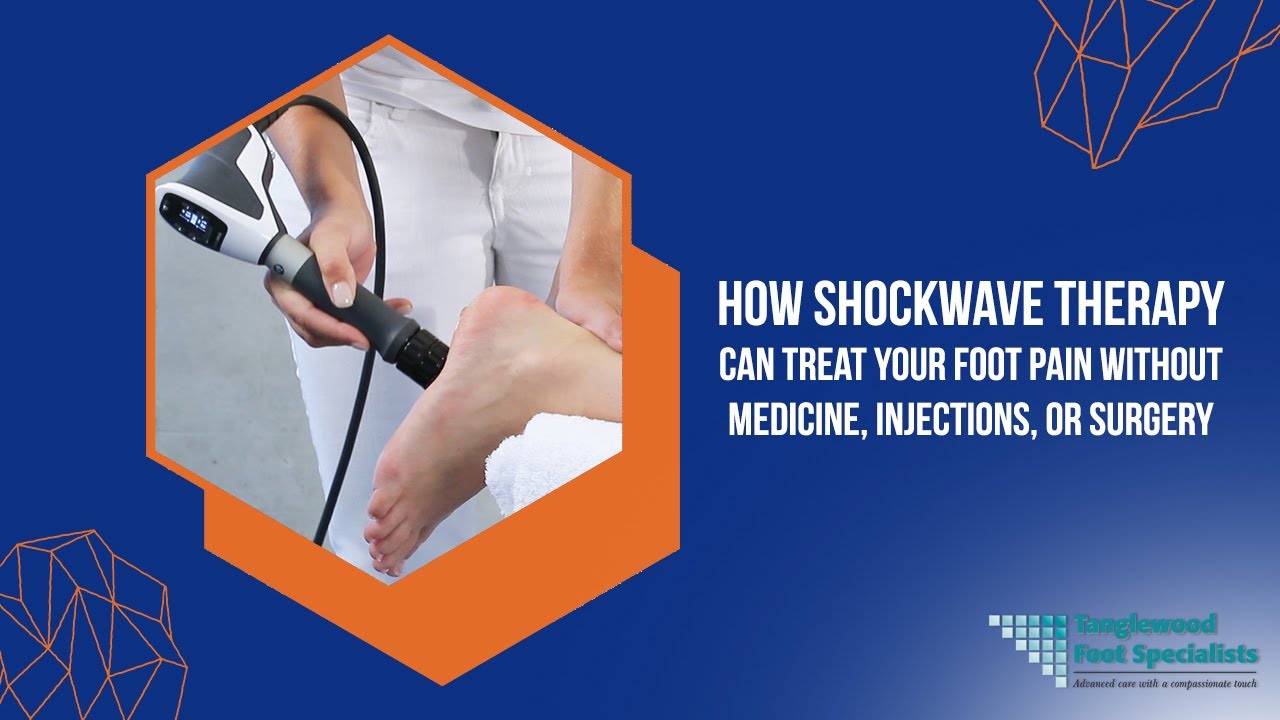
 Despite its intimidating name, shockwave therapy uses acoustic pressure waves — not electricity — delivered through a handheld device placed against the skin. Sessions last about 15 minutes. There's a tapping sensation, and mild discomfort during treatment is actually a good sign that we're targeting the right spot. No incision, no downtime.
Think of it like aerating a compacted lawn. By opening channels in the chronically avascular mid-substance tissue, shockwave allows blood flow, growth factors, and nutrients to penetrate where they couldn't reach before — and it restarts the stalled healing response the Construction Crew left behind. More than 80% of people who complete a full three-session course find their pain resolved, and a systematic review of ESWT outcomes confirms it is an established treatment modality for Achilles tendinopathy with promising and evolving evidence. A separate meta-analysis of shockwave therapy found it significantly outperforms conservative wait-and-see approaches for pain reduction. I use shockwave therapy on my own heel pain. That's not something I say lightly.
PRP Therapy — $850 cash
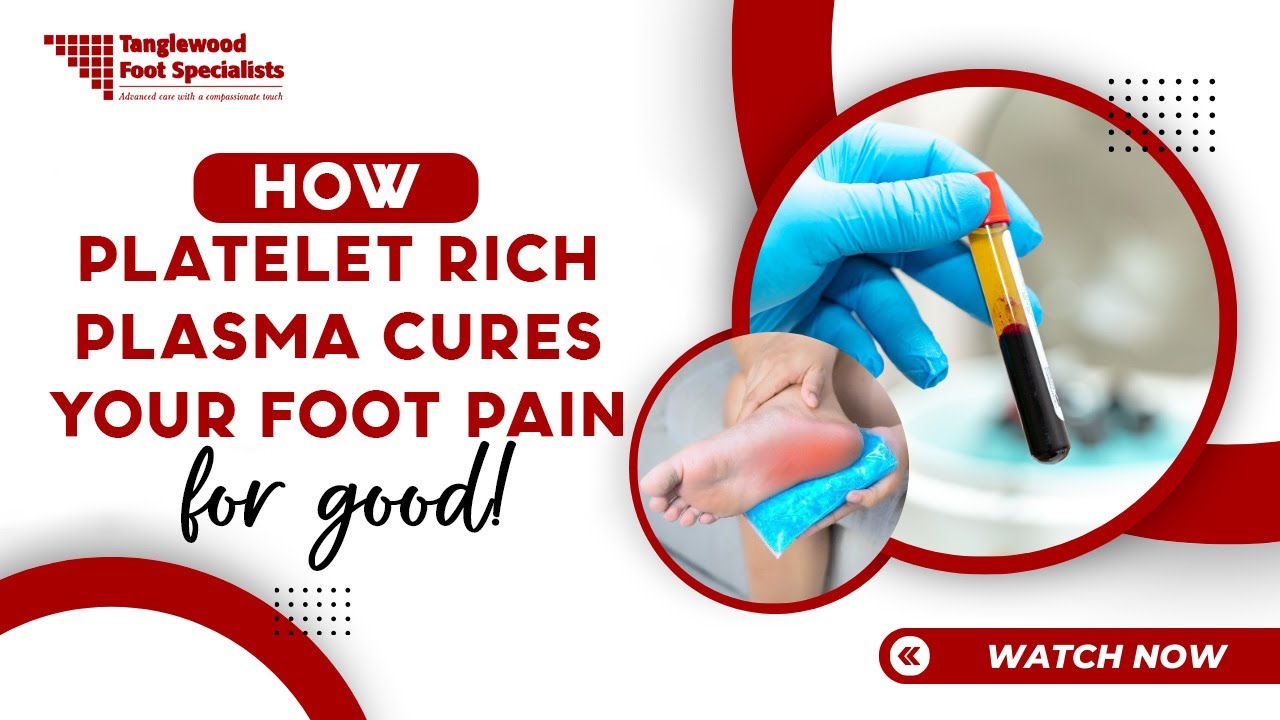
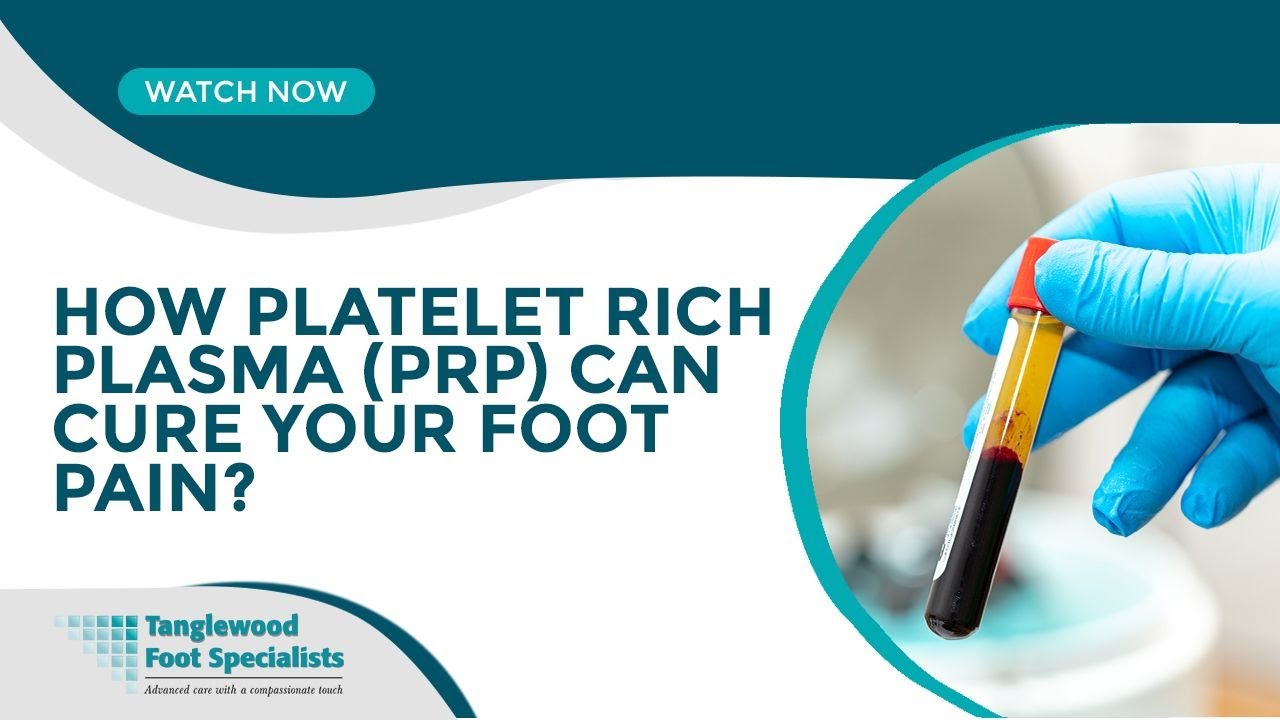
Platelet-rich plasma therapy is liquid gold for healing. We draw a small amount of your blood, process it in a centrifuge for about 10 minutes, and concentrate the platelets — the cells loaded with growth factors and healing proteins — into a precision injection delivered directly into the damaged tendon tissue under ultrasound guidance. Those growth factors tell your body to restart collagen production and rebuild the damaged architecture from within.
PRP works differently from cortisone. Cortisone reduces pain by suppressing inflammation. PRP reduces pain by repairing the tissue that's causing it. Research confirms that PRP's concentrated growth factors stimulate tissue repair in Achilles tendinopathy through direct biological signaling — a mechanism cortisone simply doesn't provide. Most people begin noticing improvement 2–4 weeks after injection. Full benefit typically emerges at 3–6 months — and the results are lasting, not temporary, because they reflect actual structural healing.
The Combined Protocol: Seeds and Soil — 85–95% Success Rate
This is where my approach separates from everything else available in Houston. PRP delivers the seeds — concentrated growth factors and healing signals injected directly into the damaged tissue. Shockwave prepares the soil — it opens the tissue, stimulates blood flow, and repeatedly activates those growth factors over three weekly sessions following the injection.
The sequence matters. PRP injection first, then shockwave begins within a few days, once weekly for three sessions. This protocol works for both insertional and mid-substance tendinopathy — research shows ESWT has been studied for both subtypes with distinct outcome profiles that support individualized protocol selection. The combined success rate is 85–95% — well above either treatment alone — and a review of orthobiologic combined approaches confirms they show particular promise for chronic tendinopathy that has failed conservative care. For chronic cases that have failed everything else, this is the answer most people never knew existed. Details on how I apply this protocol are on the regenerative medicine page if you want to go deeper.
For select patients, I also incorporate oral BPC-157 peptide therapy to support tendon healing between sessions, and Class IV Remy laser therapy ($97 per session, or $497 for a package of six) as an additional tissue-repair modality. These aren't right for everyone, but when the clinical picture calls for them, they add meaningful support to the regenerative protocol.
Most insurance plans don't cover PRP or shockwave — these are cash-pay procedures, though some FSAs and HSAs may apply. When you compare those costs against the ongoing cycle of co-pays, repeated cortisone injections, and the significantly higher cost of surgery and post-surgical rehabilitation, regenerative care is often more cost-effective long-term.
Surgery — When It's Truly the Right Answer
Look, I know surgery sounds scary. But if we've reached that point, it means we've been thorough — and I'm not recommending it lightly. The overwhelming majority of chronic Achilles tendinopathy cases, including stubborn cases that have failed conventional care, resolve without foot and ankle surgery when regenerative medicine is properly applied.
Surgery is reserved for complete Achilles tendon rupture — which requires primary repair or, in chronic cases, a flexor hallucis longus tendon transfer — severe structural tendinosis that has genuinely failed all regenerative options, and Haglund's resection for refractory insertional cases. Recovery is real: non-weight-bearing in a boot or cast for the first week, partial weight-bearing by weeks two to three, progressive walking and the start of physical therapy by weeks four to eight, and return to low-impact activity somewhere between three and six months. Full sports return typically takes four to six months or more. It's a significant commitment — which is exactly why I exhaust every regenerative option first.
Chronic Achilles Pain Has a Third Option If what you've tried hasn't worked, regenerative medicine may be exactly what your tendon needs. Request Your Appointment →
What Happens When You Come In to See Me in Houston
When you come in, I'll start by asking what you're trying to get back to — not just where it hurts. And that matters. Someone training for a marathon has different needs than someone who just wants to walk through the grocery store without wincing, and the treatment plan I build for you reflects that. I'll ask how long you've been dealing with this, what you've already tried, and how your pain behaves across the day — first steps in the morning, during activity, after.
From there I'll do a thorough physical exam: palpating the tendon to locate exactly where the tenderness lives, performing a Thompson test to rule out any rupture, and assessing your ankle range of motion to quantify whether equinus is part of what's driving the problem. I'll also watch you walk. Gait evaluation tells me things the exam table can't — how your foot strikes, whether you're compensating, where the load is actually going. Then I'll use in-office diagnostic ultrasound to visualize the tendon in real time. Ultrasound shows me degeneration, microtears, calcifications, and thickening that X-rays simply miss. It lets me see exactly what's happening inside the tendon before I make any treatment decisions — and I'll show you what I'm seeing on the screen.
By the end of that first visit, you'll have a clear diagnosis and a specific plan — not "let's wait and see." I'll tell you exactly which treatments I think will work and why, which ones aren't worth your time or money for your particular situation, and what the realistic timeline looks like. Dr. Andrew Schneider has been treating Achilles tendinopathy in Houston for over 25 years, and the one thing I've learned is that people do better when they understand what's happening and what comes next. Either way, I need to see you — whether you've been dealing with this for three months or three years, whether you've had injections before or this is your first appointment. The evaluation is always where we start. Schedule your evaluation and we'll figure out exactly what's going on together.
Protecting Your Achilles Long-Term — What Houston's Active Lifestyle Demands
Getting out of pain is the goal — but it's not the finish line. Achilles tendinopathy comes back when the underlying mechanics don't get addressed, and I've seen that happen too many times to skip this conversation. Houston's running community is one of the most dedicated I've seen, and that's exactly why Achilles injuries are so common here. Memorial Park's three-mile loop, the Buffalo Bayou trail system, the sidewalks around the Galleria — these surfaces are unforgiving on tendons that are still rebuilding. Hard concrete throughout Houston's urban core demands more from your Achilles than softer trail surfaces, and year-round mileage in our climate means there's no natural off-season to let things recover.
Ongoing calf flexibility work is non-negotiable for anyone with a tendinopathy history — equinus is a lifetime management issue, not something you stretch for eight weeks and forget about. Running shoes lose meaningful midsole cushioning at 300–500 miles, and worn footwear quietly increases Achilles load long before the shoe looks visibly broken down. When you're cleared to return to running, "pain-free" doesn't mean "go" — tendons lag behind subjective recovery by weeks, and a gradual, structured mileage reintroduction is what separates a full recovery from a setback. For my active patients with a tendinopathy history, I recommend an annual check-in. Prevention is always less expensive than re-treatment.