What Is Regenerative Medicine for Feet?
Regenerative medicine uses your body's own healing mechanisms to repair damaged tissue rather than just masking  symptoms. Think of it this way: when you take ibuprofen or get a cortisone injection, you're reducing inflammation and pain—which helps you feel better. But you're not actually fixing the torn ligament or damaged tendon causing the problem.
Here's what makes regenerative medicine different. These treatments stimulate your body to complete the healing process that got stalled or never happened in the first place. Your body has remarkable healing capacity when given the right environment and the right signals.
In my Houston practice, I use four main regenerative approaches: shockwave therapy, platelet-rich plasma (PRP), DPMx injections, and Remy Laser therapy. Each works through different mechanisms, and I often combine them for better results.
These aren't experimental treatments. Shockwave therapy has FDA clearance for plantar fasciitis and other conditions. PRP has been studied extensively in peer-reviewed medical journals. The Remy Laser is a Class IV therapeutic laser with solid research backing. We're not talking about unproven therapies—we're talking about evidence-based medicine that happens to work differently than traditional approaches.
Why Choose Regenerative Medicine?
The main reason patients choose regenerative medicine is simple: they want to heal the tissue, not just manage the symptoms. When tissue actually repairs, the results can last because you've addressed the root cause. You're not dependent on ongoing medication or repeated injections to keep pain at bay.
Your goals matter here. Some patients want to return to high-level athletic activity—running marathons, playing competitive tennis, dancing. Others want to avoid the downsides of repeated cortisone injections or long-term use of NSAIDs. Some have tried custom orthotics and physical therapy and gotten some relief, but they're looking for something that goes deeper.
Here's the thing about choosing your treatment approach: you get to decide. Some patients prefer to start with regenerative medicine because it aligns with their timeline and goals. Others try conservative approaches first and then explore regenerative options if they need them. Both paths are valid. It depends on what you're hoping to achieve, how quickly you need results, and what matters most to you. There's no "right" answer—just the right answer for you.
Who's a Good Candidate for Regenerative Medicine?
Regenerative medicine works well for anyone with damaged tissue in their feet or ankles. I see athletes who want to get  back to high-level activity without settling for "good enough." I see active people in their 40s, 50s, and 60s who want to stay hiking, golfing, or traveling. And I see patients who simply prefer a proactive approach to healing rather than long-term symptom management.
The most common conditions I treat with regenerative medicine include plantar fasciitis, Achilles tendinitis, Morton's neuroma, chronic heel pain, ankle pain, and posterior tibial tendon dysfunction. If you have tissue damage—whether it's a ligament, tendon, or nerve—regenerative medicine might help.
That said, I won't offer regenerative medicine if you're pregnant, undergoing active cancer treatment, have severe circulation problems, or have an active infection in your foot. These are medical contraindications where the treatment either wouldn't work or could cause complications. When you come in, I'll evaluate your specific situation and let you know if you're a good candidate.
How Regenerative Treatments Work
Different regenerative treatments work through different mechanisms, and I often combine them for synergistic effect. Think of it like renovating a house—you need different tools for different jobs. A hammer, a saw, a drill. Each serves a specific purpose, and together they get the job done more effectively than any one tool alone.
Let me walk you through how each treatment works and what you can expect.
Shockwave Therapy - Restarting Your Healing Response
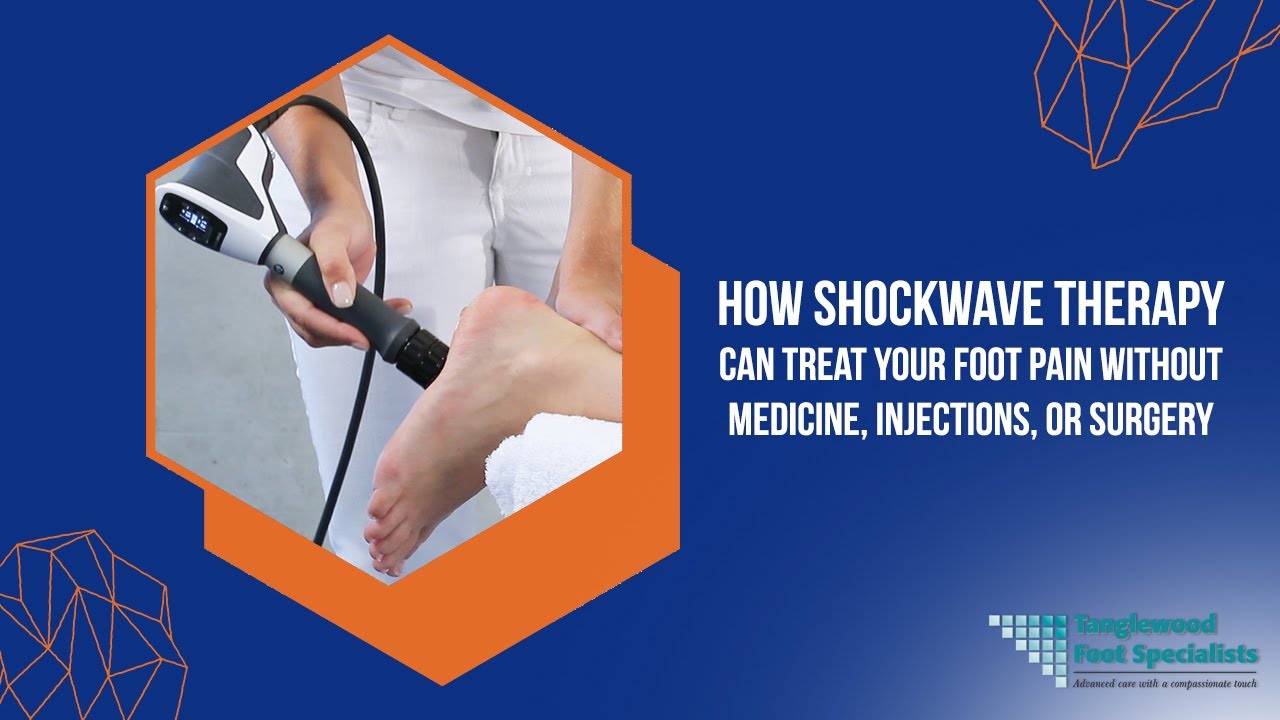
Despite the name, shockwave therapy doesn't use electric shocks. It uses acoustic pressure waves—sound waves—that  penetrate deep into damaged tissue. When you come in for treatment, I'll apply a handheld device to the painful area. You'll feel a tapping sensation as the waves are delivered.
Here's what's happening at a cellular level. The shockwave therapy breaks up scar tissue and calcifications that may be blocking healing. It stimulates increased blood flow to the area, bringing oxygen and nutrients your tissue needs. And it triggers the release of growth factors and stem cells—your body's own repair signals.
What does it feel like? Most patients describe it as a 4 to 5 out of 10 on the discomfort scale. It's not comfortable, but it's tolerable. Each treatment takes about 10 to 15 minutes. The typical protocol is three sessions, once a week.
The results speak for themselves. Research shows that 80 to 82% of patients with plantar fasciitis find their pain resolved after the full shockwave therapy treatment. I've used it on myself when I had plantar fasciitis, and I can tell you firsthand—it works.
Platelet-Rich Plasma (PRP) - Your Body's Concentrated Healing Signals
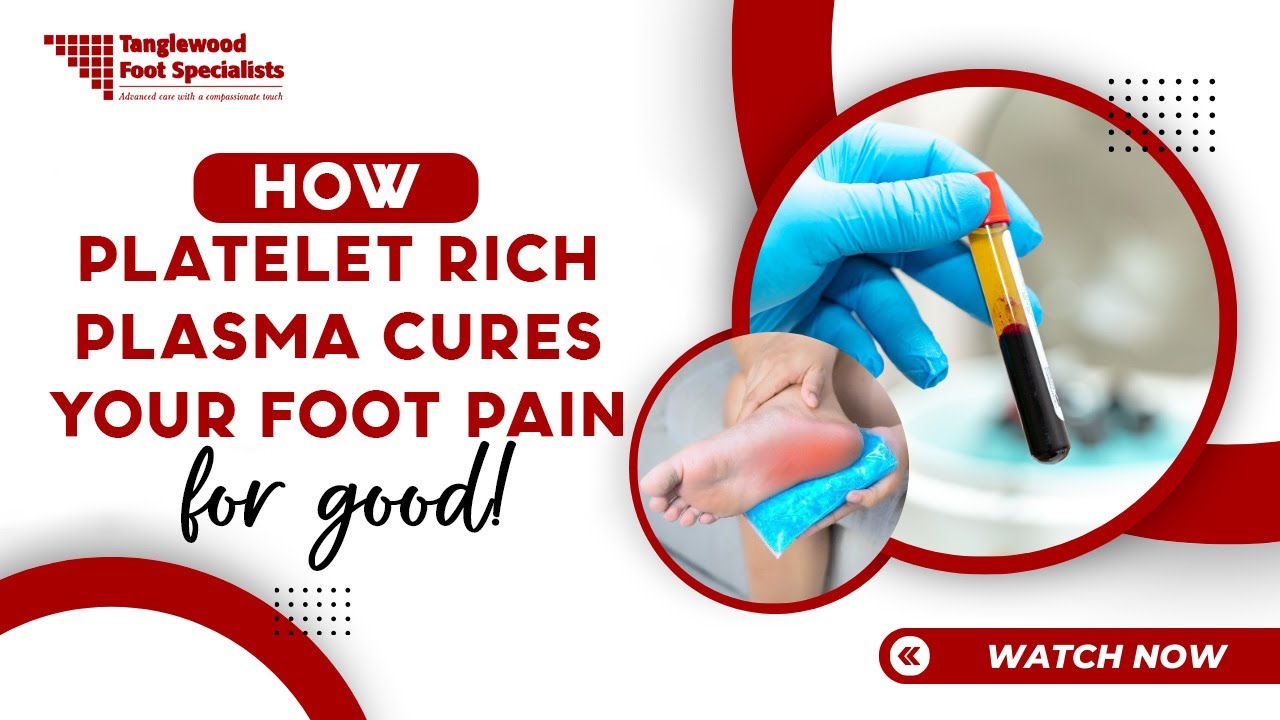
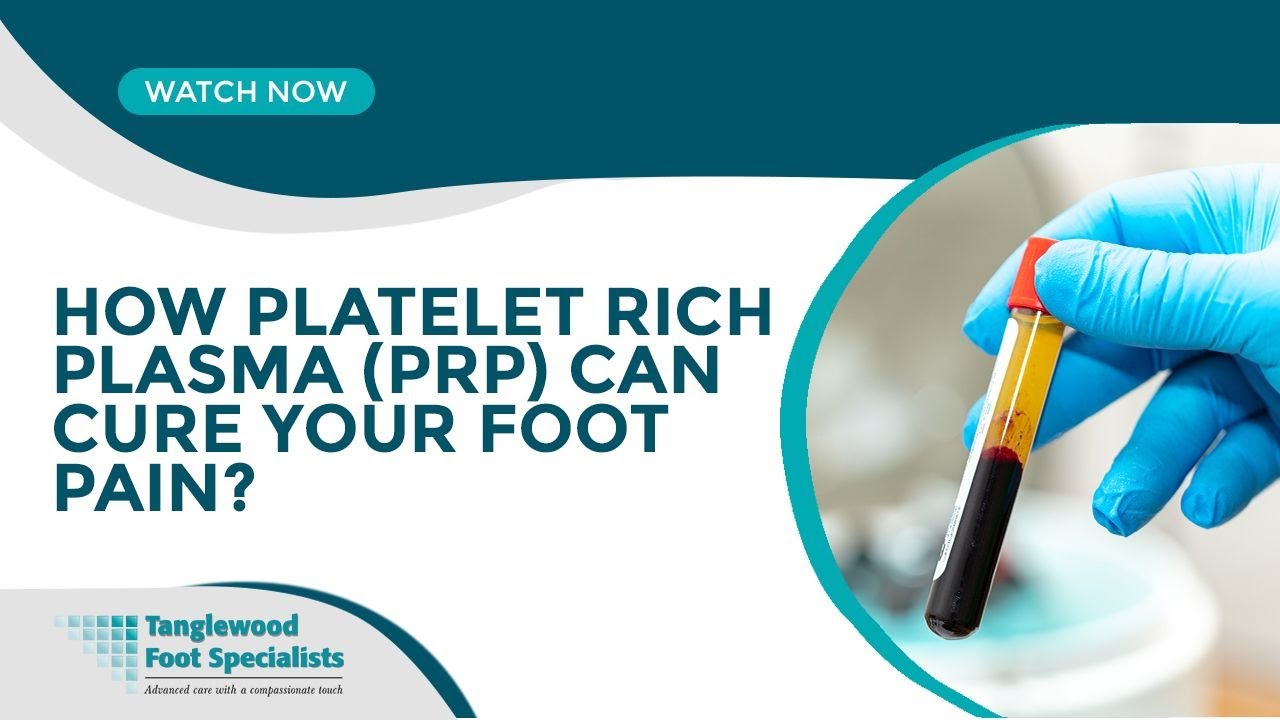
PRP therapy uses your own blood to jumpstart healing. Here's how it works: I draw a small amount of blood from your arm—similar to a routine blood test. That blood goes into a centrifuge, which spins at high speed to separate the different components. What we're after is the plasma that's rich in platelets.
Platelets contain growth factors—specialized proteins that signal your body to send healing cells to an injured area. By concentrating these platelets and injecting them precisely where they're needed, we deliver a powerful healing boost directly to damaged tissue. I call PRP "liquid gold for healing."
Unlike treatments that just reduce inflammation, PRP actually signals tissue repair. The growth factors tell your body, "Hey, there's damage here that needs attention." Your body responds by initiating the healing cascade—new blood vessel formation, collagen production, tissue remodeling.
The injection itself takes just a few minutes, and I often use ultrasound guidance to ensure precise placement. You'll feel the injection—most patients rate it about 5 to 6 out of 10 on the pain scale. Some soreness for a day or two afterward is normal. Research shows that 70 to 80% of patients with chronic tendon problems see significant improvement with PRP.
DPMx - The Alternative When PRP Isn't an Option
Some patients can't have PRP. If you're on blood thinners like Coumadin or Eliquis, or if you have certain clotting disorders, PRP isn't medically appropriate for you. That's where DPMx comes in.
DPMx uses growth factors derived from ethically donated umbilical cord tissue. It contains many of the same healing signals as PRP, just delivered through a different source. Think of it as a different delivery system for the same message your body needs to hear.
The injection process is similar to PRP, and the timeline for results is comparable. I typically use DPMx when PRP isn't medically appropriate, and it's an excellent option to have available.
Remy Laser - Accelerating Tissue Repair
 Here's what makes the Remy Laser different: it feels good. While other regenerative treatments involve some discomfort, the Remy Laser produces a pleasant warm sensation. Patients find it comfortable, even relaxing.
The Remy is a Class IV therapeutic laser that penetrates deep into tissue. It works through three main mechanisms. First, it reduces pain signals at the nerve level—and unlike treatments that just block pain, the laser reduces the tissue damage causing the pain. Second, it decreases inflammation. Third, it improves circulation and cellular energy production.
A typical treatment lasts 10 to 15 minutes. The protocol I usually recommend is six sessions over three weeks—twice weekly. Because it's painless and comfortable, patients have excellent compliance. And it combines beautifully with shockwave, PRP, or DPMx to enhance their effectiveness.
Supporting Treatments
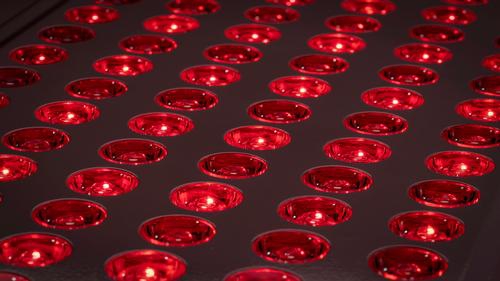
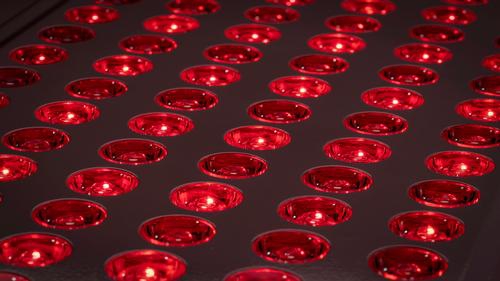
I also use red light therapy for cellular energy production and BPC-157 peptide for systemic healing support. These aren't replacements for the primary regenerative treatments—they're supportive therapies that enhance the overall healing environment.
Combining Regenerative Treatments for Better Results
Different treatments address different aspects of healing, which is why combination approaches often work better than single treatments alone. Shockwave breaks up scar tissue and restarts healing. PRP or DPMx provides concentrated growth factors. Remy Laser reduces inflammation and improves cellular function.
When we combine treatments—say, shockwave therapy with PRP, or PRP with Remy Laser—success rates reach 85 to 95% for many chronic conditions. That's significantly better than any single treatment alone.
Your treatment plan depends on your specific condition and what you're hoping to achieve. Some patients benefit from a single approach. Others get better results with combination therapy. When you come in, we'll discuss which strategy makes the most sense for your situation.
Wondering if regenerative medicine is right for your foot pain? Let's discuss your specific situation and goals. Call us at 713-785-7881 or request an appointment online.
What Houston Patients Ask Me About Regenerative Medicine
Q: Does it hurt?
The honest answer: it depends on which treatment you're getting. The Remy Laser produces a pleasant warmth and is completely comfortable. Shockwave therapy feels like a tapping sensation—most patients rate it about 4 to 5 out of 10 on the pain scale. PRP and DPMx involve an injection, which most patients rate about 5 to 6 out of 10. Some soreness for a day or two after the injection is normal.
I need to set realistic expectations here. These aren't painless treatments (except for the laser), but they're tolerable. And the discomfort is temporary, measured in minutes, not days or weeks.
Q: How long until I see results?
This isn't an overnight fix. Regenerative medicine stimulates tissue healing, and that process takes time. Most patients start noticing initial improvement within 2 to 4 weeks. The full benefit typically becomes apparent over 3 to 6 months as your tissue remodels and repairs.
Here's what makes this different from something like cortisone: cortisone works fast but the effect is temporary. Regenerative medicine works slower but the results last because you've healed tissue, not just masked symptoms.
Q: How do I know which treatment is right for me?
It depends on your specific condition, your goals, and your timeline. Some conditions respond better to certain treatments. Some patients benefit from a single approach, while others need combination therapy. When you come in for an evaluation, we'll discuss which approach makes the most sense for what you're trying to achieve.
Q: What if regenerative medicine doesn't work for me?
The success rates for regenerative medicine range from 80 to 95%, depending on the specific condition and treatment. That means 5 to 20% of patients may need a different approach. If regenerative medicine doesn't give you the results you're hoping for, we'll discuss other options. You're not worse off if it doesn't work—you've just gained information about what your body needs.
I'm honest about limitations. These treatments work for most people, but not everyone. That's why we have a conversation before starting treatment, so you understand the realistic likelihood of success for your specific situation.
What to Expect: The Treatment Process
When you come in, I'll start by understanding your goals. That's the most important part of the consultation. What do you want to get back to doing? Are you training for a race? Trying to get through your workday without pain? Planning a trip where you'll be walking a lot? Your goals determine which treatment approach makes the most sense.
Then I'll do a physical exam and review any imaging you've had. I'm looking at how your foot moves, where the pain is located, what structures are involved. If you don't have recent X-rays or an MRI, we may need imaging to see exactly what we're dealing with. Once I understand your condition, we'll discuss which regenerative treatment—or combination of treatments—gives you the best chance of achieving what you're after. I'll explain exactly how each works and what you can realistically expect.
The treatments themselves happen right here in my Houston office. PRP or DPMx takes about 30 to 45 minutes including the blood draw and preparation time. Shockwave therapy takes 10 to 15 minutes per session. Remy Laser also runs about 10 to 15 minutes. You walk out immediately after treatment—there's no extended recovery period where you can't drive or need someone to take you home.
Activity recommendations depend on which treatment you receive. After PRP or DPMx, I typically ask patients to avoid high-impact activities for a few days while the growth factors do their work. Normal walking is fine. After shockwave or Remy Laser, there are really no activity restrictions. You can return to your normal routine right away.
We'll schedule follow-up appointments to track your healing progress and adjust the plan if needed. I'm with you through the entire process, not just on treatment day. If something's not responding the way we expected, we'll troubleshoot and make changes. Your plan depends on your specific condition and what you're hoping to achieve.
Making Your Decision
Some patients choose to start with regenerative medicine because it aligns with their goals and timeline. Others prefer trying conservative approaches first and exploring regenerative options if they need them. Some want to combine regenerative treatments with orthotics or physical therapy. All of these paths are valid—it depends on your priorities, your timeline, and what you're hoping to achieve.
There's no "right" answer—just the right answer for you. I'm here to explain your options, not tell you what to do. We'll discuss what each approach offers, what you can realistically expect, and help you make a decision that makes sense for your situation.
Regenerative Medicine for Foot Pain: Final Thoughts
Regenerative medicine offers a way to heal tissue, not just manage symptoms. Whether you're dealing with plantar fasciitis, Achilles tendinitis, Morton's neuroma, or chronic heel pain, these treatments can stimulate your body to complete the healing process. You can use regenerative medicine as a primary treatment approach, or you can combine it with other therapies. Your goals and preferences matter.
If you're curious about whether regenerative medicine is right for your situation, let's talk. Give us a call at 713-785-7881 or request an appointment online. We'll discuss your condition, your goals, and which approach to healing makes the most sense for what you're trying to achieve. I'm here to help you make an informed decision that's right for you.
Houston Foot & Ankle Specialist Dr. Andrew Schneider offers sports podiatry, diabetic foot care, and treatment and surgery of all foot and ankle problems to residents of Houston Texas and surrounding areas. Contact us today for an immediate appointment. Dr. Schneider can be followed on Twitter, Facebook, Instagram, and Pinterest.