What Is Regenerative Medicine?
Regenerative medicine uses your body's own healing power—or natural healing materials—to actually repair damaged tissue, not just mask pain. Unlike medication that manages symptoms or surgery that removes tissue, regenerative treatments stimulate your body to rebuild and restore injured areas naturally.
Think of it this way: when you cut your finger, your body knows how to heal it. You don't consciously tell your cells to form new skin—your body just does it automatically. But when tissue in your foot or ankle is chronically injured, that healing process often stalls out.
It's like having a construction crew that started a job but never finished it. The tissue remains in a state of chronic inflammation without progressing to true repair. That's what we call a failed healing response.
Regenerative medicine is like bringing in new workers, materials, and tools to finally complete the project. Different types of regenerative treatments work in different ways—some deliver concentrated healing factors directly to the injury (PRP), some use sound waves to break up barriers and restart healing (shockwave therapy), some use light energy to power cellular repair (red light and laser), and some provide biological building blocks your body needs (peptides and tissue grafts).
Here's the thing. In most medical offices, doctors are trained to think in terms of medicate or operate. If medication doesn't work, the next step is surgery. But what if there's a third option that most doctors never mention? That's where regenerative medicine comes in—offering a comprehensive range of treatments that actually heal tissue rather than just managing symptoms or removing damaged areas.
Why Traditional Treatments Stop Working
Here's what most people don't realize: pain medications and cortisone injections don't heal anything. They're designed to reduce inflammation and block pain signals, which makes you feel better temporarily. But they don't provide the materials your body needs to actually repair damaged tissue.¹
That's why your heel pain keeps coming back after the cortisone wears off. That's why you've been taking ibuprofen for months without seeing lasting improvement. These treatments are managing symptoms, not fixing the underlying problem.
And surgery? It's removing or cutting tissue—which sometimes is necessary, don't get me wrong. But in our Houston podiatry practice, I see patients every day who've been told surgery is their only option when regenerative medicine could actually heal their chronic plantar fasciitis, their stubborn Achilles tendinitis, or their painful Morton's neuroma.
The problem is that most doctors simply aren't trained in regenerative medicine. It's not that they're keeping it from you—many just don't know these options exist. In traditional medical training, you learn medication first, then surgery. There's very little education about the treatments that fall in between.
This is especially frustrating when you're dealing with conditions that have poor blood supply. Your plantar fascia, your Achilles tendon, the tendons around your ankle—these tissues don't get great circulation. Without good blood flow, your body struggles to deliver the healing factors that repair damage.² Traditional treatments do nothing to address this fundamental problem.
The Seven Types of Regenerative Medicine for Foot Pain
After treating thousands of patients with chronic foot pain, I've found that different types of regenerative medicine work better for different conditions. Some patients need the mechanical stimulation of shockwave therapy. Others benefit more from the growth factors in PRP. Many do best with a combination approach.
Here's a complete breakdown of the seven regenerative options we offer at Tanglewood Foot Specialists, organized from least to most invasive.
Tier 1: Non-Invasive Light-Based Therapies — Red light therapy and Remy Class IV laser use specific wavelengths of light to stimulate cellular healing. Think of it like photosynthesis for your cells—the light energy powers your body's natural repair processes. These are completely painless, require no downtime, and work particularly well for neuropathy and early-stage inflammation.
Tier 2: Mechanical Stimulation — Shockwave therapy uses acoustic pressure waves—not electric shocks—to restart stalled healing. It breaks up scar tissue, increases blood flow, and triggers your body's repair mechanisms. With an 82% success rate, it's one of our most effective treatments for chronic plantar fasciitis and tendon problems.
Tier 3: Biological Growth Factors — PRP (platelet-rich plasma) uses your own blood, concentrated to deliver 3-5 times the normal amount of healing factors directly to injured tissue. DPMx uses growth factors from donated umbilical cord tissue. Both provide the biological "instructions" your body needs to repair damaged tendons, ligaments, and connective tissue.
Tier 4: Systemic Regenerative Support — BPC-157 peptide therapy is an oral medication that promotes healing throughout your entire body. Instead of targeting one specific area, it circulates systemically to support tissue repair wherever you need it most—ideal for patients with multiple problem areas.
Tier 5: Tissue Restoration — Liposana adipose tissue allograft replaces lost fat padding under your foot. When age or injury has worn away your natural cushioning, this literally restores the "shock absorber" that's missing. It's the only treatment that addresses fat pad atrophy—a problem nothing else can fix.
Let's look at each of these in detail, including which conditions they work best for, what to expect during treatment, realistic timelines and success rates, and how we often combine them for even better results.
Houston Regenerative Medicine: Red Light Therapy for Entry-Level Treatment
Red light therapy is where I often start with patients who are new to regenerative medicine. It uses specific  wavelengths of light—typically 630-850 nanometers—that penetrate deep into your tissue to stimulate cellular healing. There are no needles, no discomfort, no downtime. You literally sit or lie down for 10-15 minutes while therapeutic light bathes your feet. Most patients actually find it relaxing—many fall asleep during treatment.
Red light therapy works by creating the perfect "greenhouse" conditions at the cellular level. Just like plants grow better in optimal light, temperature, and humidity, your cells heal better when they receive the right wavelengths of light energy. This stimulates the mitochondria—the powerhouses of your cells—to produce more ATP (cellular energy). With more energy available, your cells can do what they're designed to do: repair damage, reduce inflammation, and regenerate healthy tissue.
I find red light therapy particularly effective for neuropathy—that numbness, tingling, or burning sensation that diabetic patients often experience. It's also excellent for early-stage plantar fasciitis, general foot pain, and post-surgical healing. Because it's non-invasive and has zero side effects, it's ideal for patients who want to start with the gentlest option, those who are nervous about injections, or anyone dealing with multiple areas of discomfort.
Sessions take 10-15 minutes, and we typically recommend 2-3 treatments per week for 4-6 weeks. Many patients notice relief within the first 2-3 sessions. The cost runs about $39 per session, or $180 for a package of six treatments. You walk in, get treated, and walk out—no recovery time needed.
Research shows 70-80% of patients experience significant pain reduction with red light therapy, particularly for neuropathy symptoms.³ The safety profile is excellent—there are no known adverse effects. If you're not seeing meaningful improvement after 6-8 sessions, that tells me we need to step up to a more powerful regenerative option—either the Remy laser's higher power or mechanical stimulation from shockwave therapy.
Remy Laser Therapy: High-Power Regenerative Treatment
The Remy Laser is what I call our "heavy hitter" for chronic pain. While red light therapy uses LED arrays for broader  treatment, the Remy is a Class IV therapeutic laser that delivers concentrated high-power energy deep into tissue—reaching 3-5 inches deep compared to red light's 1-2 inches.
Think of red light as sunlight—broad, gentle, nurturing. The Remy Laser is like a focused beam of healing energy—concentrated, powerful, targeted.
The Remy Laser increases cellular metabolism by up to 400%, which dramatically accelerates healing. It decreases swelling within hours, enhances blood flow to areas with poor circulation, and stimulates peripheral nerve repair. For patients with neuropathy, that last part is critical—it's not just reducing pain signals, it's actually helping nerves regenerate.
I typically recommend the Remy Laser for moderate to severe plantar fasciitis, chronic Achilles tendonitis, stubborn Morton's neuroma, and especially for neuropathy—both diabetic and non-diabetic. We typically do 1-2 treatments per week for 6-12 sessions. Many patients feel improvement after just 1-2 treatments.
As of this writing, a single pain treatment runs $97, or you can get a package of six treatments for $497. For toenail fungus, we use a different protocol—four treatments over 4-8 weeks at $1,200 for the package. Prices are subject to change.
Studies show 80-85% of patients experience significant improvement with Class IV laser therapy, and I see those numbers in my own practice.⁴ For toenail fungus, the Remy Laser achieves 85-90% clearance rate—more effective than oral antifungals without the need for liver monitoring or drug interactions.
So how do you choose between red light and the Remy Laser? If your condition is mild to moderate and you want the gentlest approach, start with red light. If you've got severe chronic pain, have already tried other treatments without success, or need faster results, the Remy Laser's higher power makes the difference.
I also prefer the laser for deep tissue injuries—Achilles tendonitis, for example—where we need that penetration depth.
Shockwave Therapy: Mechanical Regenerative Medicine
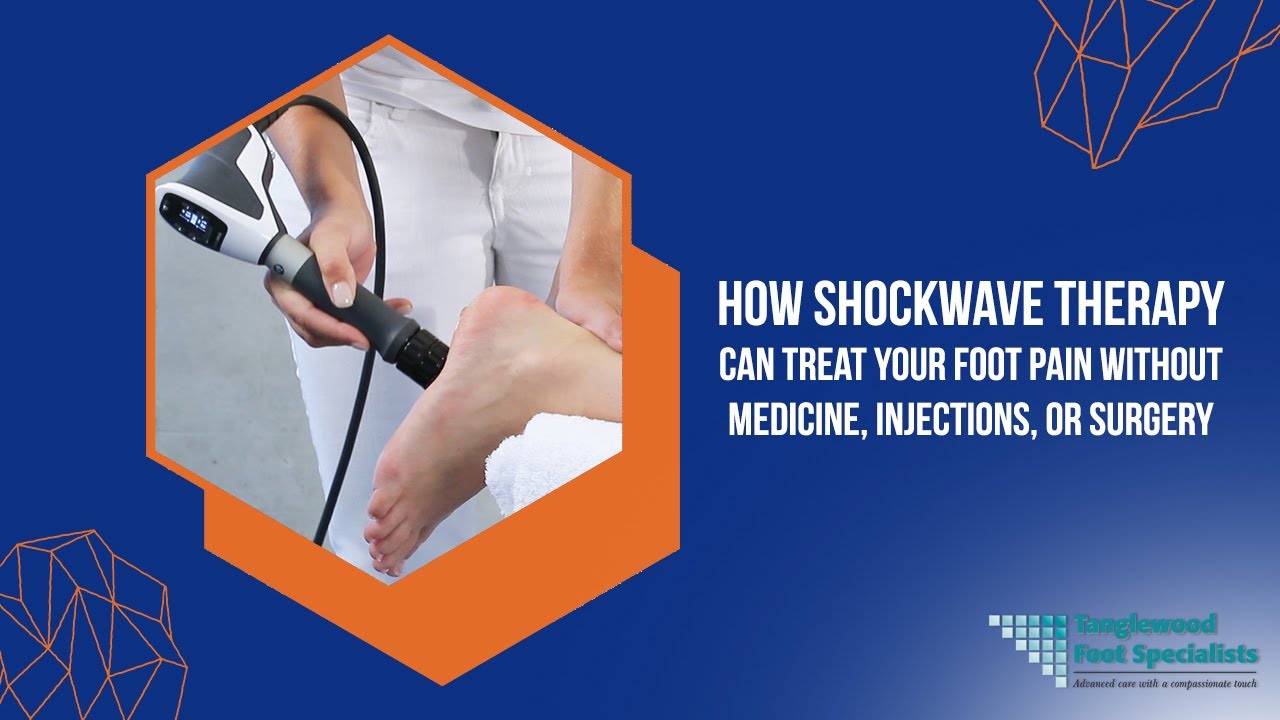
I also use shockwave therapy to treat my heel pain. This treatment uses sound waves to stimulate the area, increase  blood flow, and promote healing. It was a key part of resolving my plantar fasciitis. Despite its intimidating name, shockwave therapy is actually non-invasive—no needles, no incisions, just acoustic pressure waves delivered through a handheld device placed against your skin.
Think of shockwave therapy like aerating a lawn. By creating small channels in compacted soil, you allow water, air, and nutrients to penetrate more deeply, resulting in healthier growth. Similarly, shockwave therapy creates pathways for healing factors to reach damaged tissue. It breaks up scar tissue and calcifications that have been blocking your body's healing process, stimulates increased blood flow, and triggers the release of growth factors and stem cells that activate your repair mechanisms.
Here's what's actually happening during treatment: the acoustic waves create controlled microtrauma in the damaged tissue. That sounds counterintuitive—why would we want to create more trauma? Because in chronic conditions, your healing process has stalled out. The controlled microtrauma restarts that healing cascade. It's like hitting the reset button on a frozen computer—sometimes you need to restart the system to get it working properly again.
During a session, you'll feel a rhythmic tapping sensation. Some patients describe mild discomfort—we adjust the intensity to keep you comfortable, never above a 4-5 out of 10. The entire session takes about 10 minutes. Many patients actually feel immediate relief after the first treatment, though full healing takes several weeks. You might have mild redness or soreness for 24 hours afterward, but there's no downtime.
The standard protocol is once a week for three weeks. A single session runs $300, or you can get a package of three for $750, which saves you about 10-15%. Here's what gets me excited about shockwave therapy: we see an 82% success rate.⁵ That's backed by research published in major medical journals and matches what I've observed in my own Houston practice over the years. It almost makes surgery obsolete for many conditions that used to require it.
Shockwave therapy works best for plantar fasciitis—it's the most studied application with the strongest evidence. I also use it frequently for Achilles tendinopathy, Morton's neuroma, calcific tendinitis, bone spurs, and stress injuries. Most patients experience their peak benefit 2-4 weeks after the final session. And here's the best part: if we've also corrected the underlying mechanics with orthotics, those results typically last.
PRP Therapy: Liquid Gold for Healing
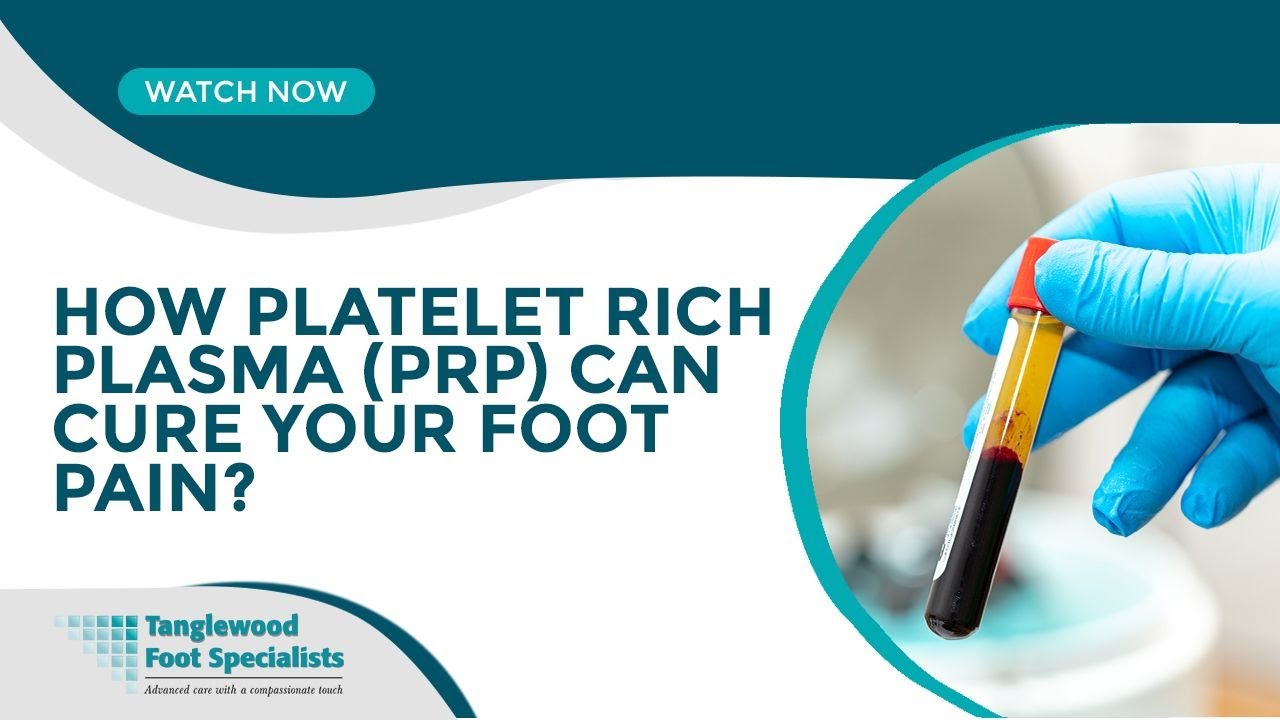
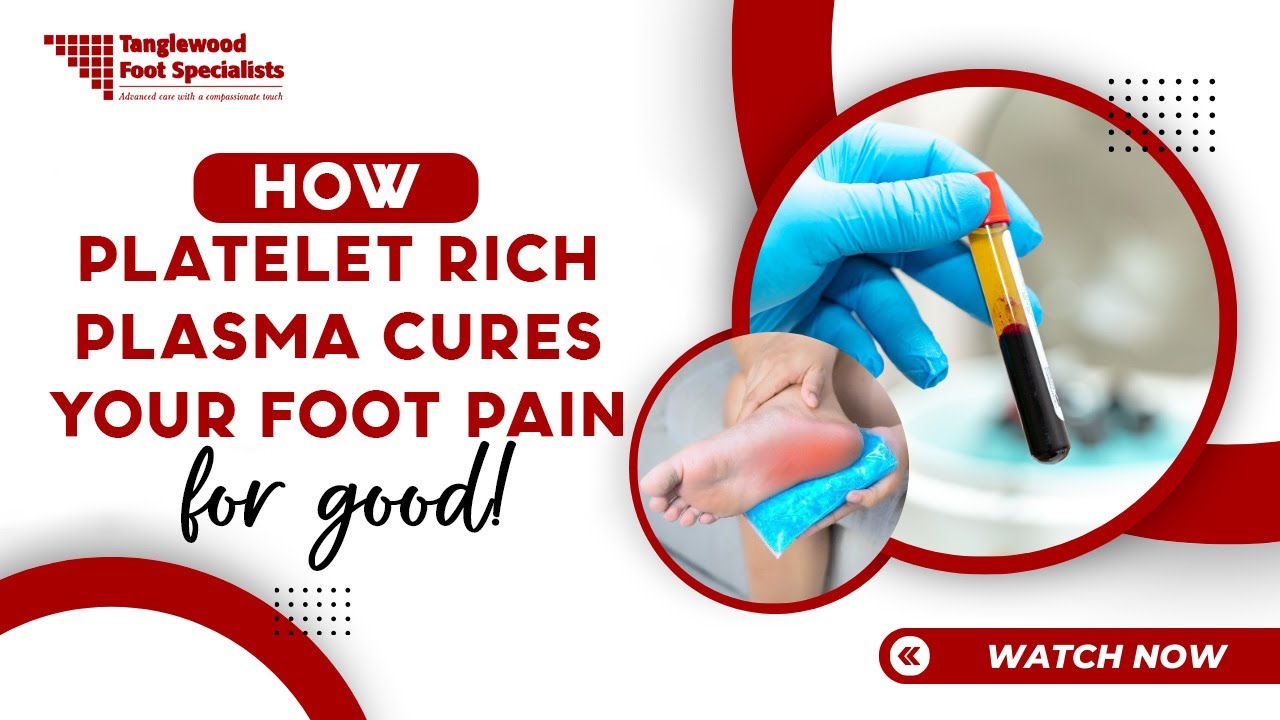
PRP is like liquid gold for healing. Platelet-rich plasma therapy uses your body's own healing factors to accelerate  recovery. We draw a small amount of your blood—similar to a routine blood test—and place it in a centrifuge that spins at high speed to separate the components. What we're after is the plasma rich in platelets and growth factors. By concentrating these platelets to 3-5 times normal levels and injecting them precisely where they're needed, we deliver a powerful healing boost directly to damaged tissue.
Here's what makes PRP so effective: platelets contain specialized proteins called growth factors that signal your body to send healing cells to an injured area. When we inject concentrated PRP, several things happen: growth factors activate stem cells already in your body, signaling proteins tell your body "repair this tissue NOW," anti-inflammatory proteins reduce chronic inflammation, and the healing cascade progresses from inflammation to repair to regeneration, with new collagen formation rebuilding structural integrity.
When you come in for PRP, we start with a blood draw from your arm—about 30-60ml, similar to a routine lab test. While that blood processes in the centrifuge for 10-15 minutes, we prepare the injection site. For complex areas like the Achilles tendon insertion or deep tendon tears, I'll use ultrasound guidance to ensure precise placement. The injection takes just a few minutes with mild discomfort during injection that resolves quickly.
After the injection, you might have some soreness for 1-2 days—that's actually a good sign meaning your body is responding. Here's something important: avoid NSAIDs like ibuprofen for two weeks after PRP. I know that seems counterintuitive when you're sore, but those medications block inflammation, and we actually need that initial inflammatory response to trigger healing. Ice is fine. Tylenol is fine. But skip the ibuprofen.
Research shows 70-80% success rates for chronic tendon problems treated with PRP.⁶ What I find particularly compelling is that results tend to be long-lasting—unlike cortisone, which provides temporary relief, PRP actually heals tissue. But here's the catch: it's not immediate. Most patients notice initial improvement within 2-4 weeks, with progressive healing continuing over the following months. The full benefit typically appears 3-6 months after treatment.
I recommend PRP most often for chronic plantar fasciitis—especially cases that have persisted for six months or longer. It's also excellent for Achilles tendinitis, posterior tibial tendinitis, peroneal tendinitis, arthritis of the foot and ankle, and chronic ligament injuries. PRP runs $850 per treatment. Most insurance plans don't cover regenerative medicine yet, though some FSA and HSA accounts do.
BPC-157 Peptide Therapy: Oral Regenerative Medicine
BPC-157 is the first oral regenerative therapy that works systemically. Unlike injections that target one specific area, this  peptide—a short chain of amino acids naturally found in your stomach acid—circulates throughout your body, supporting healing wherever you need it most.
It's ideal for patients who have multiple problem areas. Maybe your heel hurts AND your Achilles AND your knee from compensating. Instead of injecting three different sites, you're supporting healing throughout your body with a simple oral medication.
BPC-157 promotes the formation of new blood vessels (angiogenesis), activates multiple growth factor pathways, stimulates collagen synthesis to rebuild tendons and ligaments, reduces chronic inflammation, and supports peripheral nerve health. Because it also has gut-healing properties, it addresses inflammation throughout your entire GI tract simultaneously.
You'll take BPC-157 as an oral capsule or sublingual preparation, typically 250-500 micrograms twice daily on an empty stomach for 4-12 weeks depending on condition severity. I recommend BPC-157 for patients with multiple areas of tendon or ligament pain, chronic soft tissue injuries, Achilles tendinopathy, plantar fasciitis—especially if it's in both feet—and athletes dealing with overuse injuries.
The cost runs about $150-300 per month, and most patients need 2-3 months for chronic conditions.
You won't see overnight results. Most patients notice initial effects within 2-4 weeks, significant improvement by 6-8 weeks, and full benefit at 8-12 weeks. Research shows 70-80% of patients report significant improvement, particularly when BPC-157 is combined with other regenerative modalities.
BPC-157 requires a prescription and isn't FDA-approved—we use it off-label based on research and clinical experience. That said, the safety record is excellent with minimal side effects.
DPMx & Liposana: Tissue-Based Regenerative Medicine
DPMx tissue allograft uses minimally processed human birth tissue from umbilical cords—donated after C-sections—to promote healing. Before you have concerns about stem cells or ethical issues, let me clarify: the FDA requires that all live cells be removed during processing.
What remains are growth factors, structural proteins, and signaling molecules that support your body's healing. Think of it as a biological scaffold that guides your own cells to rebuild healthy tissue.
DPMx provides off-the-shelf availability without a blood draw, with growth factors comparable to or exceeding PRP. I typically use DPMx for severe plantar fasciitis with significant tissue degeneration, Achilles tendinopathy that didn't respond to PRP, chronic wounds like diabetic ulcers, or when patients prefer not to use their own blood. Cost runs $700-1,000 per injection, with most patients needing 1-2 treatments.
Liposana addresses something completely different: lost fat padding. As we age or after injury, the natural cushioning under the ball of your foot or heel wears away. Patients describe it as "walking on my bones" or "feeling every pebble through my shoes."
This isn't inflammation or a tendon problem—it's lost tissue that needs to be replaced. You can't stretch it away. Orthotics help redistribute pressure, but they don't replace the missing cushioning.
Liposana is processed fat tissue that literally restores the "shock absorber" nature intended you to have. We inject it directly into the affected area using ultrasound guidance. It provides immediate mechanical cushioning while stimulating collagen production over time.
The procedure takes 10-15 minutes, and you walk out the same day in protective footwear. Cost is $975 per 1.5ml vial, and you may need 1-2 vials depending on the area. Success rates run 80-85%.
Patients often tell me "I can walk barefoot again"—that's life-changing.
Liposana is transformative for older adults with age-related fat pad loss, high-heel wearers with forefoot pain, athletes with traumatic fat pad injury, and anyone dealing with bone-on-ground sensation. When you come in, we'll figure out which approach makes sense for your specific situation.
[MID-ARTICLE CTA: "Not sure which regenerative medicine option is right for your foot pain? Call us at 713-785-7881 or request an appointment online. We'll create a treatment plan tailored to your specific condition, goals, and budget."]
What to Expect When You Come In
When you come in for your first appointment, we'll spend time getting to the bottom of what's causing your pain. I'll examine your feet, watch you walk—your gait tells me a lot about what's happening mechanically—and we'll discuss your history. How long has this been painful? What makes it better or worse? What have you already tried? Understanding the full picture helps me recommend the right regenerative approach for your specific situation.
I'm not going to pressure you toward the most expensive option. Some patients do best starting with something simple like red light therapy. Others have been suffering for so long that jumping straight to the PRP and shockwave combination makes sense. We'll talk through your options, including realistic timelines, success rates, and costs. You get to make an informed decision about what feels right for you. I won't judge you for choosing conservative treatment first, and I especially won't push you toward treatments you're not comfortable with.
The experience varies depending on which regenerative medicine we're using. Red light and laser are completely passive—you sit or lie down while therapeutic light does the work. Shockwave involves that rhythmic tapping sensation I mentioned earlier. PRP includes a blood draw and injection. But across all treatments, our goal is keeping you comfortable. We adjust intensity, use local anesthetic when needed, and make sure you know what to expect at every step.
Most regenerative medicine requires minimal downtime. You walk in, get treated, and go about your day. PRP might have a few days of soreness. Liposana needs protective padding for a week or two. But generally, you're not sidelined the way you would be with surgery.
We'll schedule follow-up appointments to track your progress and adjust the treatment plan if needed. If you're not improving as expected, that tells me something—maybe we need to add another modality, address mechanics with orthotics, or consider a different approach entirely. Either way, I need to see you to create a treatment plan that's tailored to your situation.
How to Choose the Right Regenerative Medicine for Your Foot Pain
With seven different types of regenerative medicine and multiple combination protocols, you might be wondering: where do I start? That's a question I hear every day, and the honest answer is that it depends on your specific condition, how long you've been dealing with it, what you've already tried, and what your goals are. Let me walk you through the decision-making framework I use with patients.
If your pain has been present for less than three months and is mild to moderate in intensity, I typically start with red light therapy or shockwave therapy plus lifestyle changes and custom orthotics. The cost runs $750-1,000 total, the timeline is 4-6 weeks, and about 70-75% of patients in this category respond well.
For moderate-stage conditions—you've been dealing with this for 3-6 months and the pain is affecting your daily activities—shockwave therapy or the Remy Laser becomes more appropriate. If you have multiple problem areas, add BPC-157 peptides. That investment runs $775-1,200, the timeline is 6-10 weeks, and success rates jump to 75-85%.
Advanced-stage conditions—pain for 6-12 months or longer with severe intensity—typically need the PRP plus shockwave combination. That's where we see our best results: 85-95% success rate over a 3-4 month timeline, with an investment of $1,325-1,875.
Different conditions respond better to different approaches. For neuropathy, red light or the Remy Laser combined with BPC-157 works best because you need cellular stimulation plus nerve regeneration support. For fat pad loss, Liposana is your only option—nothing else replaces lost tissue. For chronic tendon problems like plantar fasciitis or Achilles tendinitis, the PRP plus shockwave combination has the strongest evidence.
Here's what the evaluation process looks like: when you come in, I'll start by examining your feet, watching you walk, and understanding exactly what's been going on. How long has this been painful? What have you tried? What activities can you not do anymore? What are your goals—do you want to run a marathon, or would you settle for being able to walk around Disney World without agony? Then we'll talk through your options. I'll be honest about what I think will work best based on my experience treating this condition hundreds of times. But I'll also respect your preferences about needles, timeline, and budget. Either way, I need to see you to create a treatment plan that's tailored to your situation.