What Is a Diabetic Foot Exam?
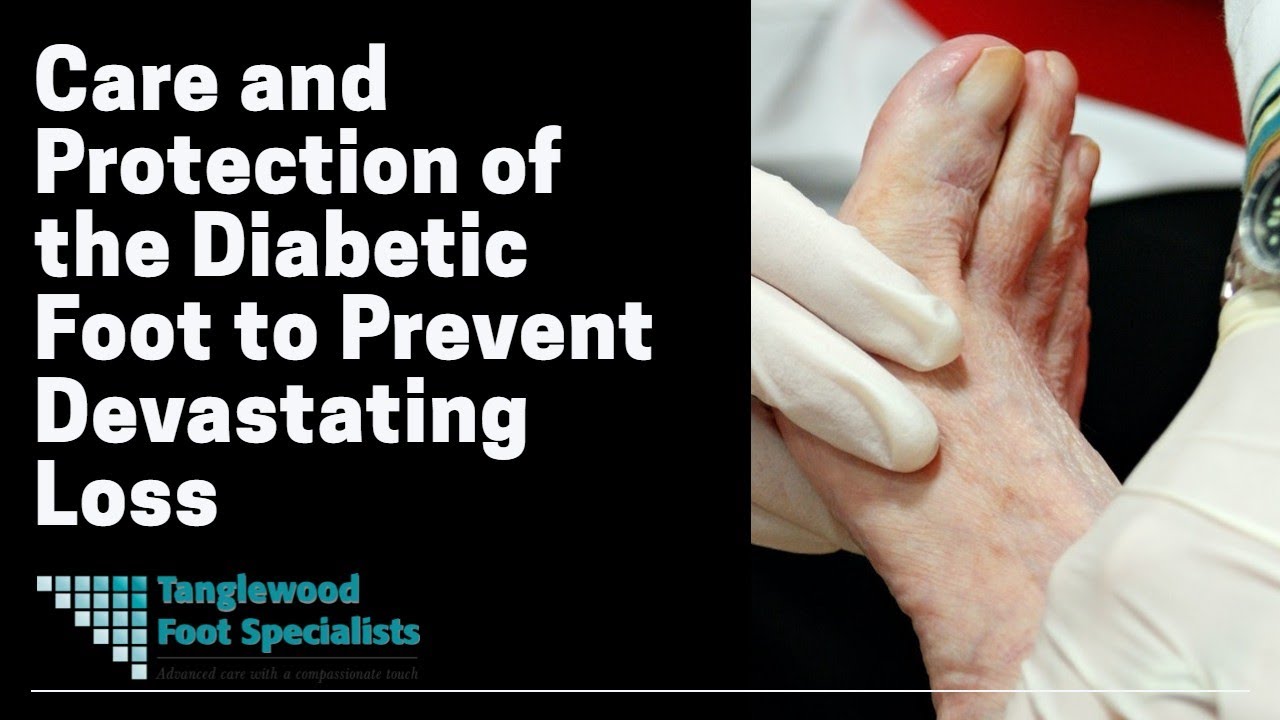
A diabetic foot exam is a comprehensive clinical assessment performed by a podiatrist to detect nerve damage,  circulatory problems, structural deformities, and early wounds in people with diabetes — before those problems progress to infection or amputation. A complete exam includes neurological testing, vascular assessment, skin and nail evaluation, and musculoskeletal review, and should be performed at least once a year.
Here's what's actually happening beneath the surface. Chronically elevated blood sugar damages nerves and blood vessels over time — quietly, without any sensation you'd notice. This is peripheral neuropathy: nerve damage that progressively turns down the volume on your body's warning system.
You don't feel the damage accumulating. You just stop feeling things in your feet — and that's when injuries start going undetected.
I describe it to people this way. Think of your nerves like the smoke detector in your home. Normally, that sensor detects a problem and sounds an alarm. Diabetic neuropathy doesn't damage the house — it damages the alarm system.
Your foot can be developing a serious wound or infection, and your nervous system never sounds the alert. The clinical term for when this reaches a critical threshold is loss of protective sensation, or LOPS — the point where you can no longer reliably feel injury happening to your feet. That's the key finding I'm testing for. And it almost never comes with any symptoms that would tip you off on your own.
What most people have had is not this exam. A quick visual check at a primary care visit — socks off, a few seconds of looking — is not a diabetic foot exam. A real exam takes 20 to 30 minutes, uses specific diagnostic tools, and produces a risk level that determines how closely I need to monitor you going forward. Understanding diabetic foot care starts with understanding how different those two things are.
Why Do People With Diabetes Need a Foot Exam Every Year?
The short answer: because the complications that lead to amputations almost never hurt until they're serious. Every 30  seconds, someone loses a limb to a diabetes complication. In the United States alone, that adds up to more than 154,000 amputations per year. And roughly 15% of people with diabetes will develop a foot ulcer at some point in their lives — most of which start as something small that simply wasn't caught in time.¹
Here's the thing about blood sugar and healing. There's a relationship between your A1C level and your body's ability to repair itself that most people don't fully appreciate. Every point your A1C sits above normal doesn't reduce your healing capacity by a little — it reduces it by ten times.
One point too high means healing is reduced tenfold. That's not a gradual slide. That's a cliff. And it explains why foot ulcer treatment becomes dramatically more complicated the longer a wound exists in a poorly controlled diabetic environment.
The "I feel fine" objection is something I hear constantly. And I understand it — if nothing hurts, why go in? But that logic works for conditions where pain is still a reliable warning. Neuropathy is precisely the condition where pain stops being reliable.
Absence of symptoms isn't safety. With diabetic feet, it's often the hallmark of the problem. The cases that worry me most aren't the ones where someone comes in with something that hurts. They're the ones where someone comes in and tells me everything feels fine — and I find a wound that's been there for weeks.
How often you need to be seen depends on where your risk lands after the exam. If you have no neuropathy, no circulation issues, no prior wounds, and your glucose is well controlled, once a year is the right floor. If you have active neuropathy or peripheral arterial disease — PAD, the narrowing of blood vessels that supply your feet — you should be seen every three to six months. And if you've had a prior ulcer, an amputation, or a history of Charcot changes, every one to three months is appropriate. The annual exam is a minimum, not a maximum.²
What Houston Diabetics Need to Know About Treatment After the Exam
One thing that separates a comprehensive diabetic foot exam at my practice from what you might get elsewhere is what happens after. The exam isn't the endpoint — it's the map. Everything I find tells me exactly where we go next.
And here's what I want you to understand: finding something early almost always means a simple, conservative solution. Finding it late is a different story.
The Foundation: Daily Habits That Change the Trajectory
Sometimes the most powerful thing we can do doesn't happen in my office at all — it happens in yours, every evening before bed. Daily foot inspection is non-negotiable for anyone with diabetes. That means feeling for warm spots with the backs of your hands, checking between toes, using a mirror to see the bottoms of your feet, and noting any change.
Any redness, any blister, any area that looks different than it did yesterday — those are the things I need to know about. Caught early, most of those findings are a five-minute fix. Missed for two weeks, they can become a hospitalization.
Footwear matters more than most people realize. Shop for shoes late in the day when your feet are at their largest. Confirm there's room at the toe box. Avoid internal seams that rub against skin you can't feel.
When you get new shoes, don't wear them for more than an hour the first day — then check your feet when you take them off.
And there are three things that should never touch a diabetic wound: hydrogen peroxide, which destroys the fibroblasts your body needs to rebuild tissue; rubbing alcohol, which dehydrates tissue and disrupts immune response; and bleach, which causes chemical burns on skin that can't register the damage. Saline and a clean dressing — that's what belongs on a diabetic wound while you're getting to my office.
Blood glucose management underpins all of it. Every point your A1C sits above normal reduces your body's healing capacity tenfold — not ten percent, ten times. That relationship is non-negotiable, and no treatment I offer can fully compensate for uncontrolled blood sugar. Smoking cessation belongs in this conversation too: nicotine accelerates peripheral arterial disease and worsens wound outcomes across every metric we track.
Conservative In-Office Care: The First Line of Clinical Treatment
For most people, professional nail care and callus debridement every six to eight weeks is foundational. Routine foot care visits run $60 at my practice. This isn't cosmetic — calluses with dried blood inside them are often the first sign of a hidden wound developing underneath, and chemical corn removers sold over the counter cause burns on skin that can't feel the damage happening.
When my exam reveals structural deformities or high-pressure zones, custom diabetic orthotics ($700) are often the right next step. Think of them like prescription eyeglasses — they don't correct the underlying anatomy, but they protect you from the consequences of it with every single step you take in them. Diabetic orthotics that redistribute pressure are built from a precise digital map of your specific foot, shifting load away from the zones your exam identified as high-risk before those zones become wounds.
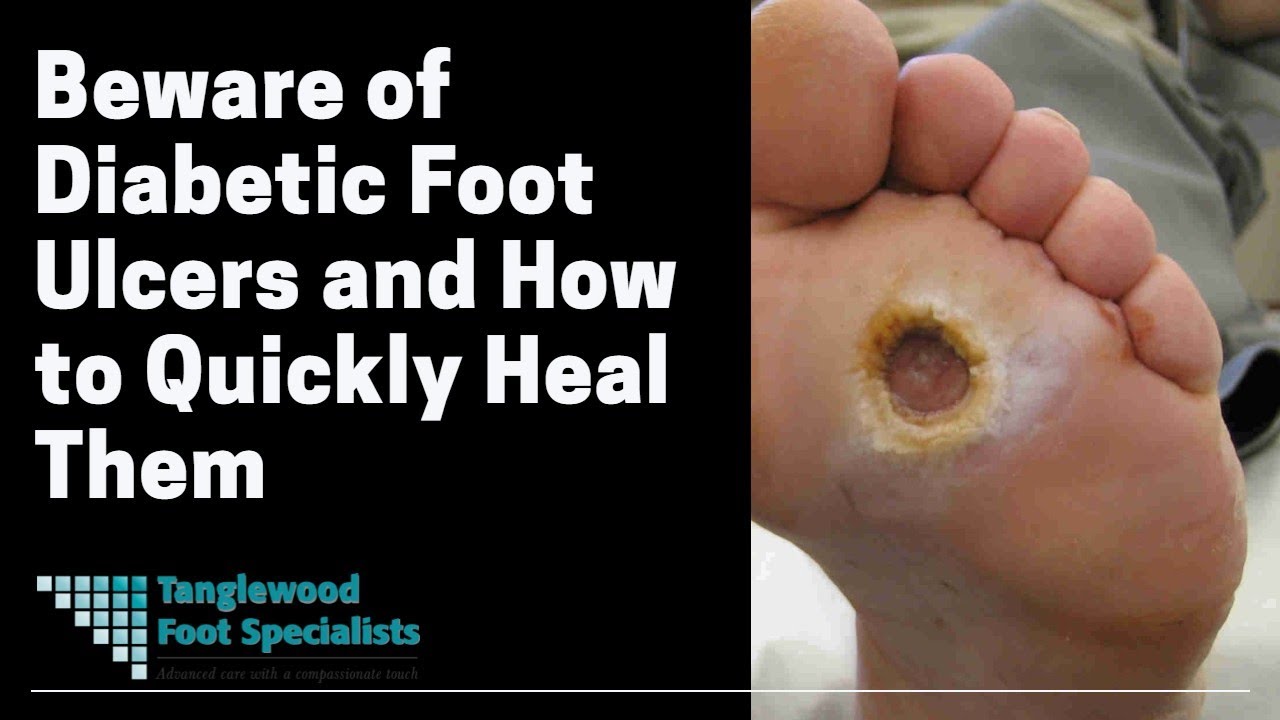
For wounds that are already present, standard wound care has a 70–80% success rate and starts with getting the basics right: saline cleansing, appropriate dressing selection, and offloading. Offloading means keeping pressure completely off the wound while it heals — sometimes that's a cam boot, sometimes it's total contact casting, depending on wound depth and your activity level. When infection is present, targeted antibiotics are added. You can read more about advanced diabetic wound care at my practice if you're already dealing with an open wound.
The Third Option: Advanced Regenerative Therapies
Here's where treatment has changed dramatically in the past decade. When standard wound care stalls — defined as less than 50% reduction in wound size after four weeks — escalation isn't optional. Waiting costs tissue. But what we can offer at that point is genuinely different from what most people expect when they hear "diabetic wound care."
Think of chronic, stalled wounds like a construction crew that started the job but never finished it. Your body launched a healing response, but somewhere along the way — poor circulation, uncontrolled glucose, too much time — that response stopped progressing. The tissue sits in a state of chronic inflammation without moving toward true repair. The regenerative medicine options I use are designed to restart that stalled process, not just cover the wound while waiting for something to happen.
Bioengineered skin substitutes have an 85–95% success rate in wounds that haven't responded to standard care.³ Think of them as Scaffolding — temporary biological structure that gives your body the framework and growth-factor signals it stopped generating on its own. They deliver what a stalled wound can no longer produce: the cellular instructions for tissue regeneration. Medicare may cover approved skin substitutes when specific criteria are met; most private insurance does not, which is worth knowing before we discuss which option fits your situation.
PRP — platelet-rich plasma ($850) — concentrates your own healing growth factors and delivers them directly to compromised tissue. I call it liquid gold for healing. We draw a small amount of your blood, spin it down to isolate the platelets, and inject that concentration into and around the wound.
About 70–80% of people with chronic tissue problems see significant improvement. PRP for non-healing wounds works because it recruits your body's own repair cells to a site that has stopped responding on its own.
For managing neuropathic pain and improving microcirculation alongside wound healing, red light therapy for diabetic tissue ($39/session) and Remy Class IV laser ($97/session) are both tools I use regularly. They reduce inflammation, stimulate cellular repair, and improve blood flow in tissue that diabetes has compromised. Some people also benefit from BPC-157 peptide therapy as an adjunct — a research-backed peptide that supports tissue healing systemically, particularly useful when circulation deficits are limiting local wound response.
Surgery: When It's Truly Necessary
Look, I know that when diabetes and feet and surgery come up in the same conversation, it sounds alarming. But the surgeries I'm typically talking about at this stage — correcting a hammertoe that's creating a persistent wound, removing a bone spur that keeps reopening the same pressure point, addressing structural deformities that standard orthotics can't fully offload — are usually straightforward outpatient procedures with short recovery times. We're not talking about major reconstruction. We're talking about targeted interventions to remove the mechanical reason a wound keeps coming back.
The surgery I want you to never need is the one that happens when problems get ignored for too long. Amputation isn't inevitable — it's almost always the end result of a series of missed opportunities to catch something early and treat it simply. That's what the exam is designed to prevent. When foot surgery for diabetic deformities is the right call, we'll talk through exactly what's involved, what recovery looks like, and what we're solving for — before anything is scheduled.
🔵 If your last diabetic foot exam was more than a year ago — or if you've never had one — I need to see you. Call my Houston office at 713-785-7881 or request an appointment online. Either way, I need to see you.
What Happens During a Diabetic Foot Exam — Step by Step
When you come in, I'll start by sitting down with you — not just looking at your feet, but actually talking with you about how your diabetes is being managed, what symptoms you've noticed, and what your footwear situation looks like. Most foot problems I find have a traceable history. The conversation is part of the exam.
I'll ask about your A1C, your current medications, whether you've ever had a foot wound before, and whether you smoke. None of those questions are judgment — they're calibration. The exam I give you is built around your actual risk profile.
Medical History and Footwear Review
Before I ever touch your feet, I want to know what's been going on. I'll go through your blood sugar management history, any prior foot problems or surgeries, kidney disease status, and signs of peripheral arterial disease. Then I'll physically look at the shoes you came in wearing — not just glance at them, but turn them over, check the wear patterns, press on the toe box, look inside for seams or debris. Shoes that don't fit correctly are one of the most common causes of diabetic ulcers I treat, and it's a problem that's entirely fixable once I know what I'm looking at.
Skin and Nail Assessment
I'll check your entire foot surface — the tops, the bottoms, between the toes, around the nail folds. I'm looking for dryness, cracking, calluses, blisters, temperature differences between your two feet, and any area with redness or drainage. Toenails get a close look too: thickness, color, and signs of fungal infection all matter more in a diabetic foot because infected nails heal poorly and can become entry points for bacteria. One finding I pay particular attention to is a callus with dried blood visible inside it — that's often the first sign of a hidden wound developing underneath the skin, and most people have no idea it's there.
Neurological Testing — The Monofilament Test and Beyond
This is the most critical part of the exam and the one that surprises people most. I'll use a 10-gram monofilament — a thin nylon filament — and press it against ten specific sites on each foot while your eyes are closed. You tell me whether you feel it. Inability to feel it at even one site is a measurable finding: it means diabetic nerve damage has progressed far enough that you've lost protective sensation at that location.
I'll also use a 128-Hz tuning fork on bony prominences to test vibration sense — vibration loss typically precedes pain loss, so it can catch neuropathy earlier. I'm not just checking whether you feel something. I'm mapping exactly which nerve pathways are intact and which aren't, because that map determines everything that comes next.
Musculoskeletal Evaluation
I'll check for structural issues — hammertoes, claw toes, bunions, arch collapse, and any signs of Charcot foot, which is a podiatric emergency where bones in the foot weaken and fracture silently because the nerves can no longer signal pain. Charcot looks like swelling from the outside. It's bone breakdown on the inside. And it's nearly always painless, which is exactly why it gets missed.
Any deformity I find matters because it creates new high-pressure zones on skin that can no longer feel the damage accumulating there. That's the mechanism behind most diabetic ulcers — a structural problem meets a nerve problem, and neither one announces itself.
Vascular Assessment
I'll palpate the pulses in your feet — the dorsalis pedis and the posterior tibial — to get a baseline sense of blood flow. If circulation is in question, I'll perform an ankle-brachial index test, or ABI: a blood pressure comparison between your ankle and your arm. A lower ankle reading indicates peripheral arterial disease — blood is being restricted somewhere along the route.
I'll also check capillary refill by pressing a toe until it blanches, then counting the seconds until color returns. Normal is two seconds or less. A longer return time tells me tissue isn't getting the oxygen and nutrients it needs to close a wound if one develops.
At the end of the exam, I give you a clear picture of where you stand — low risk, moderate risk, or high risk — and exactly what that means for how often I need to see you and what steps we're taking right away. Dr. Andrew Schneider has been performing these exams for more than 25 years, and the goal every time is the same: find what's there before it becomes something harder to fix.