What Makes Diabetic Foot Care Different?
Here's what most people don't realize: diabetes completely changes the rules for foot injuries. That blister from new  shoes or cut from walking barefoot? For someone without diabetes, it's annoying. For a diabetic, it's potentially life-threatening.
Three things happen at once that create what I call the perfect storm. First, peripheral neuropathy (nerve damage) dulls sensation in your feet—you might not feel that pebble in your shoe or notice when a blister forms. Second, high blood sugar impairs circulation, so less oxygen and fewer nutrients reach your feet to fuel healing. Third, diabetes weakens your immune system, making it harder to fight off infections.
Now imagine what happens when all three work together. You step on something sharp but don't feel it because of the neuropathy. The wound doesn't heal properly because of poor circulation. Bacteria invade because your immune system can't mount an effective defense. What started as a tiny puncture wound becomes a serious infection—and you didn't even know you were injured.
That's why daily foot checks aren't paranoia. They're protection.
The Stakes Are Higher Than You Think
I need to be honest with you about something most doctors don't explain clearly: the statistics around diabetic foot complications are genuinely frightening. About 154,000 diabetics in the U.S. face amputations each year. Every 30 seconds, someone in the world loses a limb to diabetes.
But here's what really shocked me when I started researching this: having a diabetic foot ulcer is more deadly than most cancers. Only lung and pancreatic cancer have worse 5-year survival rates. I'm not telling you this to terrify you. I'm telling you because understanding what's at stake makes those two minutes of daily foot checks feel less like a chore and more like essential self-care.
Here's something that changes everything: every point your A1C rises above normal doesn't just decrease your healing ability by a small amount—it reduces it by 10 times. Not 10%. Ten times.
If your A1C is just one point too high, your healing ability drops by 1,000%. This is why blood sugar control isn't separate from foot health—it's the foundation.
Now, before you close this article thinking "I'm doomed"—you're not. Most diabetics never develop serious foot complications. The people who keep their feet are the ones who catch problems early. And catching problems early starts with knowing what to look for.
The Five Warning Signs Diabetics Must Never Ignore
In our Houston podiatry practice, I see this pattern constantly: people who ignored subtle warning signs until they became urgent problems. So let me give you the five things you need to watch for.
If you notice any of these, call us at 713-785-7881 right away.
Warning Sign #1: Numbness (Not Pain)
Most people think pain is the warning sign. But with diabetes, numbness is actually more concerning.
Here's the danger: once you lose sensation, you've lost your body's alarm system.
Diabetic neuropathy often starts gradually—maybe a tingling sensation in your toes, or a feeling like you're wearing socks when you're not. But over time, that progresses to complete loss of sensation. You won't feel the blister forming. You won't notice the nail that punctured your foot. You won't realize you've been walking on a wound for days.
Self-test: Can you feel light touch on your toes? Try this—use the back of your hand to touch your big toe. If you can't feel that gentle touch, it's time to schedule an appointment.
Warning Sign #2: Changes in Skin Color and Temperature
Inflammation shows up differently on different skin tones, and you need to know what to look for on your skin. On lighter skin, look for redness. On darker skin, watch for areas that become darker than usual or take on a purple or grayish tone.
But here's the key: check at the same time every day, preferably after you've been sitting for at least 10 minutes. When you're active, blood flow increases naturally and can mask warning signs.
A change in color that lasts more than 30 minutes after you've removed your shoes? That's a red flag.
Temperature matters too. Use the back of your hand to compare one foot to the other. If one area is noticeably warmer, that often indicates inflammation—even before visible changes appear.
Warning Sign #3: Changes in Foot Shape
Watch for toes that start to curl or claw (hammer toe deformity) or changes in your arch height. If one foot starts looking flatter than the other, that's serious.
Why does this matter? Changes in foot structure create new pressure points. And new pressure points combined with numbness create the perfect setup for ulcers to develop in places you never had problems before.
Warning Sign #4: Non-Healing Wounds
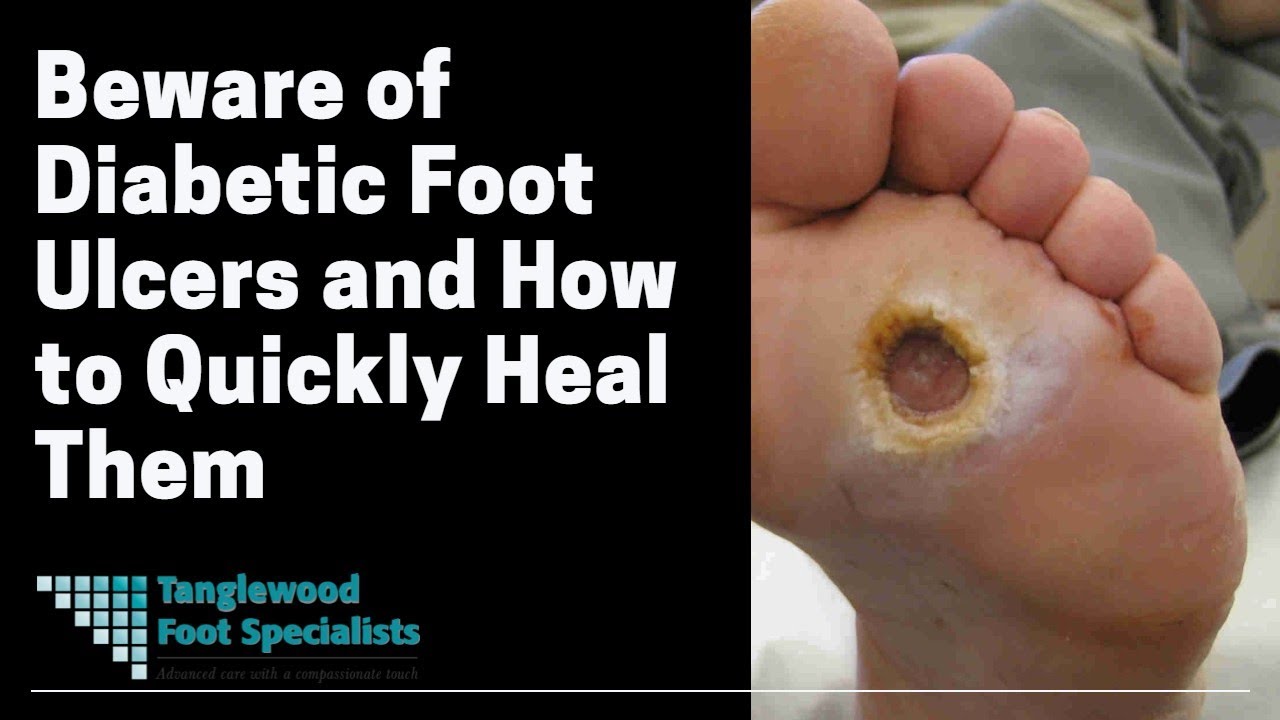
 Here's a crucial rule: if a wound hasn't improved significantly within two weeks, it needs professional attention. That "hasn't improved significantly" part is important—we're not looking for complete healing, but clear progress.
The wound should be smaller, less red, less drainage.
A wound isn't always obvious, either. Even a small crack in your heel or tiny blister between your toes can become serious. Diabetes affects circulation—without good blood flow, minor injuries can't heal properly. What might heal in 3-7 days for someone else could take 3-4 weeks for a diabetic. Or it might not heal at all without proper wound care.
Warning Sign #5: Subtle Signs of Infection
Don't expect obvious redness, swelling, and throbbing pain. With neuropathy, you might not feel typical symptoms. Look for unexplained warmth in one area, slight swelling that comes and goes, drainage in your socks you can't explain, or even a mild fever.
The tricky part? You might feel fine overall.
That's what makes diabetic foot infections so dangerous—by the time you feel sick, the infection has often progressed beyond the foot.
Your Two-Minute Daily Foot Check Protocol
 Look, I know the idea of checking your feet every single night sounds tedious. You're already doing so much to manage your diabetes. But this takes two minutes—literally less time than brushing your teeth.
And those two minutes could save your feet.
Here's exactly what to do. I've broken it into four steps, 30 seconds each:
Step 1: Feel for Temperature (30 seconds)
Use the back of your hand—it's more sensitive to temperature than your palm. Feel the top of one foot, then the other. Compare them. Then feel the bottom of each foot.
You're looking for any area that's noticeably warmer than the surrounding skin. Warmth often shows up before visible signs of inflammation.
Step 2: Look Between Your Toes (30 seconds)
Use a flashlight if the lighting isn't great. Check between every toe for cracks, peeling skin, redness, or white soggy areas. This is where athlete's foot and fungal infections often start—and for diabetics, these "minor" infections can become serious quickly.
Step 3: Check the Bottoms of Your Feet (30 seconds)
Can't reach or can't see well? Use a mirror on the floor. Or ask your spouse, partner, or family member to look for you.
There's zero shame in needing help—this is too important to skip.
Look for any cuts, blisters, bruises, red spots, or areas where the skin looks different than it did yesterday.
Step 4: Examine Your Toenails and Top of Foot (30 seconds)
Check for ingrown toenails, discoloration, thickening, or any trauma to the nail. Look at the top of your foot for swelling, discoloration, or any injuries you don't remember getting.
That's it. Two minutes every night before bed.
Make it part of your routine—right after you brush your teeth, or while you're watching TV. The consistency matters more than the time of day.
What You Should NEVER Use on Diabetic Wounds
If you find a cut or wound on your foot during your daily check, you might instinctively reach for hydrogen peroxide, rubbing alcohol, or even diluted bleach to "disinfect" it.
Don't.
I know hydrogen peroxide is a staple in first aid kits. But while it kills bacteria on the surface, it also destroys the healthy cells your body needs to heal. The effervescence you see—those bubbles—isn't "cleaning." It's cellular damage. You're killing the fibroblasts that produce collagen and the cells that close the wound.
Rubbing alcohol is just as problematic. It causes tissue dryness and can actually delay healing. And bleach? Even diluted, it can cause chemical burns on the sensitive skin of your feet—especially dangerous when you might not feel the damage happening.
So what should you do instead? Gently clean the area with mild soap and warm (not hot) water. Pat it dry carefully. Cover it with a clean, dry bandage.
Then call us at 713-785-7881—yes, even for what looks like a minor wound.
Because here's the thing about diabetic wounds: they need professional evaluation. What looks minor to you might already be showing early signs of infection that we can catch and treat before it becomes serious.
When Professional Care Makes All the Difference
I find that people are reluctant to come into the office because they think we're going to tell them they need surgery or that they've ruined their feet by not being more careful.
I won't judge you. And most of the time, early problems have straightforward solutions.
When you schedule an appointment at our Houston practice, here's what happens: I'll examine your feet thoroughly—checking circulation with pulse tests, testing sensation with a small filament tool, and looking at the overall structure of your feet. We'll talk about what's working in your current routine and what might need adjustment.
If we find an area of concern—maybe early pressure damage or a wound that's not healing—we have options. Sometimes it's as simple as custom orthotics to redistribute pressure away from vulnerable areas. Sometimes we need to address a biomechanical issue that's creating repeated problems.
For wounds that aren't healing, modern advanced wound care has come a long way. We have specialized dressings, growth factors, and when needed, skin substitutes that can dramatically improve healing—even in wounds that have been stubborn for months.
Either way, the sooner I see you, the simpler the solution. Diabetic foot problems don't get better by waiting. They get worse.
The people who keep their feet are the ones who come in when problems are small.
I also recommend preventive visits every 3-6 months even when nothing's wrong. During these appointments, we can catch changes early, update your footwear recommendations as your feet change, and make sure your home care routine is working.
Not sure if what you're seeing during your foot checks is normal? Don't wait and wonder. Contact us at 713-785-7881 for an evaluation. Early attention prevents serious complications.
What to Expect During Your Preventive Diabetic Foot Exam
Even if nothing's wrong—especially if nothing's wrong—you should be coming in for diabetic foot exams every 3-6 months. These preventive visits are where we catch problems before they start.
Let me walk you through exactly what happens during one of these appointments.
When you come in, I'll start by asking about your daily foot care routine. Are you checking your feet every night? What shoes are you wearing most days? Have you noticed any changes, even small ones?
This conversation helps me understand what's working and where we might need to adjust your approach.
Then I'll examine your feet systematically. First, I'm checking your skin—looking for any areas of dryness, cracking, callus formation, or color changes you might not have noticed. I'm paying special attention to pressure points and areas between your toes where problems often develop silently.
Next comes the circulation check. I'll feel for pulses in your feet—there are specific spots where we can assess blood flow. If I have any concerns, we might use a Doppler ultrasound to listen to blood flow through your arteries. Good circulation is essential for healing, so we need to know if there are any issues.
The sensation testing is crucial. I'll use a small monofilament—it looks like a thin piece of fishing line—to test whether you can feel light touch on different parts of your feet. This tells me how much neuropathy is present and whether it's progressing.
You'll close your eyes and tell me when you feel the filament touching your foot. It doesn't hurt at all, and it gives us valuable information about your nerve function.
I'm also going to look at your foot structure and watch you walk. Changes in how you walk can create new pressure points. If I notice that you're compensating for pain or weakness in one area, that tells me where problems might develop. Sometimes just adjusting your gait or recommending supportive footwear can prevent ulcers before they form.
The whole exam takes about 20-30 minutes. And here's what I love about these preventive visits: most of the time, I get to tell people they're doing great. Their feet look healthy, their sensation is stable, their circulation is good.
That's a win.
But when I do find early changes—a spot of callus forming, slightly decreased sensation in one area, early signs of a pressure point—we can address it immediately before it becomes a problem.
Think of these exams like going to the dentist for cleanings. You don't wait until you have a cavity to see the dentist, right? Same principle applies here. Prevention is so much easier than treatment.
The Houston Context: Humidity and Foot Health
Living in Houston adds an extra layer of complexity to diabetic foot care. Our humidity means your feet are sweating more than they would in drier climates. That extra moisture between your toes? It's the perfect environment for athlete's foot and bacterial infections.
If you've been doing yard work or walking the trails at Memorial Park, check your feet extra carefully that evening. Houston's combination of heat, humidity, and outdoor activities creates more opportunities for minor foot injuries you might not feel.
And if you're one of the many Houston workers who spend long days on your feet—nurses at the medical center, retail workers, restaurant staff—that combination of heat, moisture, and constant pressure makes daily foot checks even more critical. Consider changing your socks midway through your shift, especially during summer months.
Take Control of Your Diabetic Foot Health Today
If you're reading this because you've just been diagnosed with diabetes, I'm glad you found this information now, before problems have a chance to develop. If you've been living with diabetes for years but haven't been consistent with foot checks—or if you've never had a proper diabetic foot exam—there's no judgment here.
What matters is what you do starting today.
You have a choice. You can continue hoping nothing bad happens, or you can take two minutes every night to protect your feet. You can wait until a small problem becomes urgent, or you can schedule preventive appointments that catch issues early.
I won't judge you either way. But I will tell you that the people who keep their feet are the ones who choose prevention.
Either way, if you've noticed any of the warning signs we discussed—numbness, color changes, shape changes, wounds that won't heal, or signs of infection—I need to see you right away. Don't wait another week wondering if it's serious. And even if everything seems fine, schedule that preventive exam.
Let's make sure your feet stay healthy for all the years ahead.
Contact Houston podiatrist Dr. Andrew Schneider at 713-785-7881 or request an appointment online. The sooner we address potential issues, the simpler the solutions.
Your feet have carried you this far. Let's make sure they carry you the rest of the way.
Houston Foot & Ankle Specialist Dr. Andrew Schneider offers sports podiatry, diabetic foot care, and treatment and surgery of all foot and ankle problems to residents of Houston Texas and surrounding areas. Contact us today for an immediate appointment. Dr. Schneider can be followed on Twitter, Facebook, Instagram, and Pinterest.