What Is a Diabetic Foot Wound?
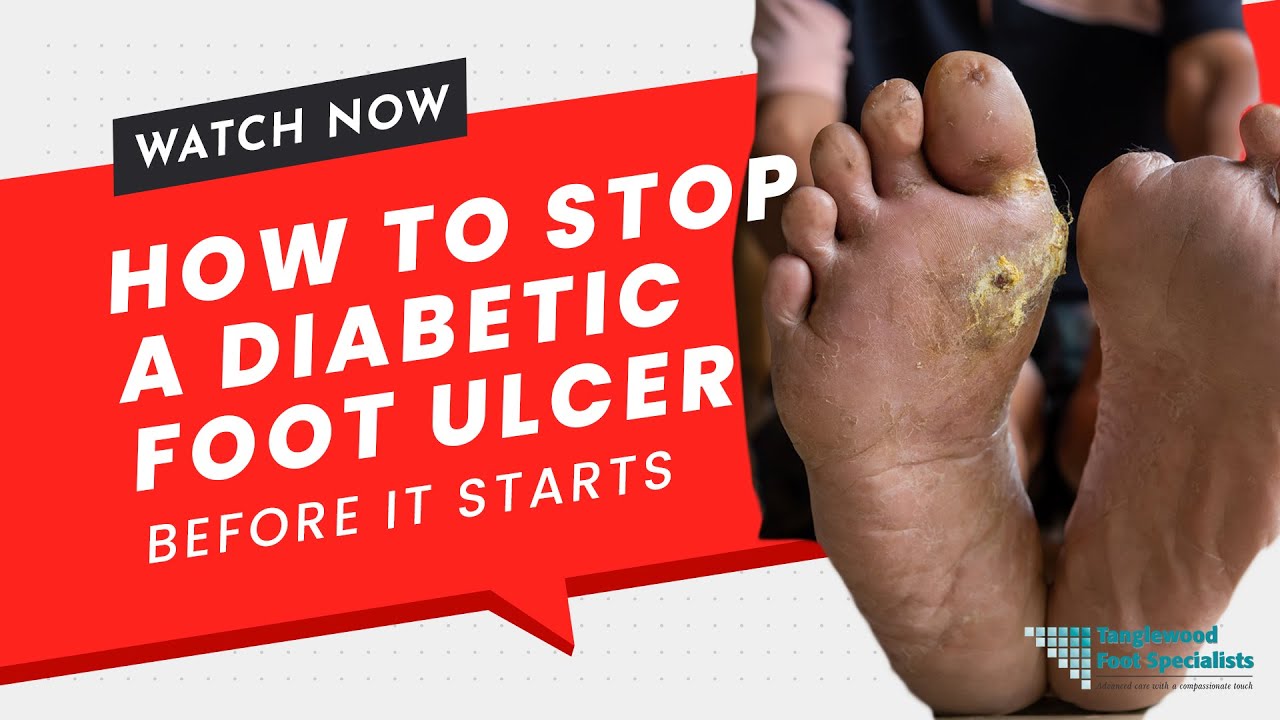
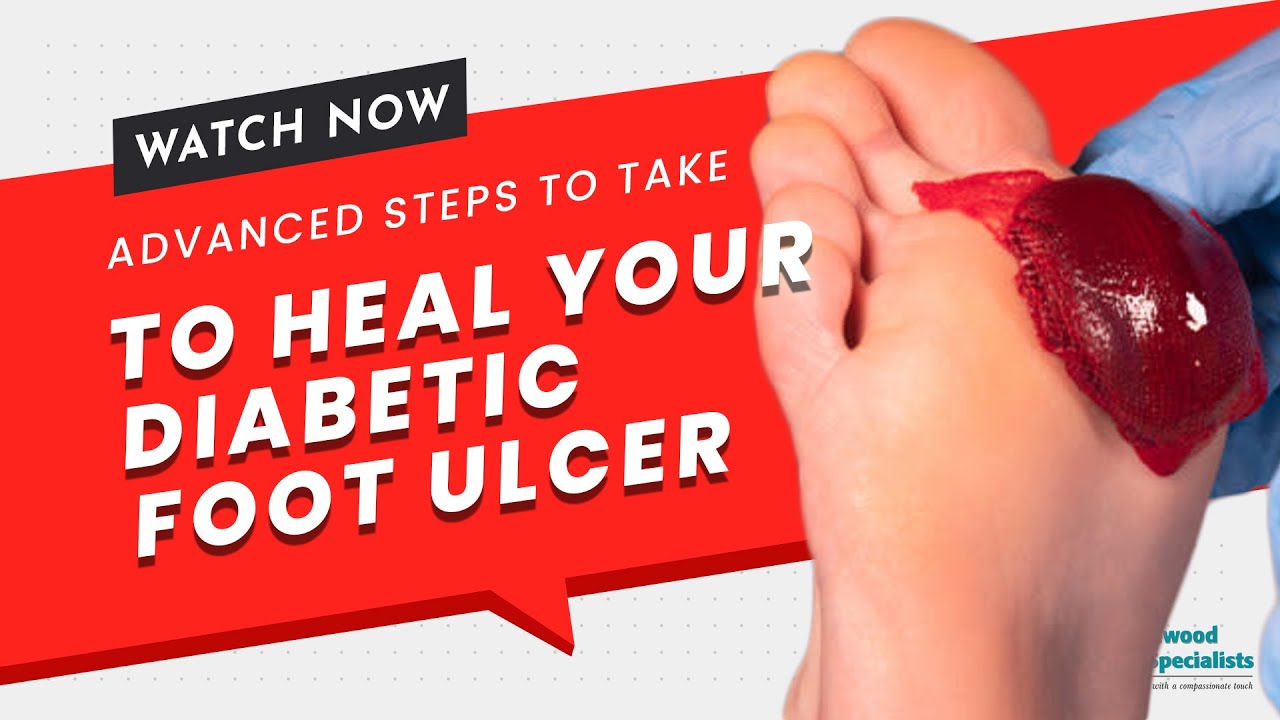
A diabetic foot ulcer — the clinical name for a diabetic foot wound — is an open sore that develops when skin breaks  down and exposes the deeper layers of your foot. According to the American Diabetes Association, it affects roughly 15% of people with diabetes and most often shows up on the sole, right where your body weight falls with every step. Without proper care, these wounds can become infected and, in serious cases, reach the bone.
Here's the thing that catches most people off guard: it rarely starts as an obvious wound. It might begin as a blister from a shoe that rubbed wrong, a small heel crack, or a callus that finally broke down. For someone without diabetes, that's a minor inconvenience that heals in a few days. For you, the breakdown continues — and the wound opens before you even realize something is wrong.
Think of your body's healing response like a construction crew. When you get a wound, that crew shows up immediately — inflammation lays the foundation, new cells start building, and the site begins closing. With uncontrolled diabetes, it's like the crew showed up, started the job, and just stopped. The equipment's there. The site is open. But nobody's building. My job is to figure out exactly why your crew stopped — and get them moving again.
Why Does a Diabetic Wound Stop Healing?
There's not one reason diabetic wounds stall. There are usually three happening at the same time — and that's what makes them so stubborn.
The first is blood sugar and immune function. High glucose levels interfere with your white blood cells, the ones responsible for fighting infection and clearing damaged tissue so healing can begin. Research published in the National Library of Medicine confirms that every point your A1C rises above normal reduces healing capacity by 10 times — not 10%, but 10 times. One point too high means your healing capacity is down by 1,000%. That's not a rounding error. That's why a small wound becomes a months-long ordeal.
The second is circulation. Diabetes narrows blood vessels over time — a condition called peripheral artery disease (PAD). Essentially, the delivery roads for everything healing requires get blocked. Oxygen, nutrients, immune cells — all of it travels through your bloodstream. When blood flow drops below a certain threshold in your foot, healing doesn't just slow down. It can't happen at all.
The third — and the one most people don't see coming — is peripheral neuropathy, the nerve damage that silences your body's warning system. The ADA's 2024 Standards of Care estimates roughly 60% of people with diabetes have some degree of neuropathy. Think of your nerves like a thermostat. When something goes wrong, they're supposed to send a signal: pain, heat, pressure. Diabetes scrambles those signals until they stop coming through. So you can walk on a wound all day without knowing it's there — every step compressing it, blocking healing, and pushing bacteria deeper.
Here's what I tell people constantly: the absence of pain is not reassurance. With neuropathy, no pain is actually the warning sign.
How a Houston Podiatrist Treats Diabetic Wounds — From First Visit to Full Healing
When you come in with a diabetic wound, the first thing I tell you is this: there are more options between "keep it clean" and "surgery" than most people realize. A lot more. My job is to figure out exactly what's blocking your wound from healing and build a plan that fits your situation — not a protocol off a shelf.
Level 1: Getting the Foundation Right
Before I touch the wound itself, we need to talk about blood sugar — because nothing else we do will work if we skip this step. Every additional A1C point above normal costs you 10 times your healing capacity. I work alongside your primary care doctor or endocrinologist to get your numbers moving in the right direction. This is always a team effort.
I won't judge you for where your numbers are. I'll help you get them where they need to be.
Smoking and nutrition matter too. Smoking cessation is the single most impactful lifestyle change you can make for circulation — measurable improvements show up within days of quitting. On the nutrition side, I ask you to cut back on fried and grilled foods during active wound healing. Those cooking methods produce AGE molecules — advanced glycation end-products — that worsen inflammation in already-struggling tissue. Small change. Real difference.
Level 2: At-Home Wound Care
For cleaning, the rule is simple: saline solution or mild unscented soap only. Not hydrogen peroxide — that bubbling you see isn't cleaning your wound, it's destroying the fibroblasts your body needs to produce collagen and close the tissue. Not alcohol, which dehydrates and causes tissue death. Not bleach in any dilution. I see wounds made worse by home treatment every single week in my Houston practice.
Stick to saline. That's it.
For dressing, the type matters. Foam dressings work best for wounds with significant drainage. Hydrogel for dry wounds that need moisture. Alginate dressings — which hold up to 20 times their weight in moisture — for deeper wounds with heavy discharge. Medical-grade manuka honey is worth mentioning here: not the jar from the grocery store, but clinical-grade formulations have genuine antibacterial properties through enzyme activity and low pH.
But I want to be honest with you: at-home care manages the surface. It can't address circulation deficit, clear deep biofilm, or restart a completely stalled healing response. Professional care isn't optional with a diabetic wound.
Offloading is the piece most people skip. You have to get the pressure off. Every step on an unprotected wound compresses it, blocks blood flow, and introduces bacteria. One practical tip: wear white socks. If you see a red spot or your sock sticking to skin — you've found a wound before it became a crisis.
Level 3: Conservative In-Office Care
This is where we get serious — and where 70–80% of diabetic wounds, when caught and managed consistently, fully heal without needing anything more advanced.
The first step in my office is almost always debridement: removing dead and damaged tissue to give the wound a clean surface to build from. Most people with neuropathy feel very little during this. But don't let that fool you — it's the single most critical step in restarting the healing response. A wound covered in necrotic tissue can't close. We're clearing the construction site before we can build anything.
From there, I classify the wound carefully — probing the depth, culturing for infection, ordering imaging if I have any concern about bone involvement. We don't guess on that. Osteomyelitis, or bone infection, changes the treatment plan entirely, and catching it late is how wounds become amputations.
For neuropathic plantar ulcers, the gold standard offloading tool is a Total Contact Cast (TCC) — a specialized cast that distributes weight evenly across the entire foot, removing pressure from the wound with every step. Most people see measurable improvement within 2–4 weeks. Once the wound has healed, custom diabetic insoles that redistribute pressure become your long-term protection against the next one.
Level 4: Advanced Regenerative — The Third Option
Here's where it gets interesting — and where Tanglewood's approach separates from most wound care centers.
 If your wound hasn't reduced in size by at least 50% at the four-week mark, I don't just do more of the same. That plateau is a signal. It means the biological environment isn't capable of finishing the job on its own, and we need to change it.
The regenerative medicine options most wound centers don't offer start with skin substitutes — bioengineered scaffolding containing living cells and growth factors that actively signal your body to rebuild. Think of them as temporary biological structure: not just a bandage, but a framework that tells your tissue what to do next. Standard wound care succeeds in 70–80% of cases. Add skin substitutes, and that number climbs to 85–95%, as supported by published wound care research. Medicare covers approved products when criteria are met.
Platelet-rich plasma (PRP) therapy — I call it liquid gold — works differently. We draw your blood, spin it to concentrate your platelets, and inject that concentrate directly into the wound. You're not getting a foreign substance. You're getting a supercharged version of your own healing biology, with growth factors your body already knows how to use.
Shockwave therapy — acoustic pressure waves that restart stalled healing works by creating micro-channels in the tissue that force blood flow back into areas that have gone dark. Think of it like aerating a lawn: we create pathways for healing factors to reach damaged tissue that couldn't access them before. For chronic wounds not responding to conservative care, shockwave carries an 82% success rate.
My preferred approach for the most stubborn cases: PRP first, then shockwave within days. PRP delivers the seeds. Shockwave prepares the soil. Together, they create a healing environment a stalled wound can't generate on its own — combined success rates in the 85–95% range. Most people see measurable improvement within 4–6 weeks, with full results over 3–6 months.
These treatments are currently cash-pay for most people, but FSA and HSA eligible. When you weigh that against months of co-pays, dressing changes, and potential hospitalization costs, they're often the smarter investment. We also use oral BPC-157 peptide therapy for tissue repair and red light therapy to stimulate cellular healing as supporting options depending on what your wound needs.
Level 5: Surgery — When It's Necessary
Look, I know that when you're managing a diabetic wound, the word "surgery" can feel like the beginning of a very bad story.
I want to be straight with you: we're not talking about amputation as a first option. The vast majority of people never reach this level — and we exhaust every option before we get there.
When surgery is the right call, it's targeted and specific. Surgical debridement and irrigation for wounds with deep tissue, tendon, or bone involvement. Bone resection — removing a bony prominence that's creating a structural pressure point — to fix the underlying cause, not just the surface. Achilles tendon lengthening for people whose foot mechanics create forefoot pressure that no amount of offloading can fully address. And in cases of severely compromised circulation, revascularization in collaboration with a vascular surgery team.
Here's the statistic that matters most: 85% of diabetes-related amputations were preceded by a foot wound that wasn't treated soon enough. Which means the earlier we see you, the more surgical options we sometimes need to consider remain just that — options we consider, not roads we have to take.
If this sounds like what you've been dealing with, don't wait any longer. Contact us for an immediate appointment — the sooner we see that wound, the more options we have. Or call us directly at 713-785-7881.
What to Expect When You Come In
When you come in, I'll start by listening. Before I examine the wound, I want to understand how long you've been dealing with it, what you've already tried, and what your blood sugar control has looked like. That context changes everything.
A wound that's been there two weeks and one that's been there six months are very different situations — and I can't build you an honest plan without knowing which one I'm dealing with.
Then we move to the examination. I'll do a visual assessment first — depth, color, tissue quality, any signs of biofilm. I'll probe the wound to assess how deep it goes and whether bone may be involved. From there, I'll run a vascular assessment using the Ankle Brachial Index (ABI) and Doppler ultrasound — that tells me whether circulation can even support the healing process. I'll also test sensation using a Semmes-Weinstein monofilament, which maps exactly where nerve function is intact and where it's gone quiet. If there's any concern about bone infection, we'll order an X-ray or MRI that day.
We don't guess on that.
After all of it, you'll know exactly what we're dealing with. I give every person my honest read — what the wound looks like, what I think is blocking healing, and what I'd recommend for your specific situation. No generic plans. No "come back in a month." Dr. Andrew Schneider — after treating thousands of people with diabetic wounds over more than two decades in Houston — can tell you this: there are almost always more options than you've been led to believe.
Early-stage wounds with proper offloading and debridement typically show improvement within 2–4 weeks. Regenerative approaches build over 3–6 months — but most people feel a meaningful difference well before that. Either way, I need to see you — and the sooner, the better.