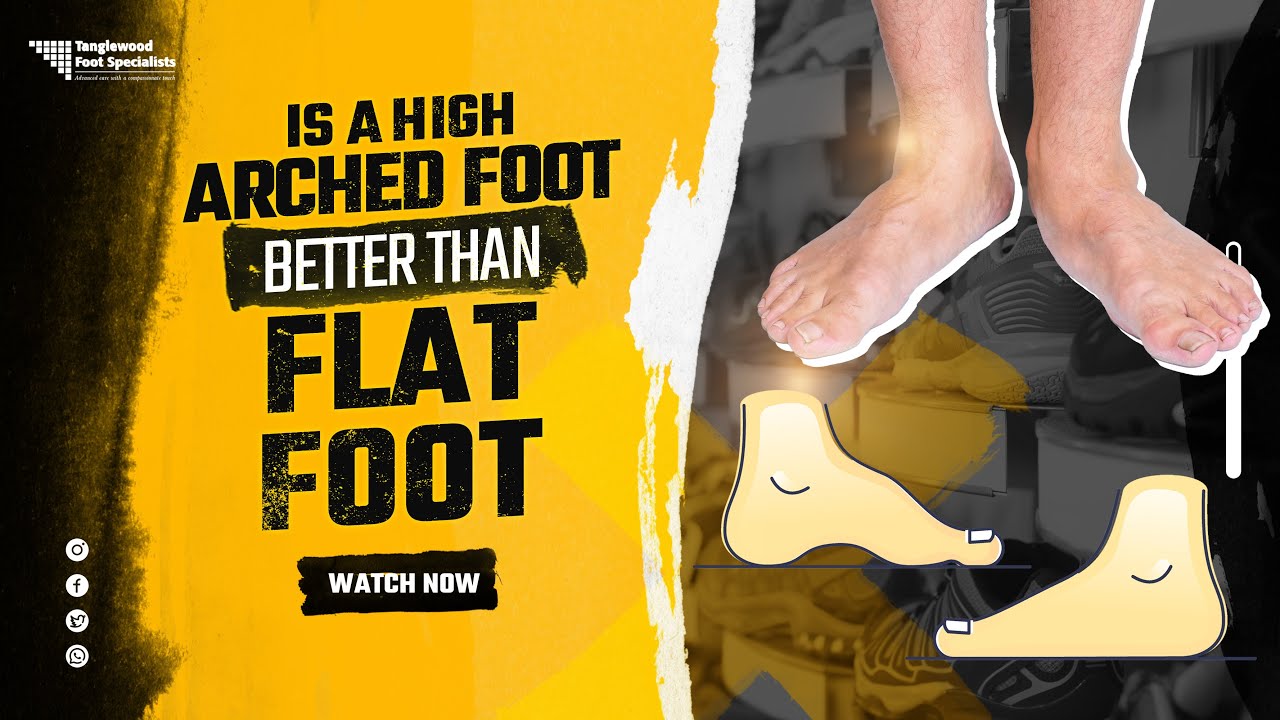
 Here at Tanglewood Foot Specialists, we mark a year-round Arch Madness mindset, devoting our efforts to preventing or relieving heel pain and arch pain.
Now, if there’s nothing wrong with the arch of your foot, then chances are, you don’t spend that much time thinking about it. If, however, you’re experiencing unexplained foot pain, one place you may want to focus on is the curves of your feet. After all, so much can go wrong with this area of your body. Over time, you may experience fallen arches, resulting in flat feet. Some people are born with high arches, and also experience pain as a result. And still others will work themselves too hard, developing an overuse injury known as plantar fasciitis. So, because the arches can be the cause of so many painful problems, they are the main focus of today's post.
Key Takeaways
- Arch pain and heel pain could be symptoms of plantar fasciitis or fallen arches (flat feet)
- Left untreated, these conditions will lead to chronic pain
- With early intervention, non-invasive treatments such as custom orthotics can effectively relieve your pain
Table of Contents
Oh those crazy arches—Why are they so troublesome?
No two people have identically shaped arches and feet, yet many people buy identical shoes. For that reason, while some people will fit their store-bought kicks perfectly, others will not receive the support they need and will experience discomfort. In order to help your arches fit comfortably in your shoes, you may want to be fitted for custom orthotics.
Of course, orthotics aren’t the solution to all arch problems; when your pain is chronic or severe, you may need additional treatment. Luckily, many of our patients find relief with non-invasive, regenerative medicine therapies such as Shockwave Therapy.
Sometimes, that arch pain and heel pain is due to plantar fasciitis, a condition in which the connective tissue that runs along the bottom of your foot becomes inflamed. But, at other times, it may be due to a fallen arch. If your discomfort is due to a fallen arch, it will likely be a dull or sharp ache that begins around your ankle and inner foot. That pain may also radiate up your leg, reaching all the way to your knee if you don't address your flat feet.
Plus, if your arch has fallen and you have diabetes, your treatment may need to be more complex. In such cases, you may be experiencing the onset of Charcot foot, an advanced symptom of neuropathy. This arch problem is not just an annoyance—it is a serious complication that can lead to ulcers and possibly even amputations. So if you suspect that your foot has changed shape, you must see Houston podiatrist Dr. Andrew Schneider immediately.
Understanding arch pain and heel pain
In addition to indicating arch problems, pain in this part of your foot could be a sign of another problem we mentioned earlier—plantar fasciitis, a condition that can also result in heel pain. This injury, the result of torn or inflamed plantar fasciia bands (the connective tissue on the bottom of your foot), is usually identified by crippling heel pain. But it can also manifest as arch pain. When the condition first develops, the pain is usually worst in the morning, when you first step out of bed. But, without treatment, the pain can get worse, becoming chronic and showing up all throughout your day.
Anyone can be affected by the heel pain and arch pain of plantar fasciitis. But this concern is more common in women than men, for several reasons. First, women tend to wear less supportive foot wear, and often cram their feet into high heels that put lots of strain on the feet. Also, women are more likely to have high arches than men. And that shape of foot can increase the strain on your plantar fascia, resulting in inflammation, as well as heel pain and arch pain.
Other causes of heel pain and arch pain
In our Houston podiatry practice, plantar fasciitis is one of the most common causes of heel and arch pain. But wait, there’s more: other conditions can contribute to these symptoms. You see, pain in your arches could be a sign of a bruise, sprain or even a foot fracture. So, unless you come into the office for a comprehensive examinaton, it may be very difficult to figure out why your feet are hurting you.
Stop the arch madness and see your Houston podiatrist!
At first, heel pain and arch pain can be minor and intermittent. But, over time, the pain can progress and become a chronic problem. All of a sudden, that heel and arch pain is going to feel like a much bigger problem, keeping you sidelined from all of your favorite activities. So, here’s our suggestion: whether you're a weekend warrior, an active individual, or simply someone who likes walking without discomfort, now's the time to take action and prepare your feet for months of comfort. Schedule an appointment with Dr. Andrew Schneider today to address any arch pain or heel pain issues. If you come in when your discomfort pain is intermittent, we can likely provide relief with non-invasive interventions. That way, you can experience comfort for the madness of the weeks and months ahead.