What Exactly Is a Bunion? (And Why Simply Padding It Doesn't Work)
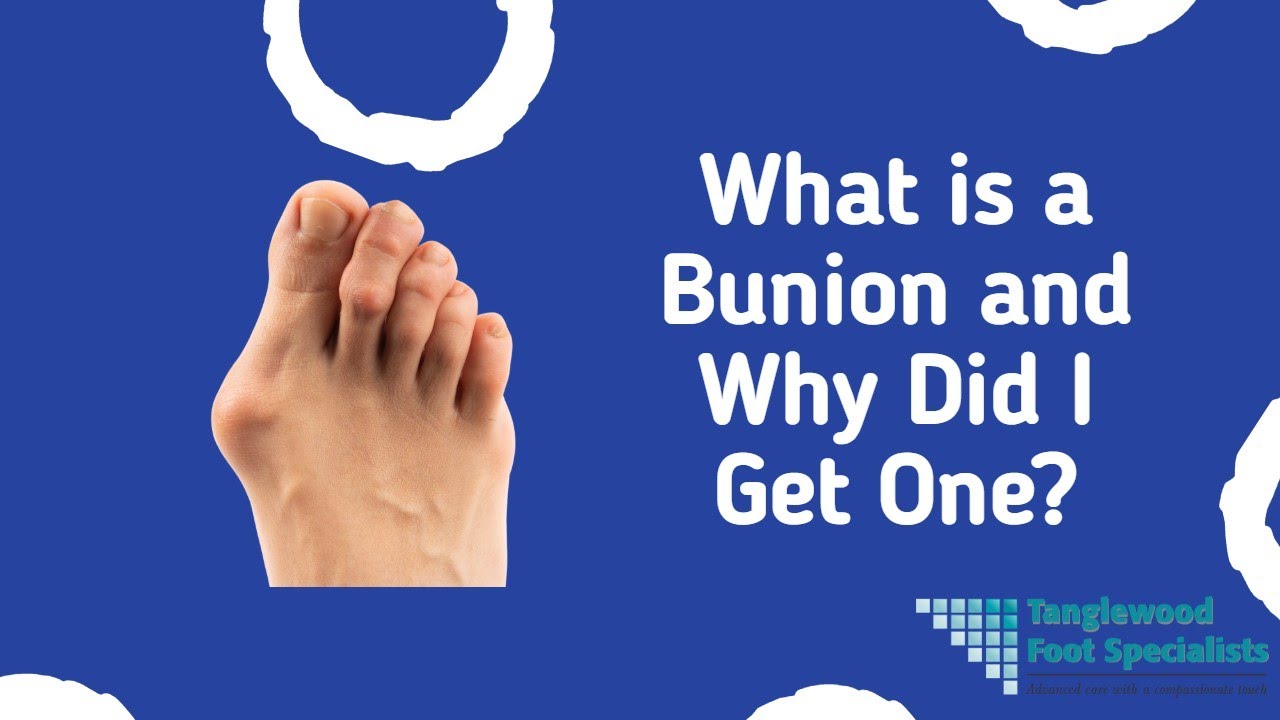
Here's what most people don't realize about bunions—they're not just a bump on the side of your foot. And they're definitely not a growth of new bone, which is what many patients think when they first come into my office.
 A bunion forms when your first metatarsal bone—the long bone behind your big toe—starts drifting away from the other bones in your foot. As that bone moves outward, your big toe gets pushed in the opposite direction, toward your other toes. What you see as a "bump" is actually the joint at the base of your big toe being pushed out of position.
But here's where it gets interesting. Think of your first metatarsal bone like the Leaning Tower of Pisa—except it's not just leaning sideways, it's also rotating and lifting up. That's why simply padding the bump doesn't work.
You wouldn't fix a leaning tower by shaving off the part that sticks out. You'd stabilize the foundation.
And that unstable foundation? It's a joint in the middle of your foot called the first tarsometatarsal joint. When this joint becomes unstable, it allows your metatarsal bone to drift. Research shows that 87% of bunions involve bone misalignment in all three dimensions—side to side, up and down, and rotational.
This is why those bunion pads you tried gave you temporary relief but didn't stop the bump from getting bigger. You were treating the symptom, not the unstable foundation causing it.
Why Did This Happen to You? (The Real Causes)
Blame a parent or grandparent. Bunions are hereditary. You inherited the foot structure that makes your first TMT joint unstable, which sets the stage for bunion formation.
But genetics loaded the gun—your lifestyle and footwear choices pulled the trigger. Here's what contributes to bunion development:
- Genetics and foot structure: If your mom or grandmother has bunions, you're at much higher risk. You inherited loose ligaments or biomechanical issues that make your foundation joint unstable.
- Footwear choices: Pointed-toe shoes squeeze your toes together, and high heels shift all your weight onto the ball of your foot. From Princess Kate to millions of women who prioritize style, high heels and women's feet create unique challenges. That constant pressure accelerates the drift of an already unstable bone.
- Overpronation: When your foot rolls too far inward as you walk, it puts extra rotational stress on that foundation joint. Over years, this mechanical stress can cause the joint to give way.
- Muscle imbalances: Weak foot muscles can't properly stabilize the bones. Tight calf muscles alter your foot mechanics, putting more pressure on the forefoot.
- Age: As we get older, our ligaments naturally weaken. That unstable joint becomes even less stable over time.
Now, I'm not here to judge your shoe choices—I'm here to help you manage the consequences. Whether you've worn heels for 20 years or you've never touched a pair, if you inherited the right foot structure, you can develop bunions. The footwear just determines how fast they progress.
And here's the most important thing to understand: once a bunion starts forming, it doesn't reverse on its own. That unstable foundation will keep allowing the bone to drift unless we intervene. The good news? Intervention doesn't always mean surgery.
What You've Probably Already Tried (And Why It Didn't Work)
I know you've probably tried everything. When patients come into my Houston practice, they often bring a bag full of products—toe spacers, bunion splints, gel cushions, drugstore arch supports. And I won't judge you if you've spent money on all of them. They're marketed as solutions, and when you're in pain, you're willing to try anything.
Let's talk honestly about what these products can and can't do.
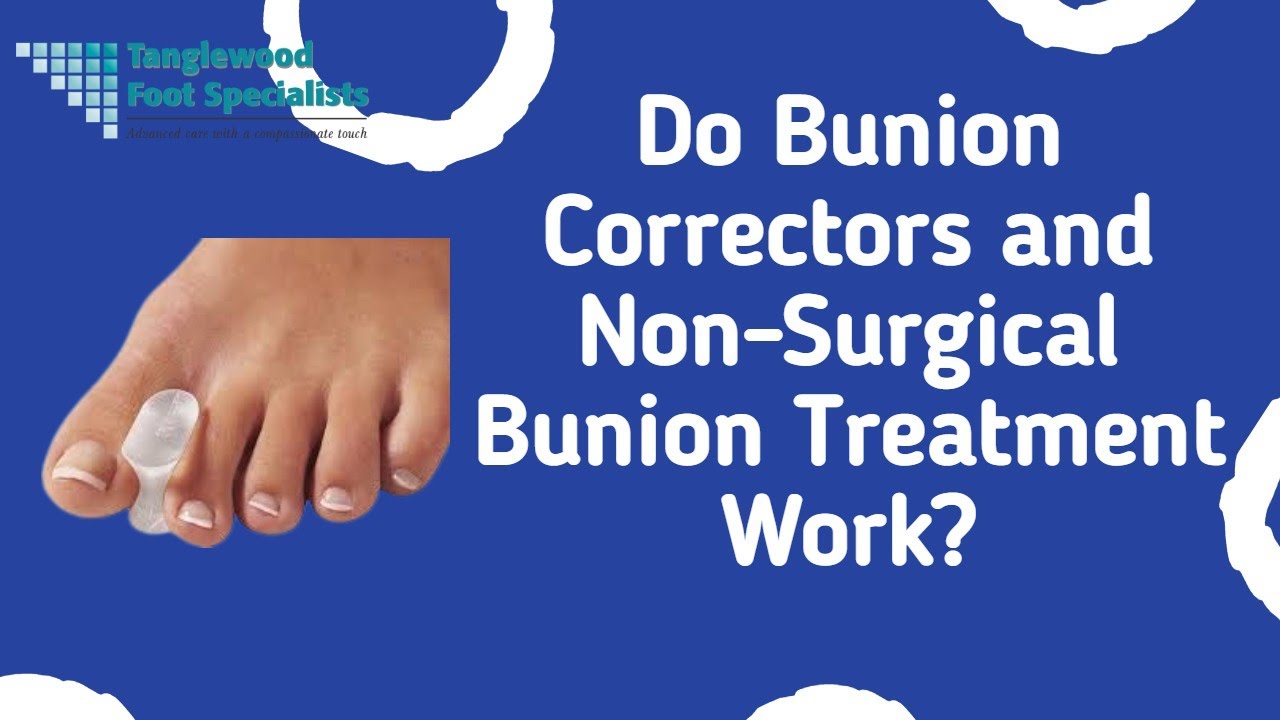
Toe spacers: These little silicone wedges fit between your toes and can provide temporary relief by reducing pressure.  Some patients tell me they love wearing them at home while relaxing. But here's the reality—they can't reposition your bone. The moment you take them off, your toe goes right back to where it was. They're like holding a door open with your hand. The second you let go, it closes.
Bunion splints and correctors: These devices claim to "realign" your bunion, usually by strapping your big toe into a straighter position while you sleep. The marketing sounds convincing. But think about it—if gentle pressure from a fabric strap could move bone, orthopedic surgery wouldn't exist. These might reduce morning stiffness by stretching soft tissue, but they won't change your bone position.
Wider shoes and cushions: Now, these actually do help—but they manage symptoms, they don't stop progression. When you switch to shoes with a wide toe box and cushion the bunion, you're reducing pressure and irritation. That's valuable. It's like putting a pillow between you and a leaning wall—you feel better, but the wall hasn't moved. The bump keeps growing slowly underneath that cushion.
Over-the-counter arch supports: These work for about 30-50% of people with mild bunions who also have flat feet. If supporting your arch reduces the abnormal forces on your forefoot, it can slow progression. But drugstore inserts are made for an "average" foot that doesn't exist. They might help a little, but they're not addressing YOUR specific mechanics.
Here's why all of these fall short: they're treating the symptom (the painful bump) without addressing the cause (the unstable foundation joint). It's like bailing water out of a boat without fixing the leak. You'll get temporary relief, but you're not solving the problem.
And if these had worked for you, you wouldn't be reading this article right now.
So let's talk about what actually addresses that unstable foundation—starting with conservative care that works, progressing through advanced regenerative options, and ending with modern surgical approaches that fix the problem for good.
What Actually Works: Conservative Care That Addresses the Real Problem
Start With Your Shoes
Sometimes, that's as simple as changing your footwear. I know—you've probably already gone up a shoe size. But there's more to bunion-friendly shoes than just width.
Look for shoes with a wide, rounded toe box that doesn't squeeze your toes together. Your toes should be able to spread naturally. Keep heels under two inches—the higher the heel, the more pressure gets dumped onto your forefoot and that bunion joint. And choose soft, flexible materials that won't rub against the bump.
Specific brands I recommend: New Balance, Brooks, and Altra consistently make shoes with adequate toe room. Clarks and Ecco work well for dress shoes. For women who absolutely need heels occasionally, look for styles with a chunky heel and platform forefoot—these distribute pressure more evenly.
What to avoid: pointed-toe shoes, stilettos, stiff materials, and anything that feels tight when you first try it on. Shoes don't "stretch out" enough to accommodate a bunion.
Custom Orthotics: The Foundation of Conservative Care
Now, for some of you, better shoes alone may be enough to manage symptoms. But if your bunion is progressing or causing persistent pain, we need to address those underlying biomechanics.
 This is where custom orthotics become essential. And I'm not talking about those foam inserts you can buy at the drugstore—I'm talking about medical-grade devices that are molded specifically to YOUR feet.
Think of them like eyeglasses for your feet. While I'm wearing my glasses, I can see. When I take them off, I can't. Custom orthotics work the same way—they compensate for your foot mechanics while you're wearing them. They support your arch, control overpronation, and redistribute pressure away from that bunion joint.
Here's what happens when you come into our Houston practice for orthotics. I'll start with a comprehensive biomechanical evaluation—watching you walk, examining your foot structure, and taking measurements.
Then we'll either do a 3D scan or create a cast of your feet. These get sent to a lab where your orthotics are fabricated to match your specific mechanics.
The break-in process takes about two weeks. Start with two hours the first day, then add an hour each day. Within 4-6 weeks, most patients notice significant improvement in pain. Full adaptation—where your body adjusts to the new mechanics—takes about 3-6 months.
What to expect: Custom orthotics cost between $400-600, and many insurance plans cover at least part of that. Success rate? About 60-70% of patients achieve adequate pain relief with properly fitted custom orthotics. They won't reverse your bunion, but they can significantly slow progression and reduce daily pain.
Additional Conservative Options
Professional padding works better than drugstore bunion cushions because we can mold it specifically to your foot and shoe. Interdigital pads fit between your toes to reduce pressure. Bunion shields cushion the bump itself.
These typically cost $15-50 and work for about 40-50% of people with mild bunions.
Corticosteroid injections deliver powerful anti-inflammatory medication directly into the joint. You'll typically feel relief within 2-3 days, and it lasts 6-12 weeks.
I use these strategically—not as a long-term solution, but to break the cycle of inflammation while we address the underlying mechanics with orthotics. The honest limitation? This doesn't heal anything. It just reduces inflammation temporarily.
Physical therapy for foot conditions can help address secondary issues—knee, hip, or back pain that developed because you've been walking differently to avoid bunion pain. You'll work on strengthening foot muscles, improving ankle mobility, and correcting gait patterns. Typical timeline is 4-8 weeks with twice-weekly sessions.
The Third Option Most Doctors Never Mention: Regenerative Medicine
In most medical offices, doctors are trained to think medicate or operate. If medication doesn't work, the next step is surgery. But what if there's a third option that most doctors never mention?
After thousands of bunion cases here in Houston, I've found that regenerative medicine—what I call "The Third Option"—sits right in that sweet spot between conservative care and surgery.
Shockwave Therapy
Despite the scary name, shockwave therapy doesn't use electricity. It uses acoustic pressure waves—think of them like sound waves—to stimulate healing.
Here's the analogy that makes this click for most patients: Think of shockwave therapy like aerating a lawn. When soil gets compacted, water and nutrients can't penetrate. Aerating creates channels that allow everything to flow better. Shockwave therapy does the same thing—it creates pathways for healing factors to reach your inflamed joint.
What's actually happening? The pressure waves increase blood flow to the area, break up scar tissue and calcifications, and trigger your body to release growth factors and stem cells. It essentially restarts a stalled healing process.
The treatment sessions are quick—usually 10-15 minutes. You'll feel a tapping sensation as the device delivers pressure waves to different points around your bunion. Most patients describe it as a 4-5 out of 10 on the discomfort scale. Some redness or soreness afterward is normal and resolves within 24 hours.
We typically do three sessions, once a week for three weeks. Patients often notice improvement after the second treatment, with full results becoming apparent 8-12 weeks after completing the series.
Success rate: 82% of patients find significant pain relief with shockwave therapy. Cost: $500-800 for the three-session series.
PRP Therapy: Liquid Gold for Healing
 Platelet-rich plasma therapy uses your own blood's concentrated healing factors to accelerate recovery. We draw a small amount of blood from your arm—just like a routine blood test—and process it in a centrifuge to concentrate the platelets.
Those platelets contain growth factors that signal your body to send healing cells to damaged tissue. We inject this concentrated plasma directly into your bunion joint, usually with ultrasound guidance for precise placement.
What to expect: The procedure takes about 30 minutes. You'll have some soreness for a day or two afterward—that's normal and actually indicates the healing response is starting. Initial improvement typically appears within 4-6 weeks, with continued improvement over the next 3-6 months.
Success rate: 70-80% of patients with chronic bunion pain see significant improvement. Cost: $800-1,200 per injection.
The Combined Protocol: Best Results
Here's where it gets really interesting. Think of combining PRP and shockwave therapy like planting a garden. PRP provides the seeds—the growth factors your body needs to heal. Shockwave therapy prepares the soil and creates the optimal environment for growth.
When we combine these treatments, the success rate jumps to 85-95%. We typically do the PRP injection first, then start shockwave treatments within 1-2 weeks, doing three weekly sessions. This sequence introduces healing factors first, then repeatedly stimulates them.
This combined approach works best for patients who've had bunion pain for at least 3-6 months, haven't responded adequately to conservative treatment, and want to avoid surgery. Total cost for the combined protocol: $1,200-1,800.
Honest Talk About Surgery: When Alternatives Aren't Enough
Look, I know foot surgery sounds scary. But I'm not anti-surgery—I'm anti-unnecessary surgery. Surgery makes sense when you've genuinely tried conservative and regenerative options, your pain significantly limits your daily activities, and the bunion is interfering with your quality of life.
Here's when surgery becomes the right choice:
- You've tried custom orthotics, proper footwear, and possibly regenerative medicine for at least 4-6 months without adequate relief
- Your pain prevents you from doing activities that matter to you
- The bunion is getting progressively worse despite conservative care
- You're developing secondary problems (hammertoes, arthritis in the joint)
But here's the critical thing nobody mentions: 70% of bunions come back after traditional bunion surgery. Let me say that again—70% recurrence rate with traditional techniques.
Why? Because traditional surgery addresses the symptom (the bumped-out joint) but not the unstable foundation causing it. Remember the Leaning Tower analogy? Traditional surgery would shave down the part that's sticking out or make a cut in the bone to shift it over. But that foundation joint—the one that became unstable and allowed the whole thing to happen—is still unstable.
Modern Surgery: Lapiplasty 3D Correction
Modern bunion surgery is nothing like what your aunt had in 1985. Lapiplasty addresses all three dimensions of the deformity and—most importantly—stabilizes that unstable foundation joint with titanium plates.
Instead of just shaving the bump or making a cut, we rotate and realign your entire metatarsal bone back to its normal position. Then we permanently secure the unstable TMT joint so it can't drift again. That's why recurrence drops to less than 5% with this approach.
The procedure is outpatient—you go home the same day. Most patients walk in a surgical boot within days. Not weeks—days.
You'll gradually increase walking over the next 2-6 weeks, transition to supportive athletic shoes around week 6, and return to most normal activities by week 12. Full recovery, including high-impact activities, typically takes 4-6 months.
Success rates: Over 90% patient satisfaction, less than 5% recurrence, and more than 90% achieve their activity goals.
Time off work depends on your job: desk job 1-2 weeks, standing job 4-6 weeks, physical labor 8-12 weeks. Most patients don't need crutches—the surgical boot allows you to bear weight. Pain is managed well with prescription medication for 3-5 days, then over-the-counter after that.
When Surgery ISN'T Appropriate
Surgery isn't right if your bunion doesn't hurt and isn't limiting your activities—even if it looks bad. We don't operate for cosmetic reasons alone. And if you're not willing to modify your footwear after surgery, we need to have an honest conversation about whether you'll be happy with the results.
Not sure which treatment option makes sense for YOUR bunion? That's exactly why I need to see you. Your pain level, your activity goals, and your bunion's severity all factor into the decision. Give us a call at 713-785-7881 or request an appointment online. Either way, I need to see you to create a personalized plan.
Your First Appointment: What Happens in My Houston Office
When you come into my Houston office, I'll start by asking about your goals. Not just "where does it hurt"—I want to  know what you want to be able to DO. Are you trying to get back to running? Do you need to stand all day at work? Are you planning a trip to Europe and worried about walking tours? Your goals determine which treatment path makes sense.
Then I'm going to watch you walk. I need to see your biomechanics in action—how your foot rolls, where pressure concentrates, how your bunion affects your gait. I'll examine your foot structure, check your range of motion in that big toe joint, and assess how severe the deformity is. If needed, we'll take X-rays right there in the office to see exactly what's happening with the bone position.
Here's what makes this evaluation different from what you might have experienced elsewhere: I'm not rushing to surgery. In fact, I'm specifically looking for reasons why you DON'T need surgery. About 60-70% of my bunion patients manage their condition long-term without ever needing an operation.
After the evaluation, we'll sit down and talk through your options. If your bunion is mild and your main issue is shoe fit, we might start with footwear modifications and see how you do. If your biomechanics are contributing, I'll probably recommend custom orthotics as the foundation of your care. If you've already tried conservative care elsewhere without success, we'll talk about regenerative options like shockwave therapy or PRP.
And if surgery makes sense—if you've genuinely tried other approaches and you're still limited—then we'll discuss modern surgical correction. But that's a conversation, not a mandate. I won't judge you if you want to try conservative care first, and I won't pressure you toward surgery if you're not ready.
The whole appointment typically takes 45-60 minutes. Most patients leave with a clear understanding of what's causing their bunion pain and a specific treatment plan matched to their goals. Some start treatment that same day—like getting fit for custom orthotics. Others prefer to think about their options and schedule a follow-up visit.
Either way, you'll have the information you need to make a decision that's right for YOUR life.