What Is a Bunion — and Why Does It Cost What It Does?
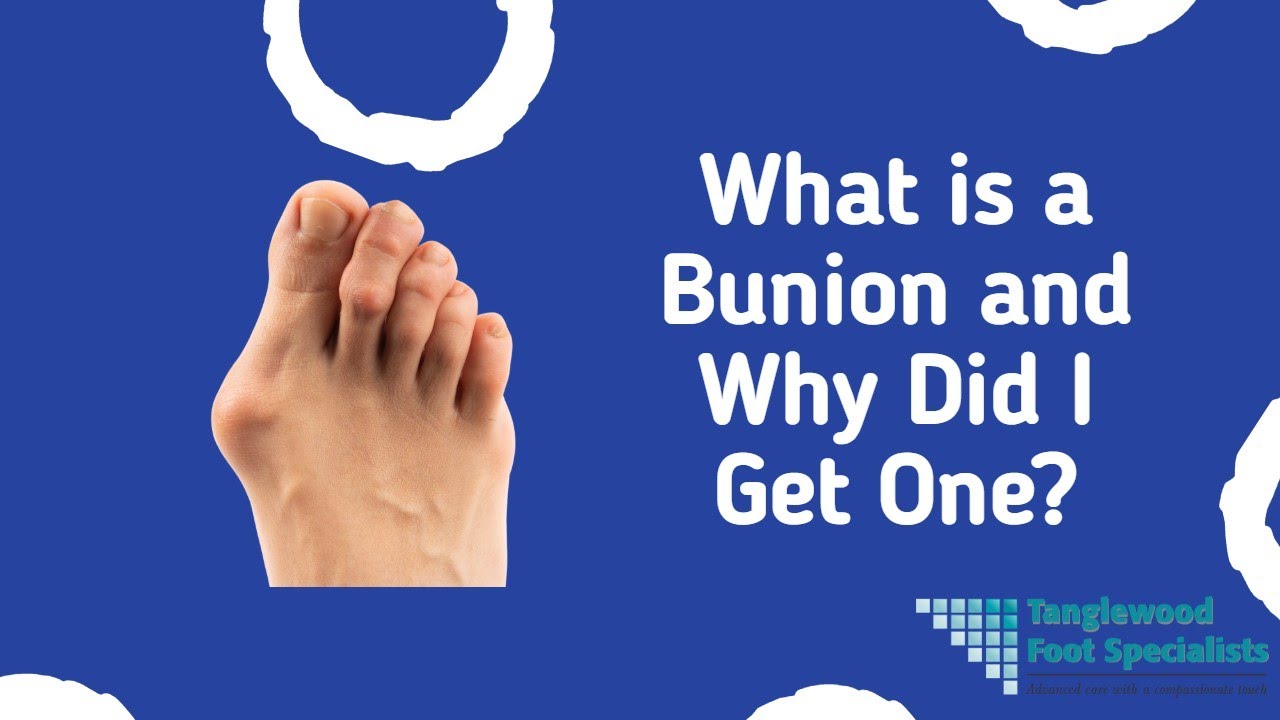
 A bunion — the clinical term is hallux valgus, meaning the big toe has drifted inward while the metatarsal bone shifts outward — is not just a bump. That's the part most articles get wrong. It's a three-dimensional structural deformity, and that distinction matters more than anything else when you're trying to understand why surgery costs what it does.
Here's what's actually happening in your foot. The root cause isn't the visible bump itself — it's the first tarsometatarsal joint (TMT joint), the foundation joint in the mid-foot where your metatarsal meets the ankle structure. When that joint becomes unstable, the metatarsal slowly drifts outward and the big toe angles in to compensate. The bump is just the symptom. The unstable foundation is the disease.
According to research published in the Journal of Foot and Ankle Research, 87% of bunions involve misalignment in all three planes simultaneously: sideways (transverse), up-and-down (sagittal), and rotational (frontal). Think of it like the Leaning Tower of Pisa — except the tower isn't just leaning to one side, it's also twisting and lifting. If you had a leaning tower, would you shave off the part that sticks out, or fix the foundation? That question is exactly what separates a $4,000 surgery from a $12,000 one — and what separates a bunion that comes back in five years from one that doesn't.
The procedure your surgeon recommends is determined entirely by the severity and dimensional complexity of your specific deformity. That's why you can't compare one person's surgery bill to another's — you might be comparing two fundamentally different operations with very different outcomes. More on that in a moment.
The Real Cost of Bunion Surgery in Houston
Most articles give you a $3,500–$12,000 range and call it a day. That doesn't help you. So let me break this down the way I explain it to patients sitting across from me — by every line item, with insurance and without.
Here's the thing most people don't understand: that $12,000 figure is the gross billed charge — essentially a list price nobody actually pays. When you have insurance, your carrier has a contracted allowable rate, typically $4,500–$6,000 total, and your responsibility is only the portion that applies to your deductible and coinsurance. If you've already met your deductible for the year, which many of my Houston patients have done by mid-summer, your out-of-pocket for surgery can drop close to zero.
After treating thousands of patients, I've found that the question isn't usually "can I afford bunion surgery" — it's "do I actually need it yet?"
| Cost Component | With Insurance | Cash Pay |
|---|
| Surgeon fee | $0–$1,500 (post-deductible) | ~$1,500–$3,000 |
| Anesthesia fee | $0–$1,000 (post-deductible) | ~$800–$1,500 |
| Surgical facility fee | $0–$2,000 (post-deductible) | ~$1,500–$4,000 |
| Post-op boot / DME | $0–$200 | $100–$300 |
| Follow-up visits (90-day global period) | $0 (included in surgical fee) | Varies |
| Typical total (insured) | $0–$4,500 | — |
| Typical total (cash pay) | — | $4,000–$9,000 |
The 90-day global period is worth explaining. After surgery, your follow-up office visits for the first three months are bundled into the original surgical fee — you won't get a separate bill for each post-op check. That's a benefit most people don't realize they already have.
Before you price surgery at all, there's a middle path that almost every article skips entirely — and I think it's the most important part of this conversation. My practice offers custom orthotics at $700, cortisone injections at $120, PRP at $850, and shockwave therapy at $300 per session or $750 for a three-session package. For a lot of people, the regenerative medicine path between cortisone and surgery is the only one they ever need. And if a hammertoe correction is needed at the same time, that can often be addressed in a single surgical visit — which actually reduces your total cost compared to two separate procedures.
How Houston Podiatrist Dr. Schneider Treats Bunion Pain
In my practice, I start with the least invasive option that can actually achieve your goals. I don't push surgery — but I also don't string you along with conservative care that clearly isn't working. Every plan is built around what you want your feet to be able to do.
Sometimes, the single most impactful thing you can do costs nothing. Switching to a wide toe-box shoe — New Balance, Brooks, Asics, Clarks, or Ecco are brands I recommend regularly — immediately takes pressure off the bunion joint and can reduce pain within two to four weeks of consistent wear. Every centimeter of heel elevation shifts load onto the forefoot, so lower is better. This is especially relevant for women dealing with bunion pain — high heels are a significant contributing factor to both bunion formation and progression.
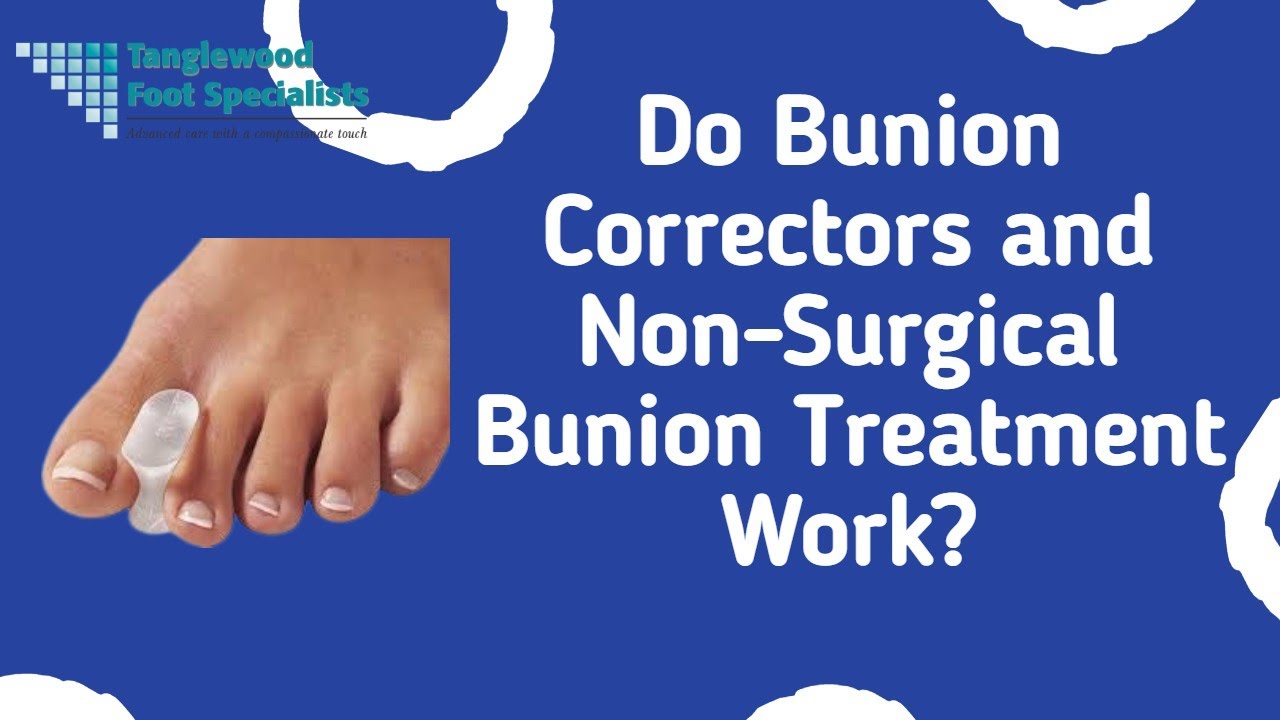
Gel or foam bunion pads cushion the bump and reduce friction inside the shoe. Bunion splints worn at rest can reduce overnight stiffness and help maintain alignment over time. During active flare-ups, ice for 15–20 minutes and use OTC NSAIDs like ibuprofen or naproxen for short-term control.
 But a drugstore insert is not a substitute for a custom orthotic. Generic inserts are designed for an average foot, and your foot has specific mechanics driving that bunion. If you've tried pads and OTC insoles and you're still hurting, it's time to come in.
Think of custom orthotics like eyeglasses for your foot mechanics. While you're wearing them, they redistribute pressure away from the bunion joint and compensate for the forces driving the deformity. Take them off and the problem is still there. Wear them consistently — and a lot of my patients buy years of comfortable, active life before surgery is ever on the table.
For acute inflammation not responding to NSAIDs, a cortisone injection ($120 at TFS) directly into the first MTP joint delivers rapid relief, typically within 48–72 hours. I use it judiciously — it treats inflammation, not structure — but for a painful flare during an important event or a stretch of heavy activity, it's exactly the right tool.
Here's where it gets interesting. Regenerative medicine isn't typically the treatment for the structural deformity itself — the metatarsal has drifted, and that won't reverse without surgery. But it's powerful for managing the chronic joint inflammation and soft-tissue damage that develops inside and around the bunion joint over years of abnormal mechanics. For a lot of people, that inflammation is where most of the pain is actually coming from.
PRP — platelet-rich plasma injection ($850 at TFS) — concentrates your own growth factors into the inflamed joint capsule. Unlike cortisone, PRP for joint inflammation promotes actual tissue repair, with 70–80% significant improvement rates for chronic joint problems backed by published clinical research. The effect is durable where cortisone isn't. I call it liquid gold for healing — and that's not hyperbole.
Combined with shockwave therapy ($300/session or $750 for three), PRP becomes even more powerful. PRP provides the seeds — the growth factors that direct your body to repair damaged tissue. Shockwave prepares the soil, creating microtraumatic channels that increase local blood flow and make the tissue receptive to healing. Together, they carry an 85–95% success rate for chronic conditions. For the right patient, this combination can almost make surgery obsolete.
Look, I know foot surgery sounds scary. But I've performed hundreds of these procedures, and my patients consistently tell me two things: it didn't hurt as much as they feared, and they wish they hadn't waited as long as they did.
There are two main surgical approaches, and they're not the same operation. Traditional osteotomy — a surgical cut in the metatarsal bone to shift it sideways — corrects the 2D appearance of the bunion but doesn't address the unstable TMT foundation joint that caused it. That's why, according to AAOS research, the long-term recurrence rate for traditional bunion surgery approaches 70%. The foundation was never fixed.
Lapiplasty 3D bunion correction is a different procedure entirely — it corrects all three planes of deformity and stabilizes the foundation joint permanently with titanium plates. The Leaning Tower gets straightened and braced, not just trimmed. You'll walk in a surgical boot on day one, transition to regular shoes around week six, and return to normal daily activities by week twelve.
Full recovery, including high-impact activity, comes around month four. Over 90% of people report satisfaction, and recurrence rates are dramatically lower than traditional surgery. For the right patient, fixing the foundation permanently is the most reliable path to lasting relief.
Not sure where you fall in this? That's exactly what your first appointment is for. Call us at 713-785-7881 or schedule a consultation — we'll figure out together where you actually are in this process.
What to Expect at Your First Houston Bunion Appointment
When you come in, I'll start with weight-bearing X-rays — and the "weight-bearing" part matters more than most people realize. A bunion looks different when your foot is actually carrying load versus lying flat on a table. I need to see how that metatarsal is positioned when gravity is involved, because that's what tells me the true severity of what we're dealing with. From there, I'll stage the deformity — mild, moderate, or severe — which directly shapes every recommendation I make.
Then we'll talk. I'm going to ask you what your feet are keeping you from doing, not just where it hurts. That distinction drives the whole plan. Before we discuss any procedure, my team verifies your insurance benefits — you'll know your actual out-of-pocket number before you make a single decision. No surprises, no pressure.
You'll leave your first appointment with a clear plan. If conservative care is the right starting point, we can begin that same day. If the deformity is more advanced and surgery needs to be part of the conversation, we'll have that conversation honestly — with real numbers and realistic timelines, not vague reassurances.
Either way, I need to see you. The first step is understanding exactly what you're dealing with. Schedule time with Dr. Andrew Schneider and we'll figure it out together — then request your appointment online when you're ready.
Long-Term Bunion Management: Protecting Your Investment
Whether you manage your bunion conservatively or have surgery, the work doesn't stop there. The wrong footwear can still stress a surgically corrected joint over time, and the mechanical factors that contributed to your bunion don't vanish after a procedure. Post-surgical orthotics to reduce recurrence risk matter — wearing them consistently is one of the most important things you can do in the years after surgery.
Houston patients tend to be active people. Whether you're walking the Memorial Park trails, spending long days on your feet at the Texas Medical Center, or just trying to get through a Saturday at the Galleria without wincing — a bunion that isn't managed well becomes a quality-of-life issue fast. I want to see you back at your follow-up appointments, and I want to hear from you early if something doesn't feel right. Early intervention is always less expensive — and less involved — than waiting.