What Is a Bunion — and Why Does Surgery Fix What Other Treatments Can't?
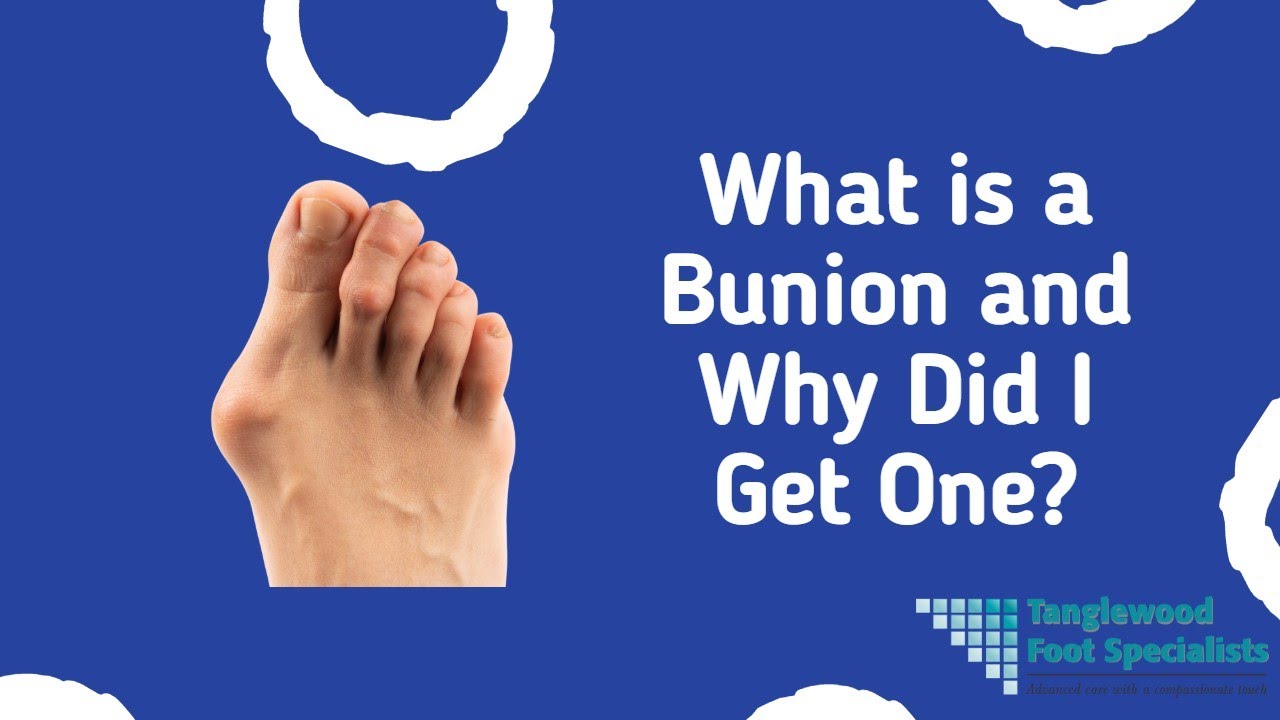
A bunion (hallux valgus — "hallux" meaning big toe, "valgus" meaning angled outward) is a progressive structural  deformity of the foot in which the first metatarsal bone drifts out of alignment, creating a bony prominence at the base of the big toe. Surgery is the only way to permanently correct the deformity. Conservative treatments like orthotics, wider shoes, and padding can manage your symptoms and slow the progression, but they can't reverse the underlying misalignment — any more than glasses fix your eyes rather than just compensate for them.
Here's what most people don't realize: your bunion isn't just a bump. It's a three-dimensional structural failure. In fact, 87% of bunions involve bone misalignment in all three dimensions simultaneously — the metatarsal drifts sideways, rotates, and lifts. You're feeling the result of all three of those shifts every time you put on shoes or walk across a room.
Think of it this way. Imagine your first metatarsal bone as a tall building. Traditional bunion pain and deformity surgery shaves the part of the building that's sticking out. That looks better — for a while. But the building is still leaning, still rotating, still unstable at the foundation. That's why traditional bunion procedures carry a 70% recurrence rate. Lapiplasty 3D Bunion Correction takes a different approach entirely: it straightens the building and permanently reinforces the foundation joint that caused the drift. One fix lasts. The other leans again.
Surgery becomes the right answer when pain is limiting your life and you've genuinely exhausted conservative options. That's not a judgment on how long you waited or how bad it's gotten — it's just the honest clinical threshold. When you're there, surgery isn't a last resort. It's the only tool that can actually solve the problem.
Why Bunion Surgery Recovery Time Varies So Much
I won't give you a single number and call it your recovery time — because it depends almost entirely on which procedure you have and how well we've prepared your body to heal. Every article you've read that lumps "bunion surgery recovery" into one generic timeline is leaving out the most important variable.
With traditional osteotomy (a surgical cut and repositioning of the bone that corrects position without addressing the unstable foundation), you're typically non-weight-bearing for six to eight weeks. Regular shoes come back around weeks 10–12. The recovery is real, the timeline is long, and — because the foundation joint that caused the problem was never stabilized — there's a 70% chance the bunion gradually returns. For traditional bunion surgery patients, that's the honest picture. There are cases where it's still the right choice, but you deserve to know the full story going in.
Lapiplasty is a different category of procedure entirely. Because it corrects all three dimensions of the deformity and permanently fuses the first tarsometatarsal (TMT) joint — the "foundation joint" that caused the drift — most patients are walking carefully in a surgical boot within three to ten days. At week six, most are transitioning to supportive sneakers. Full return to running and high-impact activity comes at month four. The recovery is still real. It still asks something of you. But it's measured in weeks, not months.
A few other factors genuinely shape your timeline, and I want to be upfront about them. Age and bone density affect how quickly the fusion consolidates. How severe your deformity is at the time of surgery matters too — moderate bunions recover faster than severe ones, which sometimes require more complex reconstruction. And if we're correcting a hammertoe at the same time, that adds complexity to the recovery window.
If you have diabetes, your A1C level directly impacts your body's ability to complete bone fusion — which is why careful pre-surgical planning for diabetic patients is non-negotiable in our practice. Every point your A1C rises above normal meaningfully reduces your healing capacity. We won't rush you into the OR until your body is ready to heal well. For women's foot health issues often tied to bunion development — particularly years in narrow, high-heeled shoes — deformity severity at the time of surgery often determines which procedure is right.
One more myth worth killing right now: bunion surgery is incredibly painful. That used to be true. Modern nerve block protocols change everything. A targeted injection numbs your entire foot for 12–24 hours post-operatively. Most of my patients take fewer than five pain pills total after surgery. The hard part of bunion surgery recovery isn't the pain. It's the patience.
Traditional Bunion Surgery Recovery: The Real Timeline
Let me be clear about something first: traditional osteotomy is still the right procedure for certain presentations. Not  every bunion requires Lapiplasty, and I'm not going to dismiss an entire category of surgery to sell you on a newer one. But you deserve an honest picture of what you're agreeing to — because a lot of people walk into consultations elsewhere without getting it.
Days one through three after a traditional bunionectomy are almost always more manageable than you'd expect. You go home the same day. You leave in a surgical boot. The nerve block is still active, numbing your foot for the first 12–24 hours, which means the first night is rarely the ordeal people brace for.
Your primary job during this window is elevation — foot above heart level, 80% of your waking hours. Not optional. Not flexible. Elevation is doing most of the healing work while you rest.
Weeks one through two are still non-weight-bearing or minimal weight-bearing. Stitches come out between days 7 and 14. Icing and elevation remain the core protocol. Most desk-based work from home becomes possible around week two to three. If your job requires standing, commuting, or long days on your feet, plan for four to six weeks minimum before returning.
Weeks six through ten bring the transition to wide, supportive shoes — but residual swelling is normal for up to six months. Fashion shoes may feel uncomfortably tight even when the surgical result is perfect. Running and high-impact sports stay off the table until bone healing is confirmed on X-ray, typically around months three to four.
Here's the honest caveat I give every patient considering bunionectomy recovery: the procedure corrects the position of the bone, but it doesn't fix the unstable foundation joint that caused the drift in the first place. That's the mechanical reality behind the 70% recurrence rate. It's not a failure of the surgeon — it's a limitation of the approach. Which is why the conversation about which procedure you have matters more than almost any other decision in this process.
What Houston Patients Need to Know About Bunion Surgery Recovery
This is where the story changes.
Lapiplasty corrects all three dimensions of the deformity — the sideways drift, the rotation, the elevation — and  permanently stabilizes the first tarsometatarsal (TMT) joint that caused the problem. Not the bump. The root cause. That's why the complete Lapiplasty recovery protocol looks so different from what most people expect going in.
Days one through three: you leave the surgery center in a surgical boot, not a cast. The nerve block is active. Elevation is the priority — same as with any bunion surgery, the first 72 hours are about keeping swelling down and letting the initial healing begin. Pain management for most patients is ibuprofen and acetaminophen, alternating. Fewer than five opioid pills for those who need more. That number surprises people every time.
Days three through ten bring the milestone that genuinely shocks my patients: careful weight-bearing in the surgical boot begins. You're walking — carefully, deliberately, in the boot — within the first week. That's not marketing language. It's what the titanium fixation plates make possible.
The foundation is stable enough to bear load because we've actually addressed the foundation. Stitches come out at week two. Light desk work from home is typically possible. The swelling looks dramatic during this phase — bruising can travel toward the toes, the foot looks puffy and discolored — and all of that is completely normal.
Week six is the appointment I look forward to most. We take X-rays, confirm early fusion at the TMT joint, and most patients transition out of the boot into supportive sneakers. The reaction I hear most often is some version of "Wait — that's it?" They came in dreading another month in the boot. They leave walking in shoes.
Driving returns around this point too — left foot surgery patients can often drive sooner; right foot typically three to four weeks post-op once you have reliable pedal control. By month four, most of my patients are fully back to Memorial Park trails, their gym routine, and long days on their feet at the Texas Medical Center — including returning to running and high-impact sports.
A few honest caveats worth naming: some residual swelling persists for up to six months — fashion shoes may feel tight even when the surgical result is excellent, and that's normal. Occasional hardware sensitivity, where the titanium plates sit close to the skin surface, does happen. It's a straightforward outpatient fix when it does. And if you have diabetes, we build a specific A1C optimization protocol before we ever schedule the OR. We simply won't put you through surgery until your body is positioned to heal well. That's not me being overly cautious. That's what the outcomes require.
After treating thousands of patients through Lapiplasty recovery, the reaction I hear most often at the six-week appointment is surprise. They came in expecting to still be in a boot for months. They leave in sneakers. That shift — from dreading the recovery to realizing it's behind them — is one of my favorite moments in 25 years of practice.
How to Speed Up Your Bunion Surgery Recovery
Here's what most people don't realize: what you do in the two weeks before surgery can shorten your recovery almost as much as what you do after. Your body needs a head start on healing, and most practices never talk about this part.
On the pre-surgical side, the variables you can actually control are nutrition, nicotine, and blood sugar. Protein and vitamin C both support collagen synthesis and bone repair — you want both optimized before you go under. Nicotine is the silent recovery saboteur. It constricts blood vessels and meaningfully impairs bone fusion, and the research on this is clear.
If you smoke or use nicotine products, stopping well before surgery isn't a preference — it's a requirement for the best outcome. If you have diabetes, A1C optimization before scheduling is the non-negotiable first step in our entire surgical planning process. We build a specific protocol around getting those numbers where they need to be, and we won't schedule the OR until they are.
Post-surgically, elevation compliance is the single biggest recovery factor in week one. Eighty percent of how well that first week goes comes down to how seriously you treat it. Walking too much too soon — even in the boot — is the most common mistake I see, and it costs weeks. Beyond that, we offer two regenerative medicine options to support surgical recovery that most practices simply don't have in their toolkit.
Remy Class IV laser therapy accelerates healing by reducing post-surgical inflammation and stimulating cellular repair directly at the fusion site — something that would otherwise happen on your body's slower natural timeline. Sessions run $97 each, or $497 for a package of six.
Oral BPC-157 peptide therapy supports tissue repair and accelerates the healing response systemically — it's a peptide your body already produces, delivered in therapeutic concentrations. Used together with solid elevation compliance and proper nutrition, these tools give your body every possible advantage during the recovery window. Gentle range-of-motion physical therapy from weeks two through four rounds out the protocol, preventing joint stiffness and improving long-term outcomes that show up clearly at month four.
If you've been putting off bunion surgery because of recovery concerns, let's talk about what your specific situation actually requires. Call us at 713-785-7881 or schedule a consultation online — I'll give you an honest assessment of what recovery looks like for you.
Warning Signs During Recovery — When to Call Us
Most of what you'll experience during bunion surgery recovery is normal, and I want you to know that going in. The swelling, the bruising, the stiffness — those are signs that your body is doing exactly what it should. But there's a short list of things that warrant a call, and I'd rather you call too often than sit on something that needs attention.
What you can expect and should not be alarmed by: significant swelling for three to six months, especially after time on your feet. Bruising that travels toward your toes in the first two weeks. Morning stiffness in the joint. Mild numbness or tingling as the nerve block fades. A subtle awareness of the titanium hardware under the skin that fades over months.
All of that is recovery doing its job.
Contact our office promptly if you notice a fever above 101°F, increasing redness or warmth around the wound site, any discharge from the incision, or new sharp pain that's distinct from the dull aching you'd expect. If your dressing gets wet, loosens, or falls off before we've scheduled its removal, call us. And if swelling is dramatically increasing rather than gradually improving after week two — not just fluctuating with activity, but genuinely worsening — that's worth a conversation. These aren't reasons to panic. They're reasons to let us look.
Two situations are true emergencies. Signs of deep vein thrombosis (DVT) — calf swelling, redness, or warmth above the surgical site — mean go to the ER, not call the office. Chest pain or shortness of breath after surgery means call 911. For anything related to foot surgery complications that falls between "probably fine" and "clearly an emergency," the right answer is always to call us. A two-minute phone call is never an inconvenience. Either way, I need to see you — whether something feels wrong or you just aren't sure.
What to Expect at Your Bunion Consultation in Houston
When you come in, I'll start by watching you walk. That sounds simple, but gait tells me things the X-ray can't — how your weight is distributing, how the deformity is affecting your mechanics, where the functional problem actually lives.  Then I'll examine your foot both sitting and standing, because bunions behave differently under load. A bunion that looks moderate on an exam table can look significantly more severe when you're bearing your full body weight on it.
From there, we'll take weight-bearing X-rays — three views that show me the deformity in its full three-dimensional reality. I want to see the angle of the metatarsal drift, the condition of the joint, the degree of rotation. That imaging, combined with the physical exam, gives me a complete picture of where you are and what your realistic options are. I'll walk you through everything I see — no sugarcoating, no vague reassurances, just an accurate description of what's happening in your foot and what the path forward actually looks like.
Here's something I tell every new patient: most people who come in for a bunion consultation don't leave with a surgery date. Many don't need it — at least not yet. What you do leave with is a clear diagnosis, a staged treatment plan with specific timelines, and every question answered.
I won't judge you for how long you waited, how bad it looks, or what you've tried before. My job is to give you an accurate picture of where you are. Surgery becomes the conversation when pain is genuinely limiting your life and conservative options have been sincerely exhausted — or when your goals require structural correction to achieve. When we reach that point together, the timeline from consultation to surgery is typically two to six weeks, depending on what surgical clearance your health history requires.
Dr. Andrew Schneider has been treating bunions in Houston for 25 years. If you're ready to find out what your foot actually needs — not what a forum told you, not what a friend went through — come in and let's look at it together.