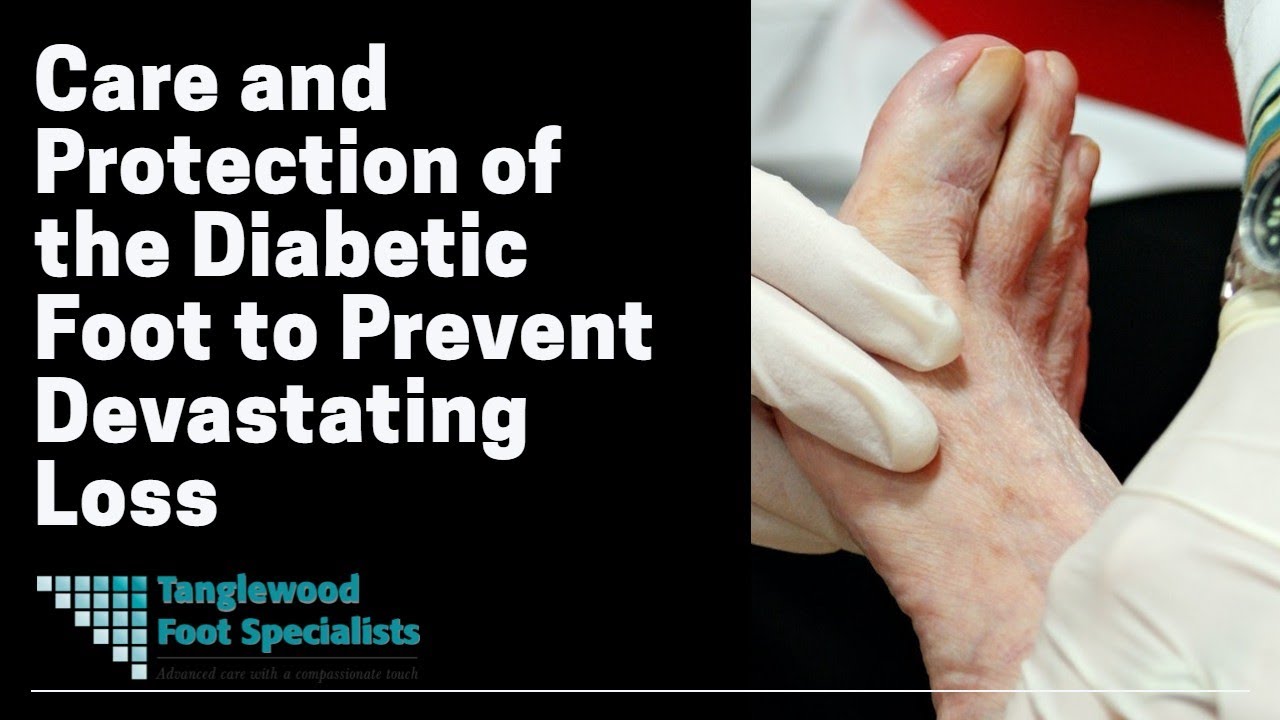
What Makes Diabetic Toenail Care Different?
Diabetic toenail care is the specialized practice of maintaining healthy toenails when you have diabetes—a condition that creates unique risks through nerve damage (peripheral neuropathy) and poor circulation. Without proper care, infections that would be minor for someone else can escalate rapidly in a diabetic foot, leading to ulcers, bone infections, and in severe cases, amputation. For people without diabetes, a minor toenail issue is an inconvenience. For you, it's a medical event.
Here's the thing: diabetes affects your feet in two major ways, and they work against you at the same time. First, high blood sugar over time damages the nerves in your feet—peripheral neuropathy. Think of it like a faulty alarm system. Your smoke detector is broken, so even when there's a real fire—an ingrown nail cutting into your skin, a small cut from clipping too close—your body doesn't send the pain signal that would normally make you stop. You keep walking on it. Days pass. The infection quietly grows.^[1]
The second problem is circulation. Diabetes narrows your blood vessels—picture a garden hose with buildup clogging the inside, so only a trickle gets through instead of a full stream. When you get a small toenail injury, your body needs to rush healing blood and immune cells to that spot. But with a clogged hose, that response arrives too slowly. What would heal in 3 days for someone without diabetes can take 3 weeks for you—plenty of time for bacteria to set up camp and turn a small problem into a serious diabetic wound.^[2]
No pain signal. Slow healing. That's the combination that makes diabetic toenail care so much more than basic grooming.
Why Do Diabetic Toenails Become Thick and Yellow?
The thick, yellow toenails I see in diabetic patients almost every day come from one of three causes—and often it's a  combination. The most common is a fungal toenail infection called onychomycosis. Fungus colonizes the nail itself, causing it to thicken, crumble, and turn yellow or brown—like old cardboard instead of a healthy nail. Diabetes creates the perfect environment: elevated sugar in your tissues gives fungus a food source, your immune response is already compromised, and moist socks and shoes provide the warm, dark habitat fungi love.^[3]
What most people don't realize is that a fungal toenail isn't just ugly—it's genuinely dangerous. Research shows that onychomycosis increases your risk of a diabetic foot ulcer by up to 300%.^[4] Here's what's actually happening: the thickened nail creates pressure points on the skin underneath. That pressure leads to skin breakdown—and once the skin breaks down, bacteria have a direct path inward. Walking barefoot (far more common in Houston's warm climate than in colder parts of the country) only increases your exposure. If you're also dealing with athlete's foot between your toes, that fungus can spread directly to the nail and dramatically speed things up.
The second cause is poor circulation. When blood flow is reduced, your nails grow more slowly and without the oxygen and nutrients they need—which produces thicker, more brittle nails that are harder to cut cleanly. The third cause is repeated, unnoticed trauma. Shoes pressing on your toes for hours every day, but neuropathy keeps you from feeling it. Over months and years, that constant pressure changes nail shape and thickness without you ever knowing it was happening.
A lot of people come in thinking thick, yellow nails are just part of having diabetes—that nothing can be done. That's not true. Thick nails are almost always a treatable fungal infection. Treating them is medical, not cosmetic. I've seen too many ulcers that started as "just an ugly toenail."
The Truth About Trimming Your Own Toenails with Diabetes
Here's where the advice gets confusing: some doctors say never cut your own toenails if you have diabetes. Others say basic foot care at home is fine. The truth depends entirely on your specific situation—and whether five key conditions are met.
 The "never trim yourself" rule exists because some doctors take the most cautious position for every patient, regardless of their actual risk level. And for high-risk patients, that caution is warranted. But many people with well-controlled diabetes, good vision, and intact sensation can absolutely manage their own nail care safely. In my Houston podiatry practice, about 70% of qualifying diabetic patients do. The key word is "qualifying." If you can see your toenails clearly (or have someone to help), you have some protective sensation remaining, you've never had a foot ulcer, your nails are normal thickness with no fungal infection, and your hands are steady enough to control clippers—then I'll teach you the exact technique. But if any one of those boxes isn't checked, especially thick fungal nails, significant neuropathy, or poor vision, trying to do it yourself is an unnecessary risk.
I won't judge you either way. Some people love the independence of managing their own nail care at home. Others prefer the peace of mind of professional trimming every 6–8 weeks. And here's something worth knowing: Medicare covers diabetic nail care six times per year for qualifying patients. Cost doesn't have to be the reason you skip professional care.
Warning Signs That Your Toenails Need Professional Attention Now
Most toenail problems develop gradually. That's good news because you usually have a window to catch things early—and bad news because gradual changes are easy to dismiss, especially when neuropathy is already blunting your body's warning signals.
 The signs that need an appointment within the next week or two: thickening or yellowing nails, redness or swelling along the nail edges, any drainage or foul odor from the nail area, a nail separating from its bed, or dark spots or streaks under the nail. That last one often means blood pooled from pressure or trauma you didn't feel. None of these are "wait and see" situations.
Some signs are subtler but still need to be checked—an ingrown toenail you're noticing only because of visible redness (not pain), thick callus building up around the nail edges, or a nail that's started to curl or change shape. Slower-moving problems, yes. But in a diabetic foot, slower-moving still means faster than you'd expect.
And some signs mean today. Not tomorrow—today. Pus or green-yellow drainage anywhere around the nail. Red streaks running up your foot or leg. Fever with any foot redness or swelling. Blackened skin near a toe. Call our office at 713-785-7881 right away if you see any of these. Either way, I need to see you within 24 hours. If it's after hours and these signs are present, don't wait—go to urgent care now.
How a Houston Podiatrist Treats Diabetic Toenail Problems
After treating thousands of diabetic patients here in Houston over 25 years, I've developed a clear philosophy: start with the least invasive approach that will actually work, and only move up when necessary. I call this The Third Option—the path between doing nothing and jumping straight to surgery. For diabetic toenail problems, that means five levels of care. The vast majority of people I treat never need to go beyond Level 3.
Level 1: Prevention and Blood Sugar Control
Sometimes the most powerful treatment is the least dramatic one.
The foundation of healthy diabetic toenails is blood sugar control—targeting an HbA1c below 7.0% with your endocrinologist. Every point your A1C drops improves circulation, slows neuropathy progression, and gives your body a better shot at healing small problems before they escalate.^[5] On the foot care side, the daily non-negotiables are a 60-second visual inspection (use your phone camera for the underside if bending is difficult), keeping feet dry between the toes, moisturizing the tops and bottoms—never between the toes where moisture feeds fungus—and never walking barefoot. Not in the house, not on the patio. Footwear with a proper toe box is non-negotiable; your toes shouldn't be pressing against the shoe when you're standing. These habits won't fix an existing fungal infection, but they prevent new ones and slow what's already developing.
Level 2: Safe At-Home Nail Trimming Technique
For people who passed the five-box qualification above, here's the exact technique I teach.
Use heavy-duty toenail clippers—not fingernail clippers. Trim when nails are dry, not after bathing. Wet nails fray and tear instead of cutting cleanly. Cut straight across, leaving about 1–2 millimeters of white nail at the tip, using two or three small cuts rather than one big one. File the corners gently—don't dig under them. Sanitize your clippers with rubbing alcohol before and after every use.
What doesn't work: curved or rounded cuts (they create ingrown corners), OTC ingrown toenail solutions with acids (they can chemically burn skin that can't feel the damage), cuticle trimming (opens a direct infection pathway), and soaking feet before trimming. That last one is standard advice for non-diabetics—but prolonged moisture is fungal fertilizer, and softened wet nails tear rather than cut.
Level 3: Conservative In-Office Care
When at-home care isn't the right fit, professional nail care at our office is both effective and accessible. I use medical- grade sterilized instruments to trim and debride thick or fungal nails, safely remove any ingrown portions, and address pressure points on every visit. For most people, coming in every 6–8 weeks keeps problems from developing. The routine visit is $60, and Medicare covers qualifying diabetic nail care up to six times per year. For recurring ingrown nails that don't yet require surgery, the Onyfix nail correction system can gradually reshape the nail over time—no cutting required.
For confirmed fungal infections, I'm direct with people about what actually works. Prescription topicals like Tolcylen antifungal solution are convenient and have no systemic side effects, but they only clear the infection in about 30–40% of cases—the nail is simply too thick for the solution to penetrate reliably. Oral antifungals like terbinafine clear the infection in 70–80% of cases, but they require liver monitoring labs and can interact with other medications you're already taking.^[6] That drug interaction piece is something I coordinate carefully with your primary care doctor. And if thick nails are creating pressure that's breaking down the skin underneath, custom orthotics can redistribute that load and significantly reduce ulcer risk.
Level 4: Advanced Therapy — The Third Option
Here's where it gets interesting.
For people who can't tolerate oral antifungals, have tried topicals without success, or don't want to add more medication to an already complex regimen, Remy Laser therapy is often the right answer—and it's central to our regenerative medicine approach to stubborn toenail infections. The Remy Laser works by physics, not chemistry. Its dual-wavelength technology penetrates the nail and heats fungal cells until they die—without harming the healthy tissue around them. The fungus can't develop resistance, because there's no drug for it to adapt to.^[7]
The protocol is four treatments, spaced 4–6 weeks apart. Each session takes 15–30 minutes, feels warm but not painful—most people describe it like a heating pad—needs no anesthesia, and you walk out and go on with your day. Clinical clearance rates run 60–88% depending on how advanced the infection is, and when we combine laser with a prescription topical between sessions, outcomes improve to the 82–88% range—comparable to oral medication, without the systemic risks. The full package is $1,200. Insurance doesn't typically cover it (it's classified as cosmetic), but it's HSA/FSA eligible, and when you factor in the cost of liver monitoring labs with oral medications, many of my diabetic patients find this the smarter choice overall.
For nail beds that won't heal properly after chronic infection, PRP (Platelet-Rich Plasma) therapy can accelerate tissue repair—think of it as giving your body's repair crew a megaphone. At $850 per injection, it's not for routine care. But for cases where tissue just won't heal right, it changes outcomes.^[8]
Level 5: Surgery — When It's Actually Needed
Look, I know that foot surgery sounds scary—especially when you're managing diabetes and you've heard about how carefully diabetic feet need to heal. But fewer than 5% of my diabetic toenail patients ever need surgery. That's not me being optimistic. That's just the reality of what happens when we catch problems early and treat them properly.
The most common procedure is a partial nail avulsion with matrixectomy. It's a 15-minute in-office procedure under local anesthesia. I permanently remove the problematic edge of the nail—typically 10–20% of the nail width—and destroy the growth cells on that edge with a chemical called phenol. The nail grows back looking completely normal. Success rate: 95–98% permanent resolution.
Recovery is straightforward. Keep the area dry and clean for the first week, change the dressing as instructed, and most people are back to normal activity within 3–4 weeks. For people with diabetes, infection risk runs a bit higher than average—around 8–12% versus 2–3%—but it's entirely manageable with close monitoring we build into every post-procedure plan.
In 25 years, fewer than 2% of the people I've treated for nail problems have ever needed a toe amputation. And those were almost always people who waited weeks after obvious infection signs appeared. Catch problems early, and we never come close to that outcome.
What to Expect at Your First Visit
When you come in for a diabetic foot evaluation, I'll start by listening. How long have you had diabetes? What's your most recent HbA1c? Have you had any foot ulcers or infections before? What's going on with your toenails that brought you in? That history tells me as much as any physical finding, because it shows me how much margin for error your feet have right now.
Then I examine your feet directly. I'll check your sensation with a monofilament test—painless, takes about 60 seconds, tells me clearly whether your protective nerve function is intact. I'll check your circulation by feeling the pulses in your foot. I'll look at every nail for thickness, color, shape, separation, pressure points, and any early ingrown edges. And I'll ask whether you can comfortably see and reach your own toenails—because that answers a lot of questions about what your home care plan should look like.
From there, we talk through options together. If everything looks healthy and your sensation and vision are adequate, I'll teach you the safe trimming technique and you'll leave with a clear, written plan. If there's a fungal infection starting, we'll decide together whether topicals, oral medication, or laser therapy makes the most sense for your situation. If there's an ingrown nail beginning, we'll often take care of it right there—no need to come back. The whole visit runs about 30–45 minutes. Schedule online or call us at 713-785-7881.
How to Prevent Diabetic Toenail Problems Long-Term
The people who do best long-term are the ones who treat foot care as seriously as blood sugar monitoring. Not an optional extra—a daily habit. The 60-second evening foot check is the foundation: look at every toe, check between them, scan the bottom of your foot with your phone camera if you can't bend that far, and note anything that looks different from yesterday. You're not looking for something dramatic. You're looking for change.
Keep your feet dry, especially between the toes. Houston's humidity is already working against you. Sweat, damp socks, and closed shoes create exactly the environment fungus needs. Change socks when they get damp, rotate between at least two pairs of shoes so each pair dries fully, and consider an antifungal powder if you're prone to athlete's foot. Moisturize the tops and bottoms of your feet every day—but never between the toes. And never walk barefoot. Not in the house. Not ever.
Even if you're managing nail care well at home, come in for a full foot evaluation at least once a year—more often if you've had any ulcers, infections, or significant neuropathy. Catching a fungal infection or a thickening nail when it first starts is so much easier than treating an advanced problem. The goal isn't just avoiding amputations. It's keeping your feet healthy enough to live the life you want.