What Is Heel Pain?
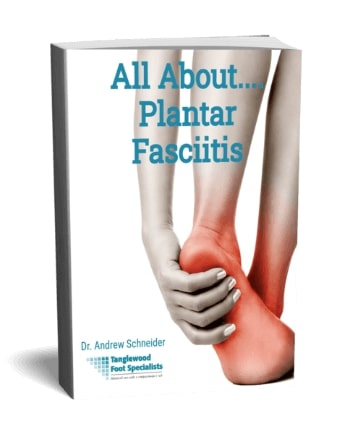
 Heel pain is discomfort or pain felt underneath or behind the heel bone, most commonly caused by plantar fasciitis — inflammation and micro-tearing of the plantar fascia where it attaches to the calcaneus, or heel bone. Other causes include Achilles tendinopathy, retrocalcaneal bursitis, Haglund's deformity, and calcaneal stress fractures. Accurate diagnosis determines which treatment will actually work.
The plantar fascia itself is a thick, rope-like band of tissue running along the bottom of your foot from your heel to your toes — your foot's built-in shock absorber. Here's what most people don't realize: this tissue has relatively poor blood supply compared to muscle. That's the root of why plantar fasciitis becomes so chronic, so stubborn, and so resistant to the usual advice of rest and ice. Without adequate blood flow, your body struggles to complete the healing process on its own. Research published in StatPearls confirms that plantar fasciitis affects roughly 10% of the general population over a lifetime, with the vast majority being active working adults between 25 and 65 — and that the underlying process is degenerative, not simply inflammatory, which is why anti-inflammatory treatments alone so often fall short.
What ends up happening is what I'd call a failed healing response. Your body started trying to repair the injury, but for various reasons — poor blood supply, scar tissue formation, ongoing mechanical stress — that process stalled. It's like having a construction crew that showed up, laid down some materials, and then just never came back to finish the job. The site sits in a state of partial repair indefinitely. That's not a metaphor. That's the actual biology of chronic tendon and fascial injury, and it's why the treatments that work are the ones designed to restart that process — not just reduce inflammation temporarily.
Heel pain isn't a diagnosis — it's a symptom. Six different conditions can produce pain in almost the same spot, and each one needs a different approach. That matters, because treating plantar fasciitis the same way you'd treat Achilles tendinopathy — or missing a stress fracture entirely — leads to exactly the frustrating plateau most people reading this have already lived through.
What Causes Heel Pain?
The most common cause is plantar fasciitis, and the mechanism is specific enough that it's worth walking through exactly. During any period of rest — sleep, sitting, even a long drive — your plantar fascia starts to heal in a shortened, contracted position. When you take your first steps, the weight of your body suddenly loads that fragile, partially repaired tissue and pulls it apart. That tearing is what causes the searing pain you feel getting out of bed in the morning. Doctors call this post-static dyskinesia, and it's the hallmark symptom that tells me, before I've even examined your foot, that plantar fasciitis is likely in play.
But your plantar fascia isn't working in isolation. Think of your body like a puppet on strings. When your mid-back is stiff, it changes how your hips move. When your hips don't move properly, your calf muscles pick up the slack. And when your calves get tight — which happens to almost everyone who sits at a desk or wears shoes with any heel elevation — they pull on your plantar fascia relentlessly.
I won't judge you for your shoe choices. But I do need you to understand what they're doing to the tissue at the bottom of your foot.
Not all heel pain follows the plantar fasciitis pattern. Pain at the back of your heel, or just above it, points toward Achilles tendinopathy — degeneration of the Achilles tendon near its attachment point. A visible or palpable bony bump at the back of the heel suggests Haglund's deformity, sometimes called "pump bump," which irritates the fluid-filled sac between the Achilles and the heel bone. Runners often present with different loading patterns altogether, and running injuries in the heel can involve stress reactions that won't show up at all on a standard X-ray.
Houston is a city that keeps you on your feet — long shifts at the Texas Medical Center, miles of pavement around Memorial Park, concrete floors in the Galleria. I see the results of all of it. Contributing factors like overpronation, sudden jumps in activity level, and occupational loading on hard surfaces don't cause heel pain on their own, but they absolutely determine how fast an existing problem gets worse. And they directly shape the treatment plan we build together. What causes heel pain isn't always a single thing — it's usually several factors compounding over time, which is why a thorough evaluation matters more than a quick diagnosis.
How a Houston Podiatrist Treats Heel Pain — From First Steps to Full Recovery
Before I walk you through the full treatment progression, I want to be honest about something: the standard approach to heel pain is too short. Most people get rest, ice, and a cortisone shot — and when that doesn't solve it, they're told surgery might be the answer. There's an entire tier of effective treatment that gets skipped between those two options, and it's the tier where I see the most dramatic recoveries. Here's how I actually approach this.
Start Here — Footwear and Load Management
The single most impactful change most people can make immediately costs nothing. Stop walking barefoot on hard floors, especially first thing in the morning. Cold tile is one of the worst things you can put under a plantar fascia that's already been through a night of partial, contracted healing. Keep a supportive shoe or sandal at your bedside and put it on before your feet hit the ground. It sounds almost too simple — but I've seen this one change alone reduce morning pain significantly within a week.
Beyond that, your footwear throughout the day matters. Eliminate flat sandals, worn-out athletic shoes, and unsupported house slippers from your daily rotation. Look for a firm heel counter — that's the rigid back section of the shoe — and a slight heel elevation that reduces tension on the plantar fascia. On the activity side, swap high-impact loading like running and jumping for cycling or swimming temporarily. The goal isn't to go sedentary; it's to maintain your fitness while giving the tissue a chance to stop tearing with every step. Meaningful symptom reduction from footwear and activity changes alone typically takes two to three weeks — it's not curative by itself, but it removes the aggravation that prevents everything else from working.
Stretching, Night Splints, and At-Home Care
Here's the most common mistake I see: stretching aggressively first thing in the morning. Your plantar fascia is already  in a shortened, partially healed position when you wake up. Forcing it into a hard stretch right away tears the repair tissue your body spent the night building — the exact opposite of what you want. Instead, do a gentle, sequenced routine: 20 seconds releasing your mid-back, 20 seconds on your hip flexors, then 20 seconds on your calf. That sequence matters because it works the entire Puppet Strings chain from the top down before you load the foot.
Night splints are one of the most underused tools in heel pain management. They hold your plantar fascia in a gently stretched position overnight, interrupting the shortening cycle that makes morning steps so painful. Roughly 80% of people with plantar fasciitis see improvement with consistent use — a finding supported by prospective randomized research showing 80% of treated feet improved subjectively, with results maintained at study completion. Pair that with a frozen water bottle rolled under the arch for five minutes twice daily, and you've got myofascial release plus cold therapy in one simple tool — more effective than a tennis ball, which usually doesn't apply enough pressure. At-home care manages symptoms and reduces load. What it can't do is restart a stalled healing response or correct the structural mechanics behind the problem.
Custom Orthotics and Conservative In-Office Care
Think of custom orthotics like eyeglasses for your feet. While I'm wearing my glasses, I can see. When I take them off, I  can't. A custom orthotic compensates for your foot mechanics while you're wearing it — it doesn't cure the underlying condition, but it eliminates the mechanical stress that prevents healing and invites recurrence. That's meaningfully different from an over-the-counter insole, which is built around an average foot shape that doesn't correspond to your specific biomechanics.
Custom orthotics start with a full biomechanical exam, gait evaluation, and a 3D mold of your foot. The cash price is $700, and most people who need them will wear them long-term — which is fine, because smart biomechanical management isn't dependence, it's maintenance. You can read more about how orthotics for heel pain differ from what you'll find at a pharmacy.
A cortisone injection ($120) has a clear and limited role in my practice. It reduces inflammation fast — you'll typically feel meaningful relief within 48 to 72 hours — and it's useful as a one-time pain bridge while we implement treatments that actually repair tissue. What cortisone doesn't do is give your body the materials it needs to rebuild the damaged plantar fascia. Worse, repeated injections carry real risks: fat pad atrophy, fascial weakening, and in some cases rupture.
I use it selectively, explain the tradeoff honestly, and don't repeat it indefinitely. About 70 to 80% of cases respond well to this combined approach of lifestyle changes, at-home care, and conservative in-office treatment — with consistent compliance over six to twelve weeks. Cases with more than a year of symptoms, however, almost always need the next level regardless of how well they follow the conservative plan.
The Third Option — Regenerative Medicine
If you've been through conservative treatment for months and you're still struggling, I want you to know there's a step between cortisone and surgery that most providers don't offer — and it's where I see the most dramatic recoveries. This is what I call the Third Option, and it's what separates a modern podiatry practice from one that's still working off a 1990s protocol.
Shockwave therapy ($300 per session, or $750 for a package of three) delivers focused acoustic energy pulses to the damaged tissue. Think of it like aerating a lawn — by creating small channels in compacted, scar-laden tissue, you allow healing factors, oxygen, and nutrients to penetrate where they previously couldn't. It breaks up calcifications, clears scar tissue, and restarts the body's natural repair process. That stalled construction crew shows back up and finishes the job.
Sessions run 10 to 15 minutes once weekly for three weeks, and more than 82% of people see pain resolution after a full course — consistent with 2024 meta-analysis data showing shockwave outperforms corticosteroid injections in pain, plantar fascia thickness, and foot function at mid-term follow-up. Initial improvement typically shows at two to four weeks; full benefit develops over three to six months. Read more about shockwave therapy for heel pain and the evidence behind it.
PRP injections — platelet-rich plasma — work on a different mechanism entirely, and the contrast with cortisone is worth understanding. A simple blood draw from your arm is processed in a centrifuge that concentrates your platelets five to seven times above their normal level. That concentrated solution — liquid gold for healing — gets injected directly into the damaged tissue under ultrasound guidance. Those platelets carry growth factors that signal collagen synthesis, new blood vessel formation, and cellular regeneration.
Unlike cortisone, which suppresses your body's response, PRP amplifies it. Cash price is $850, and 70 to 80% of people with chronic tendon problems see significant improvement. A 2024 meta-analysis of 24 randomized controlled trials involving 1,653 participants found PRP injections produced significantly better pain scores than corticosteroids at both three and six months — and is recommended as the preferred option for chronic plantar fasciitis management. Read the full breakdown of PRP for plantar fasciitis including what the procedure actually involves.
The most powerful approach is the combined Seeds and Soil protocol — PRP first, then shockwave in sequence. PRP provides the seeds: the growth factors and signaling proteins that tell your body exactly how to repair the damaged tissue. Shockwave prepares the soil: breaking up the compacted, scar-laden environment so those healing factors can actually penetrate and work. Used together — PRP injection first, then shockwave once weekly for three weeks — this combined approach produces an 85 to 95% success rate for chronic cases that have already failed conservative care.
The ideal candidate has had pain for three or more months, hasn't responded adequately to stretching and orthotics, and wants to avoid surgery. Most insurance plans don't cover PRP or shockwave, but FSA and HSA funds typically apply. And when you compare the combined cost of roughly $1,600 to repeated cortisone copays, ongoing physical therapy bills, or the significantly higher cost of surgery and post-surgical rehab, many people find the math pretty compelling. We also offer red light therapy ($39 per session) and Remy Class IV laser ($97 per session) as adjunct treatments, along with BPC-157 peptide therapy — an emerging oral option showing real promise for chronic tendon degeneration. All of these are available right here, under our broader regenerative medicine options.
Surgery — When It's Actually Necessary
Look, I know foot surgery sounds scary. But only about 5% of heel pain cases ever reach this point — and when they do, the procedures we use today are dramatically less invasive than what most people imagine when they hear the word surgery. We're not talking about large incisions, general anesthesia, or weeks on crutches.
The Tenex procedure is my preferred approach when surgery is truly indicated. It uses ultrasonic energy to remove degenerated tissue through a micro-incision the size of a pen tip — no large incisions, no general anesthesia. For confirmed significant fascial restriction, an endoscopic plantar fascia release uses two small incisions with a camera-guided partial release of the tight tissue. Both are outpatient procedures.
Recovery is straightforward: protected weight-bearing in a surgical shoe for the first week, gradual return to normal footwear by week two, progressive activity through weeks three to six, and a return to running by months two to three. Custom orthotics are fitted during recovery to prevent recurrence. The satisfaction rate when surgery is appropriately indicated is 85 to 90% — but again, 95% of the people I treat never get there. For a detailed look at what foot surgery in Houston actually involves, that page walks through realistic expectations.
Not Sure Where You Fall in This Progression?
That's exactly what I'm here to figure out with you. Let's build a plan that fits your situation.
Schedule a Visit →
What to Expect When You Come In to Our Houston Office
When you come in, I'll start by asking about your goals — not just your symptoms. Do you need to get back to running? Stand on your feet through eight-hour shifts? Just walk to the mailbox without thinking about it?
That answer shapes the entire plan. I'll ask what you've already tried, how long this has been going on, and what makes it better or worse. By the time I've heard the history, I usually have a strong working hypothesis before I've even touched your foot.
The physical exam is thorough and specific. I'll do a weight-bearing assessment to see how your foot functions under load, observe your gait, and test your ankle range of motion — tight ankle dorsiflexion is one of the clearest indicators of calf tightness driving plantar fasciitis. Then I'll palpate precisely along the plantar fascia and heel to pinpoint exactly where the pain lives. Where it hurts tells me a lot.
Bottom-of-heel tenderness at the calcaneal insertion points to plantar fasciitis. Back-of-heel pain above the bone points toward the Achilles or the bursae. That distinction matters because the treatments diverge significantly from there. If I need imaging, we have on-site X-ray at $90 cash — useful for ruling out stress fractures, assessing bone structure, and confirming whether a spur is present. Dr. Andrew Schneider has been performing these evaluations in Houston for over 25 years, and diagnostic ultrasound is available when soft-tissue detail matters.
By the end of your first visit, you'll leave with a clear diagnosis, a specific plan, and realistic timelines — not a vague instruction to rest and come back in six weeks. Many people feel meaningful improvement within two to four weeks of starting the right treatment. If your symptoms have been present for twelve months or longer, I'll be honest: we're looking at a three-to-six month recovery window, and I'll explain exactly why and what we're doing at each stage.
Regenerative medicine — shockwave and PRP — is available right here at our Tanglewood practice at transparent cash pricing. You don't need a referral to a specialty center or a months-long wait. And if you need fat pad restoration for heel padding that's deteriorated over time, that's here too. Either way, I need to see you — whether it's been two weeks or two years.
Still Limping to Your Coffee Maker Every Morning?
You've waited long enough. Let's find out exactly what's causing your heel pain — and fix it.
Request Your Appointment →