What Exactly Is a Bunion?
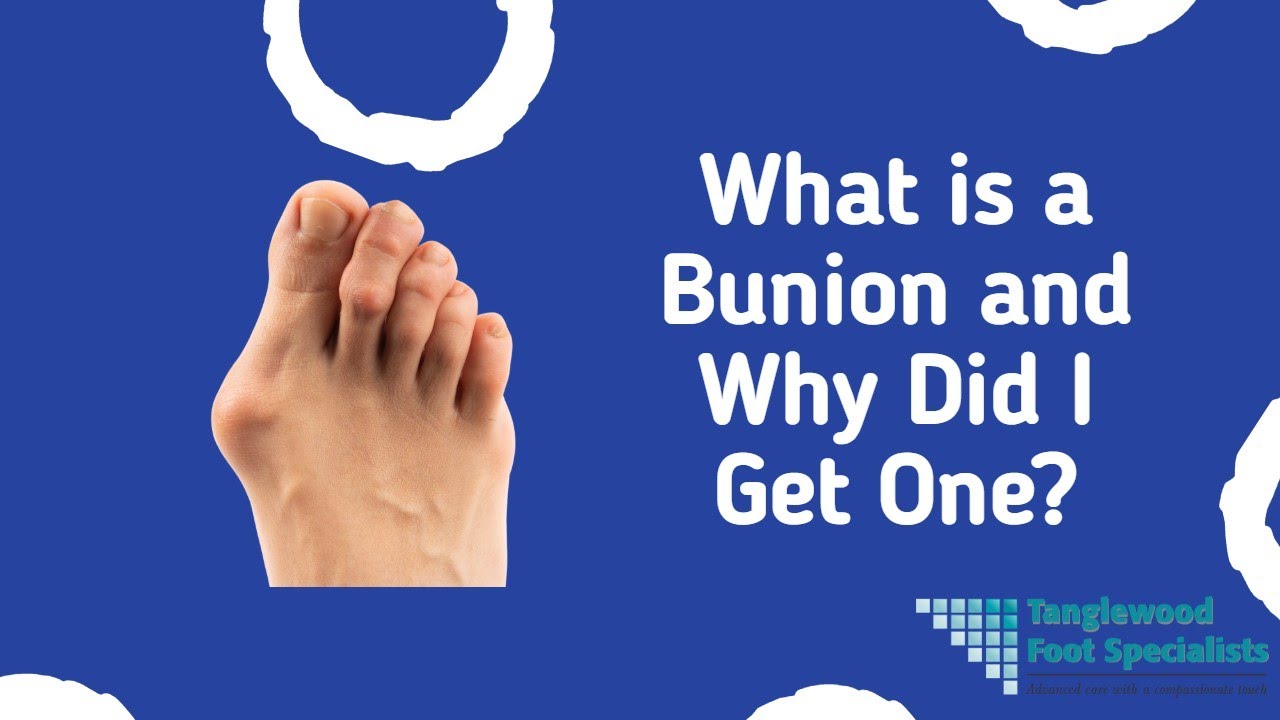
 A bunion — the medical term is hallux valgus — is a progressive bone deformity in which the first metatarsal (the long foot bone behind your big toe) drifts inward while your big toe angles toward the smaller toes. The visible bump isn't extra tissue or bone growth. It's the displaced head of the metatarsal pushing against the skin. Only surgery can correct the underlying structural misalignment.
Here's what most people don't realize: nothing is growing. The bone has moved — and that changes everything about how we treat it. Think of it like the Leaning Tower of Pisa. The lean you see on the outside looks like a surface problem, but the real issue is an unstable foundation. You can't fix a leaning tower by pushing the top back into place. The same logic applies to your bunion, and it's exactly why the old "bumpectomy" — shaving down the bump — fails at a rate of roughly 70%.<sup>[1]</sup> The bone shifts right back because the underlying joint instability was never addressed.
What's actually happening at the joint level is a four-part failure: your first metatarsal rotates out of position, your big toe angles inward toward the second toe, the joint capsule stretches to accommodate the drift, and cumulative damage builds in the first metatarsophalangeal (MTP) joint — the hinge at the base of your big toe — over months and years. That's the joint I'm evaluating on every X-ray, and it's the joint that determines which procedure fits you. You can read more about the full scope of bunion (hallux valgus) deformity on our condition page.
Why Do Bunions Develop?
Bunions are almost always inherited. What you inherit isn't the bunion itself — it's an instability in the ligaments and  joint architecture of the first metatarsal that allows the bone to drift over time.<sup>[2]</sup> If your mother or grandmother had a bunion, there's a meaningful chance you will too. That's not a guarantee, but it's a pattern I see constantly in my practice.
Several factors accelerate that drift once the genetic predisposition is present. Flat feet and excessive inward rolling — what we call hyperpronation — load the first MTP joint unevenly and push the metatarsal inward faster. Narrow or high-heeled footwear compresses the forefoot and speeds progression in people already predisposed. And hard surface load matters more than most people realize: Houston's combination of concrete sidewalks, tile floors, and a nine-month outdoor activity season means your foot takes a beating year-round in ways that people in other climates simply don't experience. I see this in runners training at Memorial Park, nurses at the Texas Medical Center on 12-hour shifts, and teachers who spend their entire day on concrete floors. For people dealing with flat feet and excessive inward rolling, managing hyperpronation is often the first line of conservative defense.
One misconception I hear almost every week: "Did my heels cause my bunion?" Honestly — probably not. Tight or narrow shoes make an existing bunion worse, faster. But genetics are the match; the shoes are the accelerant. Women develop bunions more often than men partly because of footwear choices, but mostly because of differences in ligament laxity. If you've been blaming your shoes for years, you can let that go — what matters now is where the deformity stands today and what we do about it.
The Truth About Bunion Surgery
The single biggest reason people delay care is fear of surgery — and almost always, that fear is based on information that's 20 or 30 years out of date. Your mother's bunion surgery may well have meant weeks in a cast, non-weightbearing recovery, and significant disruption to her life. That's not what I do. Most of my patients walk out of the surgery center on the same day, in a boot, already bearing weight.
Let me address the three myths I hear most often. The first: "I have to wait until it's unbearable." This one genuinely concerns me, because waiting doesn't preserve your options — it eliminates them. A mild bunion with a modest intermetatarsal angle (the measurement between your first and second foot bones, which determines severity and guides which surgery fits you) is a 40-minute minimally invasive procedure today. That same bunion left alone for two years may require a more involved reconstruction. The window for simpler surgery closes as the deformity progresses.
The second myth: "Minimally invasive means less complete." It doesn't. Modern minimally invasive bunion surgery uses real-time fluoroscopy — think of it as GPS guidance during surgery — to achieve the same precision as open procedures through pencil-tip incisions. Smaller incisions don't mean less thorough correction; they mean less tissue trauma, faster healing, and less post-operative pain. And the third myth, which I'll address in full detail below: "Lapiplasty® and minimally invasive surgery are the same thing." They're not. They're two different procedures designed for two different presentations — and understanding which one applies to you is exactly what this article is here to do.
How a Houston Podiatrist Treats Bunions — From Conservative Care to Minimally Invasive Surgery
After treating thousands of patients with bunions, here's what I've learned: surgery isn't always the answer — but pretending it's never the answer doesn't serve you either. My job is to find the right intervention at the right time, and to be honest with you about where you are in that spectrum. That means we always start with the least invasive options and only move forward when the evidence tells us to.
Lifestyle Modifications
The first thing I look at is what's loading your first MTP joint every day and whether we can reduce that stress. Sometimes, that's as simple as switching to a wide toe-box shoe — I look for at least a half-inch of clearance at the tip and heels no higher than 1.5 inches. If you're a runner, trading high-impact miles for swimming, cycling, or elliptical for 6–8 weeks can meaningfully reduce joint inflammation.
And if you're carrying extra weight, it matters more than most people realize: every pound of body weight translates to roughly 1.5 pounds of force on your foot while walking, and nearly three times that when running. I'm not saying any of this to make you feel judged — I'm saying it because these are real levers, and they're yours to pull before we do anything else. Honest limitation: lifestyle changes reduce your pain. They don't reverse your bunion.
At-Home Care
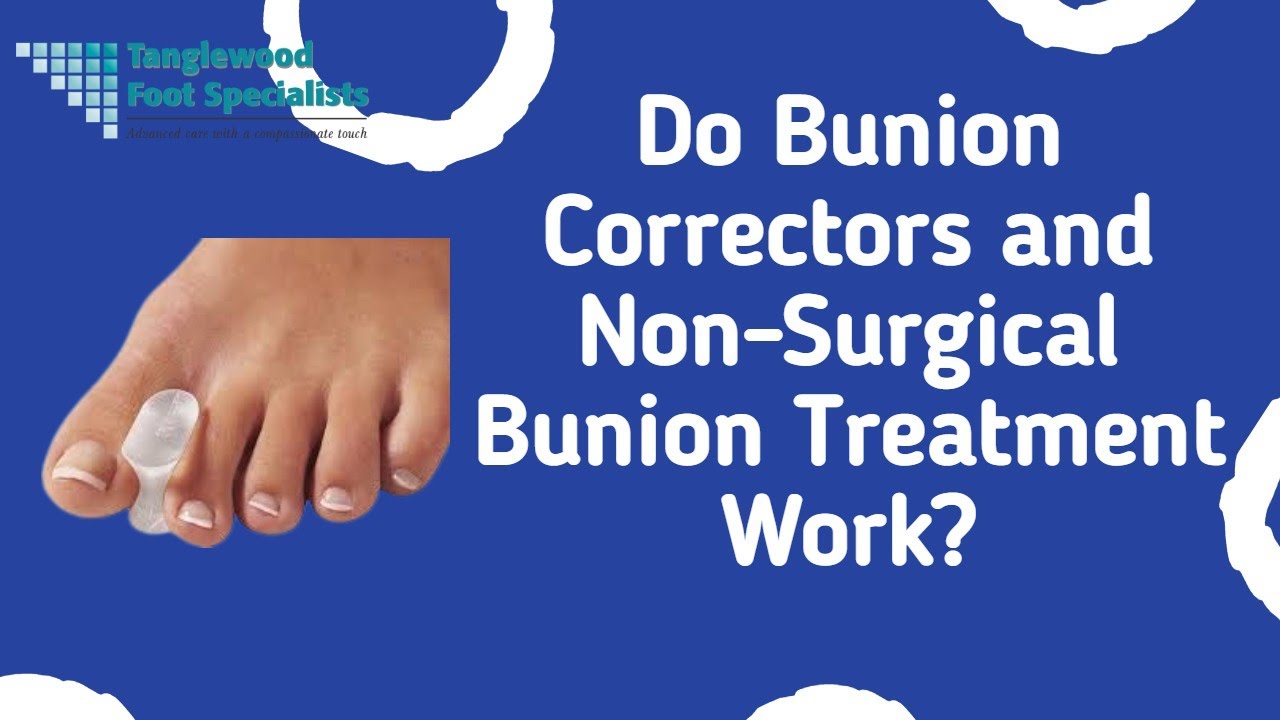
Silicone toe spacers can reduce friction and slow the rate of drift modestly — they're worth using, and they're inexpensive. Ice for 15–20 minutes after activity helps with acute flares. NSAIDs like ibuprofen have a role during particularly painful periods, but they're not a long-term strategy.
I'll be direct about what doesn't work: bunion corrector braces. I understand the appeal — the marketing is persuasive and the price is right. But there's no biomechanical mechanism by which a brace can counter the deforming forces acting on your foot during weightbearing. The research simply doesn't support it. At-home care is purely palliative — and I'd rather you know that now than find out after six months of hoping.
Conservative In-Office Treatment
 When at-home efforts aren't keeping pace with your symptoms, custom functional orthotics are typically my first in-office recommendation. These aren't the inserts you buy off a shelf — they're prescription devices made from a scan of your actual foot, designed to control hyperpronation, redistribute plantar pressure away from the first MTP joint, and extend your window of conservative management. About 60–80% of my patients get meaningful pain relief from orthotics alone, and they take 2–3 weeks to fabricate. The cash price at our practice is $700.
For acute flares involving bursitis or synovitis (inflammation of the joint lining), a targeted corticosteroid injection can deliver 70–80% short-term relief lasting 6–12 weeks. I use these selectively — they're appropriate for calming a hot, inflamed joint, not as a recurring crutch. Repeated cortisone injections carry a real risk of cartilage degradation over time, and I'll always tell you that before we proceed. Physical therapy has an adjunct role here too: adductor hallucis stretching and strengthening the intrinsic foot muscles can support conservative management, though it won't reverse structural drift.
Regenerative Medicine: The Third Option
This is where I want to spend a moment, because most people have never heard of this — and it genuinely changes the conversation. There's a meaningful middle ground between conservative care and surgery that most podiatrists don't discuss, and I call it regenerative options — what I call The Third Option. I want to be honest about what it can and can't do: regenerative care does not correct bone position. It reduces associated soft tissue pain, supports joint health, and in some cases optimizes surgical outcomes. But for the right patient, it's the difference between managing the problem and living normally again.
PRP injections to support joint health — platelet-rich plasma drawn from your own blood and concentrated with growth factors — work particularly well if you have early cartilage degeneration at the first MTP joint, or if you're trying to delay or avoid surgery. A course of 3–6 sessions is assessed at 8–12 weeks. For secondary conditions that frequently accompany bunions — sesamoiditis, plantar fasciitis, peroneal tendinopathy — shockwave therapy has an 82% success rate in clinical literature<sup>[3]</sup> and can be a genuine game-changer when your pain isn't coming from the bunion alone. Cash pricing: shockwave is $300 per session or $750 for a package of three; PRP is $850 per injection.
Surgical Correction: MIS/PECA and Lapiplasty®
Look, I know foot surgery sounds scary. And I completely understand why so many of my Houston patients have been putting this off for years. But here's what I need you to hear: the surgery I perform today is nothing like what your mother had. Most of my minimally invasive patients walk out of the surgery center the same day — on their own feet, in a boot, already starting their recovery. The harder truth is this: the longer you wait, the more complex the surgery becomes. The best time to address this was probably a year ago. The second best time is now.
For mild-to-moderate bunions — specifically, an intermetatarsal angle (IMA) under 16 degrees on a weightbearing X-ray — I typically perform the minimally invasive PECA technique (Percutaneous Chevron Akin). This is a fluoroscopy-guided procedure using a small burr to make precise osteotomies — surgical bone cuts — through 2–3 pencil-eraser-sized incisions. The whole procedure takes 30–45 minutes as an outpatient. You walk out in a boot the same day, progress to a wide sneaker by weeks 6–8, and you'll typically be back to normal shoes and gym activity by month two or three. Patient satisfaction runs 90–95%, with a 5–8% recurrence rate at five years.<sup>[4]</sup>
For moderate-to-severe bunions — IMA greater than 16 degrees, significant first ray instability, or a deformity that has progressed through all three planes — Lapiplasty® 3D Bunion Correction is the procedure I recommend. Remember the Leaning Tower analogy? Lapiplasty® fixes the unstable foundation at the Lisfranc joint, not just the visible lean. It corrects the bunion in all three dimensions — the sideways drift, the rotation, and the elevation — including the rotational component that traditional surgery misses entirely. That's why traditional bumpectomy has a 70% recurrence rate and Lapiplasty® sits under 3% at two years, with 97% patient satisfaction in clinical studies.<sup>[5]</sup> You're walking in a boot the same day; running returns around weeks 10–14.
How I Decide Which Procedure Is Right for You
I can't tell you which procedure you need until I've examined your foot and reviewed your X-rays. But here's the general framework I use. First, I measure your IMA on a weightbearing X-ray — the angle between your first and second metatarsals. Then I assess first ray hypermobility: how much instability is present at the Lisfranc joint deeper in the midfoot.
From there, I factor in your goals. A marathon runner and a retiree who wants to walk the neighborhood comfortably may have the same IMA but very different optimal outcomes. Age, bone quality, and whether both feet are involved also shape the conversation. Neither procedure is universally better. The right one is the one that fits your specific anatomy, your severity, and your life.
| | MIS/PECA | Lapiplasty® |
|---|
| Best for | Mild-to-moderate (IMA <16°) | Moderate-to-severe (IMA >16°) |
| Surgery time | 30–45 min | 45–75 min |
| Walking | Same day, boot | Same day, boot |
| Normal shoes | ~Week 8 | ~Week 8–10 |
| Running | Week 10–12 | Week 10–14 |
| Recurrence | 5–8% at 5 years | <3% at 2 years |
| Satisfaction | 90–95% | 97% |
Ready to find out which procedure — if any — is right for your bunion? Schedule a consultation and I'll give you a direct answer — no pressure, no script.
What to Expect at Your First Appointment at Tanglewood Foot Specialists
When you come in, I'll start by asking you one question before I even look at your foot: what do you want to be able to do? Not "where does it hurt" — what are your goals. I want to know if you're training for a half marathon, working 12-hour shifts at the Medical Center, or just trying to walk through the grocery store without wincing. That answer shapes everything that comes next. It tells me how aggressively we need to manage your bunion, which options make the most sense for your life, and what "success" actually looks like for you.
Then I'll examine your foot — standing and non-weightbearing — to assess the visible deformity, palpate the first MTP joint and sesamoids, and check whether your second toe is beginning to drift or cross over. I'll also look for signs of sesamoid pain beneath the first MTP joint and evaluate whether any associated hammertoe, metatarsalgia, or flatfoot is contributing to your symptoms. After that, we take weightbearing X-rays right here in the office — I'll measure your intermetatarsal angle, your hallux valgus angle, and assess first ray mobility on the spot. You'll have a diagnosis and a clear picture of where your bunion stands before you leave that first visit.
If you're also managing diabetes, I pay particular attention to skin integrity and circulation around the bunion. Any skin breakdown or early signs of infection becomes the immediate priority — that's not a conversation to put off. People managing diabetic foot care alongside a bunion need a more careful, coordinated approach, and I'll walk you through exactly what that looks like.
I'm not going to push you toward surgery. If conservative care is appropriate for where you are right now, that's what we'll start with — and I'll be honest about what it can and can't achieve. If your X-rays tell me that surgery is the most sensible path, I'll tell you that too, along with exactly which procedure fits you and why. Orthotics, if indicated, take 2–3 weeks to fabricate. If we're moving toward surgery, scheduling typically runs 3–6 weeks out. Either way, I need to see you — and once I do, you'll have a real plan instead of a waiting room's worth of uncertainty. You can request your appointment online or call us directly at 713-785-7881.