What Is a Bunion, Really? (And Why This Matters for Surgery)
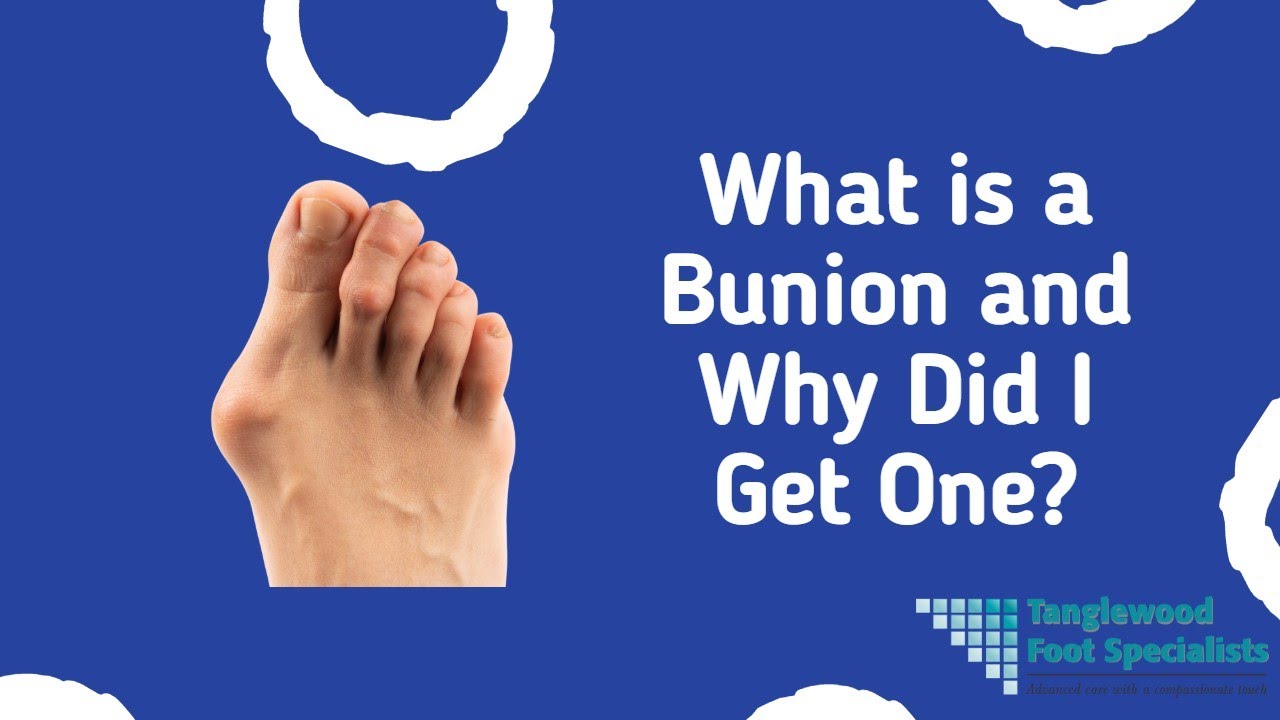
A bunion—medically called hallux valgus—isn't just a bump on the side of your big toe. It's your foot's way of telling  you that the foundation has become unstable. At the base of your big toe, there's a joint called the first tarsometatarsal joint, or TMT joint for short. When this joint becomes loose, your metatarsal bone starts to drift out of position.
Imagine your first metatarsal bone as a tall building. In a normal foot, this building stands straight. But with a bunion, this building isn't just leaning to the side like the Leaning Tower of Pisa—it's also rotating and lifting up. That's the three-dimensional deformity I'm talking about. Your bone drifts sideways (what we call the transverse plane), rotates (the frontal plane), and elevates (the sagittal plane).
Here's why understanding this matters for choosing your surgery. Research shows that 87% of bunions involve bone misalignment in all three of these dimensions. Traditional bunion surgery—the kind that's been around for decades—typically only addresses one dimension. The surgeon makes a cut in the bone, shifts it sideways, and calls it fixed.
But if you only straighten that leaning tower without stabilizing the foundation, what's going to happen? It's going to start leaning again. That's exactly why 70% of traditional bunion surgeries fail within a few years. The bump comes back because the unstable foundation was never addressed.
Before we dive into comparing specific procedures, I need you to understand this foundation concept. It's the single most important factor in whether your bunion surgery will work long-term or whether you'll be back in my office five years from now with the same problem.
Why Bunions Form (And Why This Affects Your Surgery Choice)
Let me be straight with you—blame a parent or grandparent. Bunions are primarily hereditary. You inherit the tendency for that TMT joint to become loose and unstable. I see it all the time in my practice: mothers and daughters come in together, both with bunions, sometimes the grandmother too.
Can narrow shoes make bunions worse? Absolutely. High heels? They definitely accelerate the problem. But shoes don't cause the unstable foundation—genetics does. If you have the genetic predisposition for that joint to become loose, bunions will eventually develop regardless of what shoes you wear. The shoes just determine how quickly it happens and how uncomfortable you'll be along the way.
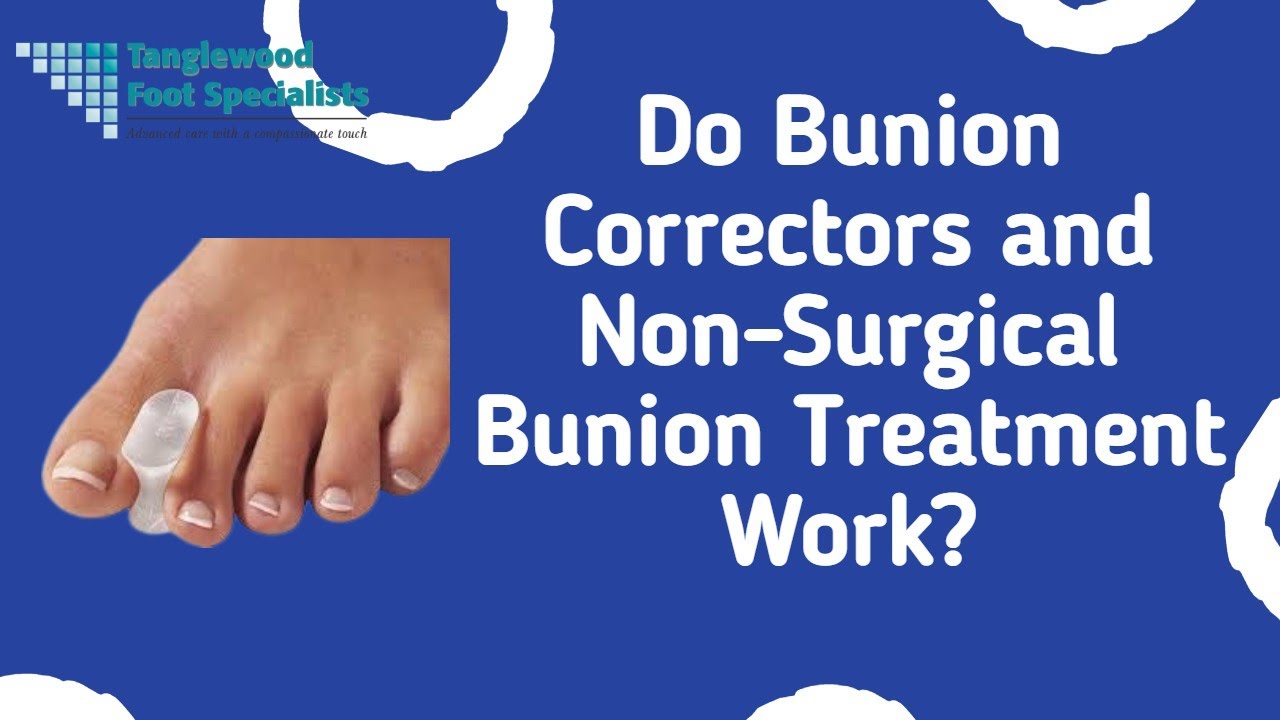
Here's what's frustrating for patients: bunions don't reverse on their own. They're a progressive condition. Once that foundation becomes unstable and the bone starts drifting, it continues drifting. Conservative treatment like custom orthotics can slow the progression and manage your pain—and we'll talk about that in a minute—but they can't reverse the deformity.
This is where choosing the right surgery becomes critical. If you're going to have surgery—and I'm not saying everyone needs it—you want a procedure that actually fixes the foundation. Otherwise, you're just buying temporary relief before the bunion comes back.
The Biggest Bunion Surgery Myth (And Why It Matters)
Patients tell me all the time: "All bunion surgeries are basically the same—they just remove the bump, right?" I wish that was true, because it would make my job explaining options a lot easier. But it's 100% false.
For decades, bunion surgery was pretty much what you just described—shave off the bump, maybe make a small cut in the bone to shift it over, send you home on crutches for two months. That approach worked okay if your only goal was to make the bump smaller. But it didn't address why the bump formed in the first place.
The evolution of bunion surgery has been this: from bump shaving, to bone realignment, to what we're finally doing now—three-dimensional correction with foundation stabilization. Each generation of procedures got better at addressing the actual problem instead of just treating the symptom.
So when you're choosing a bunion surgery, you're not just picking a surgeon—you're choosing a surgical philosophy. Are you signing up for a procedure that shaves down the bump and hopes for the best? Or are you getting a surgery that corrects all three dimensions of the deformity and stabilizes that unstable foundation?
That difference is why some procedures have a 70% recurrence rate while others have less than 10%. It's not about surgeon skill—though that matters too. It's about whether the procedure itself is designed to fix the real problem.
Do I Really Need Surgery? (When Conservative Treatment Makes Sense)
Look, I'm not anti-surgery—but I am pro-trying-everything-else-first. In our Houston podiatry practice, about 30-40% of  patients who come in thinking they need bunion surgery end up managing their symptoms successfully without it. Surgery should be your choice when conservative care isn't giving you the quality of life you want, not the automatic next step.
Here's what conservative treatment can actually do. Custom orthotics—and I'm talking about real custom orthotics molded to your specific feet, not those kiosk machines at the drugstore—can redistribute pressure away from your bunion and slow the progression significantly. Think of them like eyeglasses for your feet. While you're wearing them, they compensate for the mechanical issues. They won't reverse the bunion that's already there, but for a lot of patients, they provide enough relief to avoid surgery for years or even permanently.
The timeline I give patients is this: if you wear custom orthotics consistently for three to six months and you're still in significant pain, still avoiding activities you love, or still struggling to find any shoes that don't hurt—then it's time to have a serious conversation about surgical options. But if the orthotics are working and you're comfortable? There's no reason to rush into surgery.
And here's what I tell every patient: you're not a failure if conservative treatment doesn't work. Some bunions are too severe or progressing too quickly for orthotics to manage. That's not about your commitment to wearing them—it's about the severity of the deformity and how unstable that foundation joint has become.
Not sure if you're ready for surgery? Either way, I need to see you to evaluate your bunion and discuss all your options. Schedule your consultation with Dr. Schneider: 713-785-7881
What Makes Bunion Surgery Successful? (The Foundation Principle)
After performing thousands of bunion surgeries over 25 years, I've learned that success comes down to one critical factor: did the surgery stabilize the foundation? Everything else—the incision size, whether it's called "minimally invasive," how fancy the technology sounds—matters far less than whether the procedure addressed that unstable TMT joint.
Here's what I mean by foundation stabilization. Remember that first tarsometatarsal joint we talked about earlier—the one that became loose and allowed your metatarsal bone to drift out of position? A successful bunion surgery has to do more than just realign that bone. It has to permanently secure that joint so it can't become loose again. Without that stabilization, you're essentially straightening the bone and then setting it back on an unstable foundation. It's going to shift again.
The procedures I'm going to walk you through in the next section range from ones that don't address the foundation at all—and these have the highest recurrence rates, 60-80%—to ones that fully stabilize the foundation with permanent fixation. Those modern procedures have recurrence rates under 10%, according to clinical studies. That's not a small difference. That's the difference between fixing your bunion once and fixing it again in five years.
What most people don't realize is that the "old-school" bunion surgeries that dominated for decades—simple exostectomy, distal osteotomy, even some proximal osteotomies—were designed before we fully understood this foundation instability concept. Surgeons were doing their best with the knowledge available at the time. But now we know better. And when you know better, you do better.
How Do I Know Which Surgery Is Right for Me? (What You Need to Understand First)
Before we get into comparing specific procedures, you need to understand the three factors that determine which surgery makes sense for your bunion: the severity of your deformity, your activity level and goals, and your overall health.
Severity matters because mild bunions—where your big toe angle is less than 20 degrees and the bump is relatively small—can sometimes be successfully treated with less invasive procedures. But if you've got a moderate to severe bunion with an angle over 30 degrees, a visible rotation in the bone, and that classic "my toe is pushing into my second toe" appearance? You need a procedure that can handle all three dimensions of that deformity. Trying to fix a severe bunion with a mild bunion procedure is like trying to stabilize a heavily leaning building by just painting it. It's not going to work.
Your activity level shapes the decision too. If you're a runner, a dancer, someone who stands all day at work, or just someone who wants to hike with their grandkids without pain—you need a surgery that gives you permanent correction with the strongest possible fixation. If you're more sedentary and your main goal is just to find comfortable shoes again, we might have more options. And frankly, your age and overall health matter too. Younger patients benefit more from permanent correction because they've got decades ahead of them. Older patients or those with health conditions that affect healing need to weigh the benefits against the risks more carefully.
Here's what happens when you come into our Houston office. I'll examine your bunion, take X-rays to measure the exact angles of your deformity, watch you walk to see your foot mechanics, and talk with you about what activities you want to get back to. Then we'll discuss which procedures are appropriate for your specific situation. Not every surgery is right for every bunion—and anyone who tells you there's only one way to fix bunions isn't being honest with you.
The Surgical Options: From Worst to Best
I'm going to walk you through bunion surgery procedures from least effective to most effective. This isn't how most surgeons explain it, but I think you deserve to understand why some procedures work and others don't. The pattern you'll see is this: procedures that address more dimensions of the deformity and actually stabilize the foundation have dramatically better outcomes.
Simple Exostectomy (Bunionectomy) - The "Shave and Hope" Approach
This is the old-school approach—literally just shaving down the bump. The surgeon removes the prominent bone on the side of your toe, maybe smooths things out a bit, and that's it. No bone realignment, no foundation stabilization, nothing.
I rarely perform this procedure anymore, and here's why: recurrence rates run between 60-80%. The bump comes back because we haven't addressed why it formed in the first place. That unstable TMT joint is still unstable. The bone is still drifting in three dimensions. We've just made the symptom temporarily smaller.
The only time I consider simple exostectomy is for elderly patients with severe health conditions where minimizing surgical time is critical, or for someone with a very mild bunion who just needs the sharp edge smoothed for shoe comfort. Even then, I'm setting expectations that this isn't a permanent fix. Research shows that procedures not addressing the foundation have recurrence rates as high as 70%.
Distal Osteotomy - One-Dimensional Correction
 This is where bunion surgery got a bit more sophisticated. The surgeon makes a V-shaped or chevron-shaped cut near the end of your metatarsal bone, shifts it sideways toward the center of your foot, and secures it with screws or pins. You're actually realigning the bone now, not just shaving it.
For mild bunions—we're talking angles less than 25-30 degrees—distal osteotomy can work okay. Recovery is typically four to six weeks in a surgical boot. But here's the problem: you're still only fixing one dimension of a three-dimensional problem. You've shifted the bone sideways, but you haven't addressed the rotation or the elevation. And you definitely haven't stabilized that foundation.
Recurrence rates run around 40-50% because that unstable joint is still there. The bone can shift back over time. I see patients five or seven years after distal osteotomy, and the bunion's back, sometimes worse than before. It's frustrating for them, and honestly, it's frustrating for me too.
Proximal Osteotomy - More Powerful, But Still Missing the Foundation
Now we're making the bone cut closer to the base of the metatarsal instead of near the toe. This gives us more leverage to correct larger deformities. For moderate bunions, proximal osteotomy provides stronger realignment than distal cuts.
But here's the trade-off with traditional proximal osteotomy: you're looking at six to eight weeks non-weight-bearing on crutches. That's a long time to navigate your life without putting weight on your foot. And even with this more powerful correction, we still haven't addressed the foundation instability. Recurrence rates drop to around 30-40%—better than distal cuts, but still not where I want them.
Traditional Lapidus Procedure - Finally Addressing the Foundation
This is where we finally get to foundation stabilization. The traditional Lapidus procedure fuses that unstable TMT joint. The surgeon realigns your metatarsal bone and then permanently fuses the joint that was allowing it to drift. No more instability because there's no more movement at that joint.
Recurrence rates drop dramatically—down to around 20-30%—because we've finally addressed the root cause. This is a solid procedure, and it's been the gold standard for moderate to severe bunions for years. The downside? Traditional Lapidus technique still typically requires six to eight weeks on crutches while the fusion heals, and the manual technique can be less precise than modern 3D correction methods.
Lapiplasty 3D Bunion Correction - The Procedure I Recommend Most Often
 Now we get to Lapiplasty—the procedure I perform most often for moderate to severe bunions. This is three-dimensional correction with foundation stabilization, but done with specialized instrumentation that allows for precision and strength that traditional techniques can't match.
Here's what makes Lapiplasty different. Instead of just pushing your bone sideways, we're correcting all three dimensions simultaneously. We rotate the bone back to its normal position, bring it down if it's elevated, shift it to proper alignment, and then we stabilize that TMT joint with titanium plates designed specifically for this purpose. The fixation is incredibly strong—much stronger than traditional fusion techniques.
Because the fixation is so strong, here's what changes your recovery experience: you can walk in a surgical boot within the first week. Not running marathons, not hiking mountains—but walking. To the bathroom. Around your house. Back to somewhat normal life while you heal. Compare that to six to eight weeks on crutches with traditional procedures. For working adults, for parents, for anyone who can't just stop their life for two months—that's a game-changer.
The specific timeline looks like this. Week one, you're walking in your boot with full weight-bearing. By six weeks, most patients transition to supportive athletic shoes. At twelve weeks, you're back to normal daily activities. By four months, you can return to high-impact sports if that's your goal. Yes, it's still surgery with swelling and discomfort—I'm not going to pretend otherwise. But the recovery is dramatically faster than traditional bunion surgery.
Success rates are what sold me on this procedure. Patient satisfaction runs over 90% at two-year follow-up in clinical trials. Recurrence rates are under 10%—and when you compare that to the 70% recurrence we see with old-school procedures, it's not even close. We're finally addressing the problem correctly with modern foot surgery techniques.
Let's talk about cost, because nobody else will. Here in Houston, Lapiplasty typically costs between $8,000 and $12,000 depending on the surgical facility and anesthesia. Traditional bunion procedures run $6,000 to $9,000. Is Lapiplasty more expensive upfront? Yes. But here's how I think about it: if traditional surgery has a 70% chance of failing, you've now spent $12,000 to $18,000 and had surgery twice, with double the recovery time and double the pain. Lapiplasty done right the first time suddenly looks like the better investment.
Most insurance plans, including Medicare, cover Lapiplasty when it's medically necessary—meaning when conservative treatment has failed and your bunion is causing functional impairment. We can verify your coverage before scheduling so you know exactly what to expect.
Who's Lapiplasty best for? Moderate to severe bunions where that three-dimensional deformity is clearly visible. Active patients who can't afford to be on crutches for months. Anyone who's had a failed traditional bunion surgery and the bunion came back. Patients who want the highest chance of permanent correction the first time.
Minimally Invasive Bunion Surgery (MIS) - When Smaller Incisions Make Sense
You've probably seen ads for "minimally invasive" or "keyhole" bunion surgery. Smaller incisions sound appealing, right? Here's my honest take: smaller incisions don't automatically mean better outcomes. What matters is whether we're correcting the deformity properly and stabilizing the foundation.
MIS techniques work well for mild bunions in ideal candidates—younger patients with good bone quality and relatively simple deformities. The advantage is smaller scars. The disadvantage is that I'm working through tiny incisions without full visualization of the joint. For three-dimensional correction and foundation stabilization, I strongly prefer full visualization. I want to see exactly what I'm doing when I'm permanently altering your foot structure.
I'm not saying minimally invasive is bad—I'm saying it's not automatically better just because the incisions are smaller. For the complex, three-dimensional bunion corrections I perform most often, Lapiplasty with full visualization gives me the precision and strength I need to give you the best outcome.
Making Your Decision: Which Procedure Is Right for Your Bunion?
When you come into our Houston office, I'll examine your bunion and take X-rays to measure the severity of your deformity. Then we'll talk about your goals. What activities do you want to get back to? How much does the bunion hurt right now? Have you tried conservative treatment? How quickly do you need to recover?
For most moderate to severe bunions—especially if you're active, relatively young, or had a previous bunion surgery that failed—Lapiplasty gives you the best chance of permanent correction with the fastest return to weight-bearing. For mild bunions in older patients or those with health conditions that increase surgical risk, we might consider less invasive options.
Here's what I tell every patient: I won't judge you regardless of which option you choose. Either way, I need to see you to evaluate your specific bunion. Some patients aren't ready for surgery, and that's okay. We can work on conservative management. Some patients are ready to fix the problem permanently, and we'll discuss surgical options. This is your foot, your life, and your decision. My job is to give you honest information so you can make the choice that's right for you.
Ready to find out which bunion surgery option makes sense for YOUR specific situation? Schedule your consultation with Dr. Schneider: 713-785-7881 or request an appointment online.
What Houston Bunion Patients Can Expect: From Your First Visit to Full Recovery
When you come into our Houston office for a bunion evaluation, I'll start by listening to your story. How long have you had the bunion? What makes it hurt more or less? What activities are you avoiding because of it? What shoes can you still wear? These questions tell me as much as any X-ray about how the bunion is affecting your life.
Then I'll examine your foot. I'm looking at the size and prominence of the bunion, checking for any rotation in the bone, seeing if your big toe is pushing into your second toe, testing your joint mobility. I'll watch you walk because your gait tells me about your overall foot mechanics and whether there are other issues contributing to the bunion. We'll take X-rays right there in the office to measure the exact angles of your deformity—how far your metatarsal has drifted from normal position, whether there is elevation or rotation we need to address.
The whole evaluation takes about 30 to 45 minutes. By the end, we'll have a clear picture of your bunion severity and we can talk honestly about your options. If your bunion is mild and conservative treatment makes sense, we'll discuss custom orthotics, footwear modifications, and when to follow up. If your bunion is moderate to severe and conservative treatment has already failed, we'll talk through surgical options and which procedure best matches your specific deformity and goals. If you're also dealing with hammertoes or other foot problems, we'll address those together.
If You Decide on Surgery: The Process From Start to Finish
Let's say we decide together that Lapiplasty's the right choice for your bunion. Here's what happens next. We'll schedule  a pre-operative appointment where we go over your medical history in detail, discuss any medications you take, and make sure you're cleared for surgery. You'll meet with the anesthesia team either before surgery day or the morning of your procedure. The entire experience from arriving at the surgery center to going home typically takes three to four hours, though your actual time in the operating room's only about 60 to 90 minutes.
Look, I know that foot surgery sounds scary. But let me walk you through what actually happens so you know exactly what to expect. You'll be either asleep under general anesthesia or sedated with a nerve block that numbs your foot completely—we'll decide together which option makes you most comfortable. I'll make an incision on the side of your foot, realign your metatarsal bone in all three dimensions using the Lapiplasty instrumentation, stabilize that TMT joint with titanium plates, and close everything up. You won't feel any of it, and the nerve block continues working for 24 to 36 hours after surgery, which gives you a head start on pain management.
The first few days after surgery are the most uncomfortable, I'm not going to pretend otherwise. You'll have a surgical dressing on your foot and you will be wearing a surgical boot. Your foot will be swollen and achy. Pain levels typically run around four to six out of ten with medication—manageable, not excruciating. The most important thing you can do is keep your foot elevated above your heart as much as possible. I tell patients to think of elevation as your job for the first week. Ice packs help with swelling. You'll take prescription pain medication for the first three to five days, then transition to over-the-counter anti-inflammatories.
Here's your recovery timeline. At your first post-operative visit around 10 to 14 days, we'll remove your stitches and take X-rays to confirm everything's healing properly. At six weeks, more X-rays to check bone healing, and most patients transition from the surgical boot into supportive athletic shoes at this point. At twelve weeks, you're typically back to normal daily activities—work, driving, regular shoes. By four months, you can return to high-impact activities like running or sports if that's your goal.
Common questions I get: "Will I be in horrible pain?" No—the nerve block and pain medications manage it well, and most patients tell me it wasn't as bad as they expected. "Can I walk to the bathroom?" Yes, with Lapiplasty you can bear full weight in your boot from day one. You're not running around, but you can navigate your house. "When can I drive?" Once you're out of the boot and off pain medications, typically around six weeks. "Will my foot look normal?" There'll be a scar on the side of your foot, usually three to four inches long, which fades significantly over time. Your foot alignment will look dramatically better than before surgery.
I've been doing this for 25 years. I've performed thousands of bunion surgeries. You're not just getting a procedure—you're getting my experience and expertise to make sure it's done right the first time. Most of my Lapiplasty patients tell me six months later that they wish they'd done it sooner.