What "Walking After Bunion Surgery" Actually Means
Walking after bunion surgery doesn't mean what most people picture. You're not shuffling to the bathroom on crutches, praying you don't put weight on the wrong spot. For the vast majority of my patients, walking — protected walking in a surgical boot — begins before they leave the surgical center on the day of their procedure.
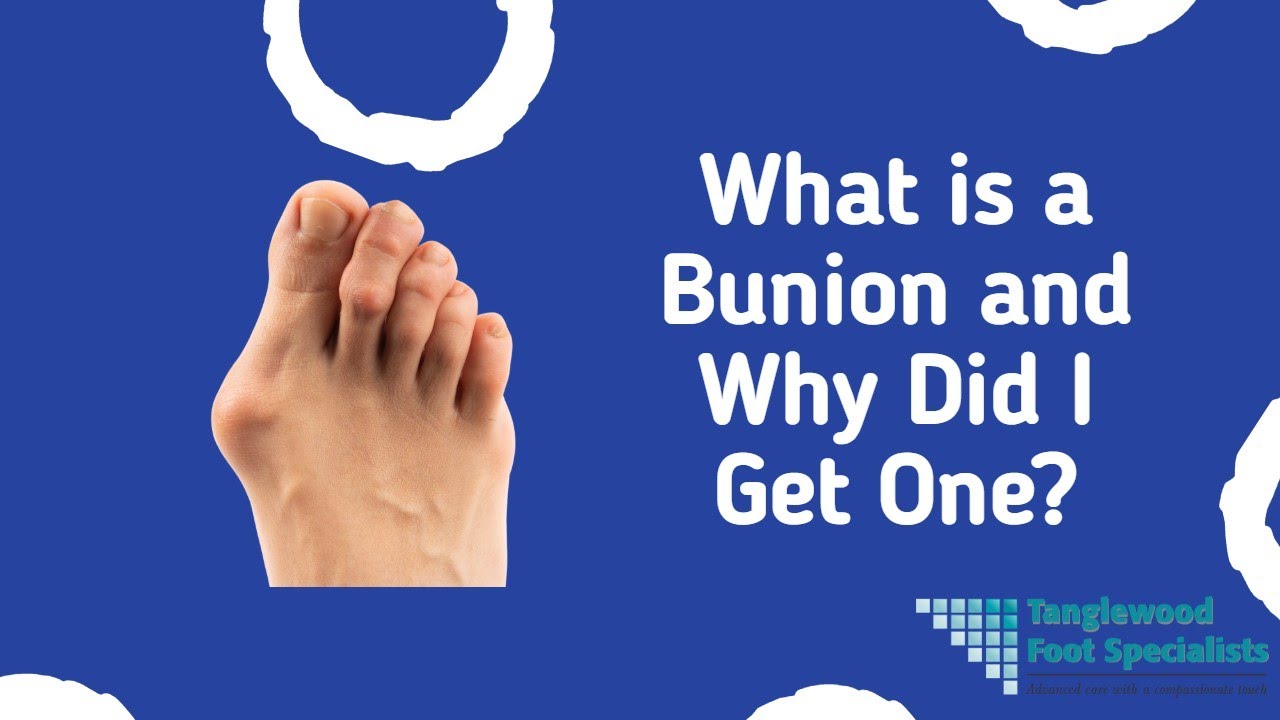
Here's what's actually happening beneath that boot. A bunion isn't just a bump on the side of your foot. It's a structural problem — your first metatarsal (the long bone behind your big toe) has rotated and drifted out of alignment, causing what we call hallux valgus: your big toe angling toward the others while that joint pushes outward. Think of it like the Leaning Tower of Pisa. You can patch the exterior all day, but if the foundation's still tilting, the lean doesn't stop. That's why surgery has to correct the bone, not just shave the bump.
What determines your walking timeline is how that correction gets stabilized. With Lapiplasty® 3D Bunion Correction, two titanium plates lock the metatarsal joint in all three dimensions — creating stability that lets you bear weight immediately in a boot. With older traditional techniques that used screws alone, the fixation was less rigid, which is why surgeons required non-weight-bearing (NWB) — meaning zero body weight through the foot, crutches required for everything — for four to six weeks. That's the version of recovery most people are still picturing. It's largely not what happens anymore.
In short: walking after bunion surgery begins Day 1 in a protective boot. Normal athletic shoes come back around weeks 6–8. A full return to all activity, including running and impact exercise, happens around month 3 for most patients. That timeline is real, and I'll walk you through every phase of it below.
The Truth About Bunion Surgery Recovery Time
Here's what most people don't realize: the horror stories aren't wrong — they're just outdated. When someone's mother had bunion surgery fifteen years ago and spent six weeks on crutches, that was the expected outcome of the technique available at the time. Traditional bunion surgery, called an osteotomy — a surgical cut made in the metatarsal bone to reposition it — corrects the deformity in two dimensions. It shifts the bump. But it doesn't fix the unstable joint that caused the bunion in the first place. That's why traditional surgery carries a 70% recurrence rate.
According to peer-reviewed research on Lapiplasty outcomes{:target="_blank"}, 87% of bunions involve misalignment in all three dimensions — side to side, up and down, and rotational. Traditional surgery corrects one of those three. Lapiplasty corrects all three, and those two titanium plates create enough structural stability that protected weight-bearing on the day of surgery is not just permitted — it's part of the protocol. The American Orthopaedic Foot & Ankle Society{:target="_blank"} recognizes early protected mobilization as a key advantage of modern bunion correction techniques.
Look, I know bunion surgery sounds scary. But the procedure has genuinely evolved. The boot you'll wear isn't a punishment — it's precision engineering, the scaffolding your bone needs while it heals in its corrected position. And for patients dealing with related issues like hammertoe deformities — which often develop when a bunion pushes the second toe out of alignment over time — early intervention means a simpler surgical picture overall.
What Houston Patients Need to Know Before Choosing Bunion Surgery
In our Houston podiatry practice near the Galleria, I start almost every bunion patient on conservative care. Surgery is always the last conversation, not the first. The goal at every stage is the most effective intervention for where your bunion actually is — not where it might end up.
Lifestyle Changes
Sometimes, the most powerful intervention is free. Switching to shoes with a wide toe box and a heel under one inch can reduce bunion pain by 30–50% in mild cases. Pair that with taking breaks from prolonged standing, managing weight to reduce forefoot pressure, and wearing activity-appropriate footwear at home, and you've created an environment where your bunion isn't getting pushed further out of alignment with every step. Most patients underestimate how much footwear alone can change what they feel on a daily basis.
At-Home Care
For some of you, those swaps may be enough to make daily life manageable. Bunion pads — gel or moleskin — cushion the bump against your shoe. Taping can hold the toe in better alignment and reduce joint stress during activity. Night splints slow progression while you sleep. Ice for 15–20 minutes two to three times a day during flares, and NSAIDs like ibuprofen can knock back acute inflammation. Toe exercises — marble pickups, towel scrunches, resistance band work, calf stretches — help maintain joint mobility and strengthen the muscles that support proper alignment.
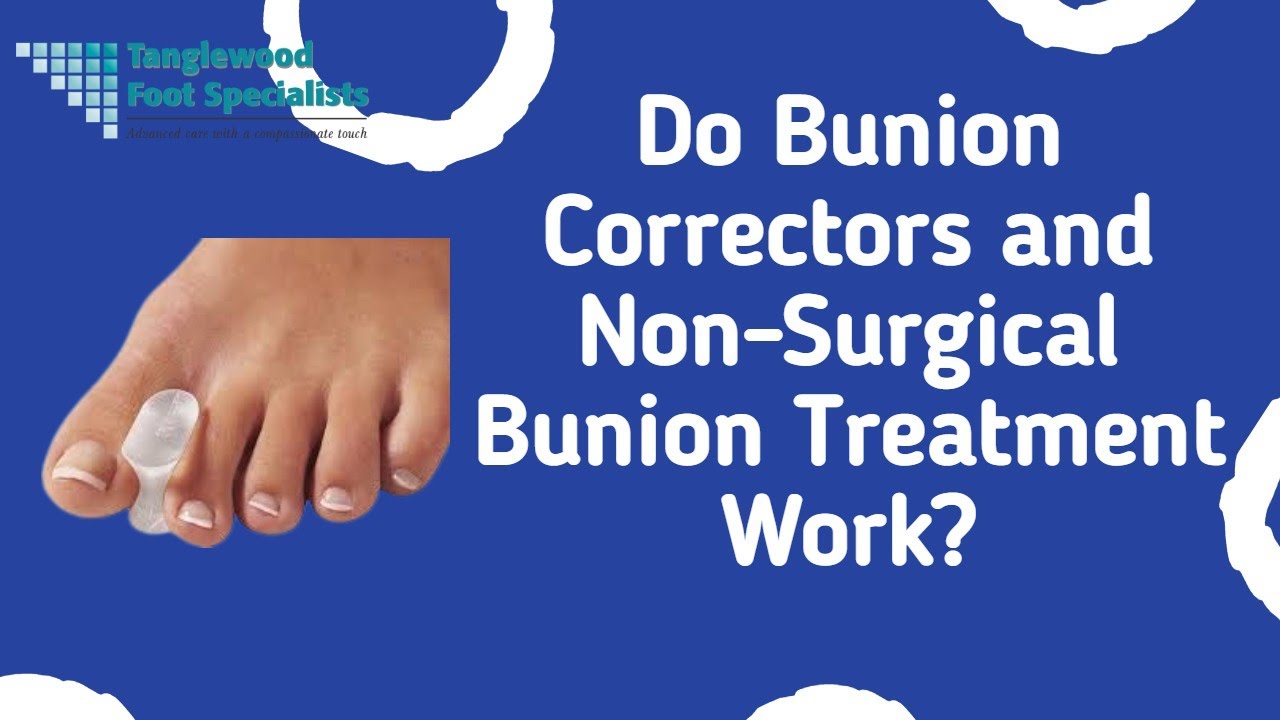
What doesn't work? Those rigid plastic "bunion correctors" sold online with promises to reverse the deformity. They don't. A bunion is a bone problem. A plastic spacer can't move bone.
Conservative In-Office Treatment
When at-home care isn't enough, custom orthotics that redistribute forefoot pressure are often the next right move. At $700, these are far more effective than anything over-the-counter because they're molded to your specific biomechanics — correcting overpronation, redistributing load away from the first metatarsal joint, and reducing the mechanical forces that accelerate bunion progression. Most patients feel meaningful relief within two to three weeks.
For acute flares, a cortisone injection ($120) delivers targeted anti-inflammatory relief within three to five days. I use cortisone judiciously — it's a management tool, not a structural fix, and repeated injections over time can affect soft tissue integrity. Used at the right moment, it can break a painful cycle and let other treatments do their work.
The Third Option: Regenerative Medicine
What's exciting is that we now have treatments that, for the right patient, make surgery far less urgent. You don't have to choose between white-knuckling the pain and going straight to the operating room. There's a middle path — and it works.
PRP therapy for joint inflammation ($850) uses platelet-rich plasma drawn from your own blood, concentrated and injected directly into the bunion joint and surrounding soft tissue. It delivers growth factors that reduce inflammation, promote tissue repair, and strengthen the joint capsule ligaments. Most patients notice initial improvement within two to four weeks, with full benefit at three months. Paired with Class IV laser therapy ($97 per session, $497 for a package of six), the combined protocol produces 85–95% meaningful pain reduction for chronic bunion joint inflammation.
To be straight with you: regenerative therapies don't structurally correct a moderate-to-severe bunion deformity. They won't move bone. But for patients whose primary issue is pain rather than rapid progression, they often make surgery unnecessary. Learn more about the full range of regenerative medicine for foot and ankle pain we offer.
When Surgery Is the Right Answer
Having said all that, some patients do need surgery — and at that point, doing it well matters enormously. The criteria are clear: pain uncontrolled despite three to six months of full conservative protocol, a deformity that's rapidly progressing, or a quality-of-life impact that's become genuinely significant. X-rays showing joint damage factor in too.
Look, I know foot surgery sounds scary. But bunion surgery at our practice today is nothing like what it was a decade ago. With Lapiplasty, you walk out of the surgical center in a boot the same day. The titanium plates that stabilize the correction are permanent. Yes, there's a recovery season. But the result is for the rest of your life. Most of my surgical patients tell me the same thing at their six-month follow-up: they wish they'd done it sooner.
Ready to stop letting your bunion run your life? Request an appointment and let's talk about what your recovery could look like.
What to Expect at Your Bunion Consultation
When you come in, I'll start by listening — not just to your symptoms, but to what's actually affecting your life. How far can you walk before it hurts? What shoes have you given up? Are you avoiding activities you used to love? I ask those questions because your goals matter as much as your X-rays. A runner has different priorities than someone who just wants to get through a workday without pain, and your treatment plan should reflect that. If running is your thing, I'll keep getting you back on the road squarely in mind as we plan your recovery.
Then I'll examine your foot — hands on, not just a glance. I'll assess the deformity, check your range of motion in the big toe joint, evaluate how you walk, and look at what's happening with the surrounding toes. We'll take digital weight-bearing X-rays right here in the office. Weight-bearing is the key part — a bunion behaves differently when your foot is under load, and that's the image that tells the real story about your joint alignment and how much the deformity has progressed. The entire appointment typically runs 30 to 45 minutes.
After that, we'll talk through your options with realistic success rates at each level. I'm not going to walk in with a surgical recommendation already in hand. If conservative care makes sense for where you are, that's where we start — specific treatments, in order, over a defined timeline. If the X-rays show that surgery is genuinely the right answer, I'll tell you that clearly too. No pressure. No vague timelines. Just a clear picture of what's going on and what we can do about it.
I won't judge you for waiting as long as you have, or for being scared, or for trying seventeen things before you finally called. That's what most people do. From consultation to scheduling surgery is typically one to two weeks. The pre-surgical workup takes another two to four weeks. And on the day of your procedure, you walk out in a boot. Schedule your consultation with Dr. Schneider and let's get that clock started.