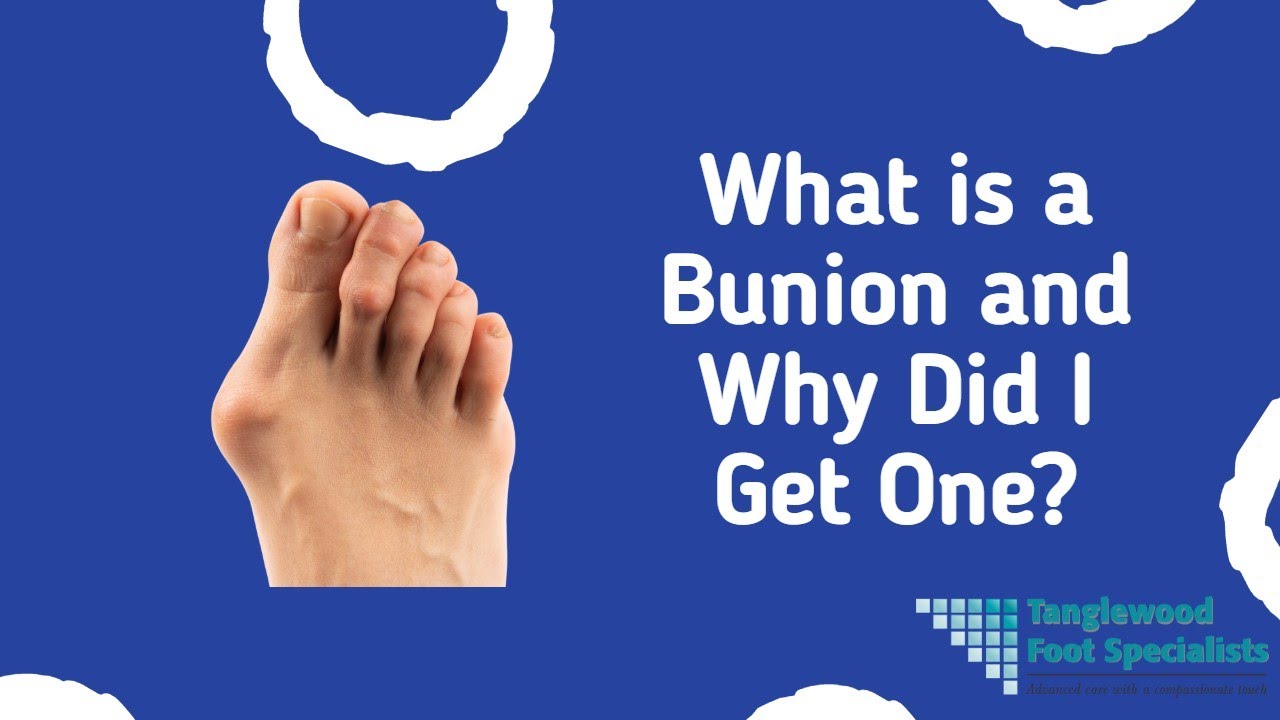
What Is a Bunion? (And Why It's Not What You Think)
Most people think a bunion is just extra bone that grew on the side of their foot. That's not what's happening. A bunion  forms when the joint at the base of your big toe becomes unstable, allowing your metatarsal bone to drift out of position.
Think of your first metatarsal bone as a tall building. In a normal foot, this building stands straight. But with a bunion, this building isn't just leaning to the side like the Leaning Tower of Pisa—it's also rotating and lifting up. That bump you see on the side of your foot? It's not new bone. It's the joint itself, misaligned and increasingly angry about it.
What matters most: 87% of bunions involve bone misalignment in all three dimensions.¹ The bone drifts sideways (that's what makes the bump visible), rotates (which irritates the joint and can lead to arthritis), and lifts upward (putting pressure on your other toes). That upward lift also puts pressure on your other toes, which is why bunions often lead to hammertoes over time. This is why traditional bunion surgery—which only addresses the sideways drift—has such a high failure rate.
Why Do Bunions Form?
Blame a parent or grandparent. Bunions are inherited—you're born with the foot structure that makes them likely. It's not about one specific gene; it's about the overall architecture of your foot. If your first metatarsal joint is naturally more mobile or your foot tends to roll inward when you walk, you're predisposed to developing bunions.
The root cause of a bunion is an unstable joint in the middle of your foot called the first tarsometatarsal joint. Think of it like the foundation of a building. When that foundation becomes unstable, it allows your metatarsal bone to drift out of position. Over time—usually years or decades—that drift creates the visible bump and toe deviation you recognize as a bunion.
Now, while you can't blame your shoes for causing your bunion, they definitely make it worse. High heels shift your weight forward onto the ball of your foot, accelerating the bone drift. Narrow, pointed-toe shoes squeeze your toes together, worsening the deformity. Women get bunions 10 times more often than men,² not because women are more prone to bunions genetically, but because footwear choices accelerate a hereditary predisposition.
You may have heard that bunions are caused by wearing narrow shoes or high heels. That's only partially true. Footwear doesn't cause bunions—genetics do. But those high heels you love? They're definitely making your inherited bunion angry and accelerating its progression.
The Truth About Traditional Bunion Surgery (And Why It Fails)
For decades, bunion surgery followed a simple approach: cut the bone in half, shift the top part over to reduce the  bump, and hope it stays. This procedure—called an osteotomy—addressed the symptom (the visible bump) but ignored the problem (the unstable foundation). It's a two-dimensional solution for a three-dimensional problem.
Remember that leaning tower analogy? Traditional bunion surgery is like pushing the top of the tower over to make it look straighter—but the foundation is still unstable, so it leans right back. And that's exactly what happens: 70% of bunions treated with traditional surgery return to some degree within a few years.³
I've treated countless patients who underwent bunion surgery 10 or 20 years ago, only to watch that bump slowly reappear. They followed all the post-op instructions. They stayed off their foot for the required 6-8 weeks. They did everything right. But their surgeon didn't address the unstable joint that caused the bunion in the first place, so the bone drifted right back out of alignment.
Even worse, traditional bunion surgery required 6-8 weeks of non-weight-bearing recovery. That means crutches, a knee scooter, or a wheelchair for two months. Patients couldn't drive, couldn't work, couldn't function normally. The recovery was so daunting that many people lived with painful bunions for years rather than face surgery.
This is why the development of Lapiplasty was such a game-changer. It's not just an improvement on traditional surgery—it's a completely different approach that addresses the actual problem instead of just treating symptoms.
Do You Even Need Lapiplasty? The Goals-First Approach
Before we even discuss Lapiplasty, I need to understand your goals. What activities do you want to get back to? Are you in pain every day, or just when wearing certain shoes? How long have you been dealing with this? These questions matter because not everyone with a bunion needs surgery.
Here's the truth: I can't make your bunion disappear with orthotics or exercises. Once that bone has drifted, only surgery can realign it. But—and this is important—we can absolutely manage your pain and slow progression without surgery. About 75-80% of my bunion patients do very well with conservative care and never need Lapiplasty.⁴
Conservative bunion management starts with proper footwear—wide toe box, good arch support, low heels. We add custom orthotics to redistribute pressure away from the bunion joint and control the foot mechanics that accelerate progression. For many patients, this combination provides adequate pain relief for years or even indefinitely.
In most medical offices, doctors think in terms of medicate or operate. If medication doesn't work, the next step is surgery. But what if there's a third option that most doctors never mentioned? For bunions, that third option is biomechanical management—using custom orthotics to compensate for the unstable foundation, just like eyeglasses compensate for imperfect vision.
So when do we talk about Lapiplasty? When conservative care has failed despite 6-12 months of consistent effort. When your pain interferes with daily activities—work, exercise, walking—despite proper orthotics and footwear. When your bunion is progressing rapidly and causing functional limitations. Surgery isn't about the X-ray; it's about your quality of life.
I won't judge you if you want to continue with conservative care and come in every so often for monitoring. I also won't judge you if you've tried everything and you're ready to fix the problem once and for all. Either way, I need to see you so we can figure out what's causing your specific pain and what your best options are.
Houston Podiatrist Treats Bunions: The Complete Treatment Progression
In my Houston podiatry practice, I approach bunions with a goals-over-symptoms philosophy. That means we start by understanding what you want to achieve—not just what hurts. From there, we work through treatment options systematically, starting with the least invasive and only escalating when necessary.
Level 1: Footwear & Lifestyle Changes
The fastest intervention is often the simplest: change your shoes. Switch to footwear with a wide toe box, adequate arch support, and heels under one inch. Brands like New Balance, Brooks, and Altra are designed for this. Within 1-2 weeks, if footwear is your main problem, you'll notice a significant drop in pain.
What to expect: 30-40% of patients with early-stage bunions find adequate relief from footwear changes alone. But this doesn't reverse the deformity—it just manages symptoms and slows progression. If pain persists despite proper shoes for 3-4 weeks, we move to the next level.
Many of my Houston patients work at the Texas Medical Center or spend long hours standing in healthcare settings. For them, proper footwear isn't just about bunion pain—it's about surviving 12-hour shifts on concrete floors. If you're on your feet all day, investing in quality shoes with proper support becomes even more critical.
Level 2: At-Home Care
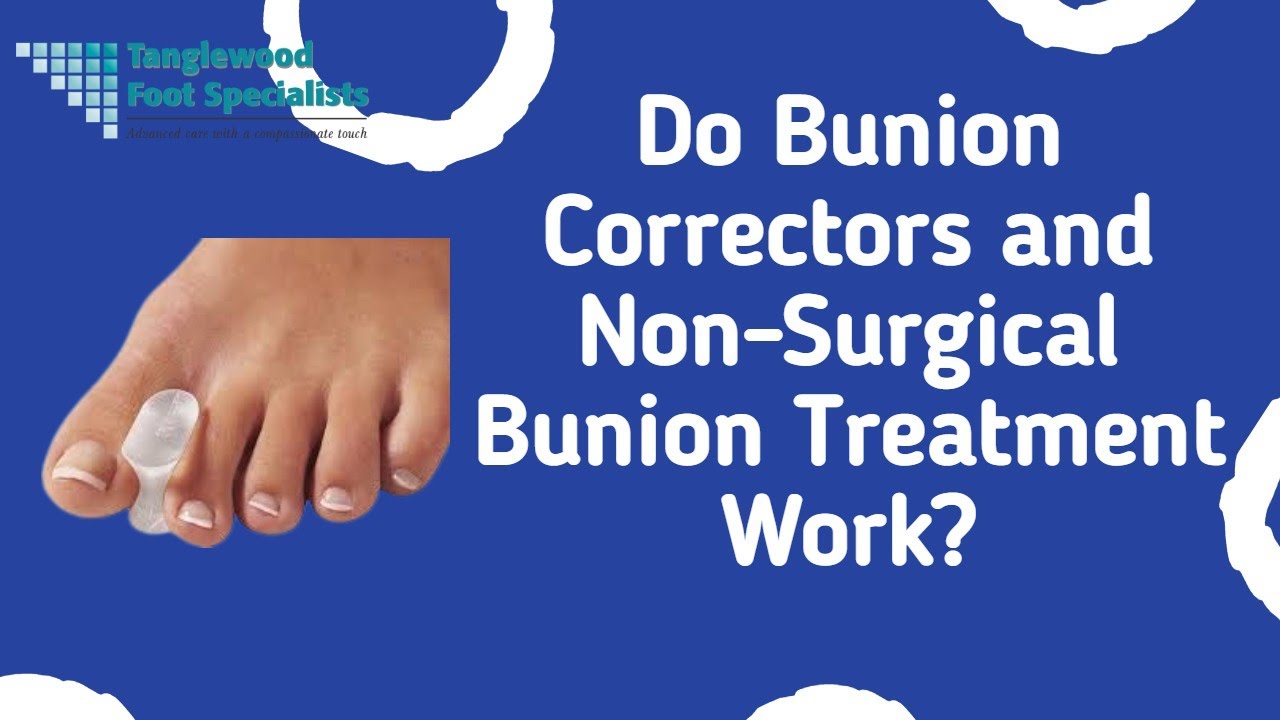
Self-care techniques include ice therapy (20 minutes on, 40 off during flares), toe stretches, and bunion pads for cushioning. Some patients use bunion splints at night, which may provide temporary relief. But here's the honest truth: these techniques don't address the unstable joint causing your bunion. They're comfort measures, not corrections.
Level 3: Conservative In-Office Care
When footwear and self-care aren't enough, we move to custom orthotics. These aren't drugstore insoles—they're medical devices molded to your specific feet, designed to redistribute pressure away from the bunion joint and control the biomechanics accelerating your deformity. Think of them like eyeglasses for your feet: while you're wearing them, they compensate for your foot mechanics.
The process involves a biomechanical examination, gait analysis, and 3D scanning of your feet. Within 3-4 weeks of wearing custom orthotics, most patients notice significant pain reduction. Success rate: 60-70% of mild-to-moderate bunion patients find adequate relief. The catch? You need to wear them consistently, just like you'd wear glasses to see.
For acute bunion flares—when the bursa over the bump becomes inflamed—a corticosteroid injection can provide rapid relief. But I'm honest with patients: cortisone reduces inflammation temporarily, giving you weeks to months of relief, but it doesn't address the underlying mechanics. It's bridge therapy, not a long-term solution. We don't repeat injections more than 2-3 times because they can weaken soft tissue.
Level 4: Advanced Regenerative (The Third Option Reality)
Unlike plantar fasciitis or tendinitis, where regenerative medicine like shockwave therapy and PRP can restart stalled healing, bunions present a unique challenge: the problem is structural bone misalignment. Shockwave can't rotate your bone back into position. That said, if you're dealing with associated conditions—like bursitis over the bunion or plantar fasciitis from altered gait—regenerative treatments can help manage those symptoms. But they're not a substitute for addressing the unstable foundation.
Level 5: Surgery (Lapiplasty)
When do we discuss Lapiplasty? When conservative care has failed despite 6-12 months of consistent effort. When pain interferes with activities you love. When your bunion is progressing despite our best efforts to slow it down. Surgery is never based on the X-ray—it's based on how much your bunion is affecting your quality of life.
Want to know the real difference between Lapiplasty and traditional surgery? Week 1: You're resting, icing, elevating, with pain managed by medication. Days 3-10: You begin walking in a surgical boot. Yes, walking—not crutches. Weeks 2-6: Gradual increase in activity, still in the boot. Weeks 6-8: Transition to regular shoes (wide toe box recommended). Months 3-4: Full recovery, back to all activities including high-impact sports.
With Lapiplasty, over 90% of patients achieve proper bone alignment, and 97% maintain that correction after one year.⁵ Recurrence? Less than 10%, compared to 70% with traditional surgery. Patient satisfaction? Over 90% say they'd recommend this procedure to others. Most tell me they wish they'd done it sooner.
Ready to discuss your options? Schedule an appointment to evaluate whether conservative care or Lapiplasty is right for you. Call us at 713-785-7881 or click below.
REQUEST YOUR APPOINTMENT
What to Expect When You Come to Our Houston Office
When you come in, I'll start by listening. What's bothering you most? How long has this been going on? What have you tried? What are your goals—do you want to run a 5K, wear heels to a wedding, or just walk without pain? These answers guide everything we do next.
Next, I'll examine your foot and watch you walk. I'm looking at your bunion angle, the mobility of that first metatarsal joint, how your foot moves during gait, and whether there's inflammation or other issues contributing to your pain. I'll also check your other foot—bunions are typically bilateral, and addressing biomechanics often means treating both feet eventually.
Then we talk options. If your bunion is mild and your pain is manageable, we'll start with conservative care—footwear guidance, custom orthotics if needed. If you've already tried everything and you're ready to discuss surgery, we'll talk candidly about whether Lapiplasty makes sense for your specific situation. I'll show you X-rays, explain the procedure, discuss recovery timelines, and answer every question.
Here's what I won't do: pressure you into surgery you're not ready for. My job is to give you accurate information, realistic timelines, and honest assessments of what will and won't work. Your job is to decide what fits your life and goals. Either way, we'll create a treatment plan together.
What Is Lapiplasty? The 3D Solution
Lapiplasty® 3D Bunion Correction is a surgical procedure that addresses your bunion in all three dimensions—not just  the visible bump. Using specialized instruments, the surgeon rotates your entire metatarsal bone back to its normal position, naturally removing the bump and straightening your toe. Then, the unstable foundation joint is permanently stabilized with titanium plates.
Here's what happens during Lapiplasty. First, the surgeon uses patented instrumentation to rotate the metatarsal bone back into proper alignment—correcting the sideways drift, the rotation, and the upward lift all at once. This naturally eliminates the bump without having to shave anything down. Second, the unstable tarsometatarsal joint is fused, meaning the two bones are permanently joined together so they can't move independently. Think of it like welding a loose joint into a stable unit. Finally, two small titanium plates secure the correction in place.
The titanium plates serve two critical functions. First, they hold the bones in perfect alignment while they heal and fuse together. Second—and this is the game-changer—they're strong enough to allow immediate weight-bearing.⁶ With traditional surgery, you needed 6-8 weeks on crutches because the fixation wasn't strong enough to support your weight. With Lapiplasty, most patients walk within 3-10 days in a surgical boot.
By permanently stabilizing that unstable foundation joint, Lapiplasty eliminates the cause of the bunion, not just the symptom. The bone can't drift back out of alignment because the foundation is now solid. This is why recurrence rates with Lapiplasty are less than 10%—compared to 70% with traditional surgery.
Lapiplasty is performed on an outpatient basis, meaning you go home the same day. The procedure itself takes about 60-90 minutes under anesthesia. You'll have a surgical dressing on your foot and will transition to a walking boot within the first few days.
Lapiplasty Recovery: Week-by-Week Reality
Look, I know that foot surgery sounds scary. Patients come in terrified they'll be on crutches for months. Here's the reality: Lapiplasty recovery is dramatically faster than traditional bunion surgery because of the advanced titanium plating system.⁷ Most patients are shocked at how quickly they're walking.
Days 1-3: You're resting at home with your foot elevated, managing pain with prescribed medication. It's moderate discomfort, not agony—well-controlled with meds.
Days 3-10: You begin walking in a surgical boot with full weight-bearing. You're not running marathons, but you're walking to the bathroom, around the house, for essential activities. Patients tell me, "I can't believe I'm walking this soon."
Weeks 2-6: You continue wearing the surgical boot anytime you're walking. Week 2: Stitches come out. Weeks 2-6: You're gradually increasing walking time and distance. Pain is mild and decreasing weekly. Some patients return to desk jobs during this phase. You can sleep without the boot after week 3-4.
Weeks 6-8: This is when we transition from boot to regular shoes. X-rays confirm bone healing. You're walking without the boot for most activities. Back to work, even if your job requires standing. You're still avoiding high heels and high-impact activities, but you're functioning pretty normally.
Months 3-4: Full recovery. Bone is completely healed and stable. You're back to all activities, including running, jumping, dancing—whatever you love. Swelling is completely resolved. This is when patients tell me they wish they'd done this years ago.
Lapiplasty vs. Traditional Bunion Surgery: What's the Difference?
Traditional bunion surgery cuts the bone and shifts the top part over—a two-dimensional fix. Lapiplasty rotates the entire bone back to its proper 3D position and stabilizes the unstable foundation. It's the difference between pushing the leaning tower sideways versus straightening it completely and securing its base.
Traditional surgery: 6-8 weeks non-weight-bearing on crutches. Return to regular shoes in 3-4 months. Full recovery 6-9 months.
Lapiplasty: Walking in boot within 3-10 days. Regular shoes at 6-8 weeks. Full recovery 3-4 months.
The difference is dramatic.
Traditional surgery recurrence rate: 70% see some degree of bunion return within years. Lapiplasty recurrence: Less than 10%. Traditional surgery addresses symptoms. Lapiplasty addresses the cause. That's why outcomes are so different.
Ideal candidates include patients with moderate-to-severe bunions, those who've had recurrence after traditional surgery, and anyone who wants the lowest possible chance of their bunion coming back. If you've been putting off bunion surgery because you can't take 8 weeks off work, Lapiplasty changes that equation entirely.