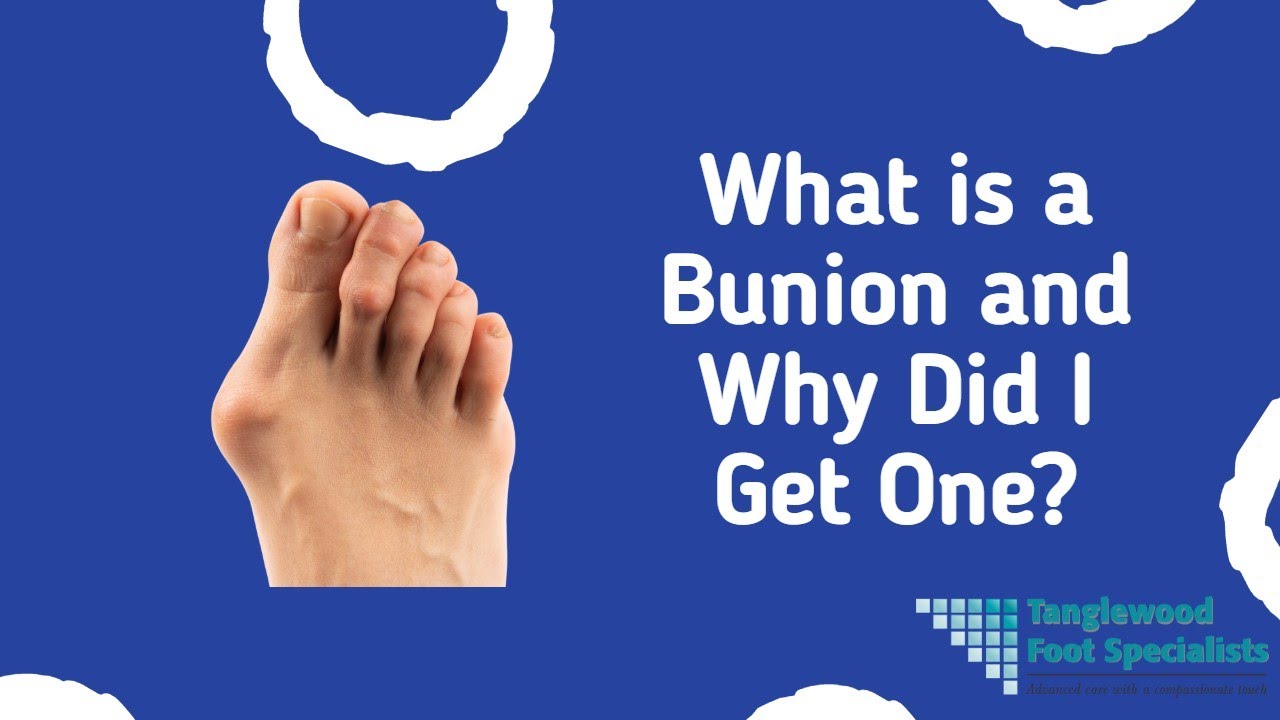
Why "Six Weeks Off Work" Is Only Half the Story
The short answer to how long you'll be off work after a bunionectomy — that's the umbrella term for surgical procedures that correct a bunion — is that it depends on two things: the surgical technique used and what your job physically demands. A desk worker who has Lapiplasty can often return to work from home within one to three weeks. A physical laborer may need ten to fourteen weeks. And with traditional open surgery, you can add three to six weeks to each of those categories.
Here's the thing. "Six weeks" didn't come from nowhere. It's an accurate timeline — for one specific procedure. Traditional open bunion surgery involves a larger incision, cutting and shifting the metatarsal bone, and sending you home on crutches with strict instructions to stay off your foot. That protocol is where the six-week number was born.
But it was never meant to describe all bunion surgery. And most of what you've read online was written about that older approach — not the techniques I use today.
Two variables determine your actual return-to-work date: which surgery you're having, and what your job actually requires. Those two factors create a matrix. Once you understand the matrix, the answer stops being vague.
Think of your metatarsal bone like a tall building. Traditional surgery shaves down the part that's sticking out — the visible bump on the side of your foot. But the building is still leaning. Lapiplasty 3D bunion correction goes after the foundation — the unstable joint that allowed the bone to drift in the first place. That structural difference is exactly why the recovery timelines are so different.
The Surgery You Choose Changes Everything
Not all bunion procedures are the same, and the differences in early recovery aren't subtle. Let me walk you through the three main approaches so you understand what you're actually choosing between.
 Traditional osteotomy — the procedure behind that infamous six-week number — involves cutting the metatarsal bone precisely, shifting it into better alignment, and holding it with screws while it heals. It's real surgery with a real recovery. You'll typically be non-weight-bearing, meaning fully off the foot on crutches or a knee scooter, for two to six weeks.
A surgical boot follows until roughly weeks eight to ten. Regular shoes generally aren't possible until weeks ten to twelve. And swelling? That lingers for six to nine months, longer than most people expect. Bunion surgery in Houston doesn't have to mean this experience — but it does if you're having a traditional osteotomy.
Minimally invasive osteotomy uses smaller incisions and causes less soft-tissue trauma, which helps with early comfort. But it's still an osteotomy — bone is still being cut and repositioned — so the bone-consolidation timeline is similar to traditional surgery. Desk workers may get back a bit sooner; anyone doing physical work still needs six to eight weeks minimum.
 Lapiplasty is the procedure that genuinely changes the equation. It corrects all three dimensions of the bunion deformity and stabilizes the first tarsometatarsal (TMT) joint — that's the root-cause joint, the unstable foundation that allowed the metatarsal to drift — using titanium plates. Most people walk in a surgical boot on day one. No casts. No crutches for most candidates.
And it matters, because 87% of bunions involve misalignment in all three dimensions, which is why traditional surgery — which only addresses one plane — carries a 70% recurrence rate. The Houston bunion specialist conversation worth having isn't just "do I need surgery?" — it's "which surgery actually fixes my problem?"
I've done both procedures. I've watched people leave their 3D bunion correction approach in a boot the same day and watched people who had traditional surgery navigate six weeks on a knee scooter. The difference isn't subtle, and the long-term outcomes aren't even close.
But I want to be direct with you: not every patient is a Lapiplasty candidate. Severity, bone health, and the specific nature of your deformity all factor into the decision. That's exactly why I need to evaluate your specific foot before I can give you a specific timeline.
Not Ready for Surgery? Here's What Can Buy You Time
I won't judge you for not being ready. The question "when can I work after bunion surgery?" is sometimes really two questions: how long will this disrupt my life, and is this actually worth it? Both are completely fair.
And if you're reading this because surgery still feels like a bridge too far, there's a real path forward that doesn't start in an operating room.
Start with your shoes. It sounds almost too simple, but footwear is where bunion pain lives or dies on a daily basis. You need a wide toe box — enough room that nothing is pressing against the bunion joint — and a low heel. Every inch of heel height shifts more of your body weight forward onto the forefoot, directly onto the joint that's already angry.
Sometimes, that's as simple as trading your usual shoes for a pair with more room. It won't reverse the deformity, but it can meaningfully reduce how much pain you're in every day.
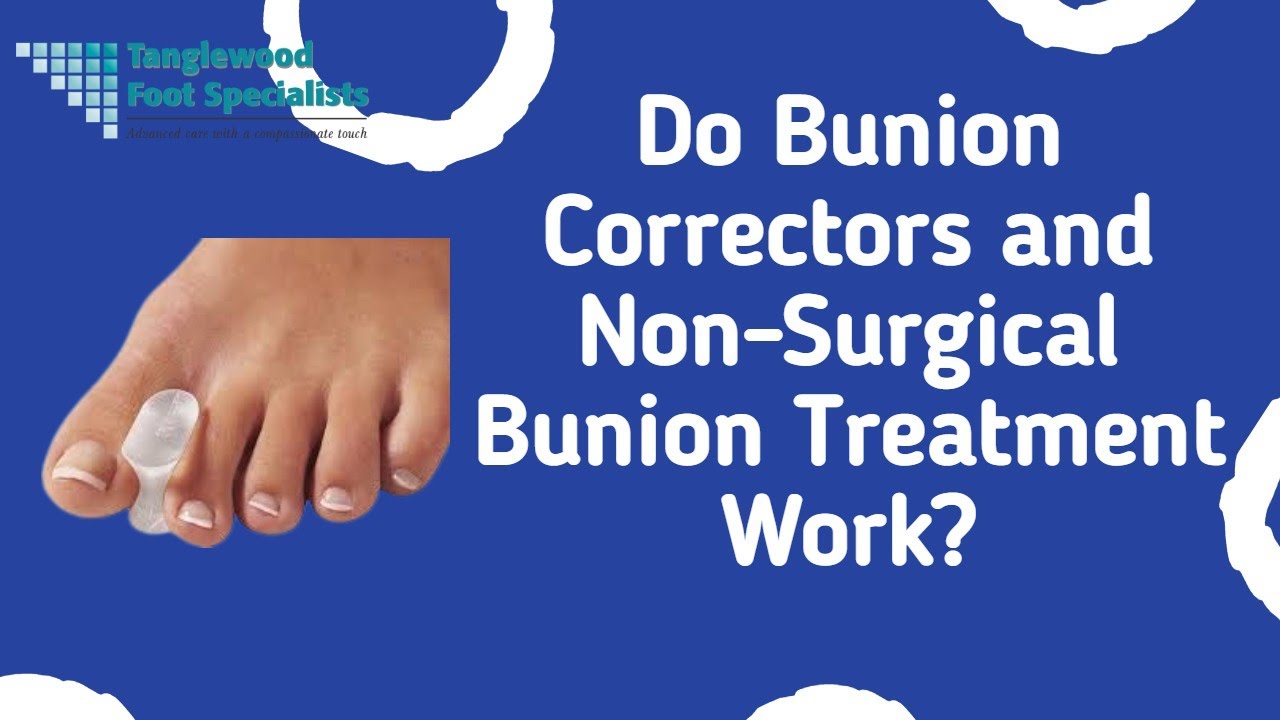
At home, ice and over-the-counter anti-inflammatories like ibuprofen or naproxen are your short-term tools for managing flare-ups. Ice the joint for 15–20 minutes when it's inflamed. Bunion pads from the drugstore — gel or moleskin — can cushion the bump and reduce friction. These measures treat symptoms, not the underlying problem, but they're a legitimate part of managing daily pain while you figure out next steps.
What doesn't work: ignoring it and hoping it resolves on its own. Bunions are progressive deformities. They don't spontaneously improve. Hoping doesn't work. Strategic management does.
When that's not enough, I turn to custom orthotics — at around $700, they're the most consistently effective conservative tool I have. Think of them like eyeglasses for your feet. Glasses don't fix your eyes; they compensate for the underlying problem so you can function without pain. Custom orthotics work the same way — they redistribute pressure away from the bunion joint, address the mechanical forces driving progression, and reduce daily pain while you're wearing them.
Over-the-counter inserts can help some people, but they're not addressing your specific biomechanics. For most people with bunion pain, real custom orthotics are worth every dollar.
For acute joint inflammation, a cortisone injection (~$120) is a strategic tool, not a long-term solution. Cortisone reduces inflammation directly at the joint and typically provides two to six months of meaningful relief. I use it when someone needs to get through a specific work season — a busy quarter, a summer rotation — before they're ready to commit to surgery. It buys time without pretending to fix the foundation.
Here's where things get genuinely interesting. For anyone with significant inflammation in the metatarsophalangeal (MTP) joint — that's the big toe joint where the bunion lives — PRP for bunion joint inflammation offers something cortisone can't. PRP, or platelet-rich plasma, is drawn from your own blood, concentrated, and injected directly into the damaged soft tissue. It delivers growth factors that actually stimulate tissue repair rather than just suppressing inflammation.
At around $850 per injection, it's a real investment — but 70–80% of people with chronic joint problems see significant improvement. I also use regenerative medicine to support healing post-surgery itself — PRP and laser therapy to reduce post-surgical swelling are both tools I reach for when someone wants to optimize their recovery timeline and get back to work as quickly as safely possible.
Look, I know that surgery sounds scary — especially when you're worried about your paycheck and how your family manages while you're off your feet. But I want to be honest with you about what conservative care can and can't do. Managing bunion pain without surgery is entirely possible, and for many people it's the right plan for years.
What it can't do is correct the underlying deformity or stop progression permanently. When that day comes, modern bunion surgery — and Lapiplasty in particular, with its over 90% satisfaction rate — is fundamentally different from what your mother or coworker had twenty years ago. People consistently tell me they wished they'd done it sooner. But we'll cross that bridge when we get to it, together, based on your specific situation.
Not Sure Whether Surgery Is Right for You?
Come in for an evaluation. We'll build a plan around your foot, your job, and your life — not a generic recovery chart.
Schedule Your Bunion Consultation
When You Come In to See Me
When you come in, I'll start with your story — not the X-ray. I want to know how long the bunion has been bothering you, what makes it worse, what you've already tried, and — critically — what your job actually requires of your feet on a typical day. That context shapes everything.
A teacher on her feet for seven hours and a software engineer on video calls need very different plans. I need to understand your situation before I can give you a timeline that's actually useful.
Then I'll examine your foot. I'm looking at the size and position of the bunion, the flexibility of the joint, how your weight distributes across the forefoot when you stand and walk, and whether there are any secondary issues — hammertoes that often accompany bunions are one of the more common ones. I'll also take weight-bearing X-rays right here in the office.
That imaging tells me things the physical exam can't — specifically, whether the deformity involves instability at the TMT joint, which is the single biggest factor in whether Lapiplasty is the right procedure for you versus a traditional osteotomy.
By the end of that first visit, you'll have a clear picture of where your bunion stands, what your realistic options are, and what a return-to-work timeline actually looks like for your specific job. I won't send you home with a pamphlet and vague reassurances.
If you're a candidate for surgery, I'll tell you which procedure makes sense and why. If conservative care is the right starting point, I'll tell you exactly what we're going to do and what we're watching for. And if surgery is eventually in the picture but the timing is genuinely bad for your work life right now, we'll build a plan around that reality. Your income matters. The goal is always to get you back as fast as safely possible — and we figure that out together.
What Houston Workers Should Know Before Scheduling Surgery
Houston's workforce is specific, and it matters for how we plan surgery timing. A significant share of my patients work in energy, construction, the Texas Medical Center, or roles that involve long hours on their feet — sectors where time away has real financial and logistical consequences. If that's you, bring that reality into your consultation. It shapes the recommendation.
Houston summers add a layer most articles don't mention: wearing a surgical boot in July is a different experience than January. Heat amplifies swelling, and swelling is already the most underestimated part of bunion recovery. If you can choose your surgery season, I generally recommend scheduling around your lowest-demand work period — not your calendar convenience.
Teachers: summer. Accountants: after tax season. Contractors: the winter slow period. For active Houston patients and sports-related foot care, this timing conversation is especially important — returning to high-demand activity too early is the most common reason recoveries stall.
In my Houston podiatry practice, I've helped teachers plan surgery around spring break, nurses negotiate modified duty with their floor managers, and offshore workers time procedures around their rotation schedule. I've also helped Galleria-area retail workers get through the holiday season before committing to surgery, and Memorial-area runners and cyclists build post-surgical timelines that don't sacrifice their fitness goals.
The right timing isn't just medical — it's logistical. And if you need formal work restriction documentation for FMLA or short-term disability, ask for it at your pre-surgical visit, not the week you're supposed to return to work.