What Is an Ingrown Toenail — and Why Does It Hurt So Much?
An ingrown toenail — medically called onychocryptosis — occurs when the edge or corner of a toenail grows into the  surrounding skin rather than over it. This causes pain, redness, swelling, and sometimes infection. The big toe is most commonly affected, though ingrown toenails can develop on any toe.²
Here's what's actually happening beneath the surface. Your nail grows from a root structure called the nail matrix — the cells at the base of the nail that determine how wide and how curved your nail will be. When the matrix produces a nail that's wider than the nail bed it's supposed to sit on, the edges press into the surrounding skin with every step you take. That persistent pressure is what causes the pain, and it's also why the skin eventually breaks down, becomes inflamed, and — in more advanced cases — gets infected.
There are three distinct stages.³ Stage 1 is redness and mild tenderness along the nail border with some swelling. Stage 2 is when infection begins — you'll notice increased warmth, possible drainage, and skin that's starting to fold over the nail edge. Stage 3 is chronic, with granulation tissue — that raw, raised "proud flesh" — building up around the nail as your body tries to respond to something it can't resolve on its own.
Treatment at Stage 1 is straightforward. Treatment at Stage 3 is more involved. One thing I want you to know before we get further: if you've noticed any thickening or discoloration of the nail itself, that may be toenail fungus rather than — or in addition to — an ingrown nail. And if you have diabetes, even a Stage 1 ingrown toenail warrants prompt diabetic foot care — the stakes are simply higher.⁵
Why Do Ingrown Toenails Keep Coming Back?
This is the question I hear more than almost any other in my practice. You treated it. It cleared up. Six months later, you're back in the same situation.
The reason is almost always hereditary nail width — and it's something no trimming technique in the world can fix. If your nail matrix is genetically programmed to produce a nail that's too wide for your nail bed, that nail will always press into the surrounding skin as it grows. Cutting the nail differently, rounding the edges, filing it down — none of that changes what the matrix produces.
What most people don't realize is that improper trimming is the secondary cause, not the primary one. Rounding corners, cutting too short, or angling the clippers all create a jagged nail spike — a spicule — that embeds deeper into the skin with each growth cycle. It's the reason a mild case becomes a serious one.
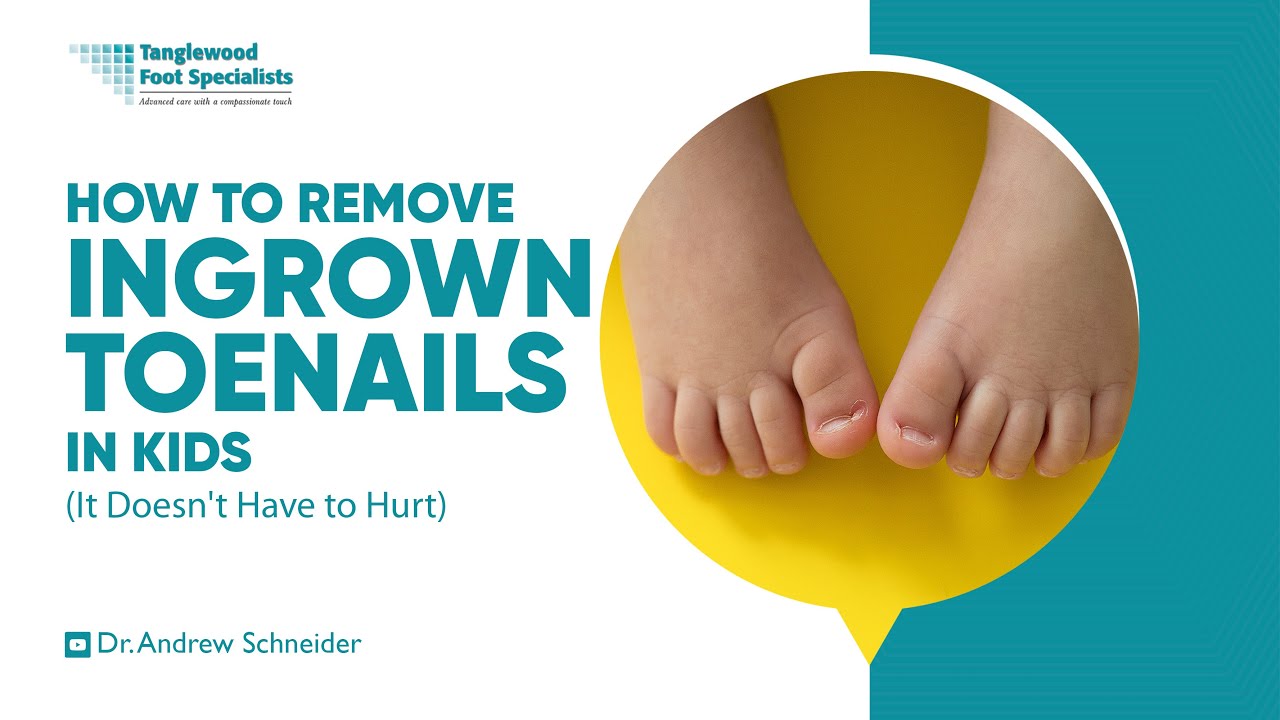
Tight shoes that compress the toe box, repetitive trauma from running in poorly fitted footwear, and aggressive pedicure technique all contribute too — and Houston runners are particularly prone to nail trauma from long miles in shoes that weren't sized correctly. If you have children dealing with this, nail width is inherited — a children's foot specialist can address it before repeated episodes create chronic problems.
I see this pattern constantly in our Galleria-area practice, especially through the long Houston summer: the warm, sealed environment of a shoe creates ideal conditions for an irritated nail border to escalate quickly. Hoping it resolves on its own doesn't work — and with ingrown toenails, waiting almost always makes the treatment more involved.
The Truth About "Bathroom Surgery"
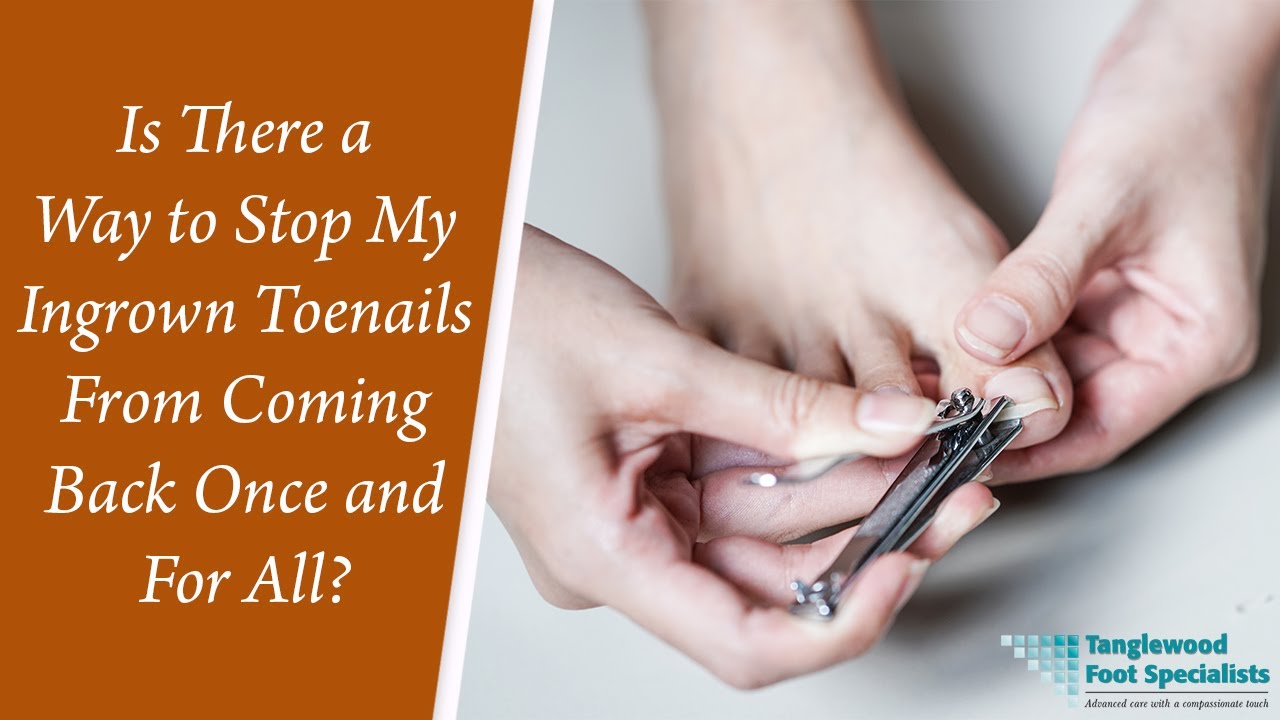
 You felt the pain. You angled the clippers. You thought you could get that corner out and feel some relief. I won't judge you — almost everyone tries this. But here's the problem: cutting at an angle leaves a sharp nail spike just under the skin. As the nail regrows, that spike embeds even deeper.
That jagged edge doesn't grow out the way you'd expect. It grows forward, and the skin — already inflamed — grows up around it. You get temporary relief because you've reduced the immediate pressure. But the spike is still there, and your body's response to it intensifies with every growth cycle.
The majority of infected ingrown toenails I treat have been preceded by home cutting attempts. That's not a judgment — it's just the clinical reality.
Even if you've been cutting at it for months, I can still fix this. The important thing is to stop now and let the nail grow out in a controlled environment — whether that's conservative soaking at home or, more likely at this point, a proper in-office procedure. If you've noticed any redness spreading beyond the nail border, any hammertoe-like changes in how you're holding your toe, or any fever accompanying the pain, that's a sign this has moved past what home care can handle.
When an Ingrown Toenail Becomes an Emergency
Most ingrown toenails are painful and frustrating — but not dangerous. A few situations change that math completely, and I want you to know the difference.
Seek same-day care immediately if you notice red streaking moving up the foot or leg from the toe. That's lymphangitis — a sign that infection is spreading through your lymphatic system and needs urgent attention. A fever accompanying toe pain, pus that's increasing in volume or turning green or gray, and any foul odor from the nail are all signals that the infection has gone beyond what the toe alone can contain.
Either way, I need to see you. If you have diabetic foot concerns and you're looking at a red, swollen toe right now — call the office today, not tomorrow. A foot infection in a diabetic can move from an irritated nail to a hospitalization faster than most people expect. Diabetic neuropathy masks pain signals, so the infection can be far more advanced than it feels.⁵
Standard "see me this week" indicators — without the emergency urgency — include pain preventing normal walking, swelling that extends beyond the nail border, or a nail that's been worsening for more than a week despite soaking. Catching an ingrown toenail at Stage 2 rather than Stage 3 almost always means a simpler, faster procedure and a shorter recovery.
How a Houston Podiatrist Treats Ingrown Toenails — Every Option, Explained
I approach every ingrown toenail the same way I approach every condition: I want to understand your goals, not just your symptoms. Are you trying to get through this week's pain? Prevent it from coming back permanently? Avoid anything invasive? Those are three different conversations, and I'm glad to have any of them.
Starting With What You Can Do at Home
Sometimes the fix really does start with your shoes. If you're wearing narrow toe-box shoes or anything that compresses the front of your foot, switching to a wider fit or open-toed footwear immediately takes the pressure off the nail border. This won't undo an ingrown nail, but it gives the tissue around it a chance to calm down — and it's the single most important lifestyle change you can make before anything else. Houston's heat means your feet are already swelling throughout the day, so buying shoes late in the afternoon when your feet are at their largest makes a real difference.
For Stage 1 — mild redness, no sign of infection — warm water soaking is the right starting point. Soak for 15 to 20 minutes, two to three times daily. I recommend adding Epsom salt or a Tolcylen soak, which we carry in the office, to reduce inflammation and lower the bacterial load on the skin. After soaking, when the skin is soft, you can gently tuck a small wisp of cotton under the nail edge to encourage the nail to grow upward rather than into the skin — replace it daily.
What doesn't work: V-notch cutting (there's no anatomical basis for it — the problem is at the borders, not the center), "ingrown toenail relief" liquids that treat symptoms without touching the cause, and oral antibiotics without nail treatment, which suppress infection temporarily but guarantee it returns once the course ends. If you've done the soaking routine consistently for three to four days without improvement, it won't get better on its own. It's time to schedule an appointment.
Conservative In-Office Treatment — The Nail Avulsion
When there's infection, significant swelling, or any drainage, the standard treatment is a partial nail avulsion — removal of the ingrown nail border. This is ingrown toenail removal done right, and it's a lot less dramatic than it sounds.
Here's exactly what happens. I inject a local anesthetic — called a digital block — at the base of the toe, not the tip. The old technique people remember from childhood involved an injection directly into the tip of the toe, which was genuinely unpleasant. We don't do that anymore. The injection at the base takes about 90 seconds, and after that, your toe is completely numb.
I then remove only 2 to 3 millimeters of nail along the affected border. The rest of the nail is untouched and looks cosmetically normal. The whole procedure takes under five minutes once you're numb. I've had grown adults tell me afterward they can't believe they waited so long.
Recovery is straightforward: soak the foot and apply antibiotic ointment daily for seven to ten days. You can return to normal activity the same day and get back into closed shoes within 24 to 48 hours. Cash pricing for this visit is $350 above the office visit fee.
The one limitation worth knowing: without an additional step to address the nail root, the nail regrows along the same path — recurrence is common in hereditary cases. That's where the next two options become important.
The Third Option — Onyfix Nail Correction
There's an option that didn't exist a decade ago, and it's changed how I approach recurring and curved ingrown  toenails. It's called Onyfix nail correction, and most practices in Houston haven't even heard of it yet.⁴
Think of it like scaffolding on a building under renovation. It provides structural support for things to grow in the right shape — and once the job is done, it's no longer needed. Onyfix works exactly that way with your nail. A medical-grade composite resin is bonded directly to the nail surface and UV-cured in place.
It's rigid enough to counteract the inward curling force that causes the nail to press into the surrounding skin, and as the nail grows out naturally, it trains in a flatter, wider direction. No injections. No cutting. No anesthetic. Completely pain-free.
The best candidates are people with involuted or pincer nails — nails with extreme inward curvature — recurring ingrown toenails, and anyone who wants to avoid a procedure entirely. It's also my first recommendation for diabetic foot specialist patients and for children, since it requires nothing more than sitting still for 15 to 20 minutes. It's part of our broader commitment to regenerative medicine options and non-surgical care at Tanglewood.
One important note: Onyfix can't be applied to an actively infected nail. If there's infection present, we clear that first with an avulsion, then apply Onyfix at the follow-up visit.
Full correction typically takes three to six months, with check-ins every six to eight weeks. Normal footwear immediately. Regular nail polish is fine. No activity restrictions.
The Permanent Fix — Matrixectomy
If you want to make sure this nail border never comes back, matrixectomy is the answer. And before you stop reading at the word "procedure" — this is not surgery in the traditional sense. No incision. No stitches. No surgical center. You're in the chair for less than 30 minutes total.
Here's what happens. After the same digital block used for avulsion, I remove the ingrown nail border and apply phenol — a chemical — directly to the nail matrix cells responsible for that border. Those cells are permanently deactivated. That 2 to 3 millimeter strip of nail never regrows. The rest of the nail grows normally, and the treated border is cosmetically unnoticeable.
Published studies put the recurrence rate below 4% with this method, and overall satisfaction at 96%.¹ Recovery follows a predictable timeline: days one through seven involve soaking and antibiotic ointment from the dressing kit I provide. You'll notice minor drainage from the treated border — that's a normal healing response to the phenol. By days seven to fourteen the drainage resolves. By weeks three to six, the area is fully healed. Cash pricing for this visit is $450 above the office visit fee.
Look — I know that word "surgery" is doing a lot of work in your head right now. But this is one of the simplest in-office foot procedures I perform. The toe block is the only uncomfortable part, and it's over in about 90 seconds. After that, you won't feel a thing.
Ready to Stop Dealing With This?
If this sounds like what you've been dealing with, contact us for an immediate appointment. I'll figure out exactly what's happening and which option makes the most sense for you.
Request Your Appointment →
What to Expect at Your First Appointment
When you come in, I'll start by looking at the nail and the surrounding skin. I need to know whether we're dealing with Stage 1, 2, or 3, and whether there's active infection present — because that determines everything about which direction we go. I'll do a visual assessment and careful palpation to map how far the nail edge has embedded and whether granulation tissue has formed. In most cases, no imaging is needed.
After treating thousands of people for this condition, I've found the appointment people dread most is the one they leave feeling most relieved. Here's how it typically unfolds: if there's no active infection, we'll talk through your three options — avulsion, Onyfix, or immediate matrixectomy — based on your nail shape, your history, and what you're hoping to avoid. If there is infection, we'll clear it first, then plan the permanent correction at a follow-up visit once the tissue has settled.
Either way, I need to see you in person to make that call. A photo over the phone doesn't give me what I need. You can reach Dr. Andrew Schneider directly at 713-785-7881, or contact our office online to request your appointment.
Most cases are resolved the same day. You walk in with a painful toe and leave that afternoon with it treated, a care instruction sheet in hand, and — if you've had a matrixectomy — a dressing kit with everything you need for the first week. The whole visit runs 30 to 45 minutes from check-in to checkout.
Preventing Ingrown Toenails in Houston's Climate
Prevention starts with trimming technique — and the rule is simpler than most people think. Cut straight across, level with the tip of your toe. Never round the corners, never cut shorter than the edge of the skin, and never tear or rip the nail. If you have hereditary curved nails, the standard "straight across" rule may need to be adjusted for your specific shape — that's worth discussing at your appointment rather than guessing at home.
Footwear is the second variable you control. Wide toe-box shoes that give your toes room to lie flat, low heels that don't shift weight forward onto the nail borders, and breathable materials that reduce moisture buildup all matter. Houston's year-round humidity means skin stays softer than in drier climates, which raises infection risk when a nail border becomes irritated. Buy shoes in the late afternoon when your feet have swelled to their full daily size.
If you wear custom orthotics, make sure they're fitted with your actual shoe volume in mind. And for women's foot health, pointed-toe shoes and narrow heels are among the most consistent contributors to recurring nail border problems I see in the practice.
Pedicures deserve a specific mention. Near the Texas Medical Center, Memorial Park, and River Oaks — where communal pool and gym access is high — shared soaking tubs are a genuine infection risk for anyone with a history of ingrown toenails. Tell your nail tech about your history and ask them not to aggressively clear the nail borders. For anyone dealing with recurrence, athlete's foot prevention also matters — fungal skin breakdown at the nail border creates a path for bacterial infection to establish faster.