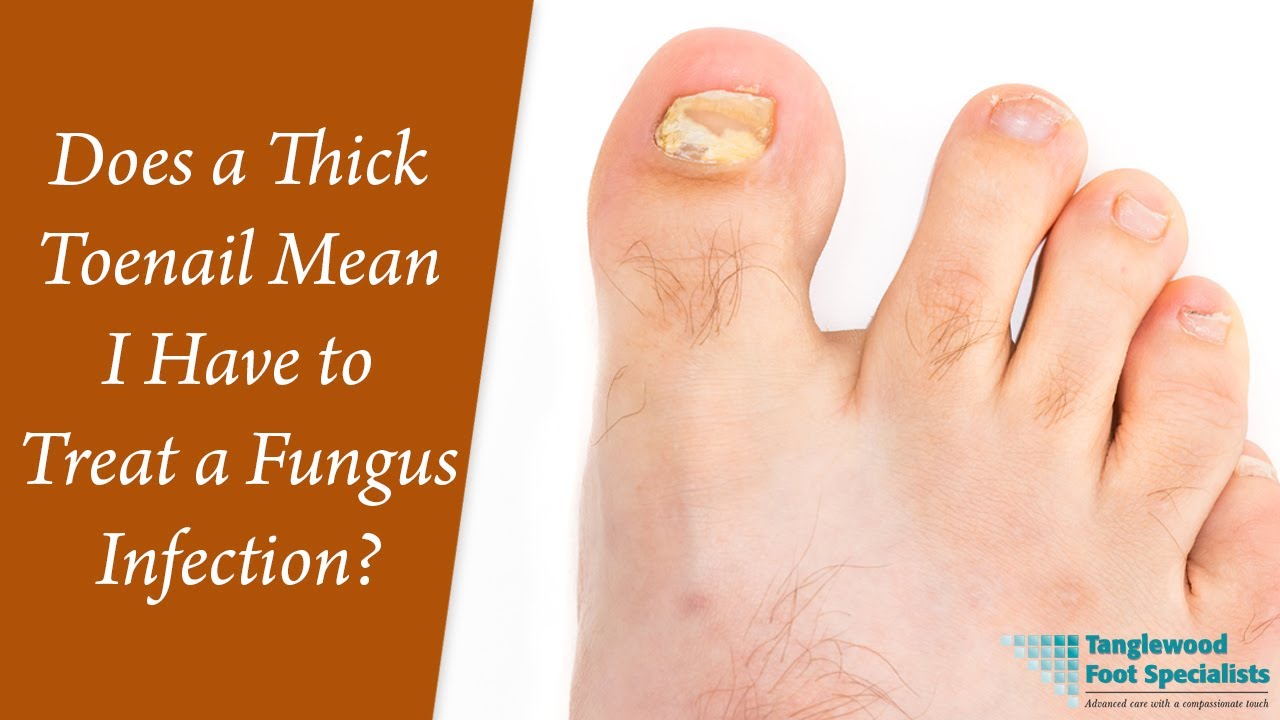
Fungal toenails are one of the most common conditions seen in our Houston podiatry practice. There are two different approaches to treating this condition: the traditional, oral medication Lamisil and the newer option, Remy Class IV Laser therapy. So, when it comes to Lamisil vs. Laser, which is better for resolving fungal toenail infections? Here’s what you need to know.
Why Fungal Toenails Are So Hard to Treat ![toenail fungus under a microscope]()

It’s very challenging to resolve this infection because the fungus lives underneath your toe’s nail plate, protected by that hard barrier. Traditional topical treatments often can’t penetrate that barrier effectively; even when they do, the fungus can hide in the surrounding nail bed and tissue, leading to low success rates with over-the-counter anti-fungal creams. In response to this low success rate, many doctors prescribe oral Lamisil, but this medication comes with its own set of challenges and potential side effects.
How Lamisil Works
Lamisil interferes with the fungus’ ability to form a cell membrane. The typical treatment protocol with this medication is to take it twice daily for a 12-week period. During this time, it travels through your bloodstream to reach the infected nail tissue. Clinical studies show that Lamisil can be effective, with success rates ranging from 60-80%, depending on the study and the exact definition of success. However, there are several important considerations with oral antifungal medications.
- You must undergo regular bloodwork to monitor liver function. While serious liver problems are rare when taking this medication, they can occur. This is a particular concern for older patients, who may already be taking multiple medications.
- There are other side effects to consider, including stomach upset, headaches and skin infections. Some patients also report changes in taste or smell.
- Treatment requires a serious commitment, taking the medication daily for three months. Even after the treatment course is complete, there’s no guarantee that the infection won’t return.
Exploring the Remy Class IV Laser for Fungal Toenail Treatment
The Remy laser is FDA-cleared for treating toenail fungus. It works through a process called photo-biomodulation; the laser produces specific wavelengths of light that create reactive oxygen species. These molecules are toxic to fungal cells but don’t harm healthy tissue.
Here’s what makes this treatment particularly effective:
- It’s a Class IV laser, so it has the power to penetrate through the nail plate and reach the fungus underneath. Lower-powered lasers often can’t achieve this level of penetration.
- The treatment process is straightforward: we first clean and prepare your nails, removing as much of the infected nail material as possible. This helps the laser energy reach the fungus more effectively. Then we use the nail handpiece to treat the entire nail and surrounding tissue. You’ll feel a gentle, warming sensation that’s actually quite comfortable. And treatment takes about two minutes for your big toe, or just one minute for a smaller toe.
- Most patients need a series of four treatments, typically spaced apart by between four to six weeks. This timing allows us to target fungal organisms at different stages of their life cycle, so that your infection is less likely to return once the treatment course is complete.
- Laser therapy is safe for most people, including those who may not be good candidates for oral medication.
Remy Laser vs Other Laser Treatments for Fungal Toenails
The Remy is a true class IV laser that delivers up to 45 watts of power. Many other fungal nail lasers are limited to much lower power outputs. But higher power means better penetration through the nail plate to reach the fungus underneath. Additionally, the Remy laser isn’t just a treatment option for fungal nails. It’s actually a multi-functional system, so we can address multiple aspects of your foot health with this one advanced option, providing everything from pain management to wound healing and even minor surgical procedures. For these reasons, we only recommend using the Remy laser if you’re seeking laser therapy for fungal toenails.
Lamisil vs Laser: Which is Better for Treating Fungal Toenails
So, how do these two treatments compare? From a safety standpoint, the Remy laser is a clear winner. The treatment is targeted locally, and there are no systemic side effects to worry about. You don’t need blood work monitoring, and there are no drug interactions to worry about. This makes laser therapy particularly attractive for older patients, those with liver concerns, or people taking multiple medications for whom adding another oral medication may not be advisable.
From a convenience standpoint, laser therapy requires fewer office visits—typically three or four, over several months. That’s a stark contrast to Lamisil, which requires 12 weeks of daily medication with several required visits for periodic bloodwork.
Now, let’s talk about effectiveness. When it comes to Lamisil vs Laser, both treatments can be effective, but success depends on several factors, including:
- The severity of the infection
- How long the infection has been active
- Your overall health
With laser therapy, you start seeing improvement as the nail grows out. But remember, toenails grow slowly, so it could take 12-18 months for a completely healthy nail to emerge. As such, patience is important when undergoing Laser Therapy for fungal toenails. Luckily, Laser Therapy can be combined with other treatments. We often recommend using topical anti-fungal treatments along with Laser Therapy to maximize the effectiveness.
Lamisil vs Laser: Managing Your Expectations
It’s important to be realistic about whatever treatment option you select. After all, fungal toenails are among the most challenging conditions we treat in podiatry. With Laser Therapy, most patients see gradual improvements as the nail grows out looking clearer and healthier. However, it’s not an overnight transformation—with any treatment option.
Also, some patients may need maintenance treatment to prevent a fungal toenail recurrence, especially of you have infection risk factors such as diabetes or circulation problems.
Fungal toenails are a challenging condition, but you have a treatment option available. In our office, when it comes to considering Lamisil vs Laser, we are here to support you throughout the treatment journey. Whether you choose oral medication, laser therapy, or a combined approach, the key is to work with our experience Houston podiatrist, Dr. Andrew Schneider, so he can guide you through the process and help you achieve the best possible outcome. To start your treatment journey today, just follow this link to request a consultation.