What Is a Bunion? The Real Story
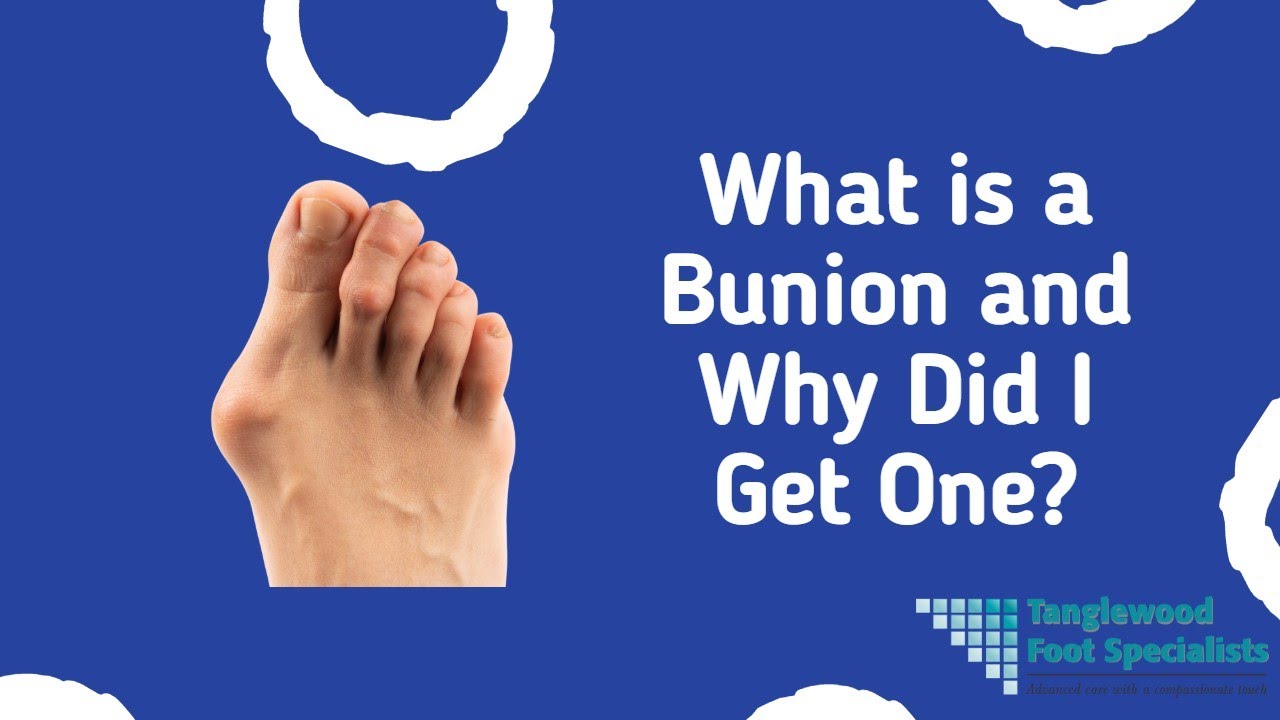
That bump on the side of your big toe—the one that's making shoe shopping frustrating and sometimes painful—has a  name: bunion. The medical term is hallux valgus, which literally means your big toe (hallux) is bending away (valgus) from where it should be.
But here's what most people don't realize: that bump isn't extra bone that grew there.
It's your joint being pushed out of position. The MTP joint—that's where your first long foot bone (metatarsal) meets your big toe bone (phalanx)—starts to shift. The metatarsal bone moves toward the inside of your foot while your big toe drifts toward your other toes.
And here's the frustrating part: bunions don't just stop on their own. Without treatment to address the underlying mechanics, they typically get worse over time—some slowly, some more rapidly.
Here's what makes bunions tricky to treat: they're not just a simple sideways lean. Imagine your first metatarsal bone as a tall building. In a normal foot, this building stands straight. But with a bunion, this building isn't just leaning to the side like the Leaning Tower of Pisa—it's also rotating and lifting up.
About 87% of bunions involve this three-dimensional misalignment. That's why simply shaving down the bump doesn't fix the real problem.
Why Do Bunions Form? (Blame a Parent or Grandparent)
Bunions run in families. Blame a parent or grandparent.
About 70% of people with bunions have a family history—which tells us there's a strong genetic component.
But here's what you actually inherit: the foot structure that makes bunions likely. Maybe your foot type is flatter, your ligaments are more flexible, or your metatarsal bone is naturally more mobile. These inherited traits create the mechanical conditions where a bunion can develop.
Just because your mom had severe bunions doesn't mean yours will get as bad—early intervention can make all the difference.
So what about high heels and tight shoes? They don't cause bunions in feet that aren't predisposed. But if you inherited the right (or wrong) foot structure, those shoes absolutely make bunions worse and speed up progression.
Think of it this way: genetics loads the gun, and poor footwear pulls the trigger.
Sometimes bunions develop after a foot injury that damages the ligaments supporting that joint. Or they can show up alongside inflammatory conditions like rheumatoid arthritis. But the vast majority—we're talking 70% or more—are genetic predisposition plus years of mechanical stress.
How Do I Know If I Have a Bunion? Common Signs and Symptoms
The most obvious sign is that bump on the inside of your foot at the base of your big toe. You can see it, and it's probably getting more noticeable over time.
Some people notice the bump before they have any pain.
 Here's one of the earliest and most frustrating signs: shoe shopping becomes impossible. Standard shoes are designed for straight feet, but your foot is now wider at the ball. If the shoe is wide enough for the bunion, it's too loose everywhere else—and if it fits your heel and arch, it squeezes the bunion. You might find yourself buying shoes a half size or even a full size larger just to accommodate that bump.
Pain develops gradually. The bump gets red and tender where it rubs against shoes. The joint itself may feel stiff or achy, especially after you've been on your feet all day.
Some patients tell me the pain is worse in the evening, while others say mornings are hardest because the joint is stiff from being immobile all night.
As the bunion progresses, other problems develop. The bursa—a fluid-filled cushion over the joint—gets irritated and inflamed (that's bursitis). Your big toe pushes on your second toe, sometimes forcing it to bend upward into a hammertoe. Calluses and corns form where your toes rub together or where your foot presses against your shoe.
Here's what most people don't realize: bunions affect more than just your toes. When that big toe joint isn't working properly, your whole foot compensates. You might shift weight to the outside of your foot, which can lead to pain in the ball of your foot, your ankle, or even your knee and hip.
Your body is incredibly good at adapting—but those adaptations come with a price.
Houston Podiatrist's Approach to Bunion Treatment
In our Houston podiatry practice, I always start with the least invasive approach that will get you the results you need. Surgery is never my first recommendation.
But when it's the right choice, modern techniques work extremely well.
Choosing the Right Footwear
The single most important thing you can do is get your feet out of shoes that squeeze them. I know this isn't what you want to hear if you love your heels, but those shoes are actively making your bunion worse with every step.
Look for shoes with wide toe boxes that give your toes room to spread naturally, low heels (under 2 inches is ideal), and soft, flexible materials that won't create pressure points. Leather or soft fabric uppers work better than stiff synthetic materials.
Sometimes, that's as simple as switching from pointed-toe dress shoes to shoes with rounded or square toe boxes. Save the fashion heels for special occasions—and even then, limit how long you're on your feet.
If you absolutely must wear heels for work, consider keeping a pair of supportive flats or women's foot health friendly shoes under your desk to change into.
At-Home Bunion Management
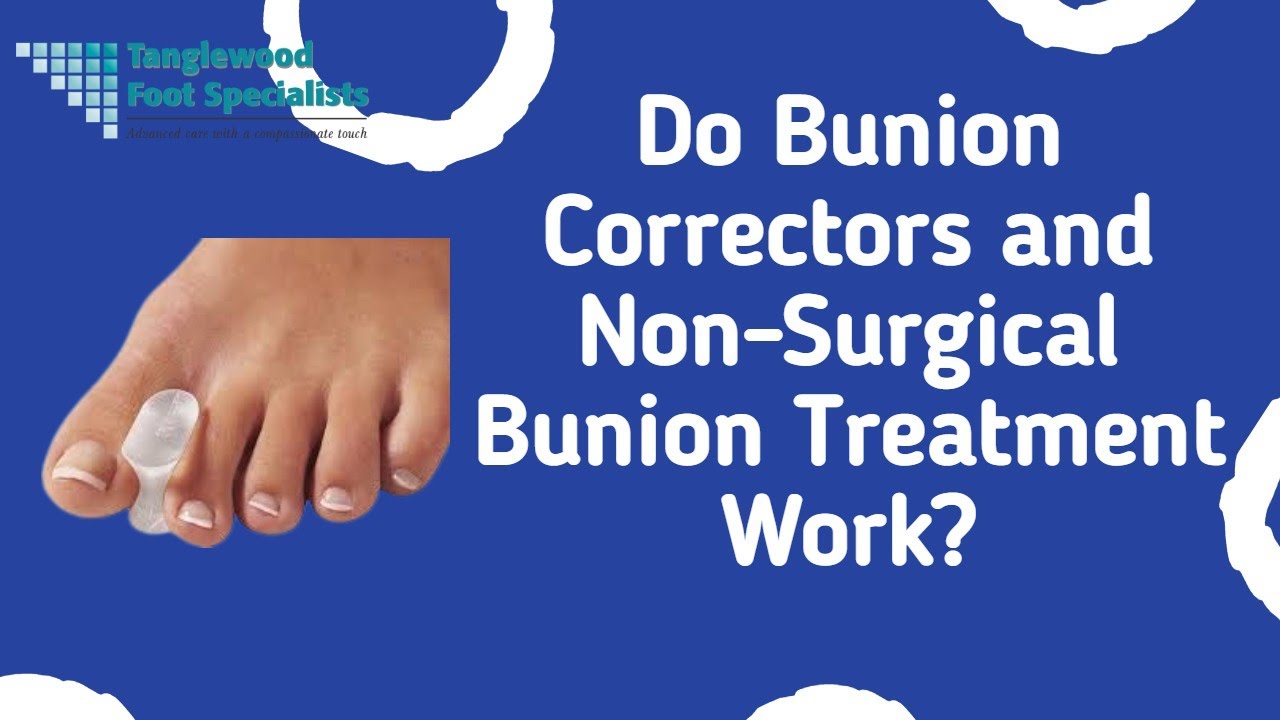
 Bunion pads and spacers can provide some relief. The gel pads that cushion the bump reduce friction where your shoe rubs, which can make wearing shoes more comfortable. Toe spacers that fit between your big toe and second toe try to hold your toes in better alignment.
Now, here's the honest truth: these devices won't correct the bunion or stop it from progressing, but they can reduce your day-to-day discomfort.
Ice can help when your bunion is inflamed and painful. Apply ice for 15-20 minutes after you've been on your feet or after activities that aggravate the bunion. Over-the-counter anti-inflammatory medications like ibuprofen can reduce pain and swelling during flare-ups.
What doesn't work? Those toe splints you wear at night. I wish they did—it would be a lot easier for everyone—but they don't provide enough force to actually change the bone position. They might make your toe feel better in the morning, but they're not addressing the underlying deformity.
Conservative In-Office Treatment Options
Custom orthotics can't reverse a bunion that's already formed—I need to be honest about that. But here's what they CAN do: redistribute pressure away from that bunion joint, correct some of the mechanical forces making it worse, and slow or even stop progression.
 For many of my patients, this makes the bunion manageable indefinitely without surgery. Think of orthotics like eyeglasses for your feet—they compensate for the underlying problem while you're wearing them.
The key word there is "custom." I'm not talking about the inserts you buy at the drugstore. Custom orthotics are made from a mold or 3D scan of YOUR feet and designed specifically for YOUR biomechanics. They address the overpronation or abnormal foot mechanics that are contributing to your bunion.
When the bunion joint gets inflamed and painful—when it's angry and swollen—a corticosteroid injection can provide significant relief. The injection reduces inflammation directly in the joint, which typically gives you 6-12 weeks of reduced pain. This isn't a long-term solution—we're not fixing the deformity—but it can help you get through a particularly painful period while we work on the underlying mechanics with orthotics and footwear changes.
I can also show you how to tape your foot to reduce stress on the bunion joint, or we can apply padding that stays in place better than over-the-counter options.
About 70-80% of my bunion patients manage well with these conservative approaches and never need surgery. If you catch the bunion early and you're committed to proper footwear and orthotics, there's a very good chance you'll be in that group.
Advanced Treatment: Regenerative Medicine for Bunion Arthritis
When bunions have been present for years, arthritis often develops in that joint. If you have significant arthritis contributing to your pain, we have advanced options beyond traditional treatments.
Platelet-rich plasma (PRP) therapy uses concentrated healing factors from your own blood to reduce inflammation and potentially slow arthritis progression.
Shockwave therapy can address inflammation around the bunion joint. These aren't standard bunion treatments—I'm not going to tell you they'll fix the structural deformity—but for patients with significant arthritis pain in the joint, they can sometimes provide relief when other conservative measures haven't been enough.
When Surgery Becomes the Right Choice
I recommend bunion surgery when your pain is significantly affecting your quality of life, when conservative treatment hasn't helped after 6+ months of consistent effort, or when the deformity is progressing rapidly despite our best efforts.
Surgery isn't about cosmetics—it's about getting you back to the activities you love without constant pain.
And here's the reassurance most people need: most bunion patients never need surgery.
But when surgery is the right choice, let me explain why modern techniques work so much better than they used to.
Here's why traditional bunion surgery often failed: surgeons would shave off the bump and shift the bone sideways, but that only fixed the deformity in one dimension. Remember the Leaning Tower? If you only push it sideways but don't address the rotation and lifting, it drifts back.
That's why about 70% of bunions came back after traditional surgery. The foundation was still unstable, so the deformity returned.
Modern 3D correction techniques like lapiplasty bunion surgery work completely differently. Instead of just shifting the bone, we rotate and realign the entire metatarsal bone back to its correct position in all three dimensions—side to side, up and down, and rotationally. Then we stabilize that unstable foundation joint with specialized titanium plates so it can't drift back.
We're fixing the root cause, not just the symptom.
Look, I know that foot surgery sounds scary. But here's what the recovery actually looks like with Lapiplasty: you can walk in a surgical boot the day of surgery. You're bearing weight on your foot from day one—no crutches, no staying off it completely.
Most patients transition to regular shoes around week 6 and return to normal activities including exercise by 3 months.
Over 90% of patients are satisfied with their results, and the recurrence rate is dramatically lower than traditional techniques. Most patients tell me they wish they'd done it sooner—that they suffered with the pain far longer than necessary.
Not sure which treatment option is right for you? Contact us for an evaluation and we'll figure it out together. Every bunion is different, and the right approach depends on how severe your deformity is, how much pain you're experiencing, and what your goals are.
What to Expect When You Come In to See Me
When you come in, I'll examine your foot carefully, looking at the size of the bunion, how much your big toe is drifting, and whether there's any arthritis in the joint. I'll also watch you walk—how you move tells me a lot about the mechanical forces contributing to your bunion.
This isn't a quick in-and-out appointment. I need to understand your specific situation.
 We'll take X-rays while you're standing. This is really important and not all podiatrists do it. When you're sitting down, your foot looks different than it does when you're bearing weight. The standing X-rays show me the true severity of the deformity and the degree of three-dimensional rotation. They also reveal any arthritis that's developed and help me plan the best treatment approach.
Then we'll talk about your goals. What activities are you avoiding because of your bunion? Is it the pain that's bothering you most, or the difficulty finding shoes? How fast is it progressing?
Your answers to these questions matter just as much as what I see on the X-ray. This is your foot, your life, and you get to decide what level of intervention makes sense for you.
Based on what I find, we'll discuss your options—always starting with the least invasive approach that makes sense for your situation. If it seems like proper footwear and custom orthotics can manage your symptoms and slow progression, we'll start there. But if we realize the deformity is severe or rapidly progressing, or if you've already tried conservative care without success, we'll talk about surgical options.
I won't judge you for waiting, for trying home remedies first, or for being worried about surgery. My job is to give you the information you need to make the right decision for YOUR life.
Some patients want to do everything possible to avoid surgery. Others are so frustrated with the pain that they're ready to fix it definitively. Both approaches are valid, and I'll support whatever decision you make.
Bunions: Final Thoughts
Bunions are progressive deformities that won't reverse on their own, but that doesn't mean surgery is inevitable. Conservative care manages symptoms and slows progression for about 70-80% of patients—which means most people I see never need surgery.
And when surgery is the right choice, modern techniques like Lapiplasty bunion surgery provide excellent, lasting results with recovery that's far easier than you'd expect.
You don't have to keep living with that bump getting bigger, shoe shopping getting harder, and pain limiting what you can do. I won't judge you for how long you've waited or for hoping it would just stop on its own—that's what most people do.
But the reality is that bunions don't fix themselves.
Either way, I need to see you to figure out what's going on and what makes sense for your specific situation.
If you're dealing with a bunion—whether it's a small bump you're keeping an eye on or a painful deformity that's affecting your life—contact your Houston podiatrist Dr. Andrew Schneider at 713-785-7881 or request an appointment online. The sooner we understand what's happening with your foot, the more options we have to keep you comfortable and active.
Don't wait until shoe shopping becomes impossible or the pain forces you to give up activities you love. I'm here to help.