What Is Heel Pain? Understanding Your Symptoms
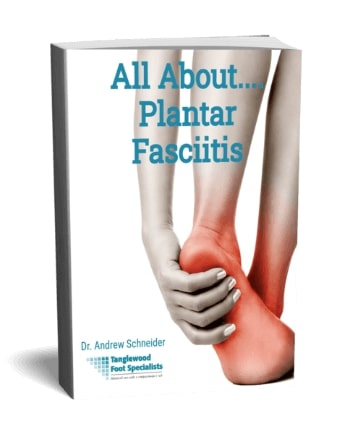
The most common cause of heel pain is plantar fasciitis, a condition where the thick band of tissue running along the  bottom of your foot from heel to toes becomes damaged and inflamed.[1] This tissue—called the plantar fascia—has relatively poor blood supply, which is why heel pain can become such a chronic, stubborn condition.
Here's what's actually happening in your foot. During periods of inactivity—like when you're sleeping or sitting at your desk—the ligament starts to heal itself. This causes the plantar fascia to contract. When you step out of bed in the morning, it takes all that repair work your body's done overnight and pulls it apart.
That's why you get that searing pain with those first few steps.
You've probably noticed the pattern: worst pain in the morning or after sitting for a while, gradually improves as you move around, then often worsens again after prolonged standing or activity. That's classic plantar fasciitis. And it's frustrating because it feels like you're making progress, then right back to square one.
The medical term for that morning pain phenomenon is post-static dyskinesia. But what matters more than the fancy name is understanding why it keeps happening. Your body tries to heal, you re-injure it, your body tries again, you re-injure it again. It's like having a construction crew that starts a job but never gets to finish it because something keeps tearing down their work.
Without good blood flow to bring healing nutrients and carry away damaged tissue, the heel pain becomes stuck in this failed healing cycle. That's why "just resting it" often doesn't work—you're not addressing the underlying biomechanical issue that keeps causing the re-injury.
The Heel Spur Myth: What's Really Causing Your Pain
Many people who suffer with heel pain assume that they have a heel spur. Some do and some don't. Even if they have a heel spur, however, it's not necessarily the cause of the pain.
 Here's what most people don't realize. A heel spur is a calcium deposit that forms on the underside of the heel bone in response to long-term tension on the plantar fascia. Your body lays down calcium where there's stress—it's actually trying to help by reinforcing the area.
The spur is a symptom or result of the problem, not the cause itself.
And here's the thing that surprises most patients: your heel has a thick fat pad that cushions the area where spurs typically form. Most people with heel spurs live completely pain-free lives and never even know they have them. They only find out when they get an X-ray for something else entirely.
So why does heel pain get blamed on spurs? Because they show up clearly on X-rays, and it seems logical that a bone growth would hurt. But in my Houston podiatry practice, I see patients all the time with significant heel spurs and zero pain—and other patients with terrible heel pain and no spur at all.
The real culprit is usually that plantar fascia inflammation and damage we talked about in the previous section. Sometimes there's also fat pad atrophy—where that cushioning tissue wears away—or inflammation where the Achilles tendon attaches to the back of the heel. But it's rarely the spur itself causing your pain.
This matters because treatment for plantar fasciitis is very different from treatment for the rare cases where a heel spur actually does need attention. Only about 5% of heel spurs ever need surgical removal. The rest of the time, we're treating the underlying cause of the pain, not the spur.
5 Warning Signs It's Time to See a Podiatrist
So how do you know when it's time to stop trying home remedies and get professional help? After treating thousands of patients, I've identified five clear warning signs that tell me someone's waited long enough.
Warning Sign #1: Pain Lasting More Than 2 Weeks
If you've been dealing with heel pain for more than two weeks without noticeable improvement, it's time to come in. Here's why that timeline matters: every morning when you take those painful first steps, you're tearing partially healed tissue. The longer this cycle continues, the more chronic and entrenched the condition becomes.
What starts as an acute injury can turn into a chronic condition when left untreated. And chronic heel pain is harder to treat than acute heel pain. The sooner we interrupt that failed healing cycle, the faster you'll recover.
Warning Sign #2: Pain That Changes How You Walk
If you're limping, favoring one foot, or consciously altering your gait to avoid heel pain, you need to be evaluated. I see this all the time with Houston patients who work on their feet all day at the Texas Medical Center or retail workers standing on concrete floors—the original heel pain becomes a whole-body problem.
When you change how you walk to protect your heel, you're putting abnormal stress on your ankle, knee, hip, and lower back. What started as a foot problem can create a cascade of issues up your entire kinetic chain. I've treated patients whose back pain or knee pain completely resolved once we fixed their heel problem and restored their normal gait.
Warning Sign #3: Morning Pain That Takes More Than 15 Minutes to Improve
It's normal for plantar fasciitis pain to be worst first thing in the morning. But if your pain is still severe 15 minutes after getting out of bed, or if you're still limping after 30 minutes, that indicates the damage is too extensive for your body to repair on its own.
The morning pain should gradually improve as the tissue warms up and loosens. If it's not improving, or if you need to sit back down because standing is too painful, that's your body telling you it needs help.
Warning Sign #4: Pain That Interferes With Daily Activities
Are you avoiding activities you used to enjoy? Have you stopped exercising because of heel pain? Are you changing your lifestyle to accommodate the pain—like skipping your morning walk with the dog or declining invitations because you know you'll be standing?
These are the exact situations where treatment makes the biggest difference.
You shouldn't have to plan your life around heel pain. And you definitely shouldn't give up activities that are important to you because your feet hurt.
Warning Sign #5: Swelling, Warmth, or Visible Changes
If you notice swelling around your heel, warmth to the touch, or visible changes like redness or bruising, you need professional evaluation. These symptoms could indicate infection, a stress fracture, or other conditions that require specific treatment beyond standard heel pain care.
Don't try to self-diagnose based on what you read online. If something looks or feels wrong beyond just the pain, get it checked out.
Here's what I want you to know: I find that people are reluctant to come into the office with heel pain because of fear they'll need surgery. I can tell you that 95% of cases are managed without any surgery.
I won't judge you if you've been dealing with this for months—or even years. I just need to see you so we can figure out what's causing your pain and create a treatment plan that gets you back to your normal activities. The sooner we identify the problem, the easier it typically is to treat.
If any of these five warning signs sound familiar, it's time to request an appointment.
Houston Podiatrist Heel Pain Treatment: Your Complete Options
Here's how we approach heel pain treatment at Tanglewood Foot Specialists. We always start with the least invasive approach and only escalate when truly necessary. In most medical offices, doctors are trained to think in terms of medicate or operate—if medication doesn't work, the next step is surgery. But I've found there's often a third option that most doctors never mention: regenerative medicine that lives between conservative care and surgery.
Starting With Conservative Treatment
Sometimes, relief is as simple as making smart changes to your footwear and daily habits. The right shoes with proper arch support and cushioning can redistribute pressure away from your heel. We'll look at what you're currently wearing and identify what's helping versus what's making things worse.
For many patients, I recommend avoiding walking barefoot—yes, even around the house. Those first few steps on hard floors without support are when a lot of the damage happens. Keep a pair of supportive sandals next to your bed.
Ice your heel for 15-20 minutes after activity. Try rolling your foot on a frozen water bottle while you work. Now, for some of you, these lifestyle adjustments combined with over-the-counter arch supports may be enough to get you out of pain. But that's maybe 20-30% of heel pain patients. The rest need more targeted treatment.
Custom Orthotics and In-Office Care
Think of custom orthotics like eyeglasses for your feet. While I'm wearing my glasses, I can see. When I take them off, I  can't. In this same way, a custom orthotic compensates for your lower extremity mechanics while you're wearing them. They don't, however, provide a lasting correction if you stop wearing them.
When you come in for a biomechanical exam, I'll watch how you walk, evaluate your foot structure, and create custom orthotics molded specifically to your feet. These aren't the generic drugstore inserts—they're precisely calibrated to redistribute pressure away from your painful heel and address the underlying mechanical issues.
We might also use specialized padding, taping techniques, or a night splint to keep your plantar fascia gently stretched while you sleep. If there's significant inflammation, a corticosteroid injection can quickly reduce pain while we address the underlying cause. But here's the thing about cortisone: it reduces inflammation, which makes you feel better temporarily, but it doesn't provide the materials your body needs to actually repair the damaged tissue.
About 60-70% of patients see significant improvement within 8-12 weeks with comprehensive conservative care—that's proper orthotics combined with anti-inflammatory treatment and mechanical correction. But 30-40% plateau at "better but not great." They need something more to restart that stalled healing process.
Advanced Treatment: The Third Option
So what's exciting is that we now have treatments that almost make surgery obsolete. Shockwave therapy uses acoustic pressure waves—not electric shocks—to stimulate your body's healing process.
 Think of shockwave therapy like aerating a lawn. By creating small channels in compacted soil, you allow water, air, and nutrients to penetrate more deeply, resulting in healthier growth. Similarly, shockwave therapy creates pathways for healing factors to reach damaged tissue. It increases blood flow, breaks up scar tissue, triggers the release of growth factors and stem cells, and creates controlled microtrauma that restarts your stalled healing response.
Treatment sessions are quick—usually 10-15 minutes, once a week for three weeks. You'll feel a tapping sensation as the pressure waves are delivered, and there might be mild discomfort, but that actually indicates we're treating the right spot. Most patients have some soreness for a day or two afterward, but it resolves quickly. More than 82% of patients find their pain resolved after completing the full shockwave protocol.[2]
Then there's PRP—platelet-rich plasma—therapy, which I like to call liquid gold for healing. We draw a small amount of your blood, similar to a routine blood test, then place it in a centrifuge that spins at high speed to separate and concentrate the platelets. These platelets contain growth factors—specialized proteins that signal your body to send healing cells to an injured area.
When we inject this concentrated PRP precisely where it's needed, we're delivering a powerful healing boost directly to the damaged tissue. This is different from cortisone—we're not just masking pain, we're providing the materials your body needs to actually repair the plantar fascia. About 70-80% of patients with chronic tendon problems see significant improvement with PRP.[3]
What I've found works even better is combining both approaches. It's like planting seeds in a garden—PRP provides the seeds (the growth factors and healing proteins), while shockwave therapy prepares the soil and creates optimal growing conditions. Together, they create a healing environment that can succeed where single treatments have failed. Our success rate with this combined protocol for resistant chronic heel pain is 85-95%.
I need to be honest about timelines and cost. Results aren't immediate like they are with cortisone. These treatments work by stimulating your body's natural healing processes. Most patients begin noticing improvement within 2-4 weeks, with continued improvement over the following months. The full benefit might not be apparent until 3-6 months after treatment, but the results tend to be much more lasting.
Currently, most insurance plans including Medicare don't cover regenerative treatments. These are cash-pay procedures. While the out-of-pocket costs might seem significant initially, many patients find it's actually more cost-effective in the long run compared to continued co-pays for physical therapy, repeated cortisone injections, or the much higher costs of surgery and post-surgical rehabilitation.
Surgery: The Last Resort
Look, I know that foot surgery sounds scary. But here's the truth: only about 5% of heel pain patients actually need surgery.[4] And for those who do, modern techniques are far less invasive than they used to be.
We only consider surgery when you've tried comprehensive conservative treatment AND regenerative options without adequate relief, when pain is significantly affecting your quality of life, and after 6-12 months of genuine treatment attempts.
The most common procedure is a plantar fascia release, where we partially cut the ligament to relieve tension. We can often do this endoscopically with a small incision. Recovery typically takes 6-12 weeks before you're back to normal activities, and 75-85% of surgical patients experience significant long-term improvement.
But again—95% of patients never get to this point. The regenerative options we have now are so effective that surgery is becoming increasingly rare for heel pain. The bottom line? We have multiple options at every stage, and the goal is always to use the least invasive treatment that will actually solve your problem.
If you've been dealing with heel pain for more than two weeks without improvement—or if any of those warning signs above sound familiar—it's time to find out what's really going on. Call us at 713-785-7881 or request an appointment online. The sooner we identify the problem, the faster we can create a treatment plan that gets you back to pain-free walking.
What to Expect at Your Heel Pain Appointment
One of the biggest reasons people delay coming in is they don't know what to expect—and the unknown can be more  intimidating than the actual visit. So let me walk you through exactly what happens when you come to see me about heel pain.
When you come in, I'll start by listening to your goals—not just what hurts, but what activities you want to get back to. Are you training for a race? Do you want to walk around Europe without pain? Are you just trying to make it through your workday without limping?
Understanding what matters to you helps me create the right treatment plan.
Then I'll examine your foot, watch how you walk, and check your range of motion. I'm looking for biomechanical issues that might be contributing to your heel pain—things like overpronation, tight calf muscles, or leg length differences. We'll often take X-rays to rule out stress fractures or confirm whether there's a heel spur present.
After the examination, we'll sit down and discuss exactly what's happening in your foot and why. I'll explain all your treatment options—from conservative care to regenerative medicine—with realistic timelines and success rates for each. You'll never feel pressured into any particular treatment. This is a conversation, not a sales pitch.
The initial appointment typically takes 30-45 minutes. If we decide custom orthotics are right for you, those are usually ready within 2-3 weeks. If you're interested in regenerative treatments like shockwave therapy or PRP, we can often schedule those within days.
Remember, 95% of heel pain patients don't need surgery. Most people leave their first appointment with a clear understanding of what's wrong, a treatment plan they feel good about, and relief that this is something we can fix without an operating room.
Prevention and Long-Term Management
Once we've gotten your heel pain under control, the goal is keeping it from coming back. That means making some smart choices about footwear and daily habits.
Avoid walking barefoot—yes, even at home. Those first few steps on hard floors without support are when a lot of damage happens. Invest in shoes with good arch support and cushioning. Limit how often you wear completely flat shoes or flip-flops. If you're a runner, rotate between at least two pairs of shoes. Think of your shoes like a mattress—they need time to bounce back after being compressed.
Custom orthotics provide long-term support by redistributing pressure and correcting the biomechanical issues that contributed to your heel pain in the first place. Remember the eyeglasses analogy—they compensate while you're wearing them, helping prevent recurrence.
A simple stretching routine takes just 60 seconds daily and makes a real difference. Focus on your calves, Achilles tendon, and plantar fascia—but don't stretch aggressively first thing in the morning when the tissue is tight. Wait until you've been moving around for a bit. A physical therapist can show you exercises to strengthen the small muscles in your feet, which takes just a few minutes daily.
If you notice heel pain starting to creep back in, don't wait months to address it. Early intervention is much easier than treating chronic pain that's had time to become entrenched. Give us a call at the first sign of recurring symptoms—we can often prevent a full flare-up with early treatment.