What a Cortisone Injection Actually Does — And Doesn't Do
Alternatives to cortisone injections for foot pain include custom orthotics, physical therapy, shockwave therapy, platelet-rich plasma (PRP) injections, laser therapy, and combined regenerative protocols. Unlike cortisone, which temporarily suppresses inflammation without repairing tissue, these treatments address the underlying damage causing pain — producing results that last.
A corticosteroid — cortisone — is a synthetic version of a hormone your body already makes. When injected into a painful area, it dials down inflammation fast. The pain eases, sometimes dramatically, within a day or two. And that's real — I'm not dismissing it.
 But here's what most people don't realize: that relief is happening because cortisone silenced your body's distress signal, not because it fixed anything. The damaged tissue that triggered the alarm is still damaged.
Think of it like a construction site with a stalled crew. Your injured plantar fascia or tendon is the unfinished structure. Cortisone sends the foreman in to quiet everyone down — less noise, less visible inflammation, less pain. But the structural repair never happens.
The moment the cortisone wears off, your body picks up right where it left off, which is exactly why the pain comes back — and why it often comes back sooner and stronger with each subsequent injection.¹
That diminishing return pattern is well-documented. Each injection tends to produce shorter-lasting, weaker relief than the one before it. There's also a real tissue risk with repeated injections: cortisone can weaken collagen fibers in tendons over time and cause fat pad atrophy at the heel — the very cushioning you need.²
A single, well-timed cortisone injection does have a role, and I'll explain when I use one. But as a long-term strategy, it's a losing trade. You can read more about this specific issue with do cortisone shots work for plantar fasciitis or review your options for heel pain treatment more broadly.
Why Foot Pain Becomes Chronic in the First Place
Most foot pain starts with an injury — a small tear in the plantar fascia, early degeneration in the Achilles tendon, a stress response from repetitive load. Your body immediately launches a repair process. But the foot has relatively poor blood supply compared to most of the body, and healing requires blood flow.
When circulation is limited and mechanical stress keeps coming — because you're still walking, still working, still living your life — the repair process stalls. Inflammation persists, but actual rebuilding doesn't progress.
That's what I call a failed healing response. Your body started trying to fix the injury but never finished. The tissue sits in a kind of permanent construction zone — irritated, thickened with scar tissue, and increasingly resistant to the rest and ice and time that might have worked early on. Past three or four months, chronic foot pain rarely resolves on its own, because the root cause is still active with every step you take.
Hoping it goes away doesn't work.
And that root cause is almost always mechanical. Overpronation, high arches, a leg length discrepancy — these create abnormal loading patterns that put too much stress on specific tissues. Flat feet and overpronation are among the most common drivers I see. But the most overlooked culprit, by far, is equinus — tightness of the calf muscle complex that limits how far your ankle can flex.
Your calf muscle and your plantar fascia work like puppet strings. When your calf is tight — which is incredibly common and almost always goes undiagnosed — every step yanks on the bottom of your foot with extra force. That mechanical pulling is often what caused the injury in the first place.
And if you don't address it, it'll cause it again, no matter how many injections you get. This same calf tightness drives Achilles tendinitis as well, which is why I always evaluate the full lower-leg chain — not just where it hurts.
What Houston Patients Need to Know About Alternatives to Cortisone Injections
I don't think of foot pain treatment as a single choice — I think of it as a ladder. You start with the least invasive interventions and only move up when the level below hasn't done the job. The goal is always to find the rung that gets you back to your life without unnecessary procedures, costs, or recovery time.
Start Here — Footwear, Load, and Lifestyle
The first thing I ask every person who walks through my door is a simple one: what are you wearing on your feet? Flat shoes, worn-out sneakers, and flip-flops eliminate the arch support your damaged tissue depends on with every single step. Swapping them out for something with a firm midsole and heel cup isn't glamorous — but it removes a constant source of mechanical stress that no injection can compensate for. For people in Houston on their feet all day — nurses and techs at the Texas Medical Center, kitchen staff in Montrose restaurants, warehouse workers off the 610 Loop — every hour in flat shoes on concrete compounds the damage.
Activity modification matters too, and I want to be clear about what that means. I'm not telling you to stop moving — I'm telling you to be strategic. Swap high-impact activities like running for swimming or cycling while your tissue is acutely inflamed. That's load reduction with a purpose, not passive waiting.
An anti-inflammatory diet also gives your body better raw material: omega-3-rich foods, less processed sugar, adding turmeric or ginger. None of this alone cures chronic foot pain, but all of it creates a better healing environment for everything that follows. Give these two to four weeks to assess. Price: free.
At-Home Care That Actually Works
The single most impactful home intervention I know is the morning stretch sequence — done before your first step out of bed, every morning without exception. Sixty seconds: a plantar fascia pull, an eccentric calf load, and a standing wall stretch. Your plantar fascia shortens overnight while you sleep. When you put your foot down without stretching first, you tear through whatever mild repair your body managed during rest. That's where morning pain comes from, and that sequence is the most direct way to interrupt it. Check out more heel pain treatment at home strategies that actually have evidence behind them.
A night splint is worth considering if morning pain is severe — it holds your foot in slight dorsiflexion during sleep so the fascia doesn't fully contract. Over-the-counter insoles like Superfeet Green or Powerstep give your arch meaningful support while custom orthotics are being made. Ice is effective: 20 minutes on, 40 off, with a frozen water bottle rolled under the foot for direct fascia contact.
What doesn't work: NSAIDs manage pain temporarily but don't repair tissue. Generic topical creams have minimal clinical evidence for chronic tendon conditions. And rest alone, without addressing the biomechanical cause, simply delays the problem.
Waiting is not a treatment plan.
What I Can Do for You In-Office — Conservative Treatments
 Custom orthotics are often the most important mechanical intervention I provide. These aren't the generic foam inserts from a pharmacy shelf — they're prescription devices cast from a 3D mold of your specific foot, correcting the overpronation, high arch, or leg length discrepancy that created the overload pattern in the first place. Think of custom orthotics for foot pain like eyeglasses for your feet: while you're wearing them, your mechanics are corrected and your tissue can heal. Take them off, and the fault returns. Most people notice improvement within two to four weeks of consistent wear. Cash price: $700.
For pain that's responding but needs additional support, I also use the Remy Class IV laser — a focused beam of photonic energy that penetrates to the damaged tissue and stimulates cellular energy production and circulation. Sessions run 10–15 minutes, completely painless, and I often start people on this while orthotics are being fabricated. Cash price: $97 per session, or $497 for a six-session package. Red light therapy sessions offer lower-intensity photobiomodulation with growing evidence for reducing inflammation — an excellent and affordable adjunct at $39 per session or $180 for six. You can also review the evidence around physical therapy for plantar fasciitis — targeted stretching and strengthening protocols that complement in-office care.
I won't tell you cortisone has no role here. A single, well-timed injection at $120 can break an acute inflammatory cycle that's severe enough to prevent you from doing the rehabilitation work. The critical word is single — and the critical point is what you do during that pain-free window. Active rehab, orthotics, stretching. Not just symptom relief while the tissue continues to degenerate. At this full conservative level, about 85–90% of plantar fasciitis cases resolve. For sports injuries to the foot and Achilles tendinopathy, the number is closer to 65–70% — which is exactly why regenerative medicine exists.
The Third Option — Regenerative Medicine
Most people come to me believing they have two choices: keep doing injections or accept surgery. What I offer in my Tanglewood practice is a third path that most general practitioners never discuss — treatments that don't just quiet pain but actually restart the stalled healing response.³ I see this every week — people who've been told surgery is their only option after cortisone stopped working. More often than not, a regenerative protocol turns that around completely.
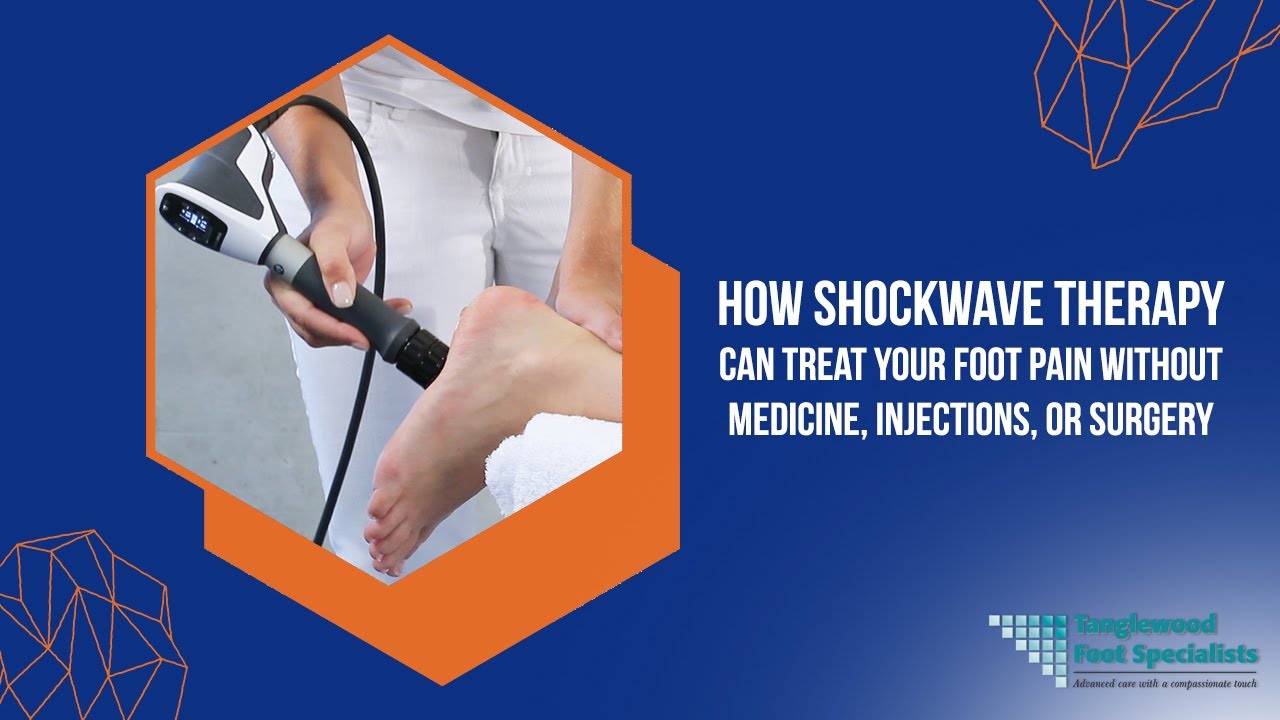
Extracorporeal shockwave therapy (ESWT) delivers acoustic pressure waves through the skin to damaged tissue. Not electric shocks — no needles, no incisions. Think of shockwave therapy in Houston like aerating a compacted lawn: it creates channels for blood flow and healing factors to reach tissue that's been cut off from circulation — which is exactly why chronic conditions resist healing on their own. Sessions run 10–15 minutes, typically once weekly for three sessions. I've used shockwave therapy on my own heel pain, so I can tell you from personal experience what you'll feel and that the results are real. Success rate: 82%.⁴ Cash price: $300 per session, or $750 for the three-session package. I also recommend reviewing the specifics of shockwave therapy for plantar fasciitis if that's your primary concern.
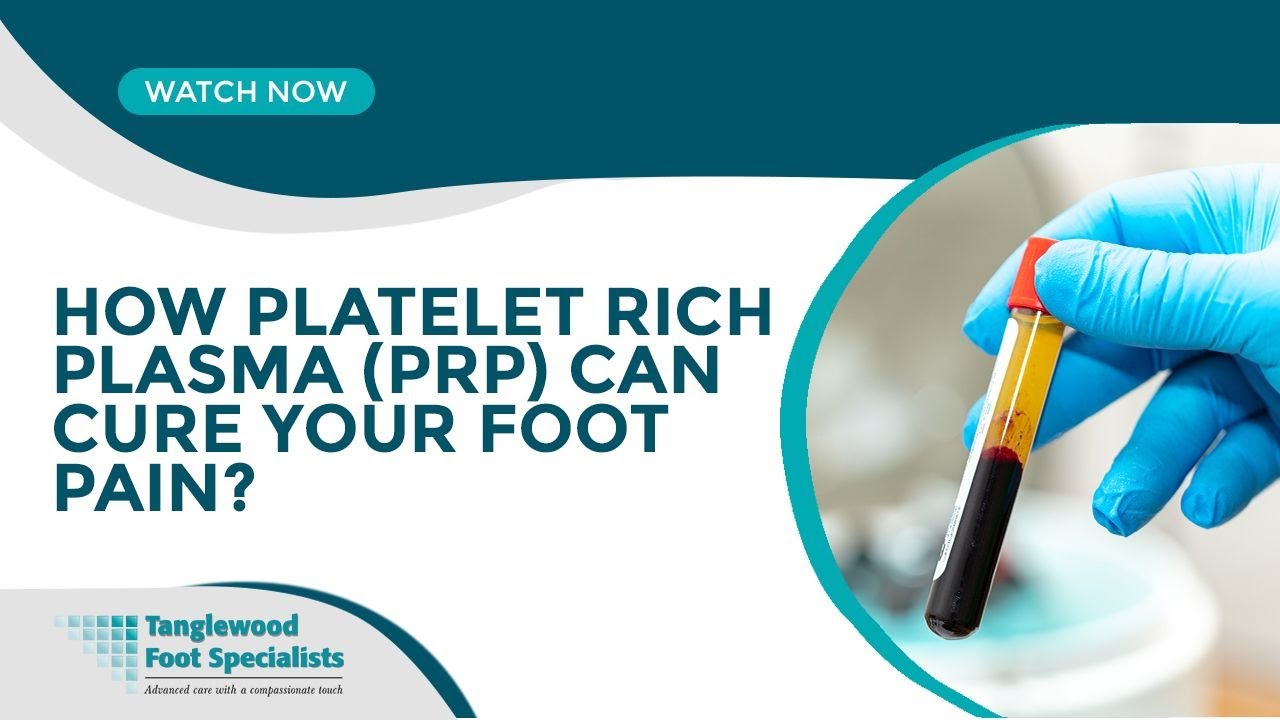
 Platelet-rich plasma — PRP — is something different entirely. It starts with a standard blood draw from your arm. That blood goes into a centrifuge that concentrates your healing platelets five to ten times their normal level, then I inject that concentrate precisely into the damaged tissue, often with ultrasound guidance. PRP isn't a pain-blocking injection — it's delivering the actual biological materials your body needs to rebuild damaged tissue: growth factors, signaling proteins, the building blocks of repair. I call it liquid gold for healing. Success rate: 70–80% for chronic tendon conditions.⁵ Cash price: $850. You can see the full comparison of platelet-rich plasma injections against cortisone and understand exactly what you'd be choosing.
The most powerful option I offer is the combined PRP plus shockwave protocol — what I call Seeds and Soil. PRP is administered first, delivering concentrated healing factors to the damaged tissue. Shockwave begins within a few days, creating the optimal environment for those factors to activate. PRP provides the seeds — the growth factors and signaling proteins. Shockwave prepares the soil and creates the conditions for them to work. Together, they succeed where other treatments have failed. For chronic cases that have failed everything else, the combined success rate is 85–95%.⁶ Combined cash price: approximately $1,600. Learn more about your full regenerative medicine options before your appointment.
When Surgery Is the Right Answer
Let me give you the number that matters most: I resolve 95% of foot pain cases without surgery. That's not optimism — that's 25 years of practice. For the small percentage who do need it, the procedures we use today are nothing like surgery from 20 years ago.
For plantar fasciitis that has truly failed all conservative and regenerative approaches, I may perform a partial plantar fascia release — open or endoscopic. For damaged tendon tissue, the Tenex procedure uses ultrasound-guided ultrasonic energy to remove only the degenerated tissue without touching healthy surrounding structures. The incision is smaller than a pencil tip. For confirmed equinus driving chronic overload, a gastrocnemius recession releases the calf precisely where the tension originates. Look, I know foot surgery when needed sounds scary — but these aren't the open surgeries most people picture. Recovery from a Tenex procedure has you in a walking boot within days. Most of my surgical patients tell me they wish they hadn't waited as long as they did. That said, it's genuinely the last option on the ladder, not the first place we go.
Not sure where you fall on this ladder? Come in and I'll figure it out with you. Schedule an evaluation or call 713-785-7881.
What to Expect at Your Houston Podiatry Appointment
When you come in, I'll start by listening — not just to your symptoms, but to your goals. Whether your goal is running the Chevron Houston Marathon, keeping up at Memorial Park, or walking to your car without dreading the next morning, those goals shape every recommendation I make. I won't judge you for how long you've waited, what you've already tried, or how conservative a path you want to start with. My job is to give you the full picture and let you make the right call for your life.
After we talk, I'll examine your foot and your gait. I'll assess range of motion, palpate the specific tissue that's causing pain, and watch how you walk — because the way mechanical load distributes through your foot tells me as much as where it hurts.
If imaging is useful, I have digital X-ray in the office. For soft tissue evaluation of the plantar fascia or a tendon, I'll use diagnostic ultrasound, which lets me see the actual tissue in real time. Most people leave that first appointment with a clear diagnosis and a specific plan — not a referral and a follow-up in six weeks.
Then we'll talk through every option that applies to your case, including what each one costs. I'll tell you exactly what I think is going on and why, and I'll show you the full range — from the conservative steps you can start the same day all the way through regenerative medicine.
Dr. Andrew Schneider has been doing this in Houston for over 25 years, and the thing I've learned is that the right answer is different for everyone. Some people want the most aggressive path to get back to training as fast as possible. Others want the most conservative approach available and are willing to take more time. Both are completely valid — and I'll build your plan around where you are. For a deeper look at how regenerative options compare to what you may have already tried, the PRP vs cortisone for foot pain breakdown is worth reading before your visit.