What a Custom Orthotic Actually Is (and What It Isn't)
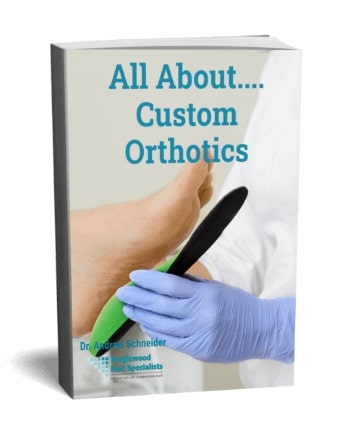
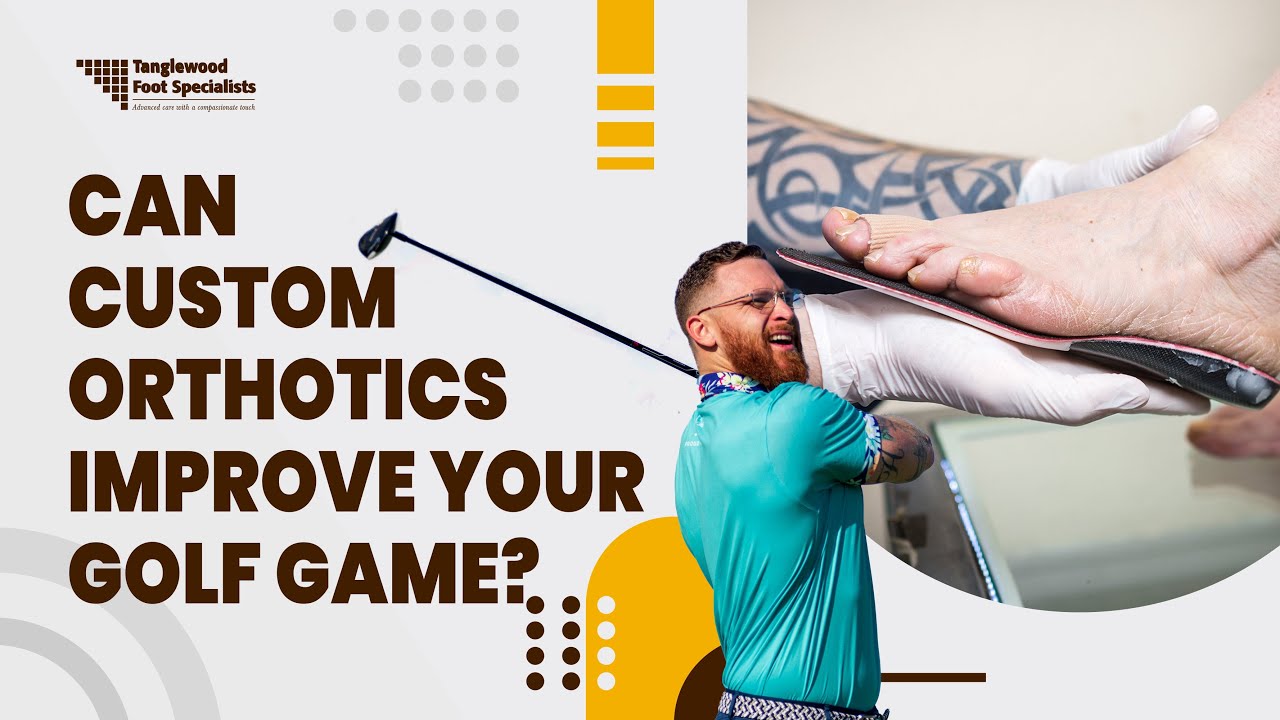
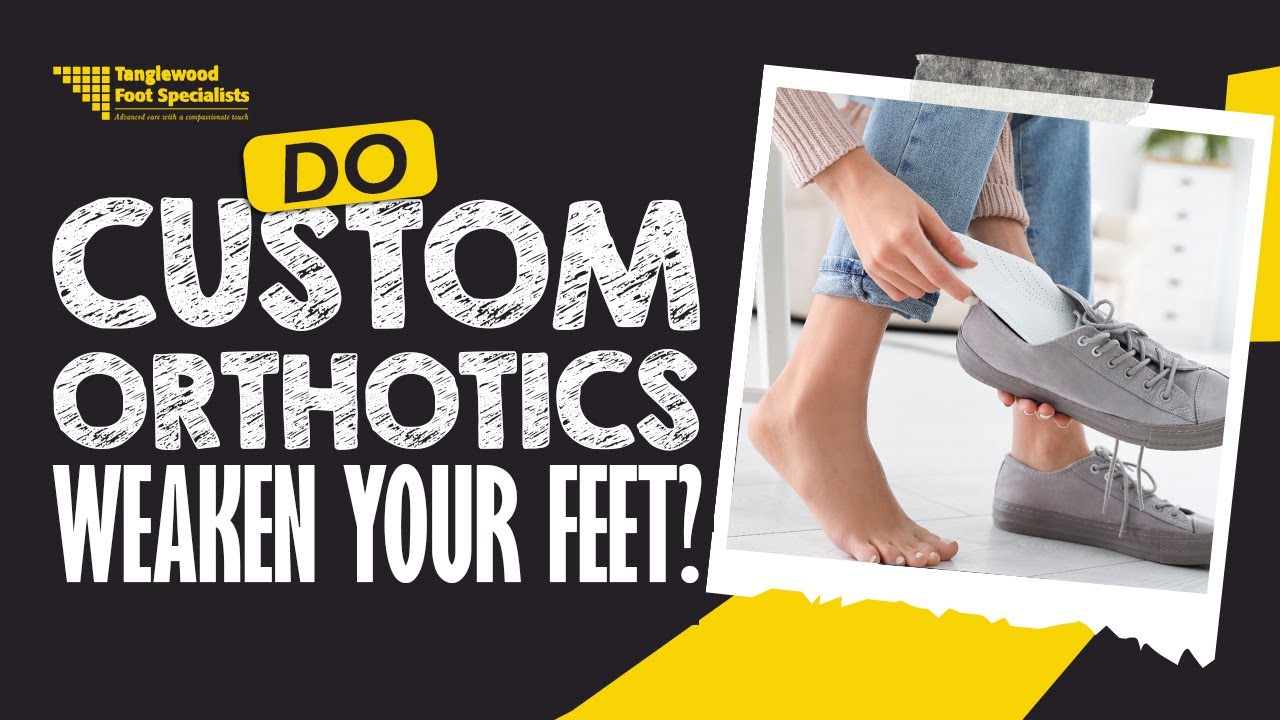
 A custom orthotic is a prescription medical device fabricated from a 3D mold or scan of your specific foot after a full biomechanical examination and gait analysis by a podiatrist. It's not a store-bought insole, a kiosk-generated insert, or any product that wasn't prescribed by a doctor and made for your foot specifically. That distinction matters more than most people realize — and it's the entire reason the two things don't produce the same results.
So, here's what's actually happening when I prescribe a prescription orthotic device. It's not a thicker version of the drugstore insert. It's a device built from a biomechanical examination of the way your foot loads and moves — which is different from every other foot on the planet. The prescription accounts for your specific structural findings, your gait pattern, and what you're asking your feet to do every day.
Think of custom orthotics like eyeglasses for your feet. While I'm wearing my glasses, I can see. When I take them off, I can't. In the same way, a custom orthotic compensates for your lower extremity mechanics while you're wearing them.
They don't, however, provide a lasting structural correction if you stop wearing them — and any provider who tells you otherwise isn't being straight with you. Like glasses, not laser eye surgery.
There are two main types, and which one you need depends on your diagnosis. A functional orthotic — made from semi-rigid material like graphite, carbon fiber, or plastic — is designed to control how your foot moves with every step. Biomechanics, in plain language, is the way your foot loads weight and absorbs shock with each stride, and a functional device corrects the mechanical problem at its source. An accommodative orthotic is softer and designed to redistribute pressure rather than control motion — it's what I typically prescribe for diabetic foot complications and severe arthritis, where cushioning and pressure relief matter more than mechanical control.
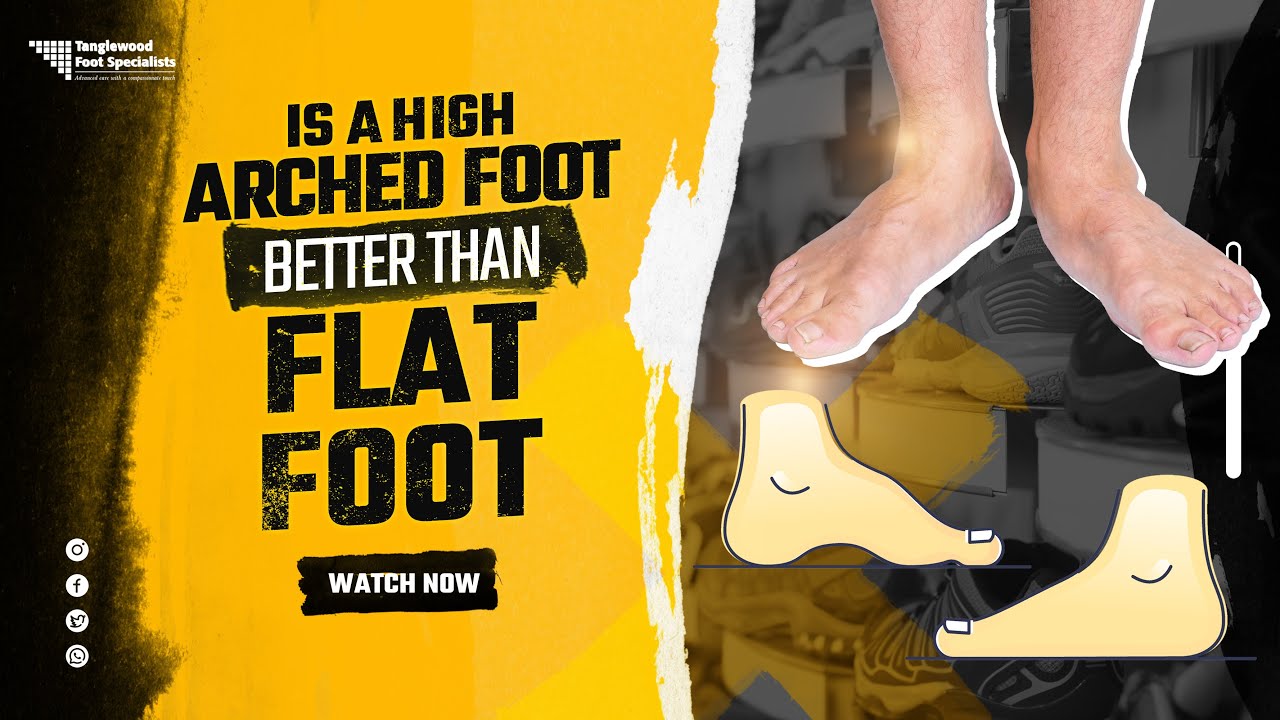
Conditions commonly treated with custom orthotics include plantar fasciitis, flat feet, high arches, bunions, Morton's neuroma, metatarsalgia, and leg length discrepancy. But the device only works when the prescription is built on a real diagnostic foundation — which brings us to why what you've tried before probably didn't hold up.
The Truth About OTC Insoles vs. Custom Orthotics
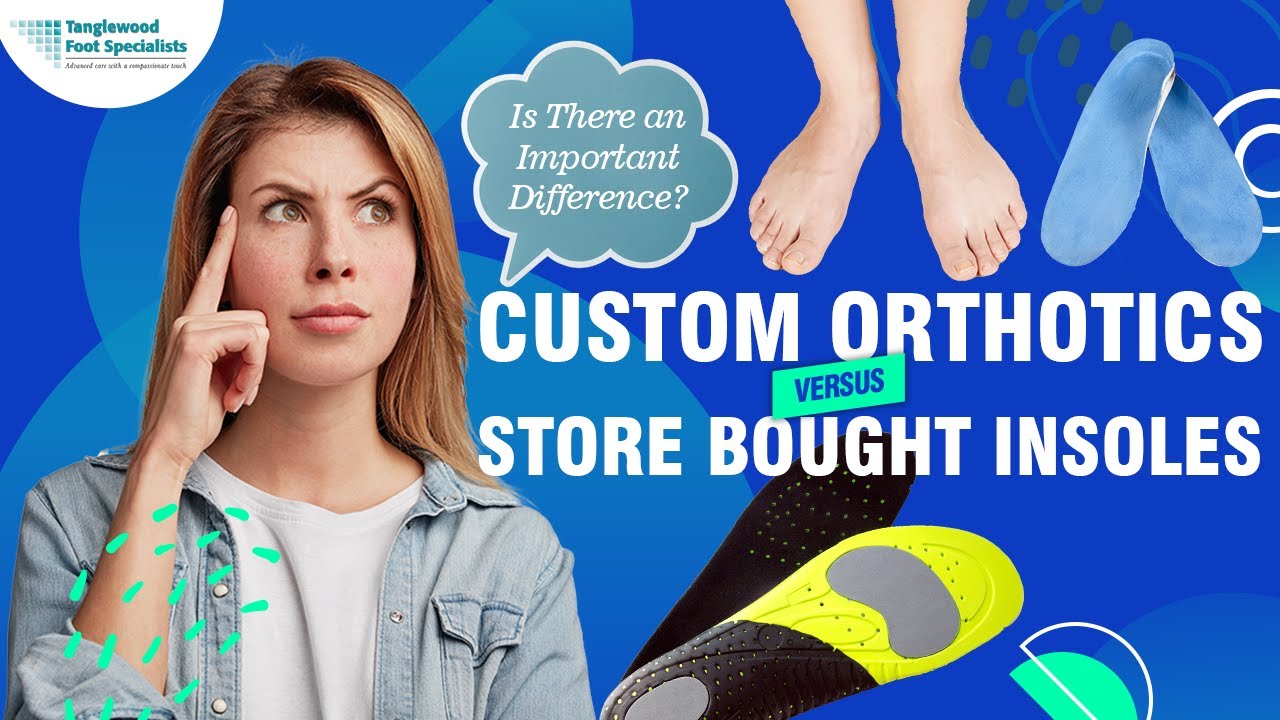
The argument gets made all the time: "Studies show over-the-counter orthotics work just as well as custom ones — so why spend the money?" Here's the thing. That argument comes primarily from companies that sell OTC insoles. When the loudest voice claiming equivalence is also the one selling you the cheaper option, it's worth asking who benefits from the conclusion.
The nuanced truth is that I'll be the first to say a good OTC insole can be sufficient for mild, generic arch fatigue in a structurally normal foot. If that's you, I'll tell you that and save you $700. But for structural deformity, chronic tendinopathy, overpronation — which means your foot rolling inward too far with each step — leg length discrepancy, or diabetic foot complications, there is no drugstore substitute.
Those studies miss the patient selection question entirely. They compare people with very different foot problems using the same outcome measure. Prescription orthotics outperform OTC insoles when the right people are receiving them.
The kiosk problem is specific and worth explaining. A pressure-plate scan at a sporting goods store measures your foot in a compensated, standing position — it scans the problem, not the solution. A podiatric mold captures the foot in a neutral, corrected position.
That difference is the entire prescription. You can't build a corrective lens from a photo of someone squinting.
If you're dealing with heel pain that keeps coming back despite trying quality insoles, there are three clear signals you've crossed into custom territory: you've tried OTC options consistently for six or more weeks without meaningful relief; there's a confirmed structural finding on examination; or the pain is actively affecting your work, your exercise, or the daily goals that matter to you. Any one of those is reason enough to get a real evaluation.
How Houston Podiatrist Dr. Andrew Schneider Approaches Custom Orthotic Care
The first question I ask isn't "where does it hurt?" It's "what do you want to get back to?" Whether you're a runner logging miles on Memorial Park trails, a teacher on your feet at an HISD campus all day, or someone who just wants to walk the Galleria without sitting down every 20 minutes — that answer changes everything about the treatment approach. The full arc moves from the least invasive option to the most, and custom orthotics occupy a specific point on that arc. They're not the beginning, and they're certainly not the end.
Lifestyle Changes
Start here, always. Shoes with firm heel counters, adequate arch support, and a toe box that doesn't compress the forefoot make a measurable difference for most foot pain rooted in how you walk and load weight — often within two to four weeks for mild cases. Houston's heat means most people are in sandals and flip-flops for eight or nine months of the year, and nearly all of that footwear offers zero structural support. That's not a moral failing; it's just what happens when it's 95 degrees in October.
Swapping even one pair of shoes for something with real structure can shift the load on your foot significantly. Weight management and activity modification — pool walking or cycling during acute flares instead of stopping movement altogether — round out the lifestyle tier.
At-Home Care
For some of you, smarter footwear choices and a consistent stretching routine will be enough. I'm talking about a genuine, quality OTC insole as a bridge — Powerstep, Superfeet, RediThotics, or Spenco with a firm arch, not a soft gel insert — paired with a daily stretching sequence targeting the full kinetic chain: calf, hip flexor, and mid-back. The calf is the one most people miss. Equinus, which is limited upward ankle motion from tight calf muscles, is one of the most common upstream drivers of plantar fasciitis and forefoot pain, and it responds well to patient, consistent stretching.
Ice for 20 minutes on, 40 minutes off during flares. Never heat during an acute flare — it feels good and increases inflammation.
The honest limitation: an OTC insole can't account for your specific gait pattern, your structural finding, or a leg length discrepancy. After six to eight weeks without meaningful relief, what you're dealing with requires a prescription solution. That's not a sales pitch — it's just where the data lands.
Conservative In-Office Care
When lifestyle and at-home care aren't getting the job done, this is where the real diagnostic work begins. I'll perform a full biomechanical assessment: gait observation, range-of-motion evaluation at the ankle and subtalar joint, leg length and alignment check, calf flexibility testing for equinus, and a 3D scan or mold taken with your foot in a neutral, corrected position — not a standing scan of a compensated foot. That distinction matters for prescription accuracy.
A lens prescription off by half a diopter doesn't work. Neither does an orthotic fabricated without a proper diagnostic foundation.
Custom orthotics at Tanglewood Foot Specialists are $700 per pair. A second pair for sport-specific activities or keeping one at work is $350. FSA and HSA accounts typically cover this cost. Most insurance plans don't cover orthotics, though it's worth checking your specific plan.
Break-in protocol matters: start at two hours on day one, add one to two hours per day through the first week. Mild achiness as your foot adapts is normal. Actual pain is not — call the office.
Most people notice meaningful improvement within four to six weeks of consistent wear, and a properly prescribed pair lasts two to three years with normal use.
A cortisone injection ($120 cash) is sometimes the right companion to orthotics when there's active inflammation driving acute pain. It controls the fire while the orthotic addresses what started it. Cortisone alone without mechanical correction is a short-term fix — the inflammation returns when the mechanics aren't addressed. For conditions driven by the way your foot moves — plantar fasciitis, flat foot mechanics, and metatarsalgia — conservative care with custom orthotics produces significant symptom reduction in 70–80% of cases.
Advanced Regenerative Care — The Third Option
Here's what most people don't realize: in most medical offices, the treatment ladder goes from medication to surgery. It's not working — next step is the operating room. But there's a third option that most doctors never mention, and it's the one I reach for when orthotics alone can't repair what's already been damaged. I'd go as far as saying regenerative medicine for foot pain has changed what's possible for people who thought surgery was their only path forward.
When years of abnormal mechanics have created chronic tendon damage, an orthotic can stop that damage from getting worse. But if you want your body to actually rebuild the tissue — that's where shockwave therapy comes in. Think of it like aerating a lawn. By creating small channels in compacted, damaged tissue, you allow blood flow, growth factors, and healing agents to reach areas that have been starved of them.
It's a handheld device delivering acoustic pressure waves — not electric shocks — applied directly to the affected area for 10 to 15 minutes per session, once weekly for three sessions. Eighty-two percent of people find their pain resolved after the full treatment course. At $300 per session or $750 for the three-session package, it's a fraction of the cost of surgery — with none of the recovery.
Platelet-rich plasma therapy ($850) takes a small blood draw, spins it in a centrifuge to concentrate the platelets, and delivers that concentrated healing signal via ultrasound-guided injection directly into the damaged tissue. I think of it as liquid gold for healing. As a standalone treatment for chronic tendon problems, PRP produces 70–80% improvement.
But the real power is in combining the two. PRP provides the seeds — the growth factors and signaling proteins your tissue needs to rebuild. Shockwave therapy prepares the soil — creates the optimal tissue environment for those ingredients to take hold and work.
Together, the combined protocol achieves an 85–95% success rate, even for cases that have failed every conventional treatment. Initial improvement typically appears two to four weeks after the protocol; full benefit builds over three to six months.
Surgery — When It's Genuinely Necessary
Look, I know foot surgery sounds scary. The vast majority of people who walk into my Houston office convinced they're headed for the operating room leave with a very different plan. But surgery for structural foot deformities is real, and I won't pretend otherwise — it's a genuine last resort with a specific set of criteria, not a default.
For bunions or structural flatfoot that haven't responded to orthotics and regenerative options, surgical correction can produce over 90% patient satisfaction when properly indicated. Lapiplasty for bunions corrects the deformity in all three dimensions — addressing the root cause, not just the bump. Flatfoot reconstruction and posterior tibial tendon procedures are performed when the structural collapse is severe enough that no device can compensate for it.
Recovery follows a predictable arc: non-weight-bearing for the first two weeks, protected weight-bearing in a walking boot through week six, progressive physical therapy through month three, and return to normal activity by months four to six. Custom orthotics are prescribed after surgery to maintain the correction long-term. Either way, I need to see you.
Ready to Find Out If Custom Orthotics Are Right for You?
Get an honest evaluation — not a sales pitch.
Request Your Evaluation →
What Happens When You Come In
When you come in, I'll start by asking what you want to get back to. Not just where it hurts — what it's costing you. Whether that's a morning run, a full shift on your feet, or simply making it through a grocery store without stopping to rest, that answer shapes the entire evaluation. I want to understand your goal before I look at your foot, because the goal tells me how aggressive we need to be and what success actually looks like for you.
From there, I'll watch you walk. Not in a scrutinizing way — in the way that tells me exactly what's happening in your foot mechanics that no questionnaire can capture. Gait analysis, which is simply observing how your foot strikes, rolls, and transfers weight with each step, gives me information that even a good MRI won't show.
After that, I'll move through a hands-on physical exam: range-of-motion testing at your ankle and subtalar joint, leg length and alignment check, and a calf flexibility assessment for equinus — because tight calf muscles are one of the most common hidden drivers of forefoot and heel pain, and most people have never had them evaluated. If custom orthotics are indicated, I'll take the 3D scan or mold that same visit.
If I think a quality over-the-counter insole will genuinely handle your situation, I'll tell you that and save you $700. If you need a prescription device, I'll show you exactly why — and you'll leave that appointment understanding your own foot mechanics in a way you didn't before. Lab fabrication typically takes two to three weeks, after which you'll return for a fitting and break-in review.
Most people reach meaningful improvement six to eight weeks from that first visit. I won't judge you for waiting as long as you did to come in. But I'm glad you're here now.
For conditions requiring metatarsal-pad positioning — like Morton's neuroma, where abnormal pressure on the ball of the foot compresses a nerve between the toes — the orthotic prescription changes significantly. This is exactly the kind of nuance a pressure-plate kiosk can't detect, and the reason the diagnostic exam is the whole point.
How Long Do Custom Orthotics Last? (And What Comes Next)
A well-made pair of custom orthotics lasts two to three years with normal daily use. The shell may look intact well past that point, but the materials compress over time and the prescription loses its effectiveness before the device visibly wears out. The right question isn't whether the orthotic looks okay — it's whether your foot still feels the way it did at six weeks of wear.
A few signals tell me it's time to re-evaluate sooner: significant weight change, a new high-impact sport or activity, symptoms returning after a symptom-free period, or visible wear on the orthotic shell. Any of these means the prescription needs a fresh look, not just a new pair of the same thing. A second pair at $350 is a practical option for keeping one at work and one for sport-specific use — the custom orthotic prescription is already on file, so fabrication is straightforward. Learn more about how custom orthotics are made if you want a closer look at the process behind the prescription.
After treating thousands of people with foot and ankle problems over more than 25 years, I've found that the people who do best with orthotics treat them like the prescription they are — worn consistently, updated when needed, and paired with the right footwear. Like glasses, you keep wearing them because they keep working. The underlying anatomy doesn't change; the orthotic keeps compensating for it.