What Is Lapiplasty — And What Makes It Different?
Lapiplasty 3D Bunion Correction is a patented surgical procedure that corrects a bunion by rotating the entire metatarsal bone — the long bone in your foot that connects your ankle to your big toe — back to its correct anatomical position in all three dimensions simultaneously. It then permanently secures the unstable joint at the base of that bone  with titanium fixation plates. Most people walk within days of surgery, without a cast, without crutches.
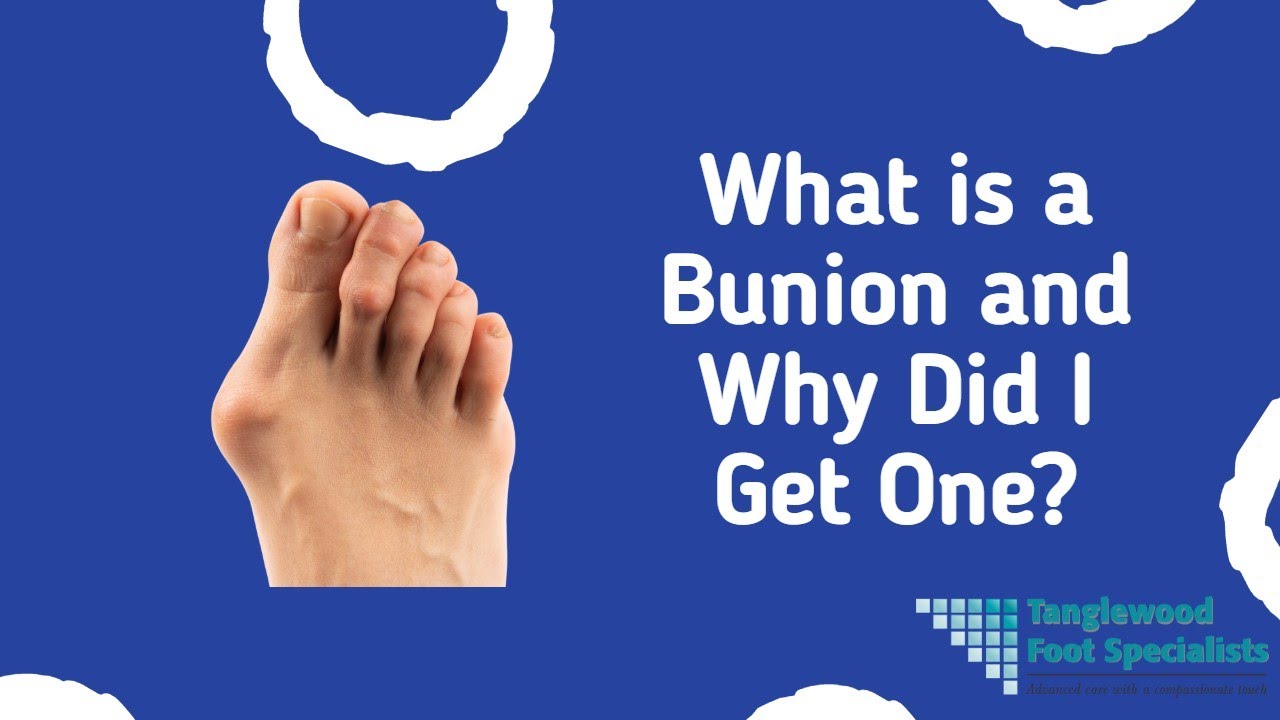
Here's the thing about bunion pain and deformity: the bump you see on the side of your foot isn't the actual problem — it's a symptom of one. The real problem is your first tarsometatarsal joint (the unstable hinge in the middle of your foot), which has allowed your metatarsal bone to drift, rotate, and lift out of position all at once. That's a three-dimensional structural collapse, and 87% of bunions involve misalignment across all three planes.²
Traditional osteotomy — the standard bunion surgery performed for decades — cuts the metatarsal bone and shifts the top piece sideways. That reduces the visible bump, but it doesn't touch the unstable joint at the root of the problem. Think of your metatarsal as a tall building: with a bunion, that building isn't just leaning sideways like the Leaning Tower of Pisa — it's also rotating and lifting.
Traditional surgery shaves the part that's sticking out. Lapiplasty fixes the unstable foundation. One is a cosmetic patch. The other is a structural repair.
That's why traditional osteotomy carries a 70% long-term recurrence rate, while Lapiplasty 3D Bunion Correction at Tanglewood shows 97–99% of people maintaining full correction at 13–17 months post-surgery.¹ The foundation was fixed this time — not just the bump. If you want a deeper look at what causes a bunion in the first place, that article explains exactly how the instability develops.
How a Houston Podiatrist Treats Bunions — From Conservative Care to Lapiplasty
I don't start with surgery. I start with your goals. What do you want to get back to? That answer shapes everything I recommend, and it's why two people with identical X-rays can leave my office with completely different treatment plans.
Lifestyle Changes
The first conversation is always about shoes. Wide-toe-box footwear from brands like New Balance, Brooks, or Asics takes immediate pressure off the first metatarsal head and can meaningfully reduce pain within days — no prescription required. Pointed-toe shoes and heels above two inches accelerate deformity by shifting weight forward onto the joint we're trying to protect, so they need to go.
If your work involves prolonged standing, scheduled rest breaks help — so does an anti-fatigue mat, which most people don't think to try until I mention it. These changes won't reverse the structural problem, but they can slow progression and reduce daily pain enough to buy real time.
At-Home Care
Beyond footwear, there's a short list of at-home options that actually work. Gel bunion pads cushion the bump and reduce shoe friction during flare-ups — not a fix, but genuinely helpful. Night splints hold the toe in better alignment during sleep and reduce joint stress overnight. Ice for 15–20 minutes when the joint is actively inflamed, and ibuprofen at 400–600mg handles acute flare-up pain adequately for most people.
Targeted exercises — towel pickups, resistance band toe abduction, marble pickups — strengthen the intrinsic foot muscles and reduce the load the joint absorbs with each step. What doesn't work: the Dr. Scholl's scanner machines at the pharmacy. The insoles they produce are too generic to address your specific biomechanical pattern, and they won't slow your bunion's progression.
Conservative In-Office Care
When lifestyle and at-home measures stop being enough, custom orthotics for bunion relief are the next step — and they're one of the most consistently effective tools I have. At $700 cash, they're fabricated specifically to your foot's biomechanics, redistributing pressure aw ay from the first metatarsal head and slowing deformity progression. Think of them like eyeglasses for your feet: while you're wearing them, they compensate brilliantly for the underlying structure.
Take them off, and the compensation stops — the deformity doesn't change. That's an honest limitation worth understanding, not a reason to skip them. Most people see significant pain reduction within 4–6 weeks.
When the joint is acutely inflamed, a cortisone injection ($120 cash) delivers targeted anti-inflammatory relief directly into the bursa or joint space — often within 48–72 hours. Cortisone is a symptom manager, not a structural fix, and there's a practical ceiling on how many repeat injections are appropriate before the tissue integrity starts to suffer. I use it when you need fast relief and conservative escalation is still on the table.
I don't use it as an indefinite management strategy. A structured physical therapy program — typically 6–8 weeks — rounds out this level by identifying compensatory gait patterns that are accelerating joint stress and correcting them before they cause secondary problems.
For people whose bunion pain has become chronic and who want to exhaust every option before surgery, I also look at regenerative options for foot pain. PRP injection therapy and shockwave therapy for chronic pain aren't the right fit for every bunion presentation, but when the exam and imaging support them, they're worth exploring before we talk about the operating room.
When Conservative Care Stops Working
Here's the honest truth about conservative care for bunions: it manages the pain, but it doesn't fix the architecture. Your bunion is a structural problem in a joint that's been allowed to become unstable — and no orthotic, injection, or exercise program changes that underlying reality. Think of it like a construction crew that started the job but never finished it.
The crew is still showing up, doing some work, keeping things from getting worse — but the foundation was never repaired. If your bunion has progressed to the point where you've changed how you dress, stopped doing things you love, or find yourself managing pain most days despite consistent conservative care, it's time to talk about bunion surgery and foot reconstruction.
Lapiplasty 3D Bunion Correction
Look, I know foot surgery sounds scary. But here's what most of my Lapiplasty patients tell me after the fact: they waited longer than they should have. Lapiplasty is an outpatient procedure — you're home the same day, under an hour in the operating room, walking in a surgical boot within 3–10 days with no cast and no crutches.
By week 6 you're typically in supportive shoes, by week 12 you're back to normal daily activities, and by month 4 you're cleared for running, sports, and high-impact activity. Because we're correcting the actual structural problem — rotating the metatarsal back to anatomical position and locking the unstable joint permanently with titanium fixation plates — your result is built to last in a way that traditional osteotomy simply can't match.
That's what the data shows, too. Clinical studies show 97% of people maintaining 3D correction at 13 months and 99% at 17 months.³ I've written a plain-language review of Lapiplasty success rates and outcomes if you want to see exactly how that was measured.
On insurance: Lapiplasty is covered by most major insurance plans, including Medicare, when the bunion is causing documented functional impairment. My team handles prior authorization and will give you your specific coverage picture before we schedule anything. For a detailed week-by-week breakdown of what recovery actually looks like, I wrote a week-by-week Lapiplasty recovery guide because the vague timelines I kept seeing online weren't giving people what they needed.
If you want to understand how Lapiplasty differs from traditional surgery at a technical level, that article lays it out plainly. And for anyone with questions about what to expect from bunion surgery more broadly, I've covered that too.
Schedule Your Lapiplasty Consultation →
What to Expect at Your First Lapiplasty Consultation in Houston
When you come in, I'll start with the question most surgeons skip: not where does it hurt, but what has this bunion taken from you. That answer tells me everything about what a successful outcome looks like for you specifically. From there I'll do a full physical exam — checking joint mobility, circulation, nerve function, and how you walk — and then we'll take weight-bearing X-rays. Weight-bearing is essential for Lapiplasty planning because it shows me how the deformity loads under the actual force of your body, across all three planes, in the way it behaves when you walk.
I'll put your X-rays up on the screen and walk you through exactly what I'm seeing. I want you to understand what's happening in your foot — not because I need to sell you on a procedure, but because an informed decision is the only one worth making. I'll tell you honestly whether Lapiplasty is the right fit, whether conservative care makes more sense first, or whether a different approach altogether fits your anatomy better.
If you've had bunion surgery before and it came back, revision candidacy with Lapiplasty is something I evaluate case by case — it's worth discussing. You can read about the walking timeline after Lapiplasty beforehand if you want to come in with a clear picture of the recovery ahead.
I've had people come in from the Galleria area and from near the Texas Medical Center, all of them carrying the same combination of hope and anxiety. The first appointment isn't a commitment to surgery — it's a conversation about what's actually going on and what your real options are. You won't leave my office with a surgery date unless you want one.
If you'd like to request an appointment online, my team will reach out to confirm a time that works for you.