What's Actually Happening Inside Your Arthritic Foot
Foot arthritis is the gradual breakdown of cartilage — the cushioning tissue between bones — in one or more joints of the foot or ankle. As cartilage thins, bones begin to contact each other directly, triggering inflammation, stiffness, and pain. The most common type is osteoarthritis, caused by years of repetitive stress, prior injury, or genetic predisposition.
Here's what most people don't realize: the pain you're feeling isn't just about worn cartilage. It's about a healing response that's stopped working. Your body sends the repair crew to the joint — it always does — but the biological environment inside an

arthritic joint is so disrupted that the crew just stands there.
The growth factors and signaling proteins that should kickstart tissue repair are depleted, so the job never gets finished and the inflammation keeps cycling back. That's the real reason the pain returns. It's also why regenerative medicine for foot pain works in a way that cortisone simply can't.
The synovium — the joint's inner lining — becomes chronically inflamed trying to compensate for what the cartilage can no longer do. Beneath that, the subchondral bone (the layer that used to be protected and cushioned) now absorbs forces it was never designed for. It thickens, stiffens, and contributes to that particular kind of morning rigidity where your first steps feel like the joint is working through concrete. The most common sites in the foot are the midfoot arch joints, the big toe joint — what we call hallux rigidus — and the ankle.
Why Cortisone Keeps Failing You
Cortisone has been the default arthritis injection for decades, which is part of why so many people assume it must be the right long-term solution. It isn't. Cortisone is a powerful anti-inflammatory — it quiets the fire without fixing what's burning. It delivers nothing your body can use to actually repair damaged tissue.
But here's the part that most practices don't tell you up front: repeat injections — more than two or three per year in the same joint — are documented to accelerate cartilage breakdown.<sup>1</sup> That's the exact tissue arthritis is already destroying. So if you've been getting cortisone every few months, you may be trading short-term relief for a long-term problem you can't see yet.
That's not a failure of willpower or patience. It's a failure of the tool.
Cortisone does have a place — it's genuinely useful for severe flares or as a bridge while other treatments take effect. The problem is when it becomes the plan. If you want to understand why cortisone shots stop working and what the types of regenerative medicine available can actually do for a joint stuck in this cycle, those answers are worth reading before your next injection.
Symptoms Worth Paying Attention To
Most people with foot arthritis notice a deep, aching pain that worsens with activity and eases with rest — only to stiffen badly once they stop moving. That "gelling" phenomenon, where you sit down for 20 minutes and then can barely walk when you stand back up, is one of the most consistent complaints I hear. Morning stiffness typically runs 15–45 minutes before the joint loosens enough to move comfortably.
You might also notice swelling or puffiness around the joint after prolonged standing or walking, reduced range of motion with a hard stop where there used to be flexibility, and in some cases a grinding or crunching sensation — called crepitus — when you move the joint. About 30–50% of people develop visible joint enlargement or bony prominences over time. Pain can also radiate up the leg or into the arch depending on which joint is involved.
Some symptoms require immediate evaluation, not a wait-and-see approach. If a joint becomes acutely hot, red, and swollen with no injury involved, that can signal gout or septic arthritis — both of which need to be ruled out before any arthritis treatment begins. And if you're experiencing sudden, dramatic pain worsening after a minor incident, that may indicate a fracture through arthritic bone, which changes the treatment picture entirely.
How a Houston Podiatrist Treats Foot Arthritis Pain — Without Rushing to Surgery
After treating thousands of people with foot arthritis in Houston, I've learned that the question isn't really "what's the right treatment?" — it's "what's the right treatment for where you are right now?" The answer looks different for someone who's had pain for three months than for someone who's been managing it for three years. So let me walk you through every level of what's available, what it costs, and what you can realistically expect from each one.
Lifestyle and Footwear Changes
The shoes you're wearing are doing either a lot of good or a lot of damage, and for most people it's the latter. What an arthritic foot needs is a cushioned midsole, a rocker sole that reduces the range of motion demands at the forefoot, a wide toe box, and a low heel drop. Flat dress shoes, unsupportive sandals, and flip-flops are the opposite of all of that — and in Houston, where you're in open footwear eight or nine months a year, this matters more than it would anywhere cold.
Activity swaps help too: swimming, cycling, and the elliptical put dramatically less force through your foot joints than running or prolonged standing on hard surfaces. Every pound of body weight translates to three to five times that force across your foot joints during walking, so even modest weight reduction makes a measurable difference. Give honest compliance four to eight weeks before drawing conclusions.
At-Home Management
During flares, ice is your best friend — fifteen to twenty minutes on, forty minutes off. Contrast soaking, alternating warm and cool water, helps with morning stiffness before you have to get moving. Topical diclofenac (sold as Voltaren) is genuinely useful for small joints because it provides real anti-inflammatory penetration, not just surface warmth.
What doesn't help: heating pads on actively inflamed joints, and compression wraps alone. These tools can make a bad day manageable. They don't touch the underlying biology. If you're getting fewer than two or three good days per week, or if your stiffness is increasing, that's the signal to come in.
Custom Orthotics and Conservative In-Office Care
 Think of custom orthotics the way you'd think of eyeglasses. They don't cure the problem any more than glasses cure poor eyesight — but they compensate for your mechanics while you're wearing them, redistributing load away from the damaged joint surfaces and altering the pressure map enough to provide significant relief and slow progression. They're cast or 3D-scanned to your specific anatomy.
Most people who wear them consistently see 70–80% pain reduction. The cost is $700 for the first pair and $350 for an additional pair. For chronic heel pain that's developed alongside the arthritis, orthotics are often addressing two problems at once. Here's the thing — they only work when you actually wear them.
A cortisone injection ($120) has a legitimate role here — for severe flares or as a bridge while orthotics or other treatments are taking hold. Most people get 60–80% relief, sometimes lasting several months on the first injection. But I want to be direct: relief shortens with every repeat injection, and beyond two or three per year in the same joint, there's a real risk of accelerating the cartilage damage we already discussed. It's a symptom management tool, not a healing tool, and I'd rather tell you that plainly than let you keep coming back for shots working against you over time.
Red light therapy ($39 per session, $180 for a package of six) is a non-invasive complement that uses low-level photobiomodulation to stimulate cellular energy production and reduce the inflammatory cytokines that keep the joint locked in a flare cycle. It's not a standalone solution for moderate or advanced arthritis, but delivered in a six-session package alongside other treatments, it adds a meaningful cumulative benefit without any downtime. If you've hit six to twelve weeks of consistent conservative care and you're still in pain — or your cortisone relief is lasting less than four weeks — it's time to talk about what's next.
The Third Option: Regenerative Medicine
There's a category of treatment that sits between a cortisone shot and an operating room. Most people haven't heard about it. I use it every week.
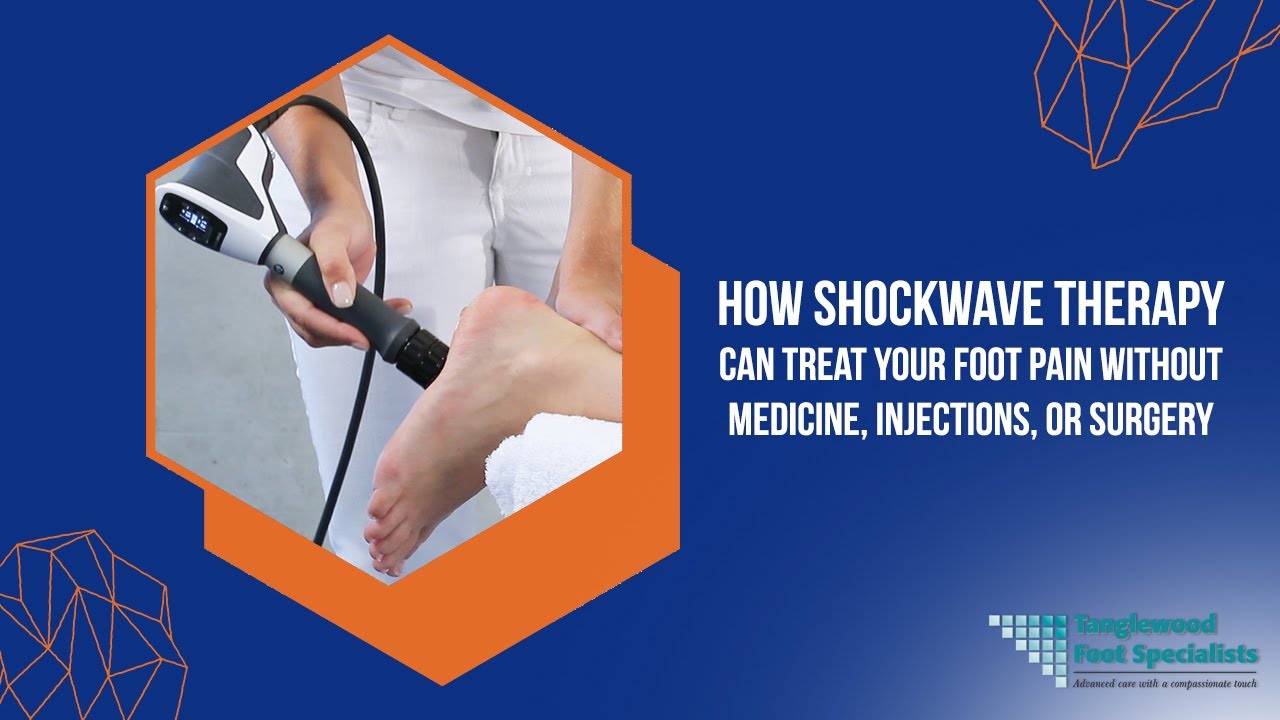
Shockwave therapy ($300 per session, $750 for the package of three) works like aerating a compacted lawn — by creating small channels in depleted tissue, you force the body to restart a healing response that had essentially given up. Three sessions, spaced weekly. Most people notice initial improvement within two to four weeks of the first session.
The 82% success rate for musculoskeletal pain is the highest of any non-surgical intervention I offer, and it's the reason I reach for it early rather than late.<sup>3,4</sup> You can read more about how shockwave therapy works if you want the full picture before your appointment.
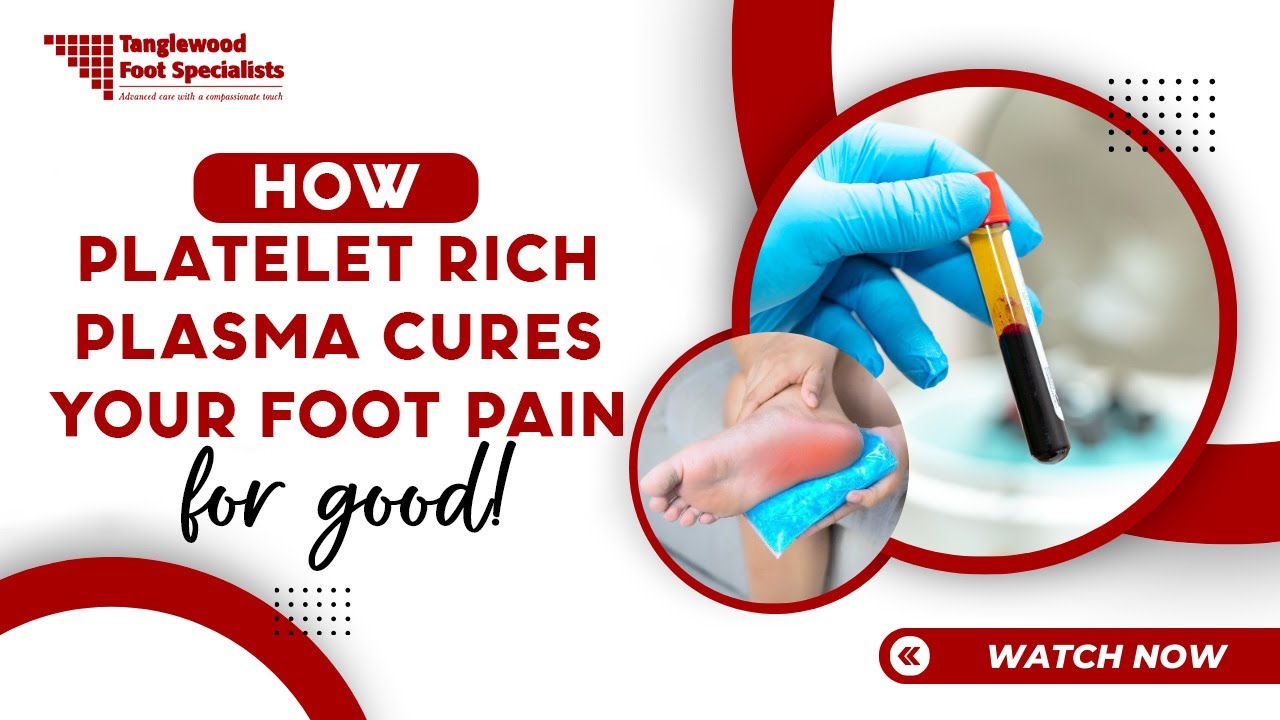
 A platelet-rich plasma injection ($850) takes a small blood draw from your arm, processes it in a centrifuge for about ten minutes to concentrate the platelets and growth factors to three to five times their normal levels, then delivers that concentrate directly into the arthritic joint under ultrasound guidance. You're walking out of the office the same day. There's typically mild soreness for a day or two, and I ask you to avoid high-impact activity for two to three days.
But here's the difference from cortisone: PRP doesn't mask pain — it delivers the biological repair signals the joint has been starving for. Most people see 70–80% significant improvement.<sup>2</sup>
The combined protocol — what I think of as seeds and soil — produces the best results I've seen for foot and ankle arthritis. PRP first to deliver the seeds: the growth factors and signaling proteins. Then shockwave sessions within a few days to prepare the soil, creating the biological environment those factors need to activate. Three shockwave sessions, once weekly.
Full benefit develops over three to six months, and the results are durable in a way cortisone relief simply isn't. The combined protocol runs approximately $1,600–$2,000 cash — versus $15,000–$25,000 or more for surgery and rehabilitation. The success rate is 85–95%. For many people, this is the exit ramp they've been looking for.
I also discuss oral BPC-157 peptide as an adjunct in some cases — it supports tissue repair through distinct anti-inflammatory pathways and is considered case-by-case based on severity and treatment response. PRP and shockwave aren't covered by most insurance plans, including Medicare, but FSA and HSA accounts typically do cover them.
Surgery — When It's the Right Answer
Look, I know foot surgery sounds scary — especially for arthritis, where you've probably heard stories about long recoveries and uncertain results. Here's the truth: when surgery is the right call, modern techniques produce excellent outcomes for the right people. But it's always the last conversation we have, never the first.
For early-stage arthritis, arthroscopic debridement is a minimally invasive option that cleans up the joint — most people return to full activity in six to twelve weeks. For advanced arthritis, fusion (arthrodesis) eliminates the painful joint surface entirely and carries an 85–90% pain relief success rate. Recovery runs roughly one to two weeks non-weight-bearing, three to six weeks in a boot, then progressive return over months two and three, with full recovery by four to six months.
Total ankle replacement is reserved for end-stage ankle arthritis and involves a three to six month recovery with rehabilitation. For more on what surgical care looks like at our practice, see foot and ankle surgery. The honest answer is that most people who get through the full treatment progression — including regenerative medicine — never reach this point.
Not Sure Which Option Is Right for You? Come in for an evaluation and we'll figure it out together. Schedule Your Evaluation →
What to Expect When You Come In
When you come in, I'll start by taking weight-bearing X-rays — meaning you'll stand on them, not lie down, which is the only way to see what the joint actually looks like under load. From there comes a hands-on evaluation: range of motion, tenderness mapping, gait assessment, and a biomechanical exam of how your foot is moving and where it's compensating. If there's soft tissue involvement around the joint, I'll add a diagnostic ultrasound right in the office. For a new arthritis patient, plan on 45 to 60 minutes for that first visit.
I'm also going to ask you a lot of questions about what you've already tried, what helped, and what didn't. That history shapes everything. Someone who got four months of relief from cortisone two years ago is in a very different conversation than someone who got three weeks from their last injection. We'll talk about what your foot is actually keeping you from — whether that's getting through a full shift at the Texas Medical Center, walking the Memorial Park loop, or making it through a family dinner without spending the second half managing around the pain.
After I examine your foot, you'll know exactly what's going on and exactly what your options are. I don't come into that conversation with a predetermined plan — some people leave with orthotics on order, others start a regenerative protocol within the same week. You can read more about my background as Dr. Andrew Schneider before you come in.
Either way, I need to see you — because you can't make a good decision about treatment without a real diagnosis.
Living Well with Foot Arthritis in Houston — What Long-Term Management Actually Looks Like
Foot arthritis is progressive, which means the goal isn't a one-time cure — it's durable management that keeps you doing what matters. Research consistently shows that combining biomechanical support with periodic regenerative treatment maintains function significantly longer than treating flares as they arrive. That means orthotics aren't just something you use when it hurts. They're something you wear because they're slowing the progression every single day you have them on.
Houston makes this harder in ways that don't get discussed enough. You're in sandals or open shoes eight or nine months of the year, which sounds like a relief until you realize that most sandals offer zero joint support. The concrete floors throughout the Galleria, the Texas Medical Center, River Oaks restaurants, and Midtown offices are unforgiving surfaces for a compromised joint, and you're on them constantly. That's a real Houston problem worth naming — and it's part of why I spend time on footwear with every arthritis patient I see, not just at the first visit.
The way I measure success isn't a pain score on a form. It's whether you're walking the Memorial Park loop again, whether a family gathering ends without you calculating every step, whether your foot stopped being the thing your whole day gets planned around. For most people, that's achievable — with the right combination of support, treatment, and occasional maintenance.
Annual check-ins keep things on track even when you're feeling good, and periodic PRP treatment if symptoms return means you're addressing the biology before a flare becomes a setback. Orthotics get re-evaluated every one to two years as your foot and activity level change.