What Are Diabetic Orthotics?
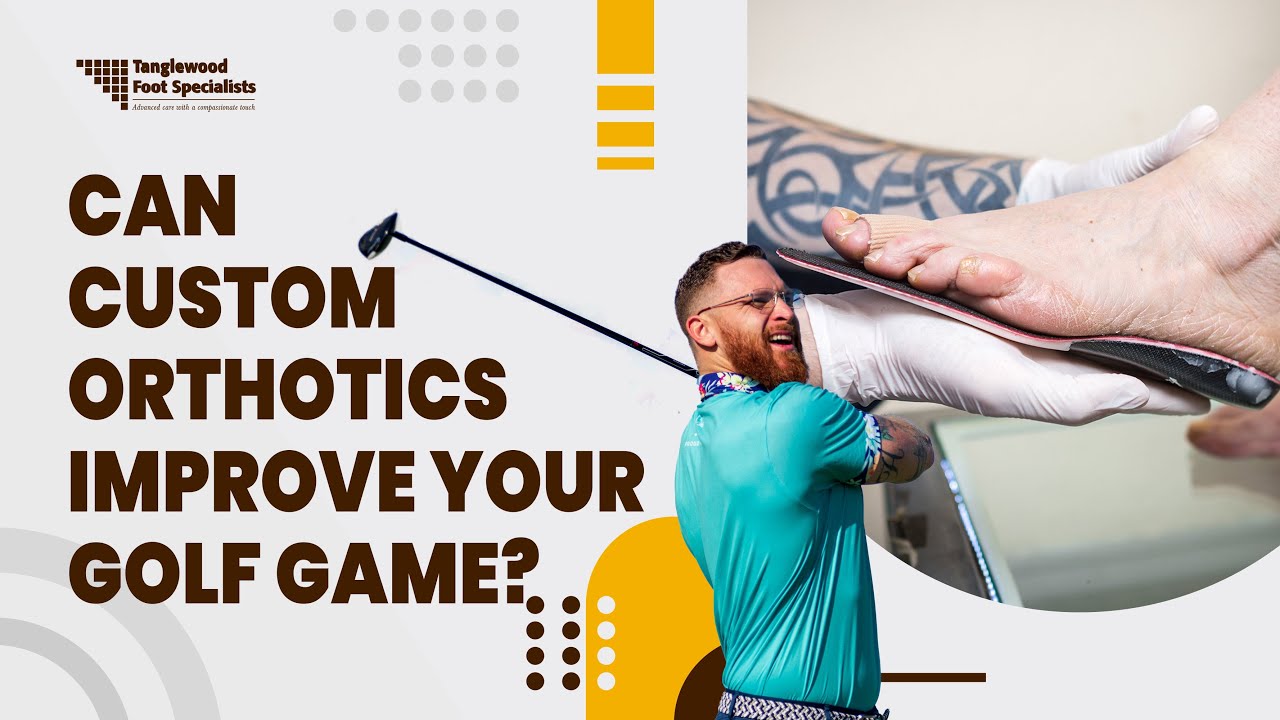
 Diabetic orthotics are custom-fabricated shoe inserts designed specifically for feet affected by diabetes. Unlike standard insoles, they serve two clinical purposes: redistributing pressure away from high-risk areas to prevent skin breakdown, and correcting biomechanical alignment to reduce long-term structural damage. They're prescribed based on a biomechanical evaluation of the individual foot — not a generic size.
Here's what's actually happening when I prescribe a diabetic orthotic. There are two distinct types, and the distinction matters enormously. Accommodative orthotics are soft, cushioned devices — usually built with a Plastazote top layer, a medical-grade heat-moldable foam that conforms to the exact contours of your foot — and their entire job is pressure redistribution. Functional orthotics are firmer and structurally corrective, designed to realign the mechanics of a foot that's pronating or loading unevenly during walking.
Getting the wrong type isn't just unhelpful. For a foot with compromised sensation, it can accelerate the exact problems you're trying to prevent.
Think of them like eyeglasses for your feet — but with higher stakes. While I'm wearing my glasses, I can see. When I take them off, I can't. A custom diabetic orthotic compensates for what your foot can no longer feel or protect on its own. The difference is, with your feet, you can't always tell when the glasses are off — and that's precisely why custom diabetic inserts are a non-negotiable part of managing high-risk diabetic feet.
Why Diabetic Feet Need a Different Kind of Protection
The answer starts with peripheral neuropathy — nerve damage caused by chronically elevated blood sugar that gradually destroys your foot's ability to feel pain, heat, pressure, or injury. When that sensation is gone, your foot loses its early warning system. A blister, a friction point, a metatarsal head under constant load — none of it registers. And what your foot can't feel, it can't protect.
Here's the thing about neuropathy: it doesn't announce itself with pain. It announces itself with silence. Think of it like a faulty thermostat — the kind that reads 68°F when the room is actually 85°F. The thermostat isn't lying; it just can't measure accurately anymore.
Your foot isn't lying when it feels fine. It simply can't detect the pressure building beneath that metatarsal head with every step you take. That's what we call loss of protective sensation, or LOPS — the dividing line between "watch carefully" and "you need diabetic-grade orthotics now."
Diabetes compounds this by damaging blood vessel walls, reducing circulation to the foot. So not only can your foot not feel a minor injury — it also can't heal it efficiently. What takes three days to resolve for someone without diabetes can linger for weeks or months in a diabetic foot, and minor skin breakdown can escalate fast.
Add structural factors like Charcot arthropathy — catastrophic joint and bone collapse that happens when someone walks on a neuropathic foot without realizing what's breaking down underneath them — or fat pad atrophy, where the natural cushioning under the ball of the foot depletes over time, and you start to understand why "good enough" insoles carry very different stakes for a diabetic foot than for anyone else's.
The Truth About "Just Getting a Good Pair of Insoles"
I see this pattern constantly in my Houston practice — people working long shifts at the Texas Medical Center or on their feet for eight to ten hours a day, managing diabetes quietly for years, who have picked up a pair of drugstore insoles labeled "diabetic" and assumed that covered them. It doesn't, and the reason is worth understanding clearly.
A mass-produced insole is built for average foot anatomy. No two diabetic feet share the same pressure distribution, deformity pattern, or neuropathy profile. An OTC insert that doesn't fully contact a high-arched diabetic foot creates a gap — and all the pressure concentrates on two or three contact points instead of being spread evenly across the entire surface.
That's the opposite of what a foot with compromised sensation needs. Research on preventing foot ulcers consistently shows that pressure redistribution across the full plantar surface is what drives ulcer risk down, and mass-produced insoles simply can't do that for an individual foot.
Think of your foot like a tripod, with weight distributed between your heel and the ball of your foot. When an ill-fitting insole disrupts even one leg of that tripod, pressure concentrates catastrophically. In a neuropathic foot that can't feel this happening, skin breakdown follows silently.
I won't judge you for trying the pharmacy route first — everyone does. Medical-grade OTC options like RediThotics, Powerstep, or Superfeet are acceptable only as a short-term bridge for very mild neuropathy with no structural deformity. Avoid Dr. Scholl's and the scanner kiosks entirely. And if you have any loss of sensation, any history of skin breakdown, or visible toe deformities like hammertoes or clawing, custom orthotics aren't a luxury — they're what the evidence actually calls for.
Warning Signs Your Feet Are Telling You Something
Here's what makes diabetic foot warning signs so dangerous: most people experience them and don't connect them to  foot risk at all. Persistent redness on the sole or toes after shoe removal — especially if it lasts more than 30 minutes — is a pressure signal your foot can't feel but your skin is registering. Callus formation at consistent spots like the metatarsal heads, heel border, or base of the fifth toe tells me exactly where mechanical load is concentrating with every step.
One foot running noticeably warmer than the other is an early Charcot signal that I take very seriously. Tingling, burning, or numbness progressing over time — especially into the toes — and shoes wearing unevenly in the same spots every time are both indicators that something in the foot's mechanics or sensation needs attention.
Some people notice more visible changes: toes beginning to curl or claw, an arch that seems to be collapsing, or fatigue and cramping with walking that wasn't present before — which can signal circulation compromise called claudication. Slow-healing minor cuts, heel cracks, or blisters that take too long to close are signs your foot's ability to repair itself is already running below normal.
Seek immediate care if you see any open area, sore, or blister that hasn't closed within 24 to 48 hours. Drainage in your socks or on the floor, one foot noticeably more swollen or red than the other without a clear cause, or any wound with odor, discoloration, or darkening tissue at the edges are all emergencies — not something to watch and wait on. These are the situations I want you calling me before they get to that point. A daily foot care routine that includes inspection catches these signals early, when the options are still good.
How a Houston Podiatrist Treats Diabetic Foot Problems — From Insoles to Advanced Care
After treating thousands of patients with diabetes here in Houston, I've learned that the right orthotic isn't one thing — it's a decision. It's based on your A1C, your neuropathy level, your foot structure, your activity, and your goals. Let me walk you through exactly how I think through that decision, starting from the foundation and building up from there.
The first and most important variable isn't anything I can prescribe. It's your blood sugar control. Every point your A1C rises above normal doesn't reduce your healing ability by 10% — it reduces it by ten times. Not 10%. Ten times. That means a diabetic foot with an A1C of 8 has roughly a hundredth of the healing capacity of a well-controlled foot. No orthotic, no injection, and no therapy I can offer will fully overcome poorly managed blood glucose — which is why I always start this conversation there.
Beyond blood sugar, the foundation of diabetic foot protection is appropriate footwear. You need extra-depth shoes with a seamless interior and enough toe box to accommodate your foot without creating pressure points anywhere. Sometimes that's as simple as switching out of the narrow dress shoes you've worn for 20 years. The shoes create the safe container. The orthotics control what happens inside it — and those are two separate, equally important jobs.
For very mild neuropathy with no structural deformity, a medical-grade over-the-counter insole can serve as a short-term bridge. I'm talking about options like RediThotics, Powerstep, or Superfeet — not Dr. Scholl's, and absolutely not the scanner kiosks you see at the pharmacy.
But those mass-produced insoles are built for average anatomy, and your foot isn't average. They can't account for your individual pressure map, your specific deformity pattern, or where exactly your neuropathy has taken sensation away. If OTC measures haven't improved things within four to six weeks, or if you have any skin changes at all, that's your escalation signal. Hoping doesn't work with diabetic feet.
Custom diabetic orthotics are where the real clinical work happens, and they're the core of what I recommend for anyone with diagnosed neuropathy, foot deformity, or any history of skin breakdown. Going back to the eyeglasses analogy — OTC insoles are like reading glasses off a rack. They might get you in the general range, but for most diabetic feet, the rack isn't enough. You need your prescription.
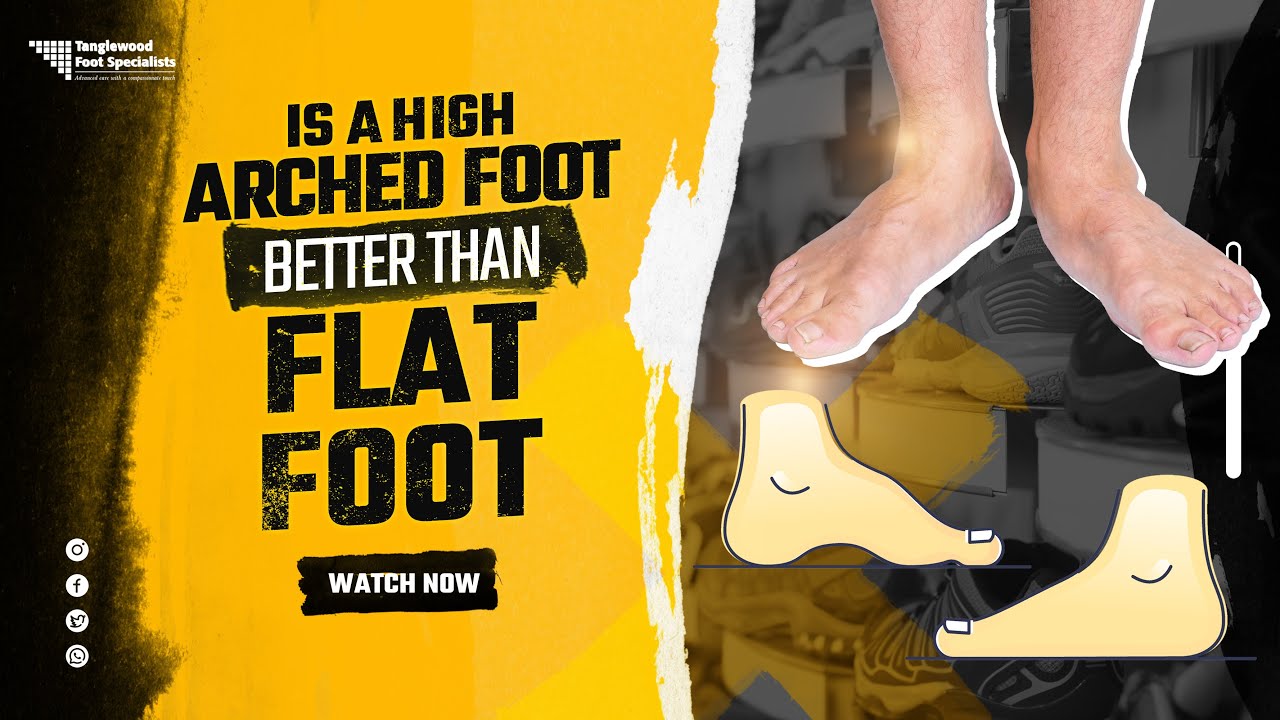
I start with a full biomechanical evaluation: watching you walk, mapping where your ground forces concentrate, assessing your arch structure, and evaluating skin quality and fat pad integrity. From there, we do a digital 3D scan and build the orthotic to your exact specifications — either a soft accommodative device for a neuropathic foot, or a functional corrective for someone with structural issues like flat feet or high arches in earlier-stage diabetes. Cash pricing is $700 for the first pair and $350 for each additional pair — both FSA and HSA eligible.
And here's something most qualifying diabetics don't know: the Medicare Therapeutic Shoe Bill covers three pairs of custom inserts per calendar year under Medicare Part B. Most people who qualify never claim this benefit — I'll help you document eligibility at your appointment. Peer-reviewed research shows that custom-made orthotics with appropriate footwear reduce reulceration rates from 79% down to 15% in high-risk diabetic feet over a two-year follow-up. That's a meaningful reduction in the risk of something that can change your life.
For diabetic feet where circulation impairment or neuropathy itself is the deeper problem — not just mechanics — I have tools that go well beyond what any insole can do. Red light therapy and the Remy Class IV Laser both penetrate tissue at the cellular level, stimulating mitochondrial repair, improving local circulation, and reducing the chronic inflammation that compromised diabetic tissue gets stuck in. Think of the orthotic as scaffolding — it creates the protected structural environment; laser therapy helps the tissue inside that structure actually rebuild.
Red light runs $39 per session or $180 for a six-session package; the Remy Laser is $97 per session or $497 for six. Most people notice meaningful tissue change within four to six sessions, with the full protocol running six to twelve.
When the issue is a genuinely depleted healing environment — chronic inflammation, fat pad atrophy, early soft tissue compromise — I reach for platelet-rich plasma, or PRP. Diabetes calls the healing crew to the job site but takes away their tools. PRP delivers those tools: a concentrated payload of your own growth factors drawn from your blood, centrifuged, and injected directly into the tissue that needs a biological reset.
It's also what I use for fat pad restoration in feet where that natural cushioning has depleted under the metatarsal heads. Cash pricing is $850 per injection, with initial response typically visible at four to six weeks and full benefit at three to six months.
Look, I know that foot surgery sounds scary — especially when you're already managing diabetes and don't want another variable in the mix. Here's what I want you to understand: the procedures we're discussing aren't cosmetic refinements. They're precision interventions to eliminate the mechanical cause of a wound that won't heal or a deformity creating amputation prevention risk.
An Achilles tendon lengthening, for example, reduces forefoot pressure by up to 50% and dramatically cuts ulcer recurrence — it's a targeted mechanical fix for a mechanical problem. Charcot reconstruction stabilizes a foot that's collapsed beyond what conservative care can manage. In every case, surgery is the last step in the progression, not the first — and recovery always concludes with a return to a custom diabetic orthotic program, because the orthotic is what protects the surgical result long-term.
Not sure which level of care your feet actually need? Come in for an evaluation and we'll figure it out together. Call 713-785-7881 or request an appointment.
What to Expect at Your First Appointment — Houston Diabetic Foot Evaluation
When you come in, I'll start by reviewing your diabetes history — your current A1C, how long you've had the diagnosis, any medications that affect healing or circulation, and whether you've had any previous foot problems, ulcers, or hospitalizations. All of that context shapes the exam that follows, so I ask a lot of questions before I ever look at your feet. Then we move into the physical exam, and it's more thorough than what most people expect from a foot appointment.
The first thing I'll test is your sensation. I use a Semmes-Weinstein monofilament — a thin filament that applies a precise, standardized amount of pressure to different sites on the bottom of your foot. You tell me whether you feel it, and I map exactly where protective sensation is intact and where it's gone. That single test tells me more about your orthotic needs than almost anything else.
I'll also check your vascular status — feeling pulses, assessing capillary refill, and evaluating whether circulation needs to be addressed as part of your care. From there, I'll do a digital pressure mapping analysis while you walk, so I can see exactly where ground forces are concentrating with every step. That data is what your custom orthotic is built from.
Once the examination is complete, I'll give you a clear picture of where you stand. If you have no loss of protective sensation, we focus on biomechanical correction and prevention. If LOPS is present, the priority shifts immediately to accommodative protection and pressure offloading. If there's an active deformity, structural instability, or any history of skin breakdown, we build a total-contact diabetic orthotic program and talk about which additional therapies — laser, PRP, or both — make sense for your feet.
You'll leave that first appointment with a diagnosis, a complete treatment plan, and a timeline — not a vague "let's see how it goes."
Same-day, I can assess your current footwear and tell you exactly what's working and what isn't. Your orthotics are typically ready within two to three weeks, and most people notice a meaningful difference within the first week of wear, with full benefit at four to six weeks. I'll see you back at that point for a gait check and adjustments. And for qualifying diabetics, we'll schedule your annual Medicare re-evaluation to keep your replacement cycle on track — three pairs per year is the benefit, and I want you using it.
I won't judge you for how long you waited or what you've tried before coming in. Either way, I need to see you — because the earlier we build the right protection around your feet, the more options we have. Schedule your diabetic foot evaluation or book an appointment today.