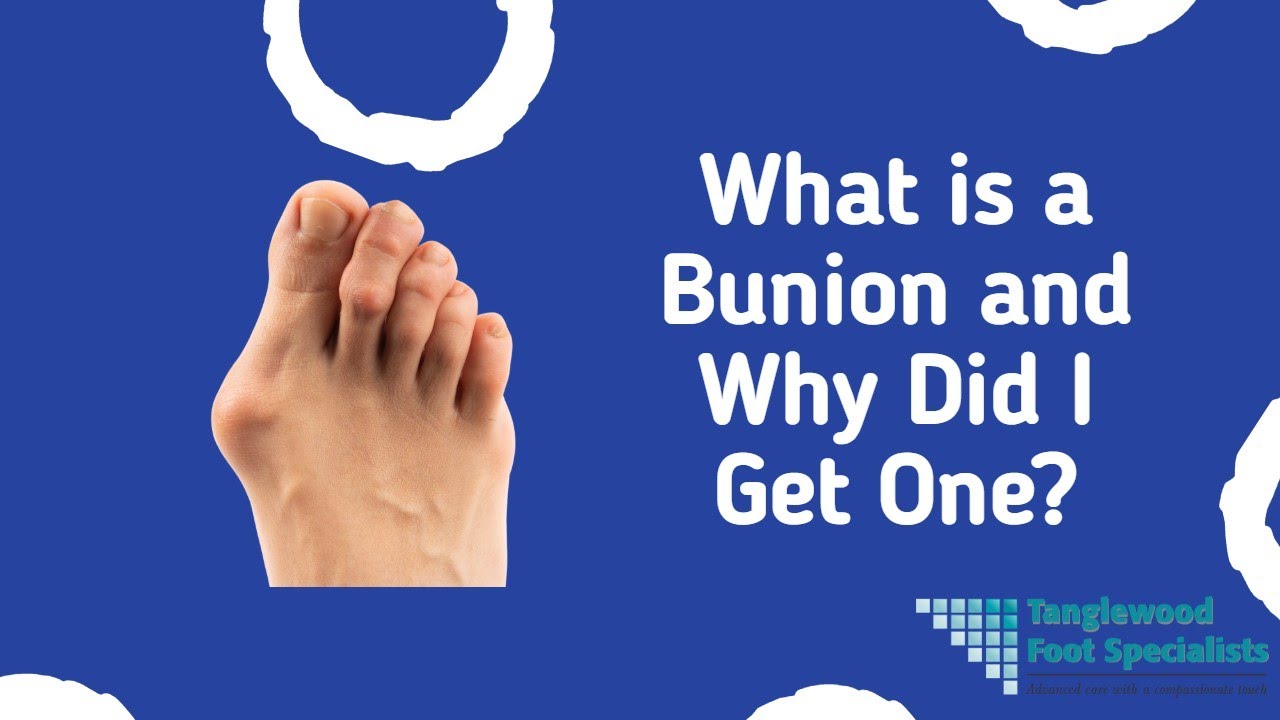
What Exactly Is a Bunion?
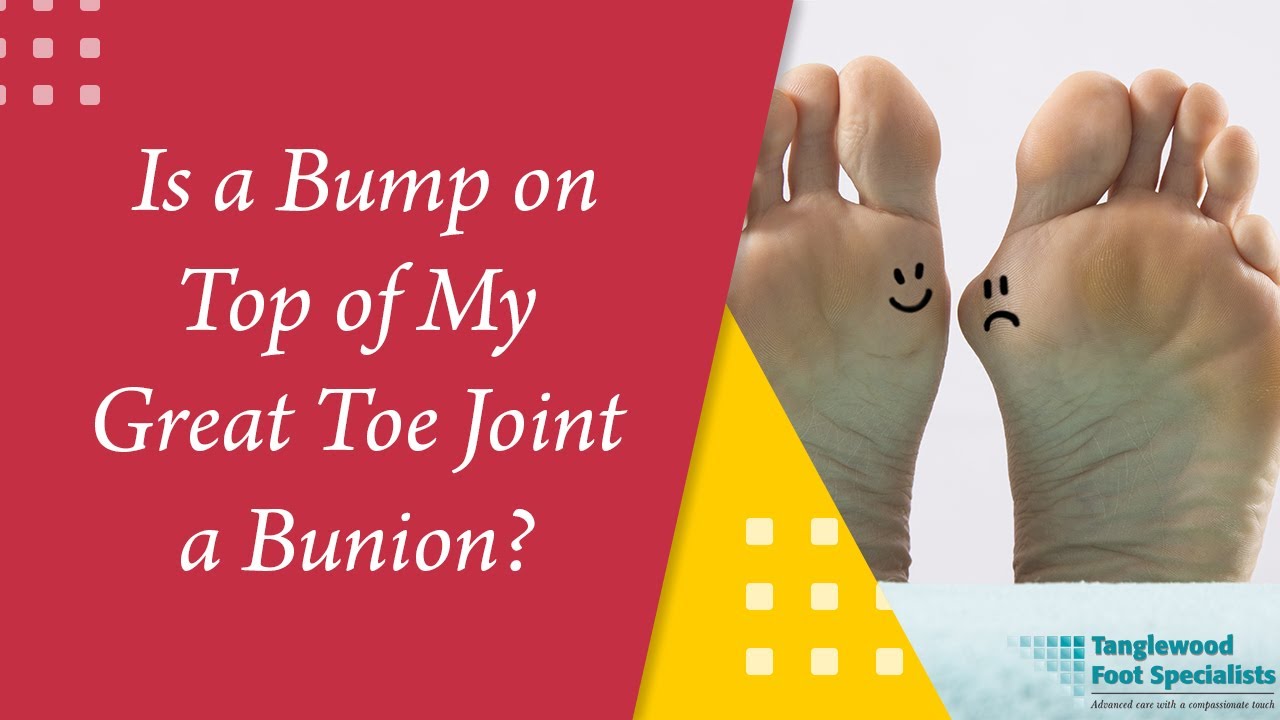
 A bunion — the medical term is hallux valgus, where "hallux" means big toe and "valgus" means angled outward — is a progressive structural deformity of the foot. The visible bump at the base of your big toe is not new bone growth and not a cyst. It's your first metatarsal bone, pushed out of position by a joint beneath it that's no longer stable. Understanding that distinction matters more than almost anything else you'll read here.
Here's what's actually happening in three dimensions. In 87% of bunions, the misalignment goes well beyond the sideways lean you see when you look down at your foot. The metatarsal bone is also elevated in the sagittal plane — lifting slightly upward — and rotating in the frontal plane, which changes how the big toe contacts the ground.
Most people think of a bunion as a bump. It's really a bone that has drifted, tilted, and rotated simultaneously, which explains why so many treatments only provide partial relief.
I explain the structure to every person who comes in with this condition the same way. Imagine the Leaning Tower of Pisa. The tower isn't the problem — the unstable foundation beneath it is. You can chip away at the part that leans outward, smooth it down, make it look better from a distance. But the foundation is still crooked, and given enough time, it leans again. That's traditional bunion surgery in one sentence. The bunion pain and deformity you're experiencing is a foundation problem — and that's exactly what it takes to fix it. For a deeper look at the anatomy involved, what is a bunion walks through the structural mechanics in detail.
Why Your Bunion Keeps Getting Worse
Here's what most people don't realize: your shoes didn't create your bunion. Blame a parent or grandparent instead. The unstable first tarsometatarsal (TMT) joint — that's the foundation joint in the midfoot where your first metatarsal meets the tarsal bones — is a genetic trait, inherited the same way you inherit eye color.
When that joint is structurally loose, the metatarsal bone has nowhere to go but outward. It's a slow process, often spanning decades, but it's a process that doesn't reverse on its own.
That said, what you put on your feet absolutely determines how fast it progresses. High heels shift 25% more weight onto your forefoot for every inch of heel height — your TMT joint is already unstable, and now it's bearing load it was never designed to handle. Narrow toe boxes compress the forefoot and accelerate the drift.
Flat feet and overpronation increase the mechanical stress on the first metatarsal. Equinus — tight calf muscles (gastrocnemius and soleus) that limit ankle dorsiflexion — pushes weight forward onto the forefoot with every step you take. In my practice, I see people who have worn sensible shoes their whole lives and still developed significant bunions. And I see people in women's foot pain and high heels situations who've accelerated a mild deformity into a severe one in a matter of years.
One more thing worth knowing: inflammatory conditions like gout in the big toe joint can accelerate joint deterioration at the bunion site, making an already painful condition significantly worse. If you've had sudden flares of acute redness and swelling alongside the bunion pain, that's worth mentioning when you come in. Shoes didn't cause your bunion — but they're making it worse every day you wear the wrong pair.
The Truth About Traditional Bunion Surgery
Most bunion surgery websites will tell you the procedure is highly effective. What they won't tell you is that "effective" and "permanent" are two very different things. Traditional osteotomy — an osteotomy is a surgical bone cut — involves cutting through the metatarsal and shifting the top portion sideways to reduce the visible bump.
It addresses the symptom. The unstable TMT foundation joint underneath? Left untouched. And that's the entire problem.
Here's what happens next. The foundation is still loose. The forces that pushed the metatarsal outward in the first place are still acting on it every time you walk. Gradually, the bone drifts again — and the bunion comes back.
This isn't a complication or a rare outcome. It's a predictable mechanical result of not correcting the root cause. Traditional osteotomy fails — meaning the bunion recurs — approximately 70% of the time.
No competitor's website in this city will tell you that number. You deserve to know it before you schedule anything.
The reason Lapiplasty® — a patented Lapiplasty 3D bunion correction system — produces dramatically better outcomes is that it corrects the deformity in all three anatomical planes simultaneously and then permanently stabilizes the TMT foundation joint with titanium plating. It fixes the leaning tower at its foundation. Traditional osteotomy only addresses the transverse plane — the sideways lean — while leaving the sagittal elevation and frontal rotation intact. For a full comparison of surgical approaches, types of bunion surgery lays out each option honestly. Traditional osteotomy is appropriate for select mild presentations, but it shouldn't be the default for most people.
How I Treat Bunions for Houston Patients
After treating thousands of bunion cases at my practice near the Galleria, I've learned that the biggest mistake in bunion care isn't doing too little — it's skipping steps. Surgery on a bunion that wasn't ready for it. Cortisone injections on a bunion that needed orthotics first.
Or worse: conservative care stretched on indefinitely when surgery was clearly the right call months earlier. My job is to match you to the right level of care at the right time.
Here's how I think through that — level by level — from the simplest change you can make today to the surgical option that actually fixes the problem permanently.
Footwear and Lifestyle
The single most impactful thing you can do right now, before your first appointment, is change your shoes. You need a wide toe box — wide enough that your toes sit without any pressure against the bunion joint — and a heel no higher than two inches. Every inch above that ceiling shifts roughly 25% more weight onto your forefoot.
Houston's climate makes this harder than it sounds: we're in sandals and minimalist shoes most of the year, and I see people from the Heights and Greenway Plaza who walk to work, and from Memorial Park who run the trails, whose footwear patterns are accelerating their deformity every single day. Brands worth looking at include New Balance, Brooks, Asics, Clarks, Ecco, and Naturalizer.
Realistic expectation here: consistent footwear modification can reduce pain within two to four weeks and meaningfully slow progression. It will not correct established bone deformity — but it buys time, sometimes a lot of it.
At-Home Management
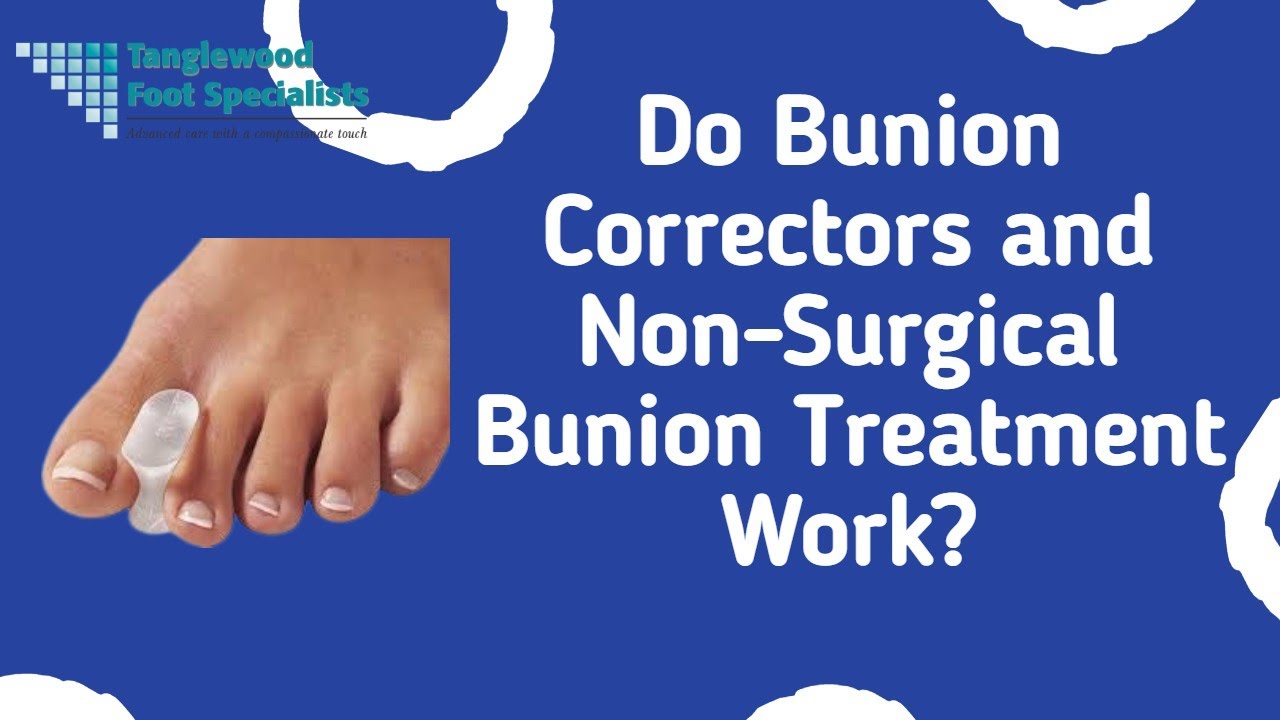
Bunion pads (gel or moleskin) cushion the bump and reduce shoe friction. Toe spacers placed between the first and second toe cut down on skin-on-skin irritation and provide mild positional support. Night splints hold the toe in better alignment during sleep and may slow progression, though they will not reverse deformity that's already set in. Ice for 15–20 minutes after activity controls acute inflammation effectively; over-the-counter NSAIDs like ibuprofen or naproxen help manage short-term flares.
Here's the honest assessment of what doesn't work: the kiosk insoles at the pharmacy are not designed for the specific biomechanical pattern at work, and bunion "correctors" marketed as reversing deformity have no peer-reviewed evidence behind them. They may reduce discomfort. They will not move bone. None of this addresses the underlying joint drift — it buys time, and sometimes a lot of it — but for a moderate-to-severe bunion, it's not where the story ends.
Conservative In-Office Care
When at-home measures aren't enough, custom orthotics are usually my first in-office recommendation — and they make a meaningful difference for the right bunion. Think of them the way you think about eyeglasses. Glasses don't fix the underlying structure of your eye, but they let you function normally throughout the day. A custom orthotic redistributes the mechanical load away from the unstable bunion joint so it isn't bearing forces it was never designed to handle. I include a digital gait analysis with every pair; the mold is specific to your foot, not a generic arch shape. Cash price is $700, with an additional pair at $350. For mild-to-moderate bunions, 70–80% of cases can be managed long-term when orthotics are paired with appropriate footwear.
A cortisone injection — $120 — is appropriate for an acute flare when the joint is actively inflamed and you need relief quickly. It works; it typically provides six to twelve weeks of meaningful pain reduction. But the ceiling is one to two injections per year to avoid weakening the joint capsule, and it's not a long-term strategy on its own.
I also work on equinus directly — a stretching protocol targeting the gastrocnemius and soleus, because those tight calf muscles increase forefoot pressure and accelerate the drift. Most people feel real improvement within four to eight weeks of consistent orthotic use.
The Third Option: Regenerative Medicine
Here's where most Houston foot practices have a gap in what they offer. There's a whole category of treatment that lives between "try another cortisone shot" and "schedule your surgery" — and I use it regularly for bunion cases that have maxed out standard conservative care but are not yet ready for the operating room.
 Regenerative medicine for foot pain works by activating your body's own repair systems rather than masking symptoms. PRP therapy — platelet-rich plasma, $850 — delivers your body's own concentrated growth factors directly into the bunion joint. Your body already has the tools to reduce inflammation and slow joint degeneration. PRP is like calling in a specialized crew that brings those tools straight to the job site — signaling tissue repair, quieting chronic inflammation in the joint capsule, and slowing the breakdown that makes your bunion progressively more painful. About 70–80% of people with chronic joint pain see significant improvement with PRP. It does not move bone; it extends the conservative care window.
Shockwave therapy — $300 per session or $750 for a three-session package — delivers acoustic pressure waves that disrupt the chronic inflammation cycle and stimulate blood flow and new vessel formation in the tissue surrounding the joint. Three sessions over three to five weeks is the standard protocol. When I combine shockwave with PRP — approximately $1,600 for the full protocol — the results are consistently better than either alone. Shockwave prepares the soil; PRP plants the seeds. For the right bunion, this combination can produce 12–18 months of meaningful pain relief and buy significant additional time before any surgical decision needs to be made. I also use Remy Class IV laser adjunctively — $97 per session or $497 for a six-session package — for joint inflammation and early arthritic changes. For a full overview of what's available outside of surgery, the regenerative medicine vs surgery library article walks through the comparison in detail.
Surgery: When It's the Right Call
Look, I know foot surgery sounds scary. I get it. But I'll be direct: when conservative care has genuinely run its course and your bunion is affecting your daily life, surgery works. Modern bunion surgery is nothing like what your aunt had fifteen years ago — and the procedure you choose matters as much as the decision to operate.
For most people with moderate-to-severe bunions, I recommend Lapiplasty bunion correction — the patented 3D system that corrects the deformity in all three anatomical planes and permanently stabilizes the TMT foundation joint with titanium plating. You walk in a surgical boot on day one. Not on crutches. Not bedridden for weeks. By week six most people are transitioning to supportive athletic shoes, and by week twelve you're back to normal daily activities. Full return to running and court sports comes around month four. The recurrence rate is dramatically lower than traditional osteotomy's 70% failure figure because Lapiplasty addresses the foundation, not just the bump. Over 90% of properly indicated Lapiplasty cases report satisfaction with the outcome. The Lapiplasty recovery timeline article walks through every week in detail if you want to know exactly what to expect.
Traditional osteotomy remains appropriate for very mild or specific presentations, but it carries that 70% recurrence rate and typically requires six to eight weeks of non-weight-bearing. If hammertoe development has already started in the second toe from being crowded, that factors into the surgical planning as well. For severe deformity with significant joint damage, arthrodesis — permanent fusion of the TMT joint — provides lasting stabilization with a longer recovery of twelve to sixteen weeks before full weight-bearing. The right procedure depends on your deformity pattern, your X-ray findings, and your life. A look at foot surgery options and minimally invasive bunion surgery can help you prepare for that conversation.
Not Sure Which Stage You're At?
I'll review your X-rays, assess your deformity, and give you an honest treatment plan — no pressure toward surgery.
Schedule a Bunion Consultation
What to Expect at Your First Bunion Appointment
When you come in to my practice near the Tanglewood neighborhood, I'll start by taking weight-bearing X-rays of both feet — not just the one that hurts. That detail matters. The intermetatarsal angle (IMA), which is the angle between the first and second metatarsal bones, tells us exactly how far the deformity has progressed.
Normal is under nine degrees. That evaluation also covers TMT joint stability, how well the big toe joint is tracking, and whether there are early arthritic changes in the joint space. Objective data first — everything else follows from that.
From there, I'll watch you walk. Gait analysis reveals things the X-ray cannot — whether equinus is shifting weight forward onto the forefoot, where pressure is concentrating, whether you're compensating in ways that are loading other structures.
Bring your everyday shoes when you come in — wear pattern tells a story. Then we'll go through range-of-motion assessment of the big toe joint, footwear history, activity level, and what you've already tried.
I won't judge you for waiting. I see people who've had this bunion for twenty years and never came in because they assumed I'd tell them they needed surgery. Half of them leave with an orthotic prescription and a footwear list. The other half need more — but at least they finally know what that looks like.
Most people leave the first visit with a clear plan and at least one concrete step they can take that same day. If you want to explore the non-surgical landscape first, non-surgical bunion options is worth reading before you come in. Learn more about Dr. Andrew Schneider or request an appointment directly online.
Symptoms That Tell Me You Need to Come In
Most people notice the visible bump first — that bony prominence at the base of the big toe, often red and tender after a day in shoes. The big toe angles toward or crosses the second toe. Pain and stiffness show up when walking, especially in anything rigid or narrow.
Calluses or corns form between the first and second toe from friction. These are the classic signs, and they show up in the majority of bunion cases.
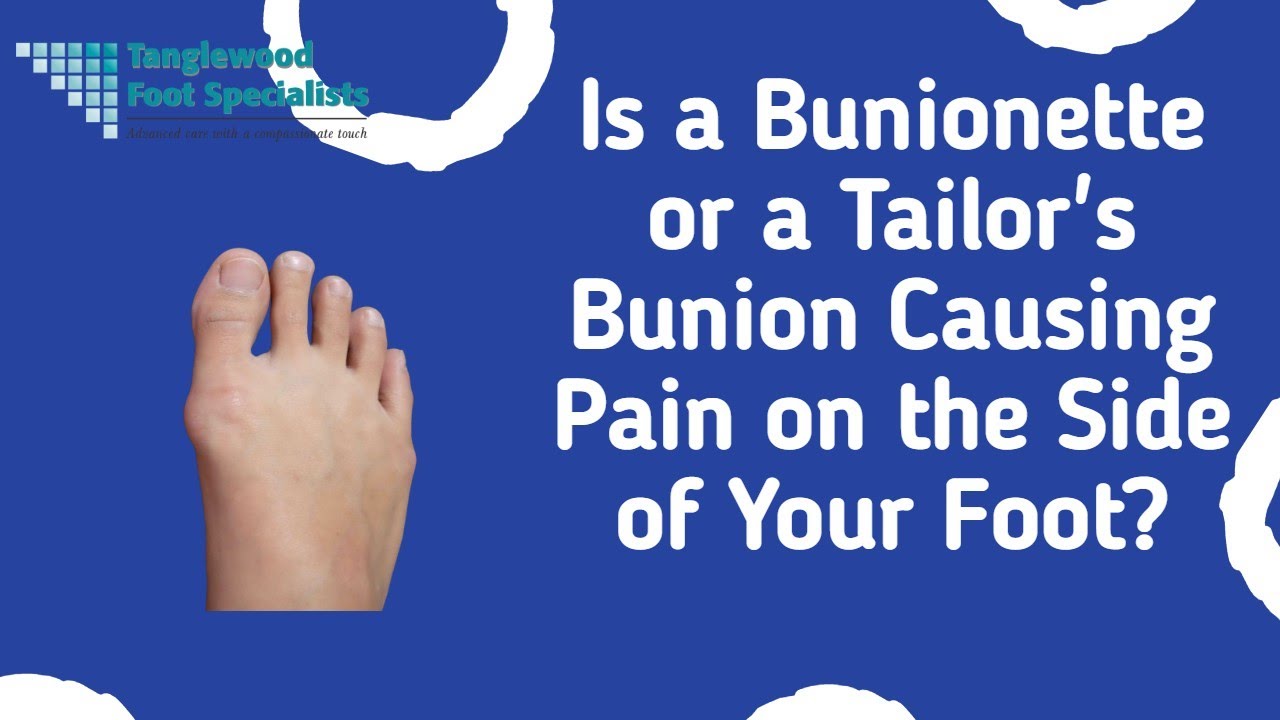
Some people experience things that are less obvious: numbness or a burning sensation in the big toe or ball of foot, hammertoe development in the second toe as it gets crowded out of position, or significant ball-of-foot pain as weight redistributes away from the bunion joint. Swelling after prolonged standing is common and often dismissed as "just tired feet." The reality is that metatarsalgia — pain across the ball of the foot — is frequently a downstream consequence of an untreated bunion, not a separate problem.
A few things warrant same-day evaluation: sudden dramatic pain with acute swelling and redness that comes on fast can indicate a gout flare or bursitis rather than typical bunion pain. If the big toe joint locks up or becomes completely rigid, that may signal rapid arthritic progression that changes your treatment options. Either way, I need to see you — whether your bunion hurts all the time or only when you're in certain shoes. Request an appointment and let's find out what's actually going on.
Keeping Your Bunion From Getting Worse
Footwear is a lifelong commitment, not a six-week experiment. The right shoe stays non-negotiable even after symptoms resolve — once you go back to narrow toe boxes and elevated heels, the forces that drove the deformity start working again. Custom orthotics should be re-evaluated every two to three years as foot mechanics shift with age and weight. Annual weight-bearing X-rays give objective data on intermetatarsal angle progression; pain level alone is an unreliable proxy for how fast the deformity is advancing.
Weight management compounds in both directions. Every pound lost reduces forefoot loading by three to four pounds per step — that's real mechanical relief for an already-stressed joint. If you're carrying extra weight, even modest changes reduce cumulative forefoot stress meaningfully over time. And if you have children, watch their feet from adolescence onward. This is inherited, and children's foot health caught early changes what's possible. Early intervention means more conservative options stay on the table longer — and in some cases, the deformity never becomes symptomatic at all.
After treating thousands of bunion cases over the years, the ones who avoid surgery longest are the ones who stay consistent — not the ones who do everything perfectly for six weeks and go back to their old shoes. Conservative care works, but only if you keep doing it. For a structured look at what the non-surgical path actually involves, bunion surgery alternatives and do I need bunion surgery walk through the decision criteria honestly.