What Is a Diabetic Foot Wound — and Why Is It Different?
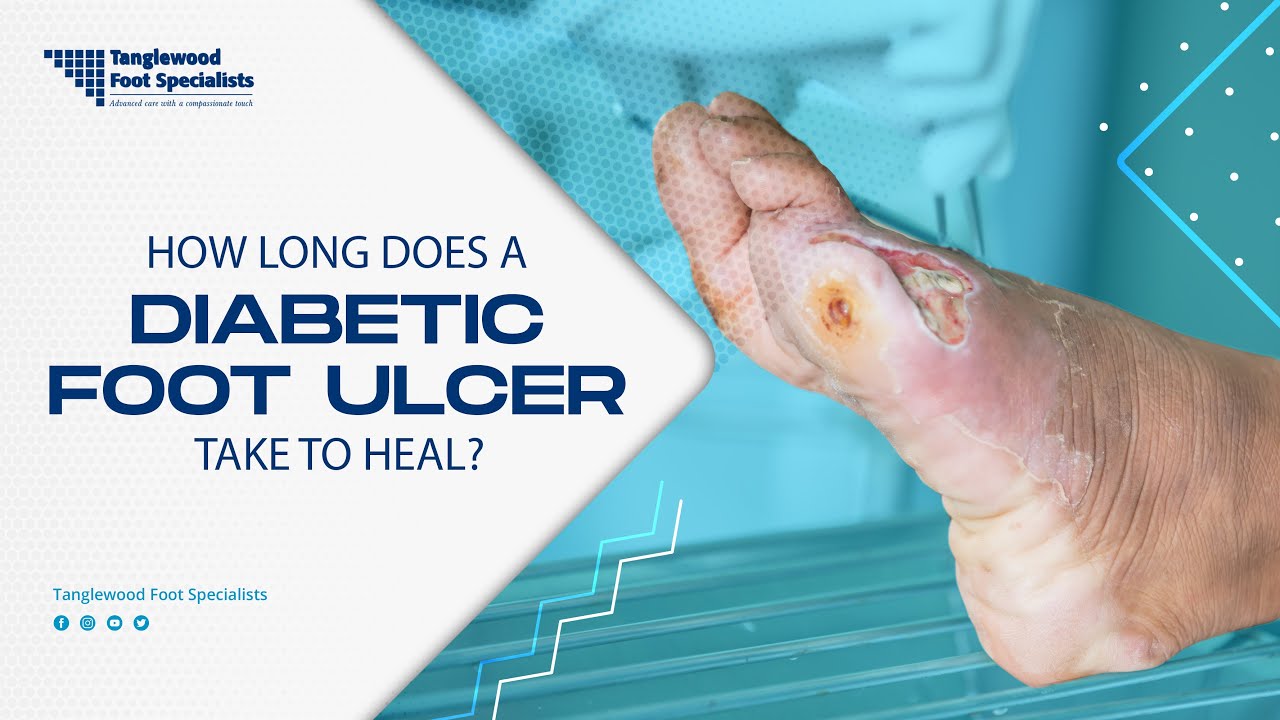
 A diabetic foot ulcer is an open wound on the foot — most often the bottom — where skin and underlying tissue have broken down. These wounds affect approximately 15% of people with diabetes over their lifetime and are fundamentally different from ordinary wounds because the biological processes that drive normal healing have been disrupted by chronically elevated blood sugar. This isn't a wound your body has forgotten how to close. It's a wound your body is actively failing to close, for reasons that go well beneath the surface.
Here's what's actually happening. Normal wound healing moves through three phases — inflammation, tissue-building, and remodeling. In a healthy body, that progression takes days to weeks. In a diabetic foot, high blood sugar damages the blood vessels and nerves that coordinate that process, and the wound gets trapped in phase one.
Your body sends the repair crew, they pull up the damaged material — and then they stop. The job never gets finished. That's what a stalled diabetic wound actually is: not a wound that hasn't started healing, but one that started and then got stuck.
The A1C equation matters here, and I want you to understand how much. Every point your A1C rises above normal doesn't reduce your healing capacity by a small percentage — it reduces it by roughly ten times. Two points above normal and your body is healing at something close to 1% of its normal speed.
That's not a slow heal. That's a wound that's essentially standing still regardless of how carefully you're dressing it.
As a diabetic foot care specialist, I see this pattern every week: people doing everything right on the surface — clean dressings, staying off their feet — and still watching the wound get worse. The dressing isn't the problem. The biology underneath it is.
Three Reasons Your Wound Keeps Stalling
Most diabetic foot wounds that won't close are being blocked by three forces — all working against the healing process at the same time. Understanding them matters because treating the wound surface without addressing these underlying problems is like mopping the floor while the faucet is still running.
The pain alarm is offline. Peripheral neuropathy — nerve damage caused by sustained high blood sugar — doesn't just cause numbness. It disconnects the warning system that tells you something is wrong. You can walk on a wound all day, driving bacteria deeper and breaking down surrounding tissue, while feeling nothing unusual.
I won't judge you for not catching it sooner; that's exactly what neuropathy is designed to make you think. No pain doesn't mean no danger. It means your body's alarm has been cut.
Think of it like a faulty thermostat — the sensor is broken, not the temperature. And at the extreme end of undetected neuropathic damage is Charcot foot, where bones fracture and shift without a person ever feeling it happen. That's the stakes when the pain signal goes offline.
Blood can't get where it needs to go. Peripheral arterial disease — narrowing of the arteries that serve your feet and legs — reduces the delivery of everything a wound needs to close: oxygen, nutrients, immune cells, growth factors. No delivery system means no repair, regardless of what's covering the wound. You can apply the most advanced dressing available, but if blood flow is critically compromised, it can't reach the wound bed to do anything. This is why circulation assessment is the first thing I check when I see a new wound.
The wound is locked in the wrong phase. Even when circulation is adequate, diabetic wounds often get stuck in the inflammation stage — the body's first response — and can't move forward into the tissue-building stage where wounds actually close. Standard dressings manage the wound surface. They don't break this biological logjam.
The chronic inflammatory environment keeps breaking down new tissue almost as fast as the body tries to build it. Until something intervenes at the biological level, the wound stays right where it is.
Warning Signs That Mean You Need to See Me Now
 Some wound changes are part of normal care. Others mean you shouldn't wait for your next scheduled appointment. Knowing the difference matters — and with diabetic wounds, the window between "concerning" and "emergency" can close fast.
If your wound hasn't visibly decreased in size after two to four weeks of consistent home care, that's your signal to come in. Drainage that increases in volume or shifts color — yellow, green, or brown — means something has changed in the wound environment. Surrounding skin that becomes red, warm, or mildly swollen tells me infection may be establishing itself beneath the surface. These aren't panic signs, but they are "call the office today" signs. I've written a full guide to the warning signs of diabetic foot problems that covers what to watch for between visits.
Some changes require same-day care. Visible wound depth — where you can see tissue layers or the wound appears to tunnel inward — means the infection is moving. A foul odor that doesn't clear with dressing changes, wound edges that look dark or dusky rather than pink, or a wound that seems larger overnight all warrant an urgent call. And if you see red streaking extending up your leg, a fever above 101°F alongside the wound, black or brown tissue at the wound center, or any visible bone — go to an emergency room. Those are signs of ascending infection or gangrene, and they are not situations to manage at home or wait out. Understanding how to start preventing diabetic foot ulcers from recurring is the next step once the acute wound is under control.
Either way, I need to see you — whether your wound seems like it's progressing slowly or you're looking at something that concerns you right now.
How Houston Podiatrist Dr. Andrew Schneider Treats Advanced Diabetic Wounds
After treating thousands of people with diabetic foot wounds — including cases other clinics had written off — I've come to see advanced wound care as a progression, not a single treatment. Where you start depends on where your wound is. Where you end up depends on how your biology responds. I never skip steps, and I never stop looking for the next option.
Lifestyle and Metabolic Foundation
Before any in-office treatment can work, we have to address what's feeding the problem. Blood sugar control isn't optional — it's the prerequisite for everything else. If your A1C is significantly elevated, we're fighting upstream every step of the way, and even the most advanced treatments will underperform. I'll work alongside your PCP or endocrinologist to understand where your numbers are and what's realistic given your current medications and habits.
Footwear changes matter more than most people expect. Never barefoot — not across the bedroom, not to the bathroom at night, not anywhere. Seamless diabetic socks reduce friction that you can't feel. A protective toe box keeps pressure off the wound margins while it's trying to close.
If you're a smoker, I'll tell you directly: smoking compounds the vascular damage that's already working against your wound, and cessation has a more immediate impact on your wound environment than most people realize. Nutrition supports the process too — adequate protein gives your body the raw material for tissue rebuilding.
At-Home Wound Management
For wound cleansing, saline solution or unscented mild soap and water are your two safe options. That's it. The bubbling you see when hydrogen peroxide hits a wound isn't bacteria being killed — that's your healing cells being destroyed.
Alcohol dries out fragile diabetic tissue and strips the skin barrier. Bleach, even heavily diluted, kills healthy cells along with anything else it touches. I know these feel like they're doing something; they aren't.
A moisture-retentive dressing — foam, hydrocolloid, or alginate matched to your drainage level — creates the environment where wound healing can actually occur. Leaving a wound open to air slows healing and increases infection risk. Tight wrapping compresses the microcirculation you need.
Elevation whenever you're seated reduces the edema that impairs blood flow to the wound margins. Daily inspection with a mirror — full foot, between toes, heel, sole — takes 90 seconds and catches the problems you can't feel coming.
Here's the honest assessment: at-home care manages the wound surface. It buys time. It rarely closes a true diabetic ulcer without professional escalation, because it can't restart a broken healing cascade, restore blood flow, or break the inflammatory trap. If your wound hasn't visibly reduced in size after two to four weeks of diligent home care, you've reached the limit of what home care can do.
Conservative In-Office Care
Professional debridement is the foundation of every wound care visit. I remove all dead and non-viable tissue — the slough, the eschar, everything that's blocking the wound from moving forward. A wound covered in that material can't granulate. Granulation — the new pink-red tissue forming at the wound base — is your body's first real step toward closure, and it can't happen until the wound bed is clean.
Offloading isn't optional. Without removing mechanical pressure from the wound, nothing heals — period. Walking on a wound collapses whatever fragile repair work your body managed overnight. Depending on wound location and severity, I'll use a total contact cast, a removable cast walker, or custom accommodative orthotics designed specifically for diabetic foot protection ($700). The right offloading device is determined at your first visit — there's no one-size answer.
When a wound hasn't reduced by at least 50% after four weeks of standard care, I move to biosynthetic skin substitutes — what I call the Scaffolding approach. Think of these as temporary biological scaffolding: lab-grown products that deliver the growth factors and structural signals the stalled wound environment is missing. Applied in-office, no surgery, no anesthesia, no donor site. The substitute adheres to the wound bed and is absorbed as your own tissue grows in underneath. Standard wound care alone closes 70–80% of diabetic ulcers. Adding skin substitutes when indicated pushes that to 85–95%. For a full walkthrough of the process and what each stage involves, my guide on diabetic foot ulcer treatment covers it in detail.
Circulation assessment happens at the first visit, every time. I test the Ankle-Brachial Index — a simple in-office blood pressure comparison between your ankle and arm — to measure blood flow to your feet. If that suggests impairment, I order Doppler ultrasound. If circulation is critically reduced, a vascular referral comes before any advanced treatment. Restoring blood flow is sometimes the prerequisite that makes everything else possible. Knowing why your diabetic wound won't heal almost always comes back to these three systems — and this is where we find out which one is failing you.
Regenerative Medicine — The Third Option
Here's where most wound clinics stop. And where I don't.
Regenerative medicine is the category that exists between conventional wound care and surgery — the one most people are never told about. For wounds where the construction crew has stopped, these treatments don't just manage the surface. They restart the biological conversation your body gave up on.
Platelet-rich plasma therapy — what I call liquid gold for healing — starts with a small blood draw from your arm, identical to a routine lab test. I concentrate that blood in a centrifuge until the platelets are five to ten times their normal level. Platelets carry growth factors: PDGF, VEGF, TGF-β — the proteins that signal your body to rebuild blood vessels, regenerate tissue, and close wounds. I apply that concentrated plasma directly to the wound bed, delivering a healing signal the diabetic wound environment has lost the ability to produce on its own. Cash price: $850.
Red light therapy — photobiomodulation — uses specific wavelengths of red and near-infrared light to penetrate to the  cellular level and stimulate mitochondrial activity. More cellular energy means accelerated collagen synthesis, reduced inflammation, and improved circulation in the wound margins. It's non-invasive, painless, and can be layered with other treatments. Cash price: $39 per session, $180 for a six-session package.
For wounds with deeper tissue compromise or significant surrounding edema, the Remy Class IV laser delivers deeper tissue penetration than standard red light, reaching structures that surface therapies can't. Cash price: $97 per session, $497 for a six-session package.
The protocol that produces the best outcomes is what I think of as Seeds and Soil. PRP provides the seeds — concentrated growth factors that signal your body to repair. Wound bed preparation, offloading, and phototherapy prepare the soil — the optimal environment for those signals to work. Sequenced correctly, this combination creates a healing environment that can succeed where everything else has failed. For the full breakdown of how each of these therapies works individually and together, my guide on types of regenerative medicine walks through the complete picture. Combined regenerative protocols show 85–95% success rates in chronic wound cases. Measurable wound response begins within two to four weeks of starting treatment.
Surgery — When It's the Right Answer
Look, I know the word surgery in the context of a diabetic wound sounds like the beginning of the worst conversation you can have. But surgical intervention for wound care is almost never what you're picturing — and it almost never starts with amputation.
Surgical debridement in an operating room is wound-preserving surgery. When a wound contains deep necrotic tissue, infected bone (osteomyelitis), or an abscess that in-office care can't adequately clear, I remove it under controlled conditions with better visualization than any office visit allows. The goal is eliminating the infection source so healing can restart — not removing the foot. When infection has progressed through all conservative and regenerative measures, a partial resection — removing a single toe or small section of bone — can eliminate the problem, allow the remaining foot to heal, and preserve normal walking function. Most people do exactly that afterward. When critically reduced blood flow is the primary barrier, I coordinate with a vascular surgeon for angioplasty or bypass grafting. Restoring circulation is sometimes the only intervention that makes wound closure possible at all. For a full picture of what surgical options look like and what recovery involves, I've outlined the process in my guide on foot surgery options.
If this sounds like what you're dealing with, don't wait another week on a wound that isn't closing. Call my office at 713-785-7881 or request an appointment and I'll tell you exactly where your wound is and what it needs.
What to Expect at Your First Visit for Diabetic Wound Care in Houston
When you come in, I'll start by examining the wound directly — probing for depth, measuring dimensions, and photographing it for baseline documentation. Those measurements matter more than they might seem. A wound that looks the same to you week over week may be changing in ways that only measurement catches, and I need that baseline to know whether we're winning or losing ground. I've been treating diabetic foot wounds across Houston for more than 25 years — from the Galleria area and Tanglewood to the Texas Medical Center and River Oaks — and the first visit sets everything that follows.
I'll run an Ankle-Brachial Index test in the office. It takes about ten minutes, requires no preparation, and tells me how well blood is reaching your feet by comparing blood pressure at your ankle to your arm. I'll also do monofilament testing to stage how much sensation you've lost and where.
Then I'll review your blood sugar history, your current medications, and any prior treatments you've had on the wound. By the end of that conversation, I have a complete picture — not a partial one.
You leave your first visit with a plan. Not a referral to another referral. I'll classify the wound, tell you exactly what stage it's at, and walk you through the treatment sequence that makes sense for where it is right now.
If a skin substitute or PRP is indicated, I'll explain the coverage picture and the cash pricing before anything is ordered — no surprises. I'll also give you an honest timeline: what's realistic given your wound stage, your circulation status, and your A1C. That conversation isn't always easy, but you deserve to know what you're actually working with.
Preventing Diabetic Foot Wounds From Returning
Healing a wound is step one. Keeping it healed is the part most people underestimate. Up to 40% of diabetic foot ulcers  recur within one year of closure — and the ones that come back are often harder to close the second time. This is especially relevant in Houston, where heat and humidity accelerate skin breakdown in diabetic feet, and where open-toed shoes and sandals are a year-round temptation I'd strongly encourage you to resist.
Daily foot inspection is something I consider essential — and so do the people who stay ulcer-free. Mirror inspection — full foot, between toes, heel, sole — takes 90 seconds and catches the blisters, skin breakdown, and callus buildup that you can't feel coming. Moisturizer on your heels and soles (never between the toes, where it creates a moisture trap) keeps skin intact.
Seamless diabetic socks and a protective shoe with a deep toe box every time you stand up. These aren't dramatic interventions. They're the daily habits that separate people who heal once from people who cycle through wounds every year.
Hoping doesn't work. The people I see who stay ulcer-free after a healed wound treat foot inspection the way they treat brushing their teeth — non-negotiable, every day, no exceptions. Routine podiatry visits every six to eight weeks if you have active neuropathy or a prior ulcer history give me a chance to catch problems before they open. My guide on diabetic foot care tips covers the full daily prevention routine in detail, and I've also written specifically about diabetic shoes — what they do and can't fix for anyone considering therapeutic footwear. And if you're managing neuropathy, safe diabetic toenail care is one of the most overlooked infection entry points I see — worth reading before your next nail trim.